

If you have ever walked into a salon and felt stuck between two options for your eyebrows, you aren't alone. You sit there, looking at the calendar, trying to decide which service to book. One option hurts less, right? The other lasts longer? It gets complicated when your skin gets irritated easily or when you want that perfect arch. This guide cuts through the noise. We are going to look at exactly how Eyebrow Waxing and Facial Threading work, what they do to your skin, and which one actually fits your lifestyle.
The Mechanics of Hair Removal
Before we talk about comfort, you need to understand what is happening physically under the surface. Hair grows out of a pocket in your dermis called the follicle. When you pluck, clip, or shave, you disturb this process differently than when you strip hair completely from the root. Both waxing and threading aim for that deep removal, but the tools differ significantly.
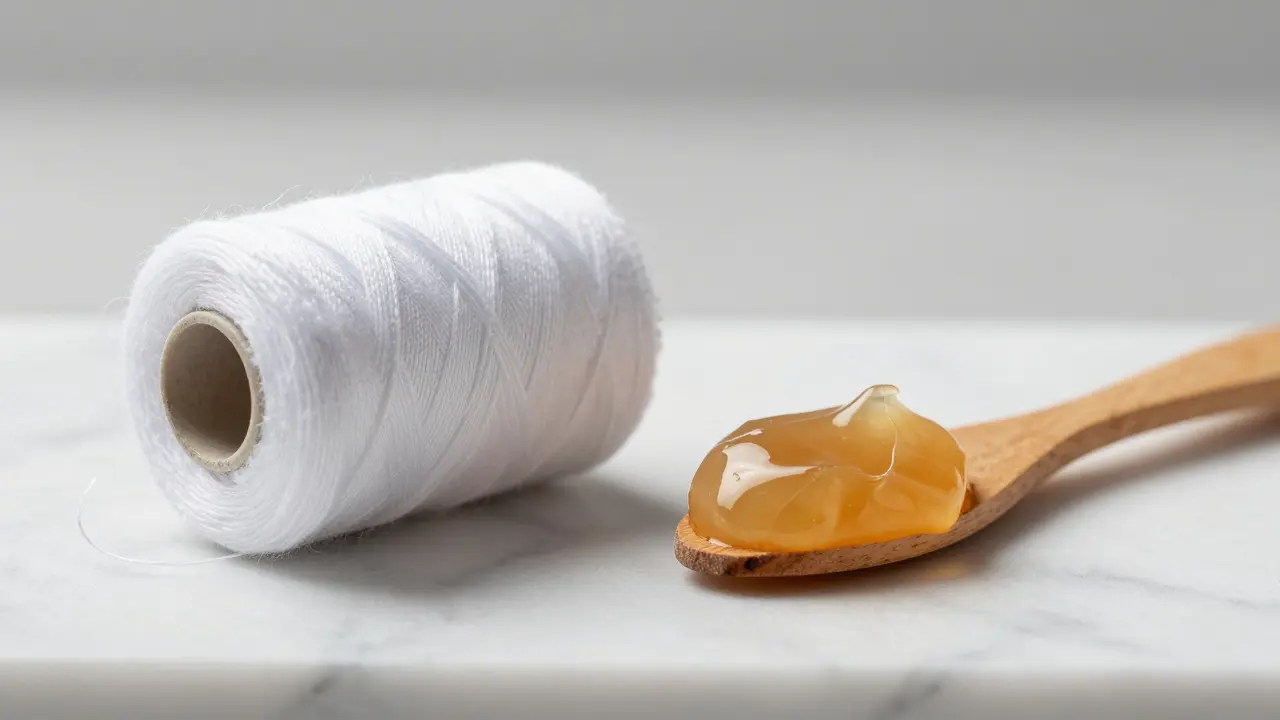
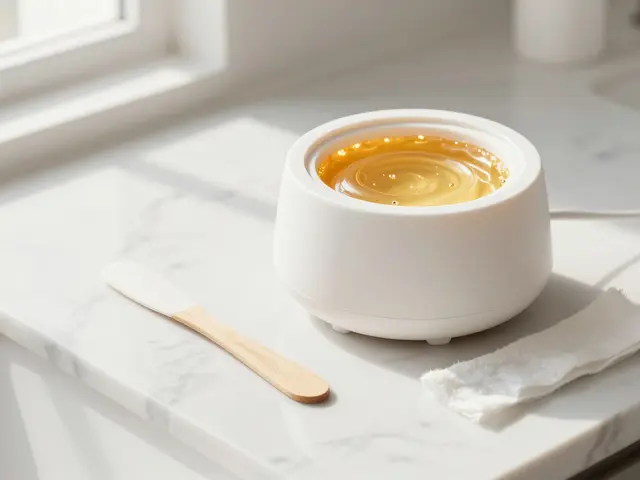
Brow Waxing relies on a heated or cold resin. This sticky substance adheres to the hair shaft and the top layer of dead skin cells. When the esthetician rips the strip off, she pulls everything backward in the direction of growth. It is a quick action that targets multiple hairs simultaneously. Because the wax grabs dead skin too, you walk out with exfoliated skin, but you also leave some skin behind with the strip.
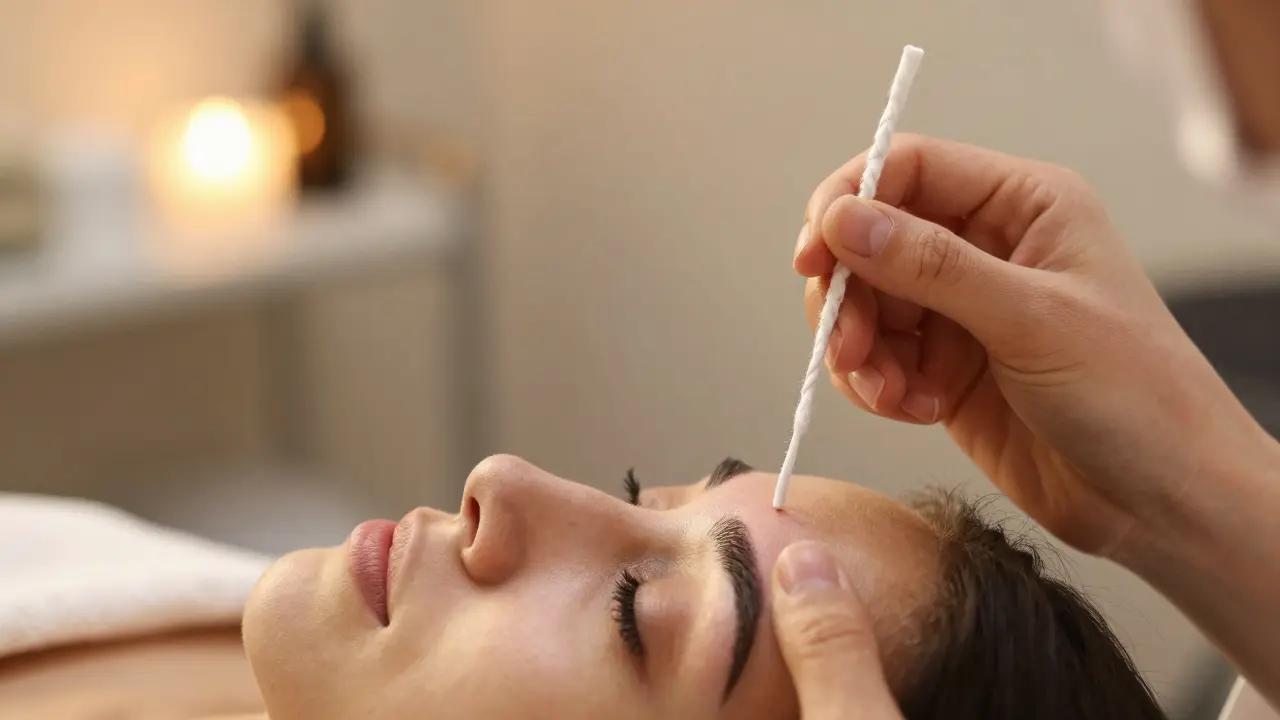
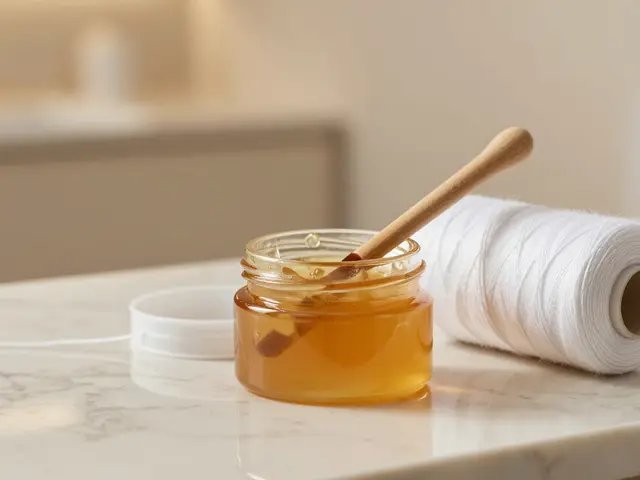
In contrast, a cotton thread twisted and rolled over the skin to trap hair creates a mechanical trap. The practitioner spins the thread in a corkscrew motion. As it rolls across your face, the loop catches individual hairs and snaps them out from the root. There is no adhesive involved. Just friction and tension. This means the tool itself touches only what needs to be removed, not the surrounding skin area.
Pain Levels and Tolerance
Let us be honest about discomfort. Neither method is a hug, but they feel different. Many people expect threading to be painless because there is no hot glue involved, but that depends on your tolerance. The sensation of threading is often described as a series of tiny, rapid pinpricks or snatches. Since the practitioner moves fast, the brain barely registers the sting before moving to the next spot. If you are squeamish, the speed helps mask the intensity.
Applying hot resin to the face and ripping it off quickly provides a singular, sharp pull. The shock is immediate and intense, covering a larger patch of skin all at once. However, many clients prefer the brief burst of pain over the prolonged feeling of being tugged repeatedly. For those with very thick hair, waxing can sometimes hurt less because the root loosens faster in a cluster. If you are prone to panic attacks or anxiety, knowing you are dealing with one big pinch versus twenty small ones makes a psychological difference.
Precision and Final Results
Where you really see the difference is in the lines you get. Threading is the king of detail. An experienced threader can carve a line so fine that it looks painted on. They can separate hairs just millimeters apart. This is why high-end salons and artists who love precision favor it. You get sharp angles, especially around the bone structure of the brow bone.
Waxing has improved over the years, especially with hard wax techniques, but it still lacks the microscopic control of the thread. Hard wax shrinks away from the skin as it cools, allowing the esthetician to press it into the creases, but it cannot define an ultra-fine line as well as a twisting thread. If you have sparse brows and need every single straggler gone, threading wins. If you are happy with a natural, softer look, waxing provides enough cleanup without obsessing over perfection.
| Feature | Threading | Waxing |
|---|---|---|
| Pain Level | Mild to Moderate (Snatching) | Moderate to High (Sharp Pull) |
| Durability | 3-4 Weeks | 3-5 Weeks |
| Exfoliation | Yes (Manual Dead Skin Removal) | Yes (Chemical/Adhesive Pull) |
| Ingrown Risk | Low | Higher |
| Skin Suitability | All Types (Even Rosacea) | Avoid Sensitive/Acne-Prone |
| Duration | Fast (5-10 mins) | Fast (3-5 mins) |
Managing Skin Reactions
Your skin is the biggest variable here. If you have sensitive skin conditions like eczema, psoriasis, or active acne, you need to watch how the method interacts with the barrier. Waxing strips the top layer of skin cells along with the hair. For someone with rosacea or fragile capillaries, that mechanical trauma can cause redness that lasts hours or trigger a breakout. The heat from the wax can also be a factor if you are applying retinoids like Tretinoin.
Threading avoids chemicals entirely. There is no resin left behind on the pores to cause irritation. The only contact is the thread and the technician's hands. This safety profile makes it a better choice for people using strong skincare products. You can apply your serum immediately after without worrying about dissolving residue or stinging.
However, the speed of threading generates friction heat in its own way. Sometimes, aggressive threading can cause temporary red bumps where the hair was pulled. This isn't an allergic reaction, but rather inflammation. It clears up quickly with a cool compress, but it does mean your makeup won't go on smoothly immediately after treatment.
Longevity and Maintenance
You probably wonder if spending extra money buys you more time. In theory, waxing should last longer because the wax pulls the entire root bundle sometimes, including the bulb. However, biology dictates the result more than technique. Everyone's hair cycle is different. Some hairs shed naturally weeks later regardless of how firmly they were pulled.
Experience suggests the gap between the two is narrow-often only a few days. Threading removes hair cleanly, leaving a clean follicle for regrowth. Waxing might encourage thicker hair eventually if the break happens higher up, but generally, both offer roughly 3 to 4 weeks of smooth skin. If you have extremely coarse hair, waxing tends to slow down regrowth slightly more over the long term because the stress on the follicle damages it slightly more than the clean snap of a thread.
Cleaning up stray hairs is easier between sessions with waxing because the skin remains exfoliated. With threading, the edges might feel fuzzy sooner because dead skin wasn't stripped away as aggressively. This impacts how polished your brows look toward the end of month four.
Cost and Accessibility
We need to discuss your budget. Prices vary wildly depending on location, but there is a general pricing trend. Threading requires significant skill training. It takes months to master the hand-eye coordination required to twist that thread effectively. Salons reflect this labor cost in their prices. You might pay double what you would for a standard wax in certain markets.
Waxing is a faster procedure to learn and execute. Consequently, spas often offer waxing as a low-cost entry point or a package deal with facials. If you are tight on cash, waxing is the logical choice. However, consider the hidden costs of bad results. Over-waxed eyebrows can look bare or uneven, leading you to buy tint or spend money on microblading to fix the mistake. Precision often comes cheaper in the long run even if the upfront price tag is higher.
Choosing the Right Service for You
If you prioritize minimal downtime and have delicate skin, pick threading. The lack of chemicals ensures fewer reactions. Choose waxing if you want the quickest appointment and have sturdy, resilient skin. Do not wax if you are currently taking isotretinoin or Accutane, as your skin peels too easily with adhesive. Always check with your dermatologist if you have recently used harsh exfoliants.
Does threading make hair grow back thicker?
No, hair does not grow back thicker after removal. When hair returns, the tip feels blunt initially, giving the illusion of thickness, but the actual hair shaft diameter remains determined by genetics.
Can I thread my own eyebrows at home?
It is difficult. DIY kits exist, but achieving symmetry alone is nearly impossible due to the angle required. Most people practice on others before attempting it on themselves.
How long does wax stay on the skin?
Residue is common after soft wax. Estheticians remove it with oil-based removers, so you should finish with clean skin, but bring blotting papers just in case of oiliness.
Is threading sanitary?
Yes, threads are disposable. Technicians cut fresh pieces frequently to avoid cross-contamination. Unlike wax pots which sit out, the thread burns or breaks off per client.
Which method causes less ingrown hairs?
Threading has a lower risk. Waxing tears the skin layer that anchors the hair, causing debris to block the pore. Threading leaves the follicle cleaner, though gentle exfoliation helps prevent them in both methods.


Nick Rios
March 27, 2026 AT 05:47I understand how difficult it feels when you walk into a salon and see so many choices on the menu wall. Pain tolerance varies wildly between individuals so what works for one person might terrify another nearby client. We should respect that everyone has different thresholds for discomfort regarding facial treatments. Threading might feel like pinpricks but waxing feels like a quick sharp snap for others. It really comes down to personal experience rather than a universal truth about which method is objectively superior. Your skin barrier history plays a huge role in deciding what is safe for your face today.
Amanda Harkins
March 28, 2026 AT 22:01The concept of perfection in beauty often ignores the biological reality of human hair cycles we discussed earlier. We chase lines that might not even stay defined past the next rainfall season inevitably. Society pushes us toward sharp angles while nature prefers softer curves around our natural bone structure. Sometimes choosing the painful option just proves we value the result enough to endure temporary agony. Yet endurance does not guarantee quality outcomes in terms of actual longevity or health of follicles.
Jeanie Watson
March 30, 2026 AT 06:31This article barely scratches the surface of what actually matters during the procedure itself.
Mark Tipton
March 30, 2026 AT 19:55Analyzing the data presented reveals distinct advantages regarding mechanical friction versus chemical adhesion risks. The probability of ingrown hairs increases significantly when adhesives strip keratin layers alongside the hair shaft unexpectedly. Threading minimizes surface trauma but introduces friction heat that could compromise compromised capillaries in some cases. Statistically the variance in duration between methods is negligible enough to ignore cost factors primarily. One must prioritize skin integrity metrics over marginal improvements in regrowth timelines.
Adithya M
April 1, 2026 AT 09:42The distinction made between mechanical trauma and adhesive residue is grammatically and technically sound here. Proper terminology ensures that technicians understand the specific limitations of each tool used during application phases. Using the term dermis correctly helps clients visualize where the damage occurs relative to the follicle anchor points. Clarity prevents misunderstandings that lead to unnecessary inflammation or scarring later on. Precision in language matches the precision required for successful brow mapping sessions effectively.
Jessica McGirt
April 2, 2026 AT 00:02You absolutely need to listen to your body signals when choosing between these two competing options for grooming. Sensitive skin types should never gamble with heated resin products without consulting a medical professional first. Investing in safety measures pays dividends when avoiding allergic reactions or severe burning sensations during treatment. Always patch test new techniques before committing to a full facial mapping session for yourself. Taking care of your barrier function is essential for maintaining long term skin health overall.
Donald Sullivan
April 2, 2026 AT 21:34If you value your skin barrier you should demand proof of sanitation protocols before sitting in that chair. Do not tolerate a technician who reuses tools or applies old wax pots directly onto fresh patches of skin ever. Setting boundaries about chemicals is necessary to prevent rashes or infections from spreading to the rest of your face immediately. Be firm about rejecting services if the environment looks unsanitary or unprofessional to your eye. Your health takes precedence over saving money on a cheaper appointment slot.
Tina van Schelt
April 4, 2026 AT 00:09Sometimes the razor sharp edge of a cotton thread carves through chaos like a painter wielding a fine brush. The tactile dance between hand and fabric creates art that scissors simply cannot replicate with their blunt efficiency. Soft wax melts into valleys of skin like warm honey dripping onto sticky bumblebee wings. Each method paints a different portrait of texture leaving behind its own signature scent and feeling. Finding the right artist means finding the color palette that fits your canvas best.
Ronak Khandelwal
April 5, 2026 AT 14:44I love how threading keeps the skin so much happier and calm afterwards 🧖♀️✨. You get zero residue and immediate relief from the stress of picking at stray hairs later 😊👌. The speed is amazing and honestly so much worth the extra cash spent 💰🤩. Just trust your gut when booking that slot though 🙌💖.
Mike Zhong
April 7, 2026 AT 08:22Your reliance on emotion clouded judgment regarding the physical mechanics of follicle extraction here fundamentally. Happiness is subjective but tissue regeneration is governed by immutable biological laws you cannot wish away easily. Ignoring the science of trauma suggests a weakness in understanding how skin heals under tension. True empowerment comes from knowledge not feelings derived from superficial comfort alone.
Jamie Roman
April 7, 2026 AT 11:11I remember going through this exact struggle when I first started managing my own appearance back in college years ago. It was so confusing trying to figure out which method actually saved me money in the long run versus which one just looked better initially. My friend always swore by threading because she said it lasted longer for her thick hair type specifically. She told me waxing would rip her pores too open given how sensitive her skin already was historically. I tried waxing once during the winter holidays and ended up with blisters near the bridge of my nose painfully. The esthetician apologized but nothing could fix the redness until three days had passed completely unfortunately. Since that incident I have sworn off hot resin products entirely regardless of the price point difference significantly. Threading requires much more skill from the technician to avoid catching healthy skin cells accidentally during the process slowly. If you find someone good the precision is unmatched compared to standard salon packages usually offered online now frequently. You really save time in the shower routine because you do not have to scrub away residual oils afterward every single morning regularly. Ingrown hairs became less frequent after switching to the thread technique almost immediately upon trying it out consistently monthly. My dermatologist eventually agreed with me that less chemical exposure meant fewer breakouts along the upper forehead area generally speaking scientifically. Cost is definitely higher for threading appointments but the results justify the extra expense for those willing to invest financially responsibly. You should test a small patch before booking a full session just to see how your body reacts physically internally. This trial run helps you decide if the friction irritation bothers you more than the sudden pulling sensation does externally.
Salomi Cummingham
April 7, 2026 AT 11:13Oh my goodness the drama of dealing with ingrown hairs is truly a tragedy worthy of a soap opera episode every single month. Watching someone tear their own hair out in frustration is heartbreaking but also strangely compelling visually sometimes. I hope you find peace in this decision because the stakes feel incredibly high for such a small part of the face. Please take care of your poor fragile skin gods know it deserves some kindness and gentle handling. This journey of self grooming is fraught with peril but rewards the brave souls who persist patiently.
Johnathan Rhyne
April 8, 2026 AT 21:34One might argue the article conflates correlation with causation regarding skin reaction rates and method selection criteria. The table presented lacks rigorous citation standards expected in medical literature contexts professionally written. Despite this minor oversight the general consensus remains accurate enough for layperson consumption today conveniently. I prefer the nuance of hard wax techniques described over the simplistic comparison made otherwise previously stated. Accuracy in reporting details matters greatly for consumer protection standards universally.
Jawaharlal Thota
April 10, 2026 AT 09:52Listen closely as I guide you through the mental preparation required for choosing the right path forward confidently. Success begins with accepting your individual limits regarding pain tolerance and budgetary constraints honestly. Coaching yourself to advocate for proper technique ensures you receive the service advertised on the brochure accurately. Building confidence allows you to speak up if something feels wrong during the application phase critically. Remember that consistency yields better results than chasing trends without understanding your own biology deeply. Trust in your ability to make the right choice for your unique situation today specifically.