

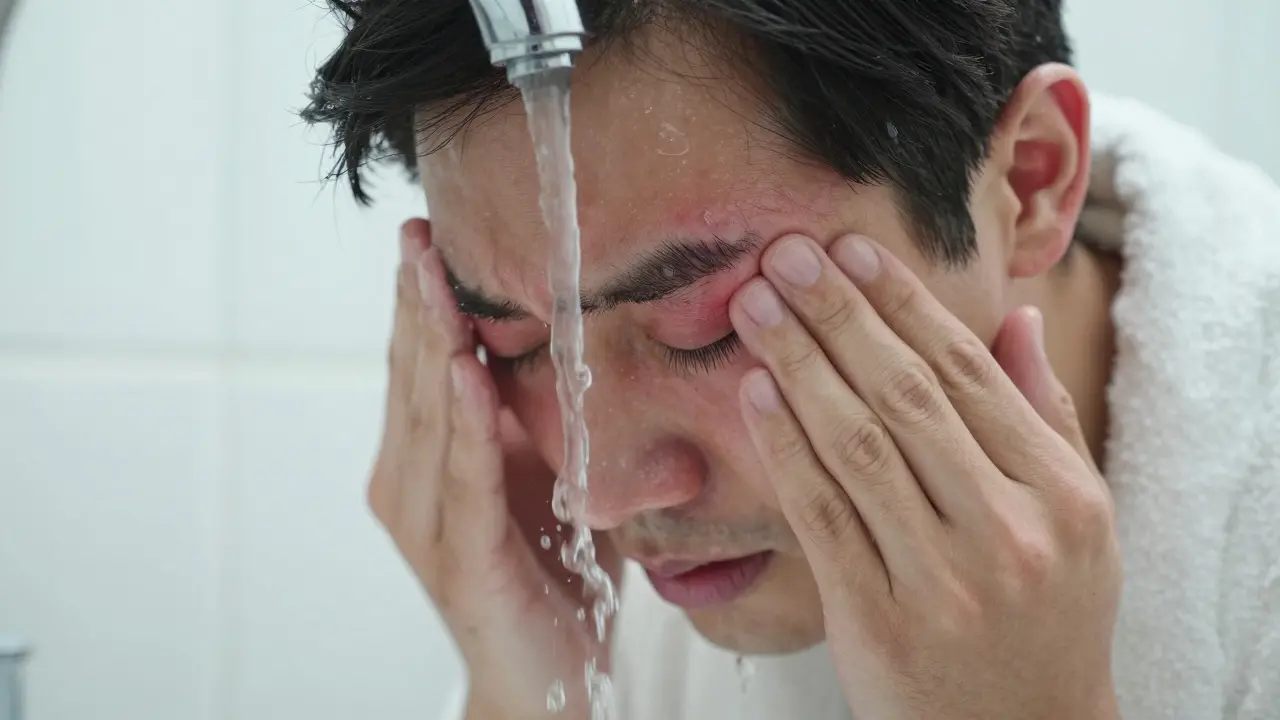
If you’ve ever used Nair or another chemical hair remover and ended up with a red, stinging, burning patch of skin-especially around your eyebrows-you’re not alone. These products work by breaking down hair at the root using strong chemicals like calcium thioglycolate. But if they sit on your skin too long, get into sensitive areas, or you have delicate skin, they don’t just remove hair-they can burn you. A Nair chemical burn isn’t a mild irritation. It’s a real chemical injury that needs proper care, fast.
What a Nair chemical burn looks like
A chemical burn from Nair usually shows up within minutes to an hour after application. You’ll feel a sharp stinging or burning sensation, followed by visible signs: redness, swelling, blistering, or peeling skin. Around the eyebrows, where skin is thin and sensitive, burns can spread quickly. Some people mistake the initial sting for normal product sensation and leave it on longer-big mistake. The longer it sits, the deeper the damage. By the time you rinse it off, the chemical has already started eating into your skin’s top layers.
Unlike a sunburn or a wax burn, which are heat-related, a chemical burn is a reaction to corrosive substances. That means it won’t heal the same way. Rubbing on lotion or popping blisters will make it worse. You need to treat it like the chemical injury it is.
Step-by-step: What to do right after a Nair burn
Time matters. The first 10 minutes after noticing the burn are critical.
- Rinse immediately with cool running water. Don’t use hot water-it opens pores and lets more chemical soak in. Don’t scrub. Just let water flow gently over the area for at least 15 minutes. This is the single most effective thing you can do.
- Remove all residue. After rinsing, use a clean, damp cloth to gently wipe away any leftover cream. Don’t use soap yet-just water. Soap can trap chemicals or irritate further.
- Do NOT use baking soda, vinegar, or lemon juice. These home remedies are dangerous for chemical burns. They can trigger more reactions. Your skin is already damaged-don’t add acid or alkali to the mix.
- Pat dry, don’t rub. Use a soft towel and dab gently. Moisture left on the skin can trap heat and prolong irritation.
After this, avoid touching the area. Don’t pick at peeling skin. Don’t apply makeup, deodorant, or anything else until it’s fully healed.
What to apply to soothe the burn
Once you’ve rinsed thoroughly, focus on calming and protecting the skin.
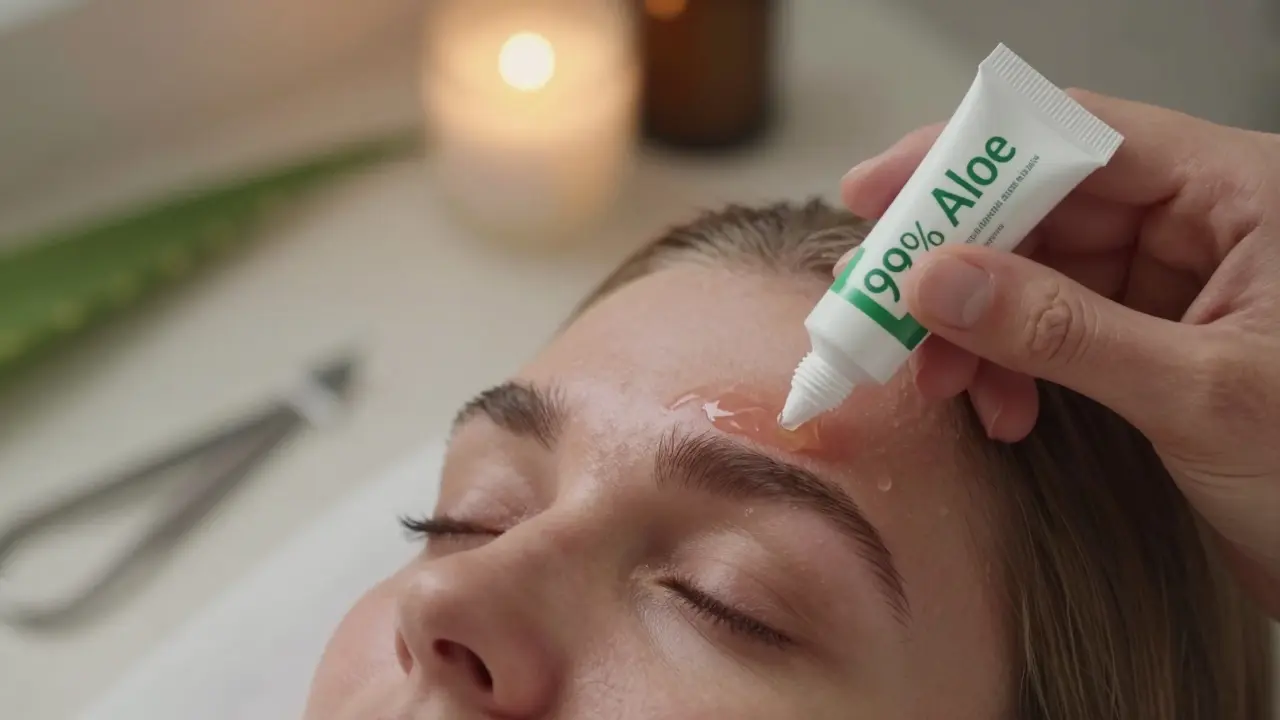
- Aloe vera gel (pure, no alcohol or fragrance). Look for products labeled 99% aloe. Apply a thin layer 2-3 times a day. Aloe reduces inflammation and speeds healing. Studies show it can help repair skin damage faster than some over-the-counter creams.
- Hydrocortisone 1% cream (for short-term use). If the area is very red and itchy, a low-strength hydrocortisone can help. Use it only for 2-3 days max. Too long can thin the skin.
- Antibiotic ointment like Neosporin. If the skin is broken or blistered, this prevents infection. Apply a pea-sized amount once a day.
- Moisturize with ceramide-based creams. After the initial healing phase (day 3-4), switch to a fragrance-free moisturizer with ceramides or hyaluronic acid. These help rebuild your skin’s natural barrier.
Avoid petroleum jelly (Vaseline) in the first 48 hours-it seals in heat and can trap chemicals. Also skip anything with alcohol, menthol, or essential oils. They sting and delay healing.
When to see a doctor
Most Nair burns heal on their own in 7-14 days. But some need medical attention.
- The burn covers more than 2 inches across.
- Blisters are large, burst, or leaking fluid.
- You develop a fever, pus, or increasing redness spreading outward.
- The pain gets worse after 48 hours, not better.
- The burn is near your eyes, lips, or inside your nostrils.
If any of these happen, go to urgent care or see a dermatologist. You might need prescription antibiotics or a steroid cream. Don’t wait. Chemical burns can scar if infected or improperly treated.
How to prevent Nair burns in the future
Most people who get Nair burns don’t read the instructions. Or they think, “I’ve used it before, it’s fine.” But skin changes. Hormones, weather, products you use, even stress can make your skin more sensitive.
- Always do a patch test. Apply a small amount behind your ear or on your inner arm. Wait 24 hours. If it stings, turns red, or feels tight-don’t use it on your face.
- Never use Nair on eyebrows or near eyes. The label says it. The FDA warns against it. The skin around your eyes is 10 times thinner than your forearm. Chemicals there can cause serious damage-even blindness.
- Set a timer. Nair works in 5-10 minutes. Set your phone alarm. Don’t rely on feeling. By the time you feel it, it’s too late.
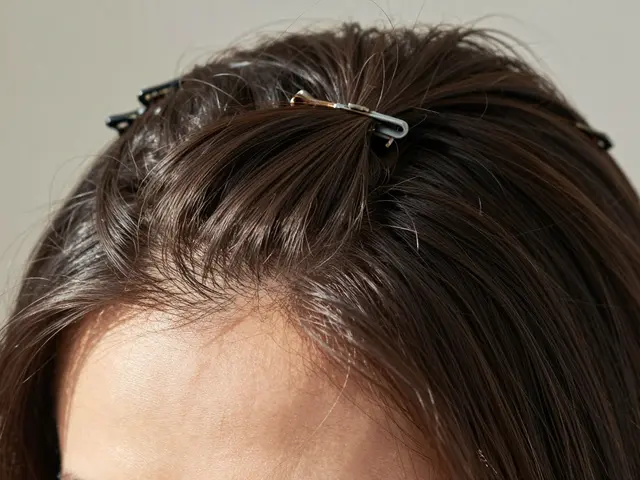
- Use a barrier cream. If you must use it on sensitive areas like upper lip, apply a thin layer of petroleum jelly around the edges first. It creates a buffer.
- Try alternatives. For eyebrows, tweezing or threading is safer. For legs or underarms, consider electric epilators or wax strips designed for sensitive skin.
Why Nair burns happen more often than you think
Manufacturers know these products can burn. That’s why the instructions are so detailed. But most people skim them. Marketing shows smooth skin and quick results-never the red, peeling aftermath. And social media? People post before-and-after photos without showing the 3-day recovery period.
Also, Nair is sold next to razors and wax strips in drugstores. People assume it’s as safe as shaving. It’s not. It’s a chemical peel in a tube. And unlike wax, which pulls hair out, Nair dissolves it-right into your skin.
Over 2,000 chemical burn cases linked to depilatory creams are reported to U.S. poison control centers each year. Most involve facial use. That’s not a small number. It’s preventable.
What to expect during healing
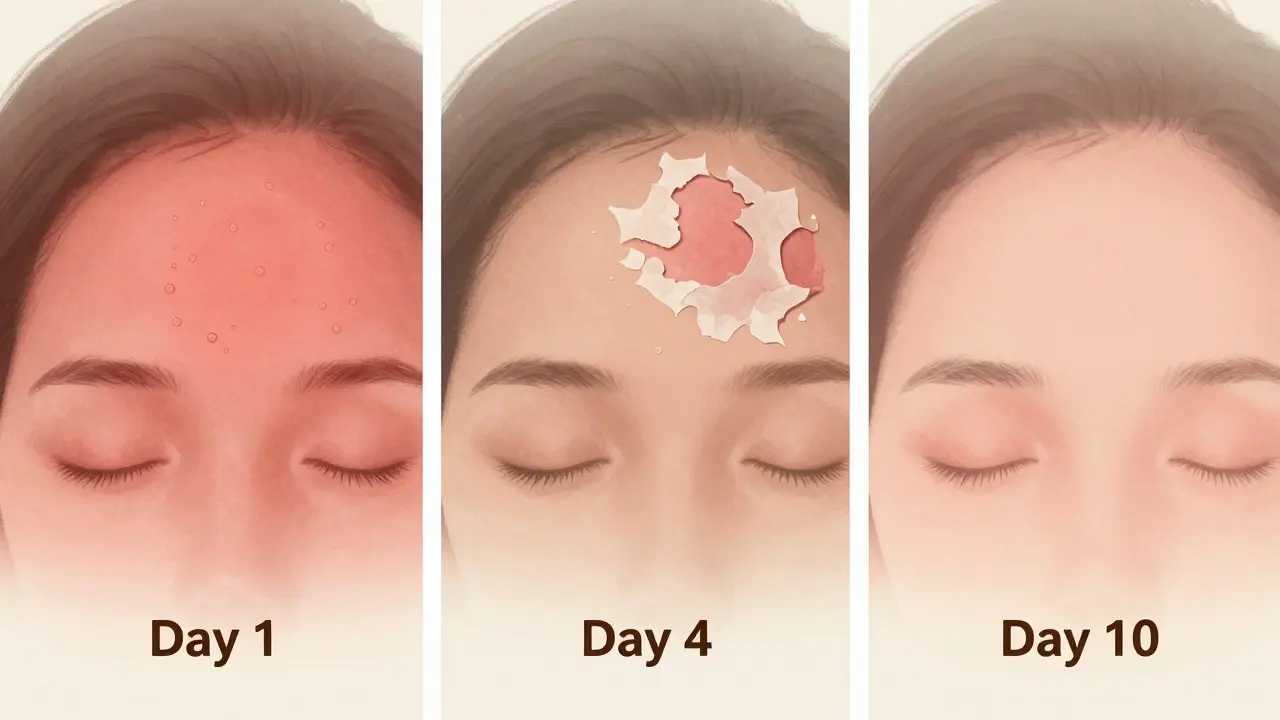
Day 1-2: Skin is red, hot, painful. Blisters may form.
Day 3-5: Blisters dry up. Skin starts peeling. It might look like a sunburn flaking off. Don’t pull it. Let it fall naturally.
Day 6-10: New skin appears. It may be pink or lighter than the surrounding area. This is normal. Pigment can take weeks to return.
Day 11+: Skin should feel normal again. If it’s still sensitive, dry, or discolored after 3 weeks, see a dermatologist. You might have a mild scar or post-inflammatory hyperpigmentation.
Don’t rush. Healing takes time. Rushing with makeup or exfoliants can cause permanent damage.
What not to do after a Nair burn
- Don’t pop blisters. That invites infection.
- Don’t use ice directly on skin. It can cause frostbite on damaged tissue.
- Don’t apply honey, toothpaste, or butter. These are myths that make things worse.
- Don’t go in the sun. New skin is ultra-sensitive. Use sunscreen (SPF 30+) if you go outside.
- Don’t use retinoids, AHAs, or BHAs for at least 4 weeks. Your skin barrier is compromised.
Can I use aloe vera on a Nair burn?
Yes, pure aloe vera gel (99% or higher) is one of the safest and most effective treatments for Nair burns. It reduces inflammation, cools the skin, and promotes healing. Avoid gels with alcohol, fragrance, or lidocaine-they can irritate further.
How long does a Nair burn take to heal?
Minor burns usually heal in 7-10 days. Deeper burns with blisters can take 2-3 weeks. If your skin is still red, painful, or peeling after 3 weeks, see a dermatologist. Scarring or pigment changes are possible if not treated properly.
Is it safe to use Nair on eyebrows?
No. The FDA and manufacturers explicitly warn against using chemical hair removers near the eyes. The skin around eyebrows is extremely thin and sensitive. Even brief contact can cause severe burns, corneal damage, or vision loss. Use tweezers or threading instead.
Why does my skin turn darker after a Nair burn?
This is called post-inflammatory hyperpigmentation. When skin is injured, it produces extra melanin as part of healing. The dark spot isn’t a scar-it’s a temporary pigment change. It fades over weeks to months with sun protection and gentle skincare. Avoid picking or scrubbing the area.
Can I use hydrocortisone cream on a Nair burn?
Yes, but only for a short time. Hydrocortisone 1% can reduce redness and itching during the first 2-3 days. Do not use it for more than a week. Long-term use can thin the skin and delay healing. Always follow up with a moisturizer after it dries.
What’s the best way to prevent Nair burns?
Always do a patch test 24 hours before use. Never leave the product on longer than the instructions say. Avoid using it on the face, especially near eyes. Use a timer. Consider switching to safer methods like tweezing or threading for eyebrows and upper lip. Your skin will thank you.
Final advice: Your skin is worth more than quick results
Chemical hair removers promise fast, painless hair removal. But they come with hidden risks. What looks like a simple cream can leave lasting damage if used carelessly. The best beauty routine isn’t the fastest one-it’s the one that keeps your skin healthy. If you’ve had a burn before, your skin is more vulnerable next time. Listen to it. Protect it. And when in doubt, skip the chemical and choose the slower, safer way.




Abert Canada
January 2, 2026 AT 07:33I got a Nair burn on my brow last winter and thought I was gonna lose my eyebrows forever. Rinsed for like 20 minutes straight under the sink-felt like an idiot but it saved my skin. Aloe vera was the only thing that didn’t make it sting worse. No joke, I cried while applying it.
Xavier Lévesque
January 4, 2026 AT 03:46So you’re telling me the same stuff that’s supposed to make me smooth also makes me look like I lost a fight with a chemistry set? Genius marketing. Next they’ll sell us ‘burn relief’ as a premium add-on.
Thabo mangena
January 4, 2026 AT 11:31It is with profound concern that I note the widespread disregard for product instructions in contemporary beauty practices. The human epidermis, particularly in regions of heightened sensitivity such as the periorbital area, is not a suitable substrate for unmonitored chemical exposure. One must exercise due diligence and respect the boundaries established by scientific and regulatory authorities.
Karl Fisher
January 5, 2026 AT 02:04Okay but have you seen the Instagram influencers who do Nair on their brows and then post ‘glass skin’ pics? Like sis, you’re not glowing-you’re chemically exfoliating your face into a sad clown mask. I’ve seen worse, but not by much. Also, no one told you to use it on your eyelids? Really?!
Buddy Faith
January 6, 2026 AT 08:46They know this happens on purpose. The lawsuits pay for the ads. They want you to burn so you buy their ‘healing’ cream next time. Also the timer is a joke. Who sets a timer for 5 minutes? I’m on TikTok. I forget what day it is.
Scott Perlman
January 6, 2026 AT 13:02Just rinse it off quick. Don’t panic. Aloe works. Don’t pop blisters. Skin fixes itself if you leave it alone. Simple.
Sandi Johnson
January 7, 2026 AT 01:59Wow. So the product that says ‘do not use near eyes’ is being used near eyes. Shocking. Next up: people using drain cleaner as shampoo. At least the label has a skull and crossbones. Nair just has a smiling woman with perfect eyebrows. Classic.
Eva Monhaut
January 7, 2026 AT 21:24I used Nair on my upper lip once because I was in a rush and thought ‘it’s just hair’-turns out my skin looked like it had been sandblasted. I spent three weeks avoiding mirrors. Pure aloe, no additives, every 3 hours. No makeup. No sun. And yes, it took forever to fade, but I didn’t scar. Now I tweeze. Slow is safe. Safe is sexy.
mark nine
January 8, 2026 AT 10:26Been doing this for years. If it stings even a little, wash it off. No exceptions. The 5-minute rule? More like 3 if you’re fair or sensitive. I keep a bottle of distilled water and a clean rag in my bathroom now. Also, never use it on the same spot twice in a week. Your skin remembers.
Tony Smith
January 9, 2026 AT 23:09It is my solemn duty to inform you that the normalization of chemical depilatory use on facial integumentary tissue represents a troubling erosion of personal safety standards. The cultural obsession with instantaneous aesthetic perfection has superseded the biological imperative of tissue integrity. One must, therefore, advocate for the re-education of the public in the principles of dermatological preservation. Tweezing is not merely a method-it is a philosophy.