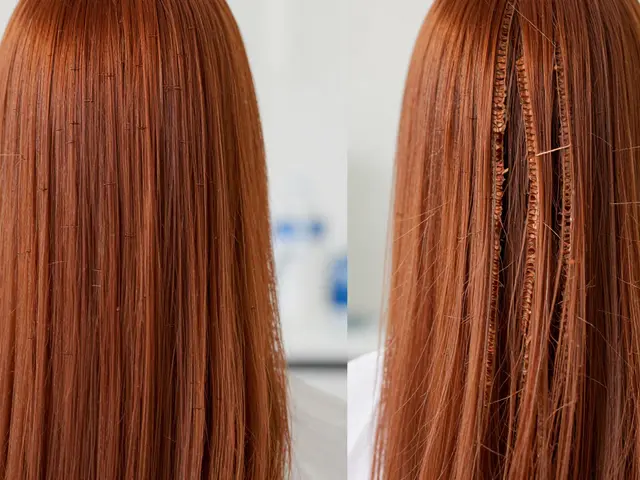

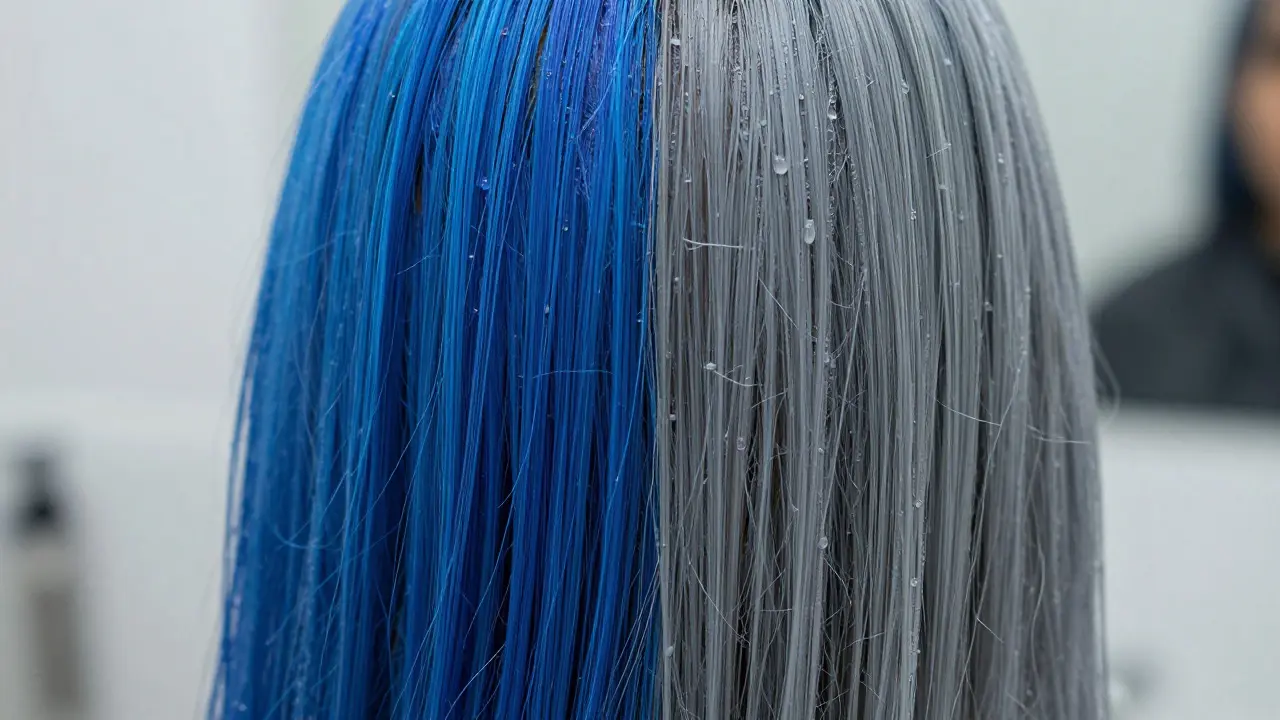
You want to try a bold new look for a weekend event without committing to months of maintenance. Temporary hair color seems like the perfect solution: no ammonia, no peroxide, and it washes out in a day or two. But before you spray your roots with electric blue, it’s worth knowing that "temporary" doesn't mean "risk-free." While these products are structurally gentler on your hair than permanent dyes, they come with their own set of headaches, from unpredictable staining to potential allergic reactions that can ruin your skin as much as your style.
Temporary hair coloring works by depositing large, water-soluble dye molecules onto the surface of your hair shaft. Unlike permanent colors that penetrate deep into the cortex, these dyes sit on top of the cuticle. This mechanism makes them reversible but also creates specific limitations that many users discover only after applying the product. Understanding these downsides helps you decide if the convenience is worth the potential trade-offs.
Key Takeaways
- Temporary hair color lasts only 1-2 shampoo washes, requiring frequent reapplication for sustained effect.
- Allergic reactions to ingredients like paraphenylenediamine (PPD) can occur even in non-oxidative formulas.
- Damaged or porous hair absorbs temporary dye unevenly, leading to patchy results and difficult-to-remove stains.
- Aerosol sprays pose risks of eye irritation and respiratory discomfort for those with asthma or sensitive sinuses.
- The lack of penetration means poor coverage on gray hair or dark bases compared to oxidative dyes.
Why It Fades So Fast: The Durability Problem
The biggest immediate downside of temporary color is its short lifespan. Because the dye molecules are too large to enter the hair shaft, they rely on physical adhesion to the cuticle. This bond is weak. Most dermatologists and hair experts note that temporary colors rinse away completely after just one or two shampoos. If you have a busy schedule or wash your hair daily, maintaining a vivid color becomes a chore rather than a treat.
This short durability contrasts sharply with semi-permanent dyes, which typically last 6-8 washes, or permanent dyes that grow out over weeks. For someone seeking a long-term change, temporary color is often a disappointment. You end up spending more time reapplying the product than actually enjoying the result. Additionally, because the color sits on the surface, it can transfer onto white pillowcases, light-colored clothing, and towels, creating an unexpected mess during the few hours it remains visible.
Allergic Reactions and Skin Irritation
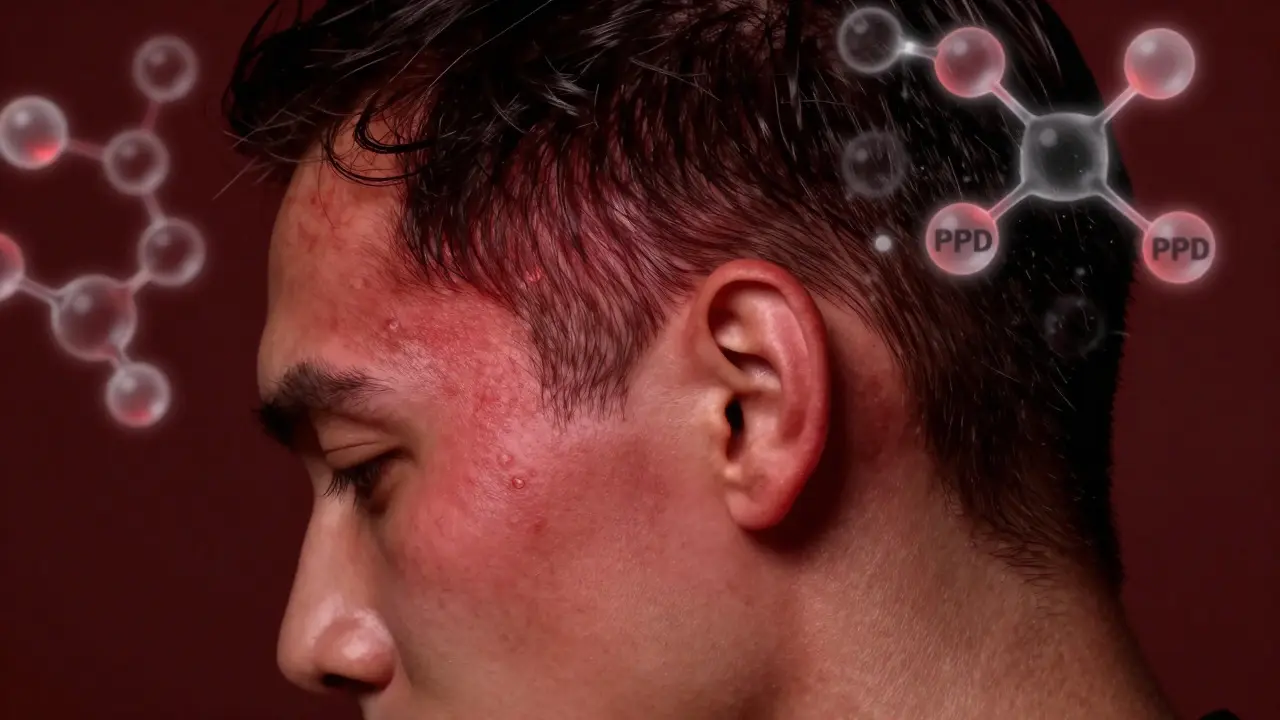
Many people assume that because temporary dyes lack harsh oxidizers like hydrogen peroxide, they are hypoallergenic. This is a dangerous misconception. Formulations often still contain aromatic amines, such as paraphenylenediamine (PPD) or dihydroxybenzene (DHB), which are potent sensitizers. Even a single application can trigger allergic contact dermatitis in susceptible individuals.
Symptoms range from mild itching and redness at the hairline to severe blistering and swelling around the ears and neck. In rare but documented cases, reactions escalate to systemic anaphylaxis. If you have pre-existing conditions like eczema, psoriasis, or dermatitis, your risk increases significantly. The NHS and various dermatology sources emphasize that patch testing is non-negotiable, even for "gentle" temporary sprays. A reaction isn't just a cosmetic issue; it can cause significant pain and require medical intervention to calm the inflammation.
Uneven Results on Damaged Hair
If your hair has been bleached, heat-styled, or chemically treated, it is likely porous. Porous hair acts like a sponge, absorbing dye molecules more aggressively than healthy, intact strands. When you apply temporary color to this type of hair, the result is often patchy. Some sections may appear vibrant while others look faded or muddy.
Worse yet, temporary dyes can stain damaged hair. Because the cuticle is lifted, the pigment gets trapped in the gaps. When you finally wash the color out, you might find lingering orange or yellow tints that are much harder to remove than the original dye. This "staining effect" is a common complaint among users who switch between temporary and permanent colors frequently. It compromises the predictability of the final look, making it difficult to achieve the uniform shade advertised in marketing materials.
Eye, Respiratory, and Systemic Risks
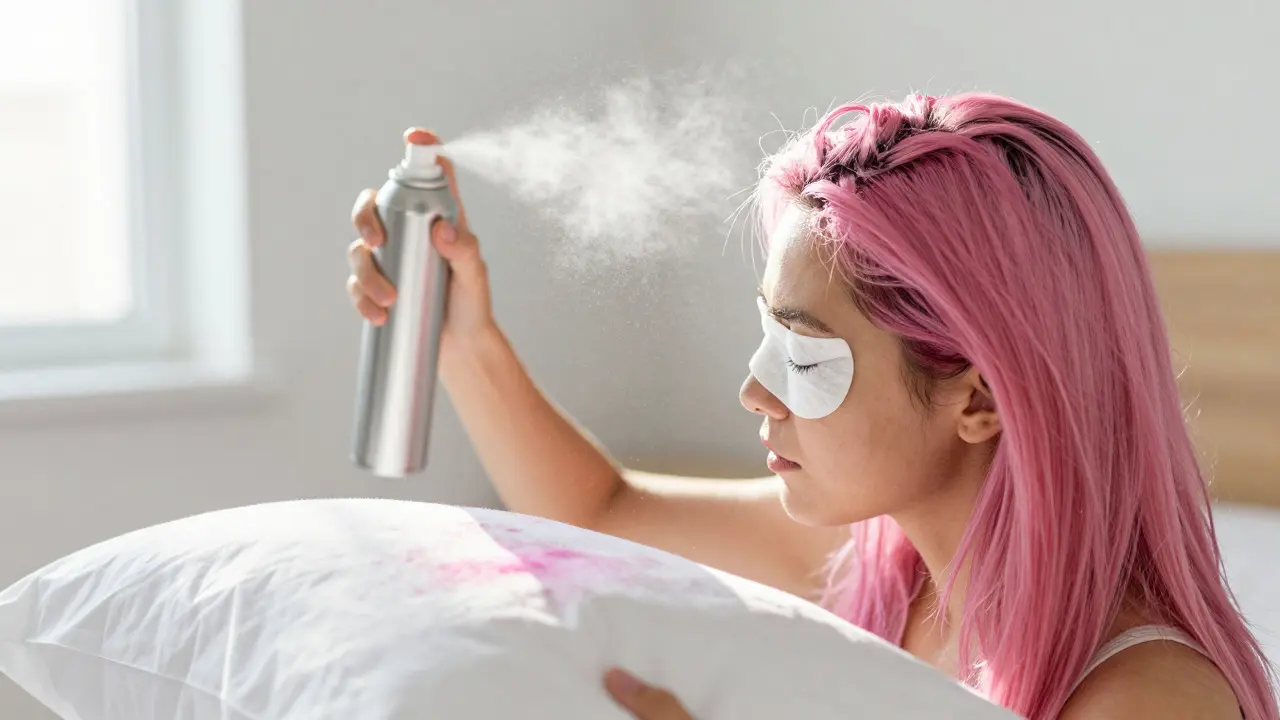
Application method matters. Many temporary colors come in aerosol sprays or foams designed for quick, at-home use. These formats release volatile compounds into the air. For individuals with asthma or chronic lung conditions, inhaling these fumes can trigger coughing fits or breathing difficulties. It’s not just about the smell; it’s about the particulate matter and chemical vapors irritating the respiratory tract.
Eye exposure is another specific disadvantage. Spraying color near the face without proper shielding can lead to conjunctivitis or, in severe cases, corneal irritation. While temporary dyes are generally less toxic than permanent ones if ingested, accidental ingestion by children or pets can still cause nausea, vomiting, and abdominal pain. Poison control centers report that while most minor ingestions resolve with water and observation, the risk remains a practical concern for households with young kids.
Comparing Temporary vs. Other Dye Types
To understand where temporary color fits in the landscape, it helps to compare it directly with other options. The table below highlights the key differences in durability, damage potential, and risk profile.
| Feature | Temporary Color | Semi-Permanent Color | Permanent Color |
|---|---|---|---|
| Duration | 1-2 washes | 4-6 weeks (6-8 washes) | Until regrowth (3+ months) |
| Penetration | Surface only (cuticle) | Cortex (partial) | Cortex (full, oxidative) |
| Chemical Agents | No ammonia/peroxide | Low/no ammonia | Ammonia + Hydrogen Peroxide |
| Structural Damage | Minimal | Moderate | High (protein loss) |
| Allergy Risk (PPD) | Moderate-High (if present) | Moderate | High |
| Gray Coverage | Poor | Fair | Excellent |
As the data shows, temporary color wins on structural safety but loses on performance. If your goal is to cover gray hair effectively, temporary dyes are rarely sufficient. The large molecules simply don't adhere well to the coarse texture of gray strands, resulting in a faint, washed-out appearance that disappears with the first rain shower or swim.
Practical Tips to Minimize Disadvantages
If you still want to experiment with temporary shades, you can mitigate many of these downsides with careful preparation and technique.
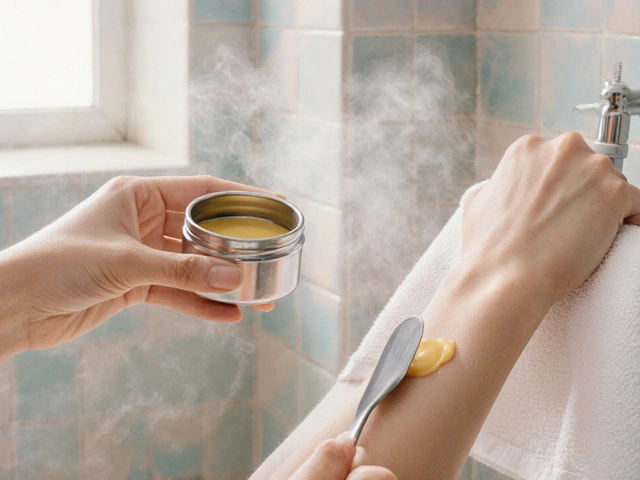
- Patch Test First: Apply a small amount behind your ear 48 hours before full application. Watch for redness, itching, or swelling.
- Protect Your Eyes: Use cotton pads or specialized eye shields when spraying. Keep the nozzle at least 6 inches away from your face.
- Assess Hair Health: Avoid temporary color on freshly bleached or heavily damaged hair. Wait until your hair has recovered some moisture and integrity.
- Use Gloves: Prevent staining on hands and nails, which can be just as stubborn as hair stains.
- Limit Frequency: Don't reapply daily. Give your scalp a break to prevent cumulative irritation from surfactants and alcohols in the formula.
When to Avoid Temporary Color Entirely
There are specific scenarios where temporary hair coloring is a bad idea. If you have a history of severe contact dermatitis from any hair product, skip it. If you are pregnant, consult your doctor, as some ingredients may still be concerning during certain trimesters. And if you need reliable, long-lasting coverage for professional or social commitments, invest in a semi-permanent option instead. The frustration of watching your color fade mid-day is not worth the cost of emergency touch-ups.
Frequently Asked Questions
Is temporary hair dye safer than permanent dye?
Generally, yes, regarding structural hair damage. Temporary dyes do not penetrate the cortex, so they cause less protein loss and dryness. However, they are not necessarily safer regarding allergies, as they can contain the same sensitizing agents like PPD as permanent dyes.
How long does temporary hair color actually last?
Most temporary colors last through 1 to 2 shampoo washes. Factors like humidity, sweat, and swimming can reduce this duration further. It is not designed to last for days without washing.
Can temporary hair dye stain my skin or clothes?
Yes. While the dye is water-soluble, it can temporarily stain skin, towels, and light-colored fabrics. Using gloves and covering shoulders during application helps minimize this risk.
Why does temporary color look different on damaged hair?
Damaged hair is porous, meaning it absorbs dye unevenly. This leads to patchy color distribution and can result in lingering stains that are harder to wash out than on healthy hair.
Do I need to patch test temporary hair color?
Yes. Even though the formula is milder, allergic reactions can occur with any new ingredient. A patch test 48 hours before use is the standard safety recommendation from dermatologists.