

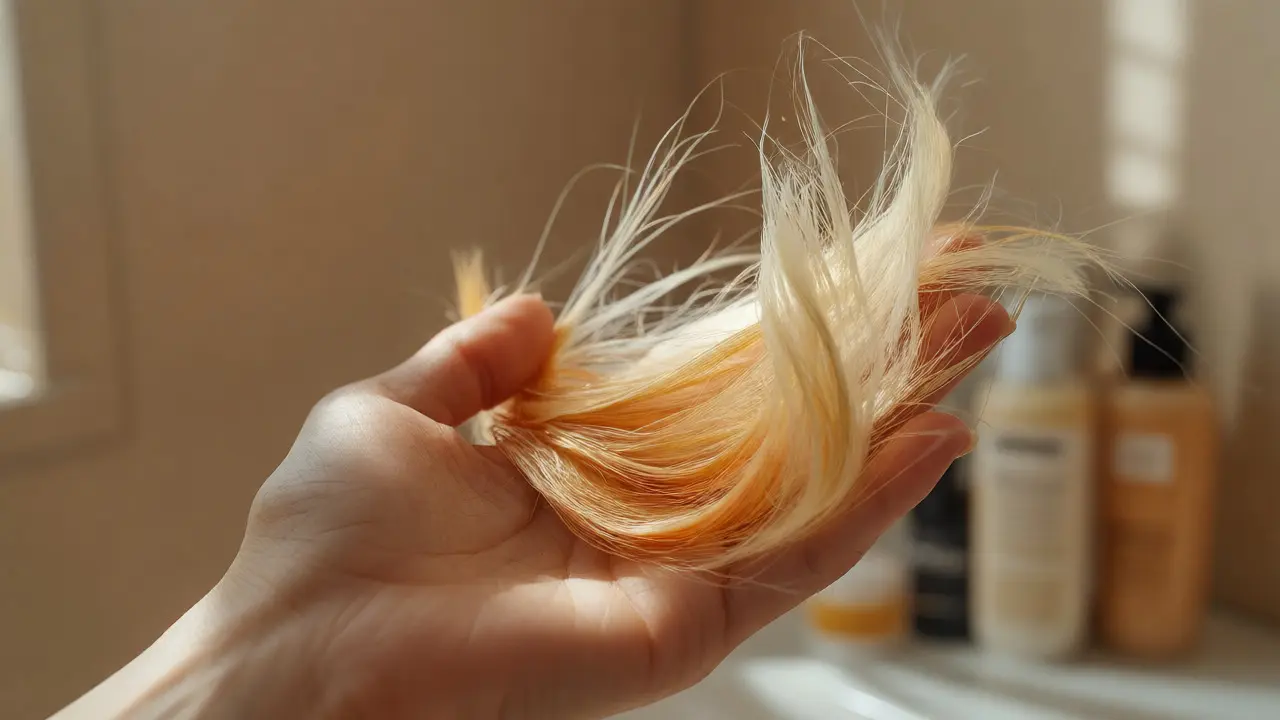
You just bleached your hair. It’s pale yellow, maybe a bit orangey at the roots, and you’re staring at that box of blonde hair dye on your shelf. It seems logical, right? Your hair is blonde-ish, so why not use blonde dye to fix it? You might even think it saves money or time. But here is the hard truth from professional colorists: using blonde hair dye instead of a dedicated hair toner is like using a sledgehammer to hang a picture frame. It works, but you risk breaking the wall in the process.
The short answer is yes, you technically can use certain blonde dyes to tone hair, but it is risky, damaging, and often unpredictable. If your goal is simply to neutralize brassiness (that annoying yellow or orange hue) after bleaching, a true toner is almost always the better choice. Why? Because toners are designed to sit on the surface and deposit pigment gently, while permanent dyes force their way into the hair shaft, causing structural changes that already compromised bleached hair really doesn’t need. Let’s break down exactly why this swap happens, what goes wrong, and how to actually fix your shade without frying your strands.
The Real Difference Between Toner and Dye
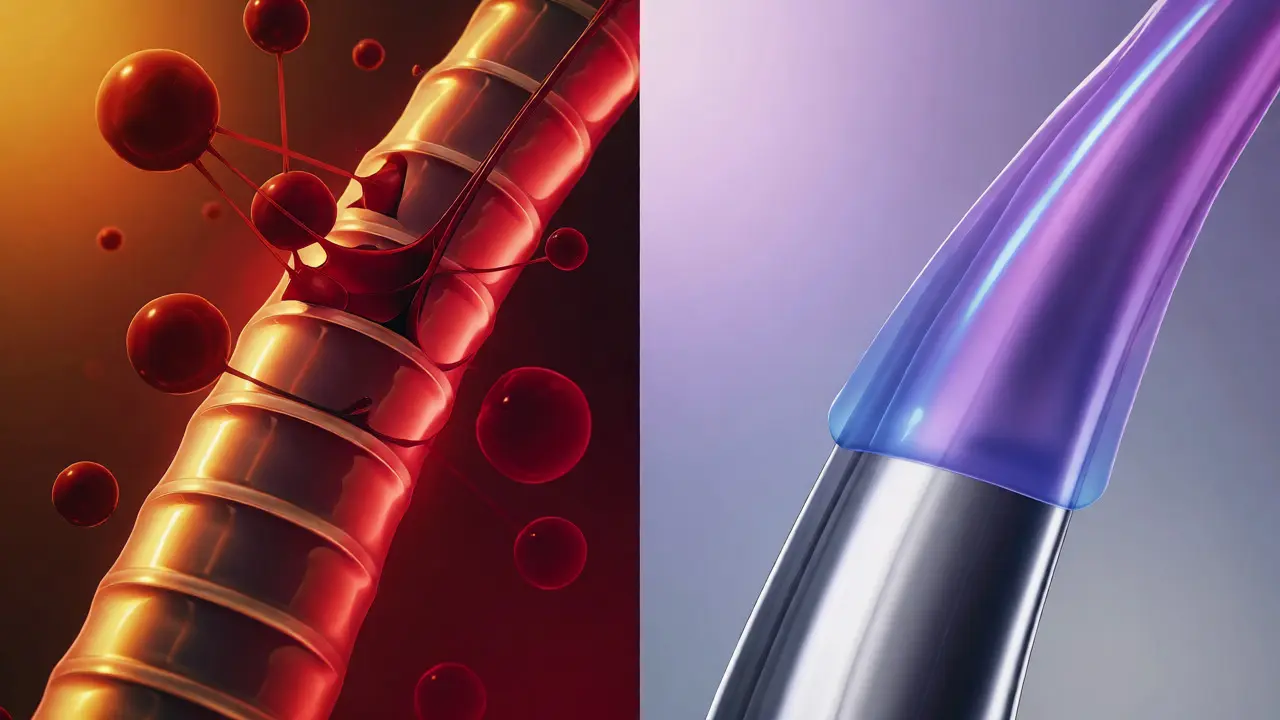
To understand why swapping them is tricky, you have to look at what they actually do to your hair structure. Hair dye, specifically permanent blonde dye, uses chemicals like ammonia and hydrogen peroxide to open up the cuticle-the outer layer of your hair strand. Once open, it deposits pigment deep into the cortex and often lifts natural melanin out. This is a permanent change. The hair is physically altered. Think of it like staining wood; the color becomes part of the material.
Toner, on the other hand, is usually semi-permanent or demi-permanent. It doesn’t lift color. It only deposits it. Most toners use low-volume developers (like 10 volume) or no developer at all if they are direct dyes. They coat the outside of the hair shaft. Using our wood analogy, toner is more like painting over the wood. It sits on top. Because it doesn’t force the cuticle open as aggressively, it causes far less damage. For hair that has just been bleached, which is essentially stripped and porous, adding more oxidative stress from permanent dye can lead to breakage, dryness, and that dreaded "fried" feeling.
| Feature | Hair Toner | Permanent Blonde Dye |
|---|---|---|
| Purpose | Neutralize unwanted tones (yellow/orange) | Change base level or cover gray |
| Damage Level | Low to Moderate | High |
| Longevity | 4-8 weeks (fades gradually) | Months (until grown out) |
| Application | Surface deposit | Penetrates cortex |
| Risk on Bleached Hair | Low | High (breakage/darkening) |
Why Blonde Dye Often Fails as a Toner
Color theory is the main reason people get burned by this swap. When you bleach hair, you expose underlying warm pigments-yellow and orange. To cancel these out, you need opposite colors on the color wheel: purple cancels yellow, and blue cancels orange. Dedicated toners are formulated with high concentrations of these corrective pigments specifically for this purpose.
Blonde hair dyes, however, are formulated to create a standalone blonde shade from scratch. They contain a mix of cool and warm pigments to achieve a balanced result on natural hair. If you apply a standard "Light Golden Blonde" dye to your brassy, pre-lightened hair, you aren’t just adding purple; you’re adding a whole cocktail of pigments. Many consumer blonde dyes still contain enough warm gold or beige tones to make your hair look muddy or darker than intended. Worse, because permanent dye penetrates deeply, if you misjudge the level, you can’t easily wash it out. You’re stuck with it until it grows out or gets corrected by a professional.
There is also the issue of porosity. Bleached hair is highly porous, meaning it drinks up color quickly and unevenly. Permanent dye can grab too fast in some spots, leading to patchy, dark patches while other areas remain brassy. Toners, being gentler and often used with lower processing times, allow for more control and easier correction if things go slightly sideways.
When You Might Actually Use Dye Instead
Is there ever a good time to use dye instead of toner? Yes, but it requires caution. If your hair is significantly lighter than your desired end result-for example, you are platinum white but want a sandy beige-you might use a very light, ash-based permanent dye. In this case, you are intentionally changing the base level, not just neutralizing tone. Some advanced users dilute permanent dye with conditioner or extra developer to create a "gloss," mimicking a toner’s effect. This reduces the chemical strength and allows for a softer deposit.
Another scenario is gray coverage. If you have blonde highlights but significant gray roots, toner won’t cover the grays effectively because it doesn’t penetrate deeply enough. Here, a permanent blonde dye applied primarily to the roots might be necessary, followed by a toner on the lengths to blend the tones. But remember: applying permanent dye to the entire head when you only need root coverage is a recipe for unnecessary damage on the ends.
How to Tone Correctly Without the Risk
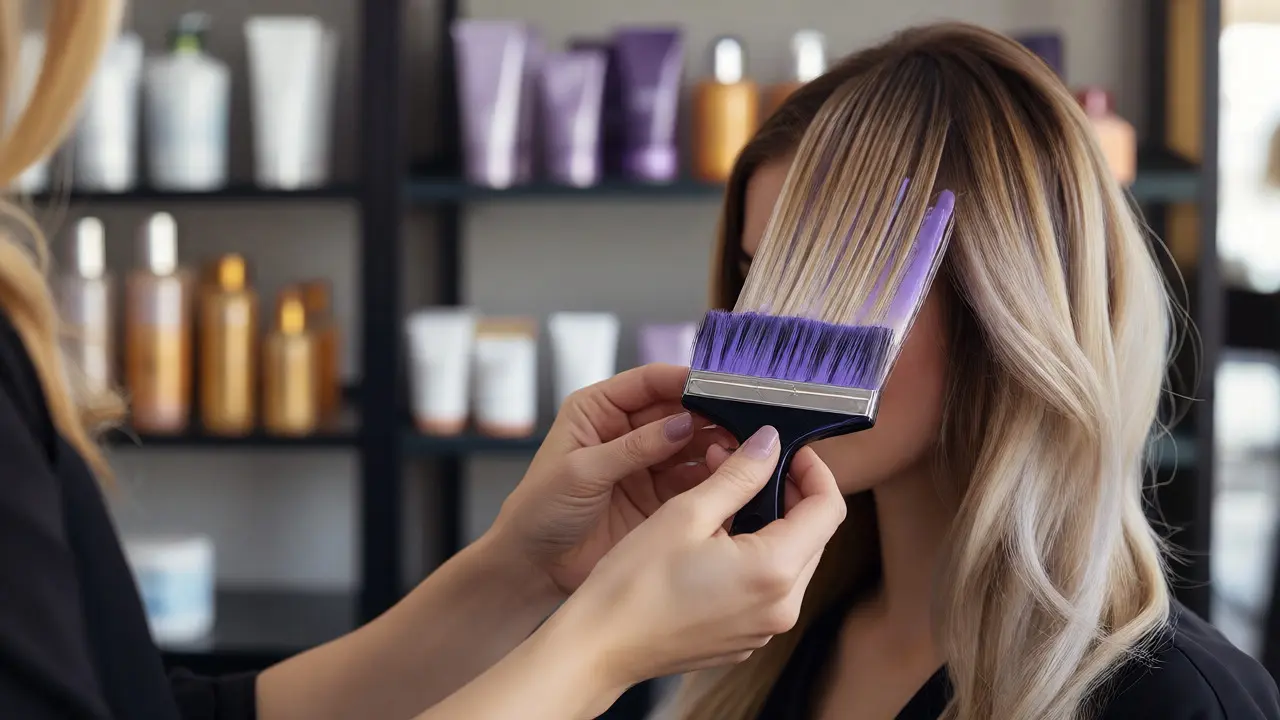
If you are determined to DIY your toning, skip the box dye aisle and look for dedicated toning products. Brands like Wella Color Charm, Redken Shades EQ, or L’Oréal Paris Purple Shampoo treatments are designed for this job. Here is the step-by-step approach that minimizes risk:
- Identify your undertone: Look closely at your wet hair. Is it yellow? Go for a violet-based toner. Is it orange? You need a blue-based formula. Mixed? A violet-blue mix works best.
- Choose the right level: Do not pick a toner darker than your current hair level. If your hair is a level 9 (very light blonde), stick to a level 9 or 10 toner. Going darker increases the chance of it looking muddy.
- Mix correctly: Follow the brand’s instructions. Usually, it’s 1 part toner to 2 parts developer (10 volume). Never guess the ratio.
- Watch the clock: Set a timer. Most toners process in 10-20 minutes. Check it every few minutes. Porous hair grabs color fast. Over-processing leads to dull, grayish, or overly cool results.
- Rinse with cool water: Hot water opens the cuticle further and lets the toner wash out faster. Cool water seals it in.
If you absolutely must use a permanent blonde dye as a toner substitute, choose an "Ash" or "Pearl" shade with no golden or beige descriptors. Mix it with a high-ratio of developer (or conditioner) to dilute its potency, and leave it on for half the recommended time-usually 5-10 minutes max. Rinse immediately once the desired tone appears. Do not wait for the full 30-45 minutes typical for permanent application.
Troubleshooting Common Mistakes
What if you already made the mistake? If you used blonde dye and your hair turned out too dark, don’t panic. You can try a clarifying shampoo with vitamin C powder to fade the artificial pigment slightly. If it looks greenish, you likely deposited too much blue/ash pigment on yellow hair; a warm-toned gloss or shampoo can help balance it out. If your hair feels brittle, switch to bond-building treatments like Olaplex No. 3 or K18 Masque to restore strength before attempting any more color services.
Remember, maintenance is key. Even with the correct toner, blonde hair fades. Use sulfate-free shampoos to extend the life of your tone. Purple shampoo is great for maintenance between appointments, but don’t use it daily unless your hair is extremely yellow, as it can build up and cause dullness.
Frequently Asked Questions
Can I use permanent blonde dye on freshly bleached hair?
You can, but it is not recommended for simple toning. Freshly bleached hair is highly porous and fragile. Permanent dye adds oxidative stress that can cause breakage. If you must, use a diluted mixture and monitor it closely, but a demi-permanent toner is safer.
Will blonde dye cover gray hair better than toner?
Yes. Toner does not cover gray hair effectively because it only deposits color on the surface. Permanent blonde dye penetrates the hair shaft and can cover gray, though you may need a specific shade formulated for gray coverage.
How long does blonde dye last compared to toner?
Permanent blonde dye lasts until it grows out, typically several months. Toner fades gradually over 4-8 weeks depending on washing frequency and hair porosity. This makes toner ideal for experimenting with shades without long-term commitment.
What happens if I use the wrong shade of dye as a toner?
If the dye is too warm, your hair will look brassy or orange. If it is too cool or dark, it may appear muddy, gray, or greenish. Because permanent dye penetrates deeply, correcting these mistakes often requires another chemical service, which increases damage.
Is purple shampoo the same as toner?
No. Purple shampoo is a cleansing product with mild violet pigments meant for maintenance. It cannot neutralize strong brassiness or change the hair level. Toner is a chemical treatment that actively deposits pigment to correct tone.
Brannen Hall
September 15, 2026 AT 04:56Technically you can do whatever you want but it's stupid to use permanent dye on bleached hair unless you're trying to destroy it.
The article says "risky" which is an understatement. It's basically asking for breakage. If you have money for Olaplex you probably don't need this advice.
Brenna Gonedrman
September 16, 2026 AT 18:06OH MY GOD YES THIS IS SO IMPORTANT!! I learned this the HARD way and my hair was literally falling out in clumps because I thought a box dye would just "tone" it down like magic ✨
It does NOT work like that! The cuticle gets all messed up and then your hair feels like straw forever 😭 Please listen to the colorists they know best!!! Don't be me!!
Quintin Franzese
September 17, 2026 AT 03:47Or hear me out... just go to a salon? Revolutionary concept, I know.
tiffany King
September 17, 2026 AT 16:12This is such a helpful breakdown! I always felt confused about why my toner faded so fast compared to when I used dye, but now it makes total sense that one sits on top and the other penetrates deep. Really appreciate the tip about checking the undertone before buying anything, saved me from making another mistake already!
Elisabeth Ballet
September 18, 2026 AT 00:42Listen up everyone, stop treating your hair like a science experiment if you aren't willing to accept the results!
You need to understand that bleached hair is compromised hair. When you throw permanent dye at it, you are forcing open a door that has been kicked in. You will lose integrity. Period.
Use the right tool for the job. Toner for tone. Dye for level. Do not mix them up just because you want to save ten dollars. Your future self will thank you for the investment in proper products and patience. Go get the Wella or Redken stuff mentioned here and stop guessing!
Zach Loescher
September 19, 2026 AT 12:01I wonder if there is a middle ground with some of the newer bond-building dyes? They claim less damage but still seem to penetrate more than a standard gloss. Maybe worth testing on a strand first?
Courtney Wagstaff
September 20, 2026 AT 07:37yeah honestly the porosity thing is the real kicker here. bleached hair drinks up that permanent dye like a sponge in a desert. you think you're getting a nice ash blonde but suddenly you've got green roots and orange tips and you're crying in the bathroom mirror. toner is way more forgiving bc it washes out eventually whereas permanent dye is basically a marriage commitment you didn't sign up for. keep it chill and stick to the demi-perm stuff unless you really need root coverage.
alex kobri
September 20, 2026 AT 12:49we often confuse convenience with correctness
the sledgehammer analogy holds weight though. we try to fix surface issues with structural changes. it creates a cycle of damage repair damage. maybe the question isn't can we swap them but should we ever have to rely on harsh chemicals to correct a previous chemical process
Susan Cole
September 21, 2026 AT 10:18I usually just stick to purple shampoo and leave it alone. Less stress.