
You’ve spent hours in the salon chair. The braids are tight, the tracks are sewn down with precision, and you’re walking out feeling like a million bucks. But three months later, when you finally take them out, there’s a bald spot at your temple or a noticeable gap where your edges used to be thick. You panic. Did the weave cause this? Or was it something else?
Here is the short answer: Weaves and hair extensions do not inherently cause hair thinning. However, the way they are installed, maintained, and removed can absolutely lead to temporary or permanent hair loss. It’s rarely the hair itself that is the problem; it’s the tension, the weight, and the neglect of the scalp underneath.
The Mechanics of Traction Alopecia
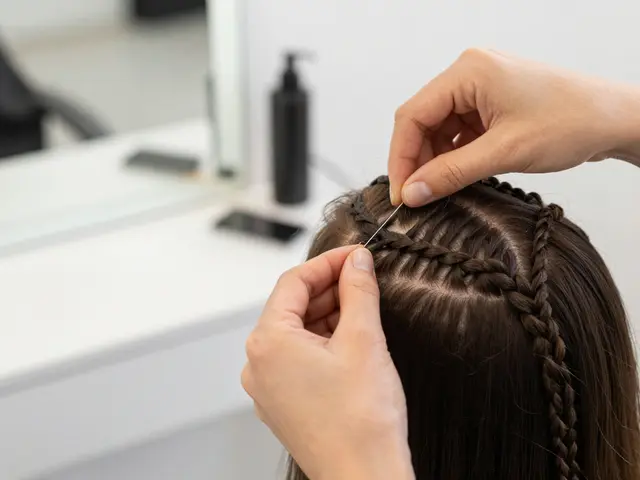
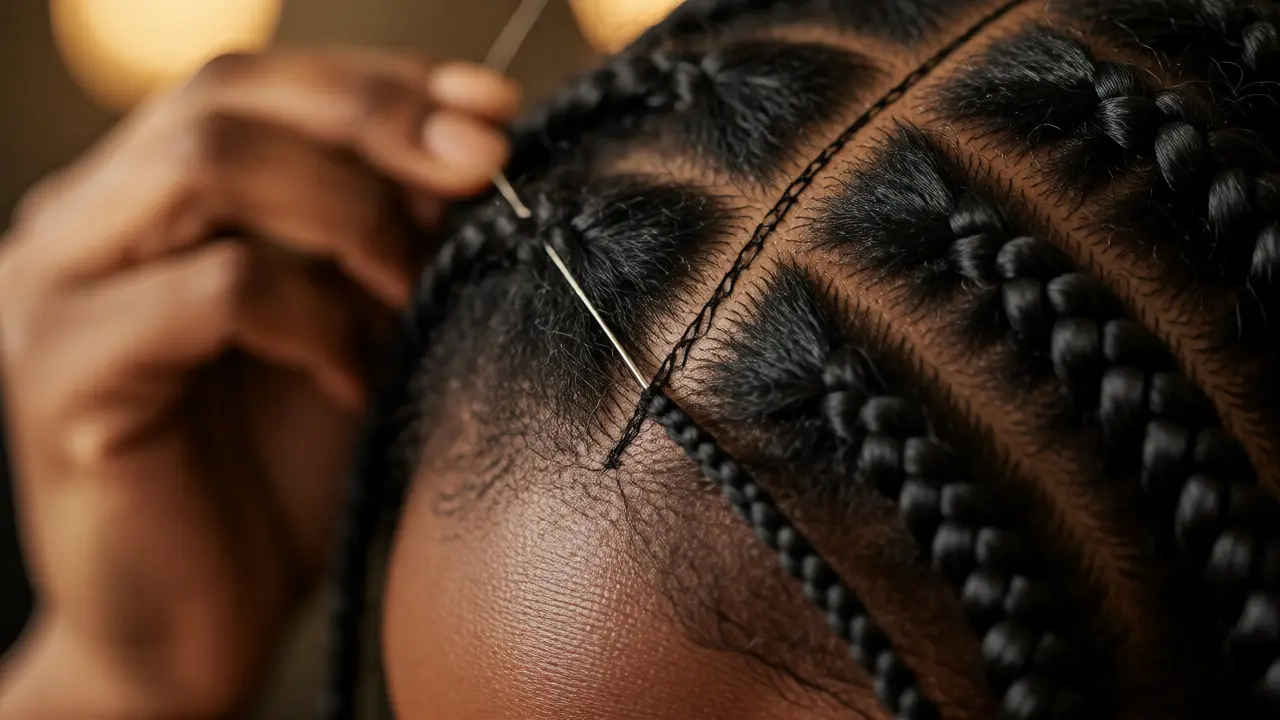
To understand why hair falls out under extensions, you have to look at Traction Alopecia, which is a form of gradual hair loss caused by prolonged pulling force on the hair follicles. Think of your hair follicle as a plant rooted in soil. If you constantly yank the stem, eventually the roots loosen. When you install weaves, especially if the braids (cornrows) are pulled too tight against the scalp, you create constant tension. This tension restricts blood flow to the follicle and causes inflammation.
Your scalp sends signals when it’s unhappy. Pain during installation is not a badge of honor; it’s a warning light on the dashboard. If your head hurts for more than two days after installation, the tension is likely damaging the follicles. Over time, this chronic stress shrinks the follicle until it stops producing hair entirely. In early stages, this is reversible. In late stages, scarring occurs, and the hair may never grow back.
Weight Matters More Than You Think
Not all hair is created equal. Synthetic hair tends to be lighter but can feel scratchy. Human hair bundles vary wildly in weight depending on density and length. A 20-inch bundle of Brazilian body wave hair weighs significantly more than a 14-inch bundle of silky straight hair. Your natural hair has a tensile strength limit. If you attach heavy extensions to fine or fragile strands, the weight pulls directly on the root.
This is particularly dangerous for those with low-density hair. If you have fewer hairs per square inch, each individual strand bears more load. Adding 300 grams of extension hair to a scalp that already struggles to support its own weight is a recipe for breakage. The hair doesn’t just fall out from the root; it snaps off mid-shaft because the cuticle can’t handle the friction and weight.
| Factor | Low Risk | High Risk |
|---|---|---|
| Braid Tension | Snug but comfortable; no pain | Tight enough to cause headaches |
| Installation Duration | 6-8 weeks maximum | 3+ months without maintenance |
| Extension Weight | Lightweight synthetic or thin human hair | Heavy, dense, long human hair bundles |
| Scalp Hygiene | Regular washing and moisturizing | Neglected, product buildup, itching |
The Neglect Trap: Hygiene Under the Weave
One of the biggest myths about protective styling is that you don’t need to wash your hair. Wrong. Your scalp continues to produce sebum (oil), sweat, and shed dead skin cells even when covered by tracks. If you go three months without washing, that buildup creates a breeding ground for bacteria and fungi.
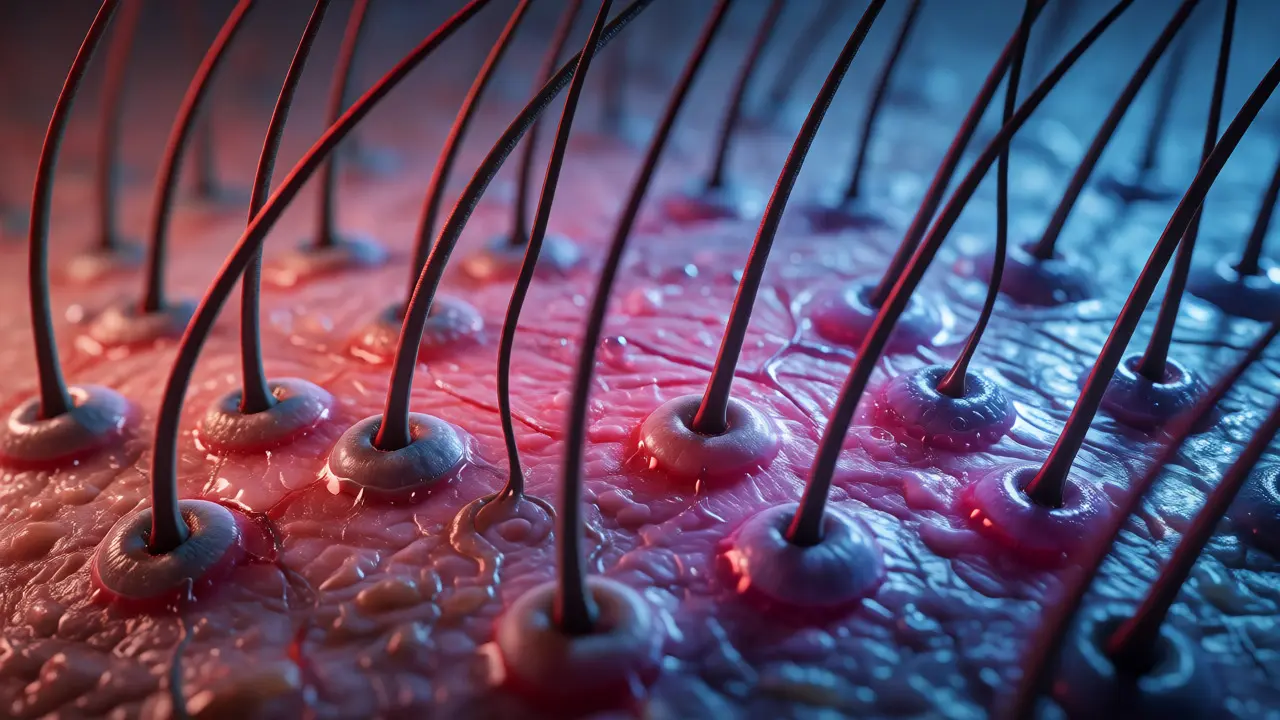
Itching is common, but severe itching combined with redness or flaking often indicates dermatitis or fungal infection. When the scalp environment becomes inflamed, hair growth slows down. Furthermore, many people use heavy oils or greases to stop the itch. These products clog pores and trap dirt, further suffocating the follicle. If you notice a bad smell or excessive shedding when you finally comb through your natural hair after removal, it’s likely due to hygiene issues rather than the weave itself.
Removal Techniques: Where Most Damage Happens
Installation gets all the blame, but removal is often the culprit. Cutting the thread of a sew-in weave requires precision. If you snip too close to the braid, you might accidentally cut your natural hair. Many people rush this process, using scissors blindly or pulling tracks out roughly.
For glue-in extensions, the risk is higher. Adhesives bond strongly to the hair shaft. Removing them requires specific solvents. Using acetone-based removers incorrectly can dry out and brittle your natural hair, leading to snap-off breakage. Never pull glued extensions off by hand. You must dissolve the bond first. If you hear snapping sounds during removal, you are breaking your hair, not just releasing the extension.
Signs Your Scalp Needs a Break
How do you know if your current style is hurting you? Watch for these signs:
- Persistent Tenderness: Pain lasting more than 48 hours post-installation.
- Red Bumps: Folliculitis appears as small, red, pimple-like bumps along the part lines.
- Excessive Shedding: Finding large clumps of hair in the shower drain immediately after removal.
- Thinning Edges: Visible gaps at the temples or nape area.
- Dry, Brittle Ends: Natural hair feels like straw and breaks easily when combed.
If you experience any of these, take the extensions out immediately. Do not wait for your next appointment. Your hair needs oxygen and rest.

Best Practices for Healthy Wear
You don’t have to give up weaves forever. You just need to change how you wear them. Here is a practical checklist to keep your hair thick while looking fabulous:
- Communicate with Your Stylist: Tell them explicitly if the braids hurt. Ask for looser braids near the edges. A good stylist will adjust without making you feel difficult.
- Limit Wear Time: Keep sew-ins on for no more than 6 to 8 weeks. Beyond this point, new growth causes matting and tangling, which leads to breakage during takedown.
- Wash Regularly: Use a diluted shampoo in a nozzle bottle to clean the scalp every 2-3 weeks. Focus on the scalp, not the ends. Condition lightly to avoid buildup.
- Maintain Moisture: Apply lightweight leave-in conditioners or water-based sprays to the exposed parts of your natural hair. Avoid heavy petrolatum-based products that block pores.
- Rest Periods: After removing a weave, let your hair breathe for at least one to two weeks before installing another style. This allows the follicles to recover from tension.
Alternatives That Reduce Stress
If you find that traditional sew-ins consistently cause thinning, consider alternatives that distribute weight differently or reduce tension points.
Clip-in Extensions are temporary hair pieces attached via clips that require no chemical bonds or tight braiding. Because you remove them daily, your scalp rests every night. The downside is they aren’t suitable for swimming or windy weather, but they are excellent for occasional wear.
Tape-in Extensions use medical-grade adhesive tape to sandwich sections of hair. They lay flat and distribute weight across multiple strands rather than concentrating it on one braid. However, they still require professional removal and can cause slippage if applied too close to the scalp.
For those with very fragile hair, Halo Extensions sit around the head like a crown, resting on the neck and shoulders. They involve zero attachment to your natural hair, meaning zero traction. The trade-off is security; they can shift if you move vigorously.
Recovering from Thinning
If you’ve already experienced thinning, don’t despair. Most cases of traction alopecia are reversible if caught early. Stop wearing tight styles for at least three to six months. Massage your scalp daily with rosemary oil or peppermint oil to stimulate blood flow. Studies suggest rosemary oil performs similarly to minoxidil in promoting hair growth over six months, without the harsh chemicals.
Keep your diet rich in protein, iron, and biotin. Hair is made of keratin, a protein, so adequate intake is crucial. Be patient. Hair grows half an inch per month on average. Seeing regrowth takes time, but consistent care yields results.
Can I reverse traction alopecia?
Yes, if caught early. Once the follicle is scarred, reversal is difficult. Early-stage thinning usually recovers within 6-12 months of avoiding tight styles and maintaining scalp health.
How often should I wash my weave?
Every 2 to 3 weeks. Waiting longer allows product buildup and sweat to irritate the scalp, leading to itching and potential infection.
Are synthetic weaves better than human hair for thinning?
Synthetic hair is generally lighter, which reduces tension on the roots. However, it lacks breathability and can cause sweating. Human hair is heavier but looks more natural. The key factor is weight management, not material type.
Why does my head hurt after getting a weave?
Headaches indicate excessive tension on the scalp nerves and muscles. It suggests the braids are too tight, increasing the risk of traction alopecia. Ask your stylist to loosen them immediately.
Should I take a break between weaves?
Absolutely. Allow at least 1-2 weeks of loose, natural hair between installations to let the scalp breathe and recover from mechanical stress.