

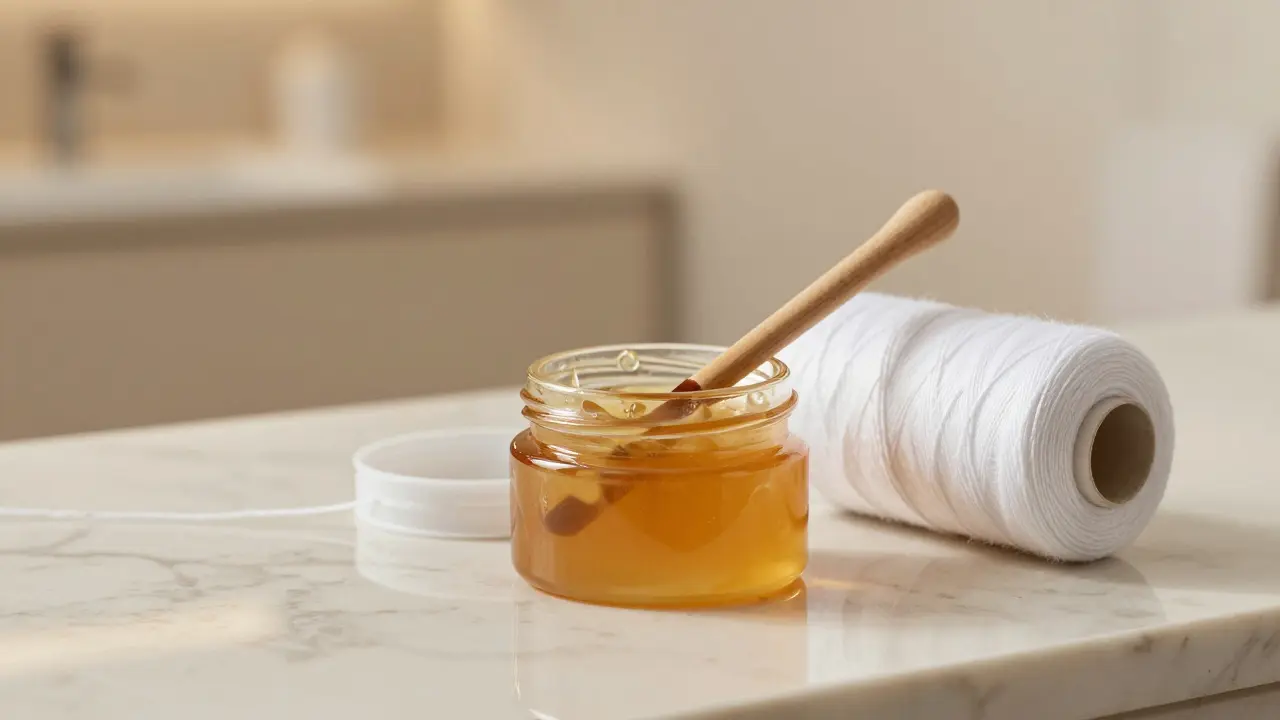
If you're standing in the bathroom staring at your brow line wondering which method keeps you hair-free the longest, here is the quick truth: Waxing typically holds out 3 to 6 weeks, while threading usually fades after 2 to 4 weeks. Both methods pull hair from the root, but waxing grabs more stubborn, thicker strands effectively, making the skin stay smooth for a longer stretch. If you want fewer appointments and less maintenance between sessions, waxing is the clear winner for longevity.
However, choosing between Waxing and Threading isn't just about time. It's about pain tolerance, skin sensitivity, and the shape you want to achieve. On sensitive areas like the upper lip or delicate brow bone, texture matters just as much as duration. One pulls faster; the other offers more precision. Let's break down exactly how they perform over months of use so you can decide which one fits your routine.
The Science Behind Hair Regrowth Time
Why do some methods make hair vanish longer than others? It comes down to how much of the follicle you actually damage during the process. When we talk about Hair Removal, we aren't just talking about cutting the visible strand. Cutting happens with scissors or trimmers, and those result grow back in days because the root remains untouched.
Both waxing and threading disrupt the root, but waxing applies heat and tensile stress simultaneously. The heat softens the skin slightly, allowing the adhesive to bond deeply to the keratin sheath of the hair. When you rip the strip away, the resistance required to uproot the hair is significant. This trauma forces the follicle into a resting phase known as telogen for a longer period. In practice, this means a client who gets waxed consistently every four weeks will see their hair come in finer and slower over six months.
Threading relies entirely on mechanical friction. A cotton thread loops around the hair shaft and rolls rapidly across the skin. It catches multiple hairs and snaps them off at the base. While effective, the tension is distributed differently than wax. Threading sometimes misses hairs that have grown deep below the surface level or those that are extremely coarse. Because the grip isn't chemical (no wax bonding), the "snag" isn't always complete. That incomplete extraction often leaves a tiny stub hidden under the surface, leading to visible regrowth sooner, sometimes in as little as 10 days for fast growers.
How Facial Skin Reacts to Each Method
Your face isn't the same as your legs. Facial skin is thinner and has a higher density of nerve endings. This makes the reaction to removal crucial. Waxing involves applying a substance-either hot hard wax or warm soft wax-to the area. For the face, hard wax is almost always recommended because it shrinks onto the hair rather than sticking to the skin. Even then, the warmth can cause temporary capillary dilation, leading to redness.
Hard Wax, often called stripless wax, is preferred for eyebrows because it adheres only to the hair. This reduces surface irritation compared to soft strips, which grab the top layer of dead skin cells along with the hair. Threading doesn't introduce foreign chemicals or high heat to the skin. It uses a dry cotton loop. If you have extreme sensitivity to adhesives or active acne, threading is chemically inert. You won't get a burn or a rash from the wax ingredients themselves.
Consider the timeline of recovery. After waxing, expect mild redness for the first hour or so. It feels like a sunburn. Threading creates a pinprick sensation that subsides quickly, sometimes within minutes. If you plan to apply makeup immediately after, threading allows that luxury more reliably. With waxing, waiting an hour is safer to prevent clogging pores with foundation while inflammation peaks.
Is Home Waxing Better Than Professional Services?
This is where things get interesting for those watching their budget. Many people consider buying an Eyebrow Waxing Kit instead of booking monthly salon appointments. Let's look at the numbers. A professional brow wax costs anywhere from $25 to $50 per session depending on your city. Over a year, that is $300 to $600.
A quality home kit costs between $30 and $60 upfront. If you wax once a month, you save roughly $250 annually by doing it yourself. However, there is a catch. Precision is key with brows. A bad home job can mean patchy lines or accidentally removing too much center hair. Professional estheticians understand brow mapping-the alignment of brows to your eye socket and nose bridge. They can sculpt a shape that complements your features, whereas home application is often limited to cleanup.
Using a Soft Wax strip at home carries risk. If you reuse a strip, bacteria spreads. If you apply it against the grain incorrectly, you cause bruising. Most home kits come with pre-warmed sticks or microwavable tins. These temperature controls are harder to manage than a salon machine. If you stick with home waxing, invest in hard wax beads heated in a warmer, rather than cold gel products, for the most salon-like results.
Pain Levels and Tolerance
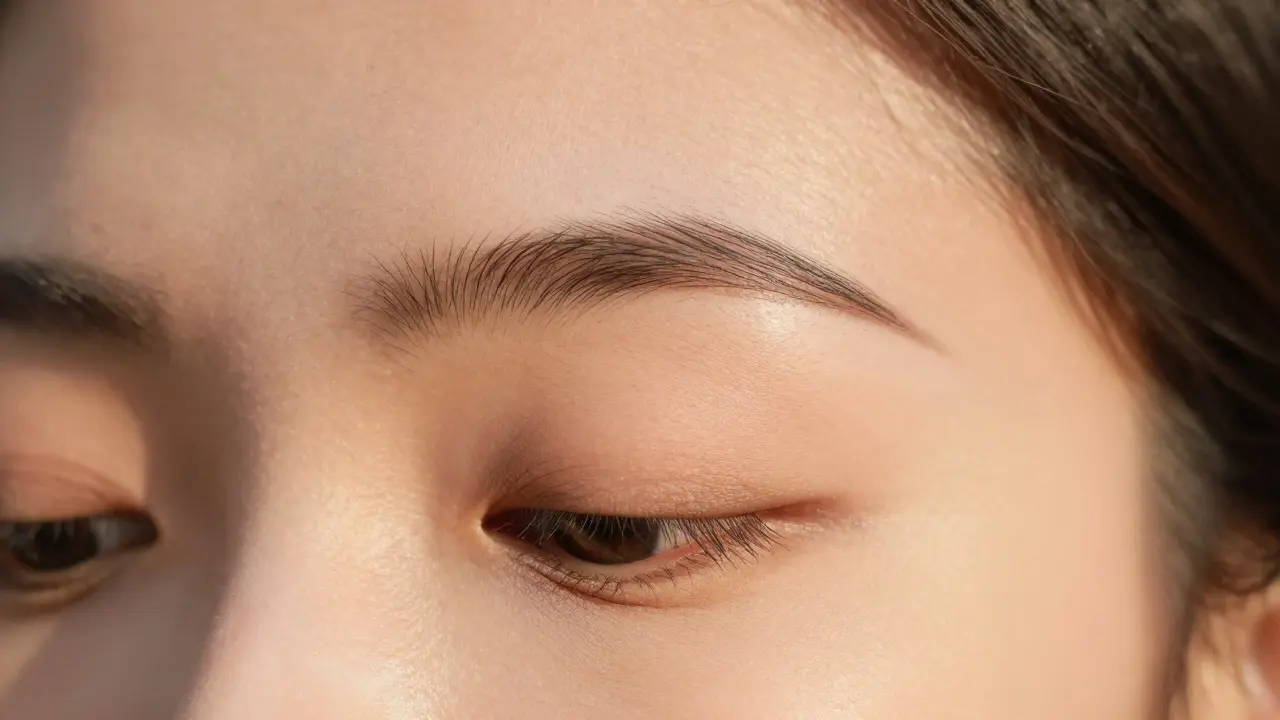
We cannot ignore the discomfort factor when comparing longevity to usability. Some users avoid threading solely because the sensation is described as "pulling" rather than "ripping." Others hate wax because it feels hotter than anticipated. Studies suggest that repeated stimulation of the hair follicles lowers sensitivity over time. A first-time waxer screams; a sixth-timer barely flinches.
Threading is sharp. It feels like being flicked rapidly with an elastic band. The sound alone-a series of rapid pops-can add to the anxiety. Waxing is a single, sustained tear. You breathe in, the therapist rips, you breathe out. For many, the brief nature of the tearing makes it easier to brace for. Threading lasts longer in terms of time spent under treatment. A threading session takes 15 minutes because the technician threads individually. Waxing takes five minutes for the whole set of brows because large strips cover multiple zones.
If you have a low pain threshold, take an ibuprofen 30 minutes before your appointment for either method. Do not drink caffeine beforehand; it heightens sensitivity. Regardless of the method, timing matters. Avoid scheduling treatments right before ovulation, when hormones peak and pain receptors are more reactive.
Risk of Ingrown Hairs and Folliculitis
A major reason hair removal fails isn't that it stops working, but that the hair grows inward. This causes painful bumps, pustules, and discoloration. Both waxing and threading carry this risk. When a hair is pulled aggressively, the follicle channel can collapse or scar slightly. The new hair grows but cannot exit the pore cleanly.
Threading breaks the hair near the root. This blunt end makes re-entry into the skin slightly more likely compared to a clean pull. Waxing tends to remove more of the hair structure, leaving less chance of snapping mid-shaft. However, if the skin barrier is damaged by excessive waxing (peeling the epidermis), healing slows, and ingrowns become more frequent. To mitigate this, exfoliation is non-negotiable.
Use a gentle chemical exfoliant containing salicylic acid or glycolic acid two days after removal. Do not scrub immediately; let the skin seal. Exfoliating weekly helps push the emerging hair out before it curls back in. If you are prone to dark spots (hyperpigmentation), threading is safer because it minimizes melanin disruption in the surrounding skin, preventing post-inflammatory marks.
Comparison Table: Waxing vs Throwing Stats
| Feature | Waxing | Threading |
|---|---|---|
| Average Longevity | 3-6 Weeks | 2-4 Weeks |
| Cost (Salon) | $25-$50 | $15-$35 |
| Skin Damage Risk | Higher (Heat/Burn) | Lower (Dry/Chemical Free) |
| Regrowth Texture | Becomes Finer | Same Thickness |
| Speed | Very Fast (Minutes) | Slower (15 Mins) |
| Ideal For | Larger Areas/Lips | Fine Lines/Shaping |
Maintaining Results Over Time
Once you've chosen a method, consistency changes the game. If you alternate randomly between shaving, waxing, and threading, your body never settles into a rhythm. The hair growth cycle becomes chaotic. Roots wake up early or late. Stick to a schedule based on your chosen method. If you picked waxing, mark your calendar for every 3.5 weeks. If you pick threading, go every 2.5 weeks.
Hydration plays a role too. Skin that is well-moisturized peels less during removal. Dry skin increases resistance, meaning you have to pull harder, increasing trauma and potential ingrowns. Apply oil-free moisturizers daily. On the day of the appointment, skip the lotion. Clean, dry skin ensures the wax adheres perfectly or the thread catches cleanly.
Finally, watch the seasonality. Your hair naturally grows slower in winter and faster in summer due to light exposure. Adjust your frequency accordingly. You might extend a waxing gap in January from 4 weeks to 5 weeks, while squeezing 3 weeks in July to maintain smoothness.
When to Choose Laser Instead
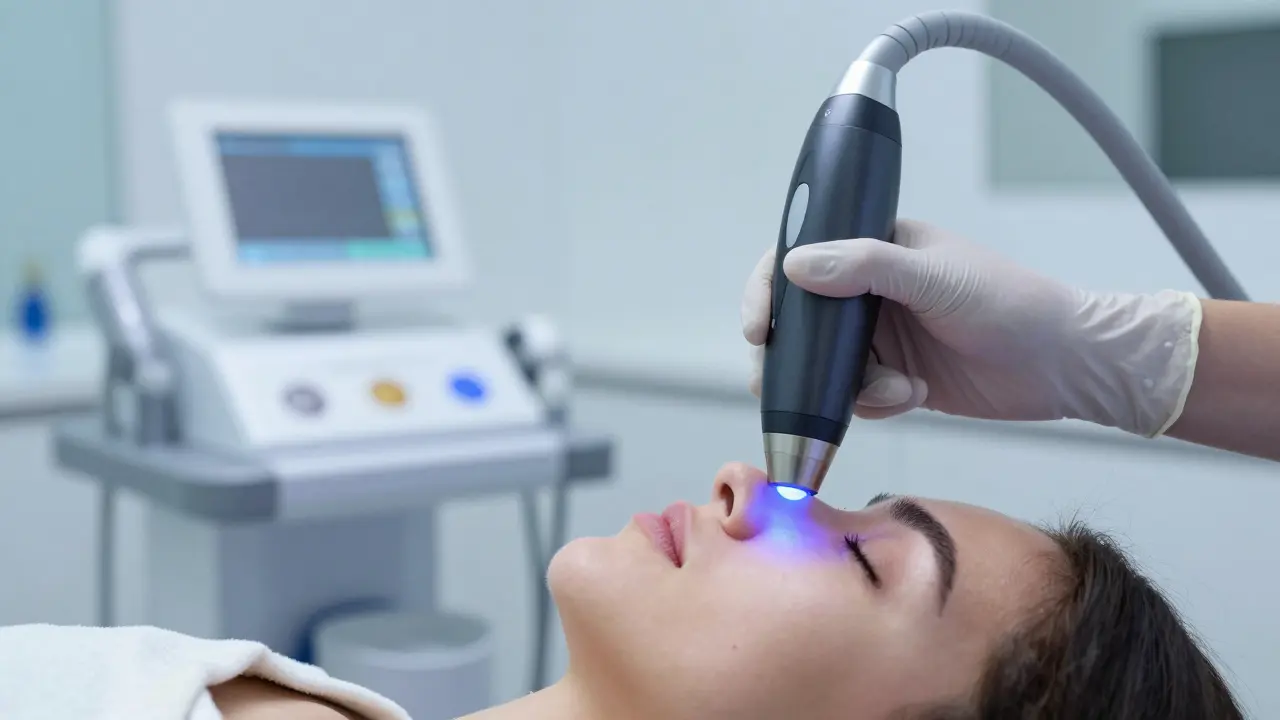
If longevity is your absolute priority, neither waxing nor threading solves the problem permanently. They are temporary maintenance solutions. Laser Hair Removal targets the pigment in the hair shaft using concentrated light. It damages the follicle enough to delay regrowth indefinitely. It requires 6 to 8 sessions, but eventually, 80% of hair stops growing. This is the ultimate alternative if maintaining waxed faces forever sounds exhausting.
Hair removal technology has improved, making laser options safer for darker skin tones, though caution is still needed. It is expensive upfront-often costing thousands-but mathematically beats ten years of salon visits. If you are willing to invest heavily in time and money for a permanent fix, laser is the logical next step. For now, however, sticking to the basics of waxing or threading remains the standard for most people.
Can I wax my face if I am using Accutane?
Absolutely not. Accutane thins the skin dramatically. Waxing can rip off layers of skin tissue, causing wounds. Always consult your doctor before attempting any traction-based hair removal while on retinoids.
Which is more hygienic: home wax or professional threading?
Professional threading is generally more sanitary because the thread is disposed of per session. Home waxing carries risks if wax pots are left open to air contaminants or if spatulas touch the pot and then the face. Sanitize tools rigorously.
Why does wax feel better than threading?
It isn't universal, but waxing removes larger chunks of hair quickly, resulting in one intense moment of pain versus the repetitive popping sound of threading which triggers anxiety.
Do I need to grow hair out before threading?
Yes. Ideally, wait until hairs are at least 1/8th inch long. Too short, and the thread slips; too long, and the pain increases. Two weeks is the sweet spot for growth prep.
Does aging affect how long waxing lasts?
Absolutely. As hormone levels drop, particularly in menopause, hair growth slows. You may find yourself needing to wax less frequently in your 40s and 50s compared to your 20s.


rahul shrimali
March 28, 2026 AT 09:00waxing definitely wins if you want less pain overall honestly
Eka Prabha
March 29, 2026 AT 08:16The thermodynamic stress application raises concerns regarding epidermal integrity in sensitive strata
Bhagyashri Zokarkar
March 30, 2026 AT 20:39i hate how much money we spend on beauty routines that barely work for a month
people keep telling us one method is better than another but none of them really care about the actual feeling
when i pull my own skin it feels like someone ripped a piece off of me sometimes
why would anyone pay for waxing when threading exists and feels cleaner
but then my face hurts for days after waxing session over
the redness stays there and makes me look angry even when im not mad at anyone
threading hurts less but i see hair coming back faster every single day
i feel trapped in this cycle of fixing hair forever without end
my sister said laser was good but everyone knows lasers hide dark spots eventually
sometimes i just want smooth skin that stays smooth without doing nothing else
waxing strips tear away everything including baby soft layers of skin underneath
the smell of hot wax always makes me nauseous before it even gets near my face
threading thread feels cold against warm skin which gives shivers down spine
nobody talks enough about how bad your face looks during recovery phase alone
we should just stop caring what society thinks about stray facial hairs growing
Rakesh Dorwal
April 1, 2026 AT 01:50foreign chemicals in wax pots might compromise natural defenses of our indigenous skin barriers
NIKHIL TRIPATHI
April 1, 2026 AT 02:26That is a great point about the cost saving potential for home kits versus salon visits
Bharat Patel
April 1, 2026 AT 15:54We must consider the soul of the hair follicle and its relationship with our patience
Shivani Vaidya
April 2, 2026 AT 03:13The data supports both methods depending on individual tolerance levels
Rubina Jadhav
April 2, 2026 AT 11:56Please remember to moisturize after treatment to keep irritation low
sumraa hussain
April 3, 2026 AT 08:17Omg!!! The pain description is SO accurate!!!!! I felt that rip!!!
Raji viji
April 4, 2026 AT 10:29Wax is basically industrial adhesive glue trying to hijack your keratin structure lol
Parth Haz
April 5, 2026 AT 19:48You will find peace with either method if you stay consistent with timing schedules
Vishal Bharadwaj
April 6, 2026 AT 07:00Threading is fake marketing scam anyway hair grows same speed regardless of tech