

Imagine having the volume of a full sew-in weave but with the ease of removal that comes with tape-ins. That is exactly what hybrid hair extensions promise. If you have been scrolling through social media or chatting with stylists, you might have heard this term thrown around as the "best of both worlds" solution for adding length and thickness. But does it actually deliver on that hype, or is it just another marketing buzzword?
Hybrid hair extensions are not a single product you buy off the shelf. Instead, they refer to a specific installation method that combines two different types of extensions: traditional wefts (usually sewn into braids) and tape-in extensions. This combination aims to solve the biggest complaints people have about standard extensions-namely, the bulkiness at the roots from sew-ins and the high maintenance cost of replacing individual tape-ins every few weeks.
How the Hybrid Method Works
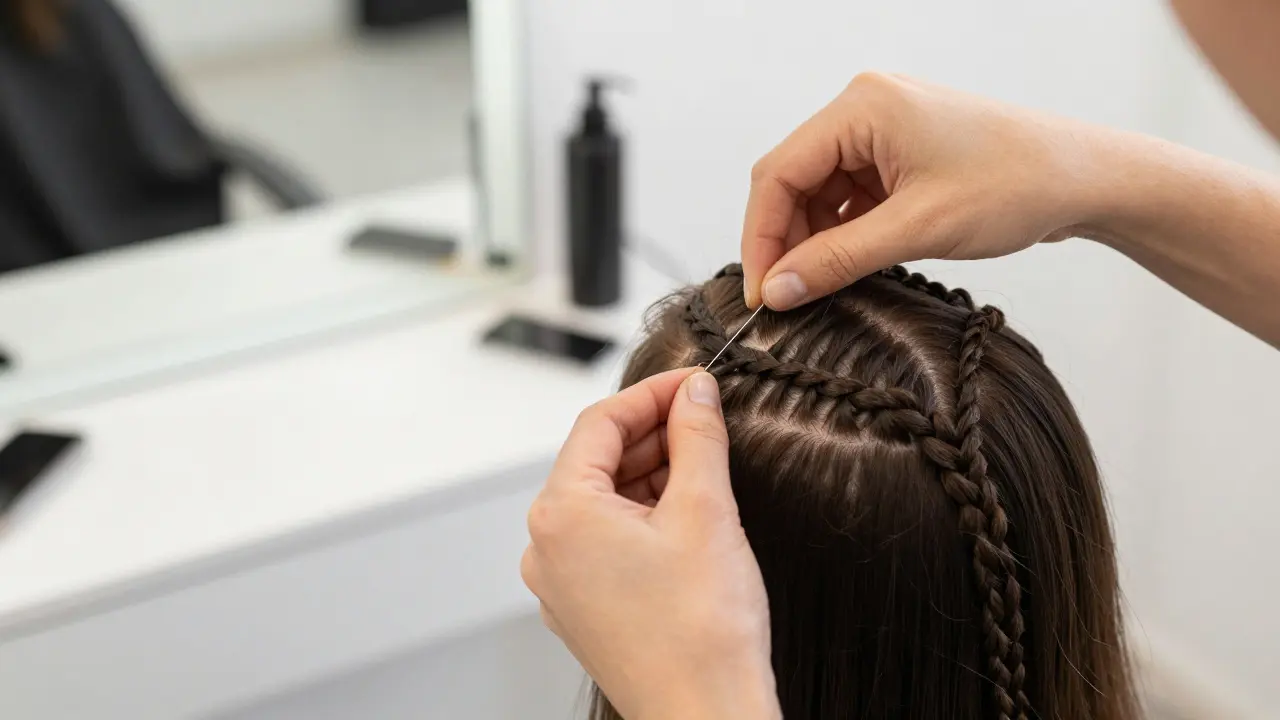
To understand why this method is gaining popularity, you need to look at how it is constructed. The process involves creating a base using cornrows, similar to a traditional sew-in weave. However, instead of sewing large tracks of hair onto these braids, the stylist attaches smaller wefts of hair directly to the braids using thread. This creates a lightweight foundation that lays flat against your scalp.
Once the base layer is secure, the second step happens. The stylist takes pre-taped wefts of hair and adheres them to the top layer of the installed hair or directly to the natural hair near the parting lines. These tape-ins blend seamlessly with the sewn-in base, providing a natural-looking flow and allowing for versatile styling options like middle parts or side parts without revealing the underlying braids.
Is hybrid hair extensions the same as a fusion method?
No, hybrid hair extensions are distinct from fusion methods. Fusion uses heat or glue to attach individual strands of hair to your natural hair. Hybrid methods rely on mechanical attachment (sewing) and adhesive tabs (tape-ins), avoiding heat damage to the root area entirely.
Why People Choose Hybrid Over Traditional Methods
The primary reason clients opt for hybrid extensions is comfort. Traditional sew-ins can feel heavy and tight, often causing tension headaches if the braids are pulled too tightly. By using thinner wefts and distributing the weight differently, hybrid installations feel significantly lighter on the head. You can wear them for months without that constant feeling of pressure.
Another major factor is versatility. With a standard sew-in, your parting space is fixed. You cannot easily change your hairstyle from a deep side part to a center part because the tracks underneath would show. Hybrid extensions allow you to create multiple parting spaces because the tape-ins sit on top of the base layer, mimicking the look of natural hair growing from the scalp. This means you can switch up your look daily without visiting a salon.
Longevity is also a key selling point. While standard tape-ins need to be moved up every six to eight weeks to prevent matting and tangling, the sew-in base of the hybrid method protects your natural hair and keeps the lower layers secure for longer periods. Many people report wearing their hybrid extensions for three to four months before needing a full reinstall, which saves money in the long run compared to frequent tape-in maintenance appointments.
The Pros and Cons of Going Hybrid
No hair extension method is perfect, and it is important to weigh the benefits against the drawbacks before booking an appointment. Here is a breakdown of what you can expect:
| Aspect | Advantages | Disadvantages |
|---|---|---|
| Installation Time | Faster than individual strand-by-strand methods | Takes longer than a simple clip-in application |
| Maintenance | Less frequent salon visits required | Requires careful washing to avoid matting at the braid line |
| Comfort | Lighter than traditional sew-ins | Can feel bulky if too much hair is added |
| Cost | Cost-effective over time due to longevity | Higher upfront cost than basic clip-ins |
| Hair Health | Protects natural hair when done correctly | Risk of traction alopecia if braids are too tight |
One significant con is the removal process. Taking out hybrid extensions requires professional help. You cannot simply pull them out at home. A stylist needs to carefully cut the threads holding the wefts and use a specialized solvent to remove the tape adhesives. Doing this yourself can lead to significant hair breakage and loss.
Who Should Avoid Hybrid Extensions?
While hybrid extensions work well for many hair types, they are not suitable for everyone. If you have very fine or thinning hair, the weight of even the lighter hybrid setup might cause stress on your follicles. It is crucial to have a consultation with a qualified stylist who can assess your hair density and strength before proceeding.
People who are allergic to adhesives should also proceed with caution. Although the tape-ins are placed on top of the sewn-in base, some individuals may still react to the glue used in the tapes. Always do a patch test before the full installation.
If you prefer low-commitment options, hybrid extensions might be too much hassle. They require a significant time investment during installation (usually 3-5 hours) and ongoing care. If you want to change your look weekly, clip-ins or halo extensions might be a better fit for your lifestyle.
Caring for Your Hybrid Extensions
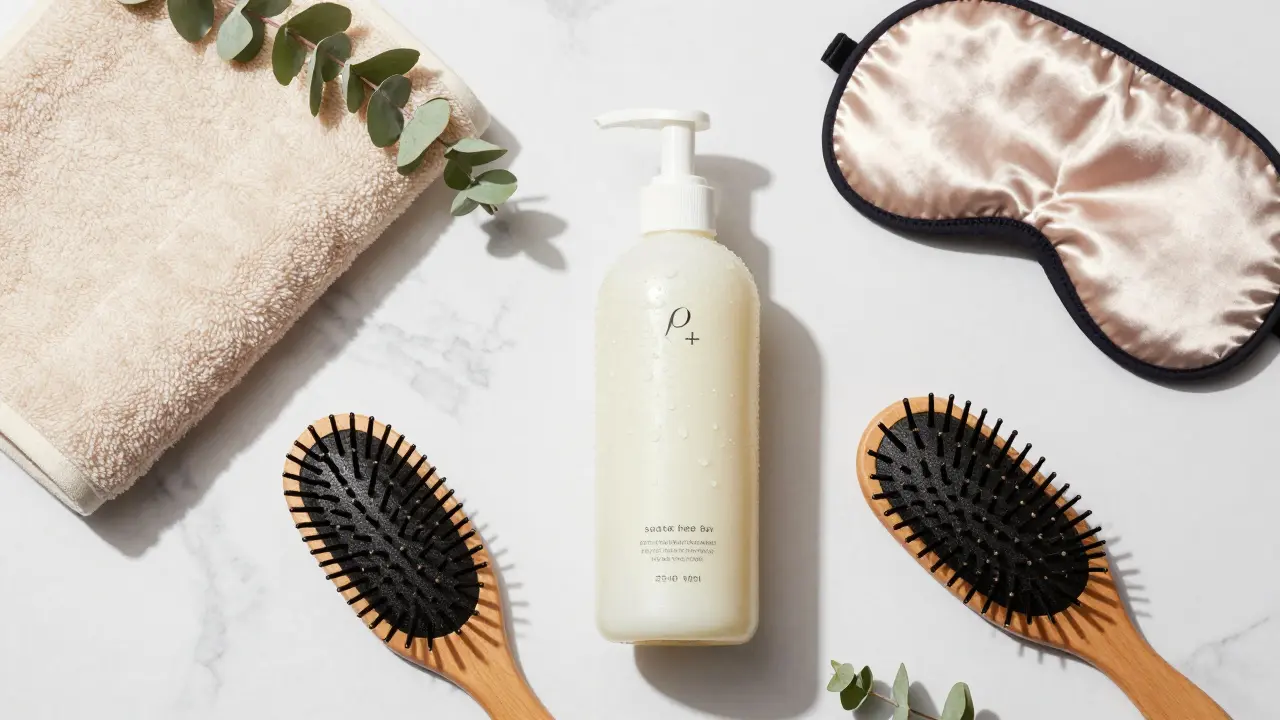
Proper maintenance is key to making your hybrid extensions last. Start by washing your hair no more than twice a week. Use sulfate-free shampoos and conditioners to keep the hair soft and prevent dryness. When washing, focus on the scalp and let the suds run down the length of the hair. Avoid rubbing the extensions vigorously, as this can cause tangling.
Drying technique matters too. After washing, gently squeeze out excess water with a microfiber towel. Do not twist or wring the hair. Allow it to air dry whenever possible. If you must use a blow dryer, use a cool setting and a diffuser attachment to minimize heat exposure. Brush your hair daily with a loop brush or a soft bristle brush, starting from the ends and working your way up to the roots to prevent pulling on the attachments.
Sleeping habits also play a role. Wrap your hair in a silk or satin scarf or use a silk pillowcase to reduce friction while you sleep. This helps maintain the smoothness of the extensions and prevents knots from forming overnight.
Choosing the Right Hair Quality
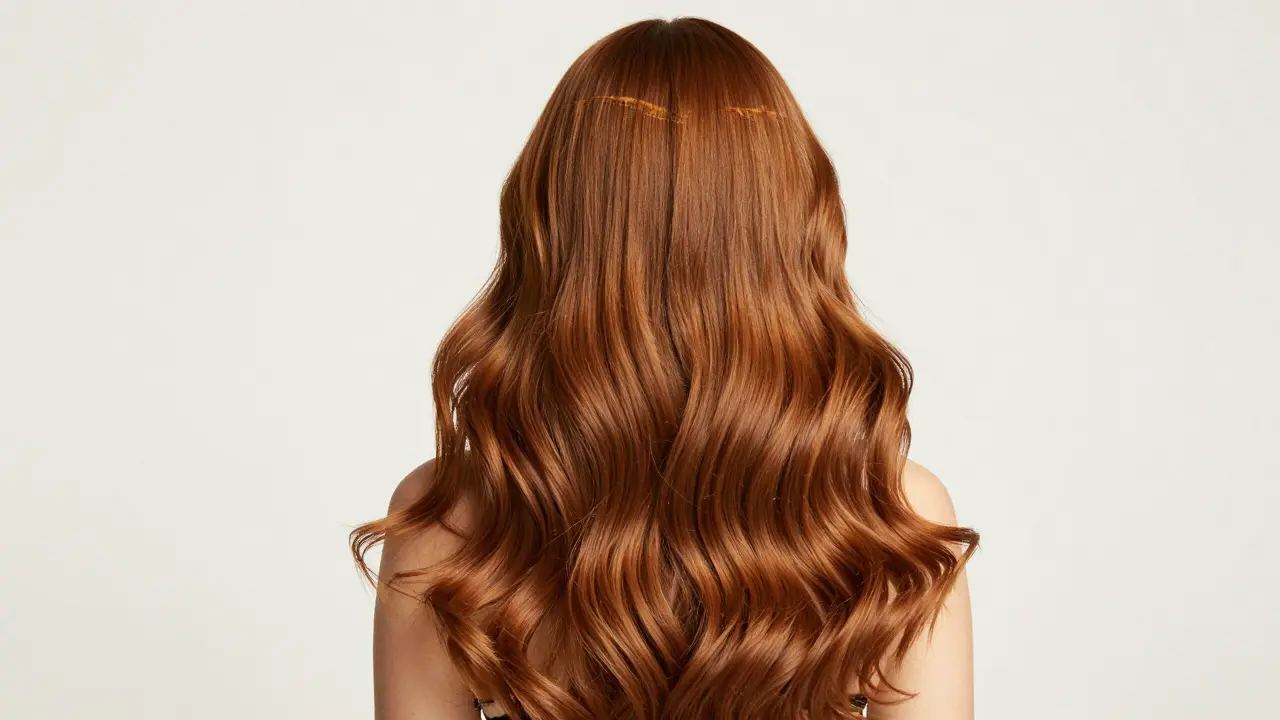
The quality of the hair you choose for your hybrid extensions will determine how natural they look and how long they last. Human hair extensions are generally preferred over synthetic ones because they can be styled with heat tools and blend seamlessly with your natural hair texture. Look for terms like "virgin hair" or "raw hair," which indicate that the hair has not been chemically processed. This type of hair is stronger, shinier, and less prone to shedding.
Match the texture of the extensions to your natural hair as closely as possible. If you have straight hair, choose straight extensions. If you have wavy or curly hair, select extensions with a similar curl pattern. This makes blending easier and reduces the need for excessive heat styling, which can damage both your natural hair and the extensions.
Final Thoughts on Making the Switch
Hybrid hair extensions offer a compelling solution for those seeking volume, length, and style versatility without the drawbacks of traditional methods. By combining the security of a sew-in with the flexibility of tape-ins, they provide a comfortable and long-lasting option. However, success depends on proper installation by a skilled professional and diligent aftercare. If you are ready to commit to the maintenance routine, hybrid extensions could be the upgrade your hair game needs.
How long do hybrid hair extensions last?
With proper care, hybrid hair extensions can last between 3 to 4 months. The sew-in base provides stability, while the tape-ins may need occasional adjustment depending on your hair growth rate and maintenance routine.
Can I swim with hybrid hair extensions?
Yes, you can swim with hybrid extensions, but you must wet your hair with fresh water before entering the pool or ocean. Apply a leave-in conditioner to protect the hair. After swimming, rinse thoroughly and wash your hair to remove chlorine or salt, then condition and detangle gently.
Do hybrid extensions damage natural hair?
When installed correctly by a professional, hybrid extensions should not damage your natural hair. However, improper installation, such as braiding too tightly or leaving them in for too long, can lead to traction alopecia or matting. Regular check-ups and proper removal are essential to maintain hair health.
How much do hybrid hair extensions cost?
The cost varies widely based on location, stylist expertise, and hair quality. On average, expect to pay between $300 and $800 for the initial installation, including the hair. Maintenance appointments may cost an additional $100 to $200 per session.
Can I color hybrid hair extensions?
If you use high-quality virgin human hair extensions, you can color them. However, it is best to have a professional stylist perform the coloring to ensure even results and prevent damage. Synthetic extensions cannot be colored with standard hair dye.





om gman
July 11, 2026 AT 01:10another marketing buzzword for people who cant handle the truth about their own hair loss lol
Jeanne Abrahams
July 12, 2026 AT 08:16oh darling, you think this is new? in south africa we have been doing variations of this since before your parents were born. it is not a revolution, it is just basic physics applied to keratin. but sure, keep calling it hybrid like it is some kind of high tech spaceship part. the tape ins are just glue, the weave is just thread. nothing magical here unless you count paying a stylist three hundred dollars for two hours of sitting still as magic.
Bineesh Mathew
July 13, 2026 AT 07:18the human condition is defined by our desire to augment what nature has provided us with. we are dissatisfied with our natural state and seek to impose an artificial order upon our follicles. this hybrid method is merely a metaphor for the modern soul torn between the security of tradition and the fleeting allure of innovation. we sew our past onto our braids while taping our future onto our scalp. it is tragic really that we must rely on synthetic adhesives to feel whole. the tension alopecia mentioned is not just physical but spiritual. we pull ourselves apart in the name of beauty. i find this deeply unsettling and yet i understand the compulsion. it is the price of vanity in a world that demands perfection. we are all just trying to hold together the fraying edges of our identity. perhaps the real question is why we need extensions at all. are we not enough as we are. probably not. so we buy more hair.
Oskar Falkenberg
July 13, 2026 AT 14:12i totally get where you are coming from bineesh its quite profound actually. honestly though i just want my hair to look nice without it feeling like i am wearing a helmet on my head all day. i had a regular sew in last year and man oh man did my neck hurt. i couldnt even sleep properly because of the weight. so when i heard about these hybrid ones i was skeptical but then i read that they are lighter and i thought maybe it is worth a try. the part about being able to change your parting space is huge for me because i hate looking like i always wear the same style. if i can do a middle part one day and a side part the next without showing tracks that sounds like a win to me. i know some people say it is expensive but if it lasts four months instead of needing to go back every six weeks for tape ins then it might save money in the long run. i am just saying it seems like a logical step forward for anyone who wants volume but hates the bulkiness. hopefully my stylist knows what they are doing because i dont want any traction alopecia happening to me. that would be terrible. anyway just sharing my thoughts on why this appeals to me personally. i think it is a good option for those of us with medium to thick hair who want versatility.
Caitlin Donehue
July 14, 2026 AT 21:53i noticed that the article mentions washing no more than twice a week. i wonder if that is enough for someone who works out daily or lives in a humid climate. it seems like sweat buildup under the braids could be an issue even with the lighter base. i guess careful washing technique is key then.
Stephanie Frank
July 15, 2026 AT 02:41let's break down the economics here because most people ignore the hidden costs. yes the upfront cost is higher but the maintenance appointments are fewer. however you still need to buy shampoo conditioner and detangler specifically for extensions. plus you need silk scarves or pillowcases which adds to the expense. if you factor in the time spent washing and drying carefully it is not just a financial investment it is a lifestyle commitment. many women underestimate the time required for proper care. if you rush the process you risk matting which means early removal and wasted money. so while it might seem cost effective over four months it is only true if you are disciplined enough to maintain it perfectly. otherwise you are throwing cash away on damaged hair and salon fees for fixes.
Patrick Dorion
July 16, 2026 AT 08:38as a stylist i can tell you that the success of hybrid extensions depends entirely on the skill of the person installing them. if the cornrows are too tight you will get headaches and potential hair loss regardless of how light the wefts are. if the tape ins are placed incorrectly they will slip or show through. it is crucial to choose a professional who understands both methods well. many generalist stylists try to do hybrids without proper training and the results are messy. look for someone who specializes in extensions and ask to see photos of their previous hybrid installations. check the parting lines closely. if you can see the tracks or the tape tabs it is not done right. also make sure they use high quality virgin hair. synthetic hair will not blend well and will tangle easily leading to frustration. take your time finding the right person because the installation is half the battle.
Marissa Haque
July 17, 2026 AT 19:39OMG!!! i just got mine done last week and i am OBSESSED!!! it feels so light compared to my old sew-in! i can finally sleep comfortably again! and the best part is i changed my part yesterday and nobody could tell! it looks so natural! i am never going back to regular tape-ins because they kept falling out on me! this is definitely the way to go!! if you are on the fence just do it!! you won't regret it!! trust me!!