
When you think of threading discomfort, the sharp, quick sting felt during facial hair removal using cotton thread. Also known as thread epilation, it’s one of the oldest hair removal methods still widely used today—especially for shaping eyebrows and removing fine facial hair. Unlike waxing, which pulls hair out in large patches, threading targets individual hairs with a twisted cotton thread. That precision is why it’s popular, but it’s also why it can feel so intense—especially if you’re new to it or have sensitive skin.
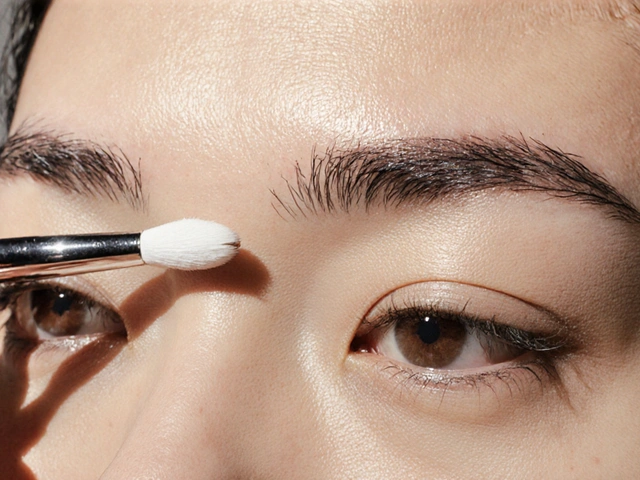
The pain isn’t random. It comes from how the thread grips the hair follicle and yanks it out at the root. Some people feel it like a quick pinch; others describe it as a series of tiny tugs. The level of discomfort depends on your skin sensitivity, the area being threaded, and how much hair is being removed. eyebrow threading, a common application of facial threading focused on shaping the brow line tends to hurt more because the skin there is thin and packed with nerves. facial threading, the broader practice of removing hair from the upper lip, chin, or forehead can be just as sensitive. And if you’ve had it done poorly before—too fast, too tight, or by someone inexperienced—you’re likely carrying that memory into your next session.
Here’s the truth: threading doesn’t have to be a torture test. A skilled technician uses controlled tension, not brute force. The thread should glide, not snap. Prepping your skin with a cool compress helps numb the area slightly. Avoid caffeine before your appointment—it makes nerves more reactive. And if you’re worried about redness or swelling afterward, you’re not alone. Many people experience mild irritation, especially after full face threading, a procedure that removes hair from multiple facial areas in one session. That’s why some experts warn against overdoing it. Too much threading too often can lead to ingrown hairs, broken capillaries, or even long-term skin thinning.
The good news? You don’t have to just endure it. Knowing what causes the discomfort helps you take control. Ask your technician to go slower. Request a patch test if you’re trying a new salon. And if your skin reacts badly every time, maybe threading isn’t your best option—waxing, tweezing, or laser could be gentler alternatives. What you’ll find below isn’t just a list of posts. It’s a real-world guide to what works, what doesn’t, and how to make your next threading experience less about pain and more about precision.
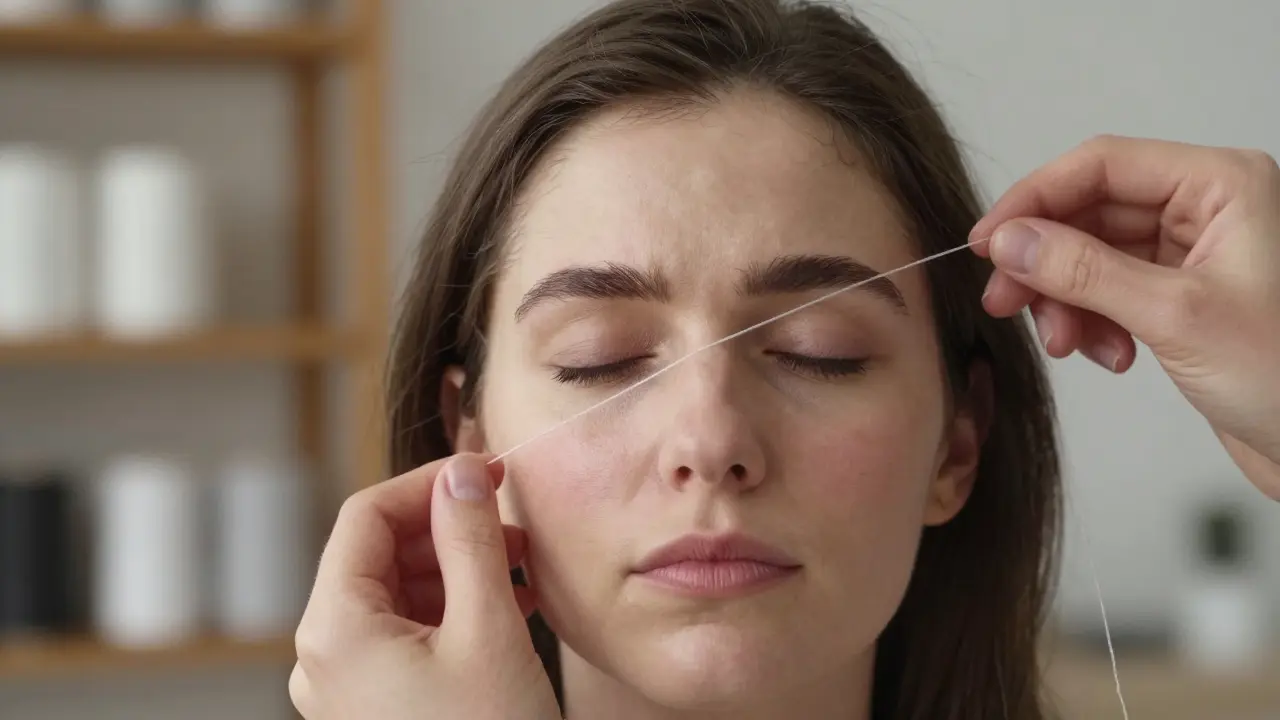
Eyebrow threading hurts less than waxing for most people. It's precise, lasts longer, and causes less redness. Here's what to expect, how to reduce discomfort, and who should avoid it.
 11
11
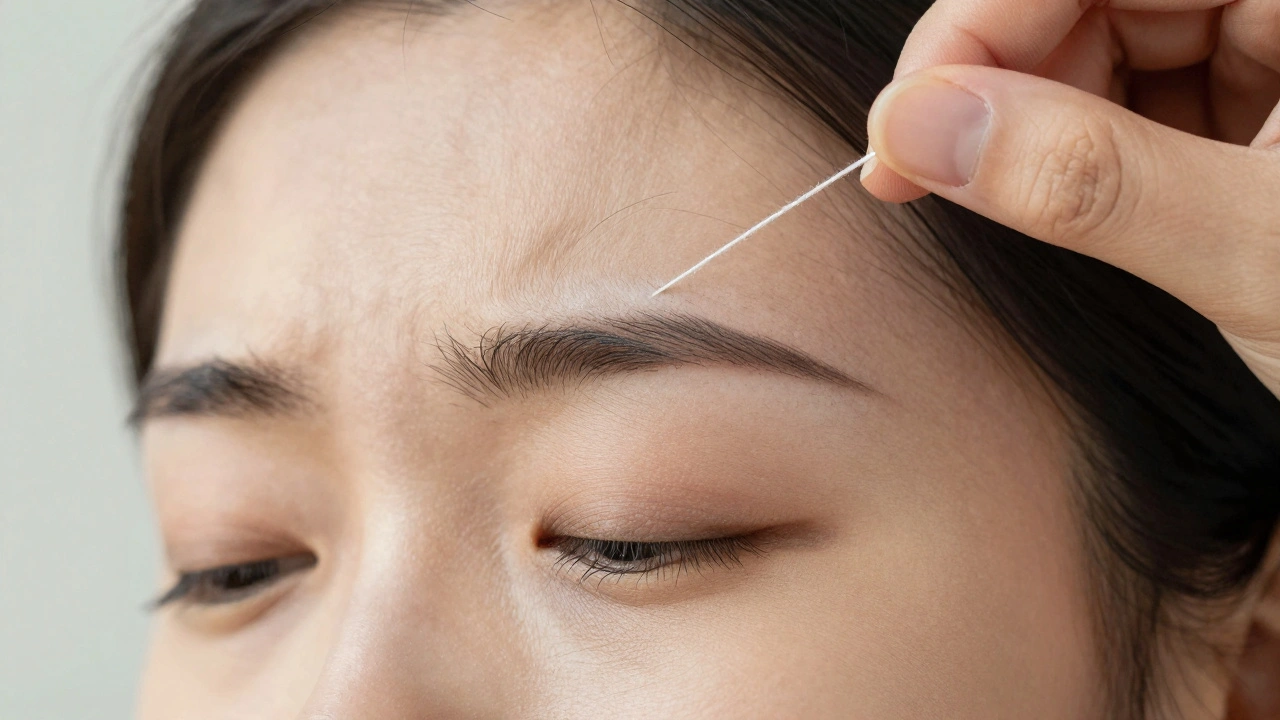
Threading eyebrows hurts because it pulls each hair from the root using a twisted cotton thread. The skin around your brows is packed with nerves, making even small tugs feel sharp. Learn why it stings, how it compares to waxing, and how to make it less painful.
0