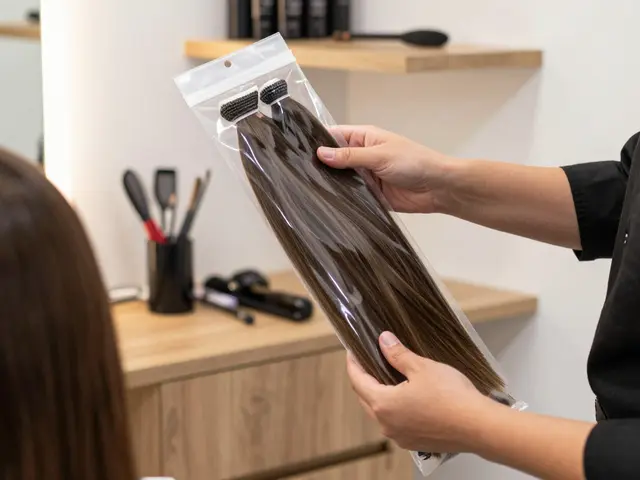

When you invest in Remy hair, a type of human hair extension where all cuticles are aligned in the same direction for natural shine and reduced tangling. Also known as premium human hair, it’s the gold standard for extensions that look and feel real. But owning Remy hair doesn’t mean it’ll stay perfect on its own. If you treat it like your own hair, you’ll ruin it fast. The truth? Remy hair needs a different kind of care than your natural strands—especially when it’s bonded, clipped, or sewn in.
You can’t just wash it with any shampoo, sleep on it wet, or blast it with heat tools and expect it to last. Real people who wear Remy extensions daily know this: the biggest mistake is assuming all hair care rules apply the same. Hair extension care, the specific routine needed to preserve the quality, texture, and lifespan of human hair extensions isn’t about fancy products—it’s about consistency and avoiding three big traps: sulfates, heat overuse, and skipping detangling. Sulfate-free shampoos aren’t a luxury—they’re a requirement. Heat above 350°F? That’s a one-way ticket to frizz and breakage. And if you skip brushing before washing, you’re creating knots that will pull and snap fibers.
Human hair extensions, real hair collected from donors and processed to maintain cuticle integrity for natural movement and durability can last over a year if handled right. But most people give up after three months because they don’t know how to store them, wash them, or protect them at night. Sleeping on a silk pillowcase isn’t just for luxury—it stops friction that causes tangles and shedding. Co-washing once a week keeps moisture in without stripping. And always, always brush from the ends up, not the roots down. This isn’t magic. It’s just basic physics: hair fibers tangle when they’re dry, rough, or pulled the wrong way.
Some think expensive Remy hair means no maintenance. Wrong. The more expensive it is, the more you need to protect it. A $500 set of Remy hair won’t look good if you’re using drugstore conditioner or brushing it while it’s soaking wet. The posts below cover exactly what works: how to wash extensions without damaging them, which tools actually help, why some people lose hair from extensions (it’s not the hair’s fault), and how to tell if your Remy hair is starting to degrade. You’ll find real advice from stylists who see the damage every day—no fluff, no marketing buzzwords. Just what you need to know to keep your extensions looking fresh, soft, and natural for as long as possible.
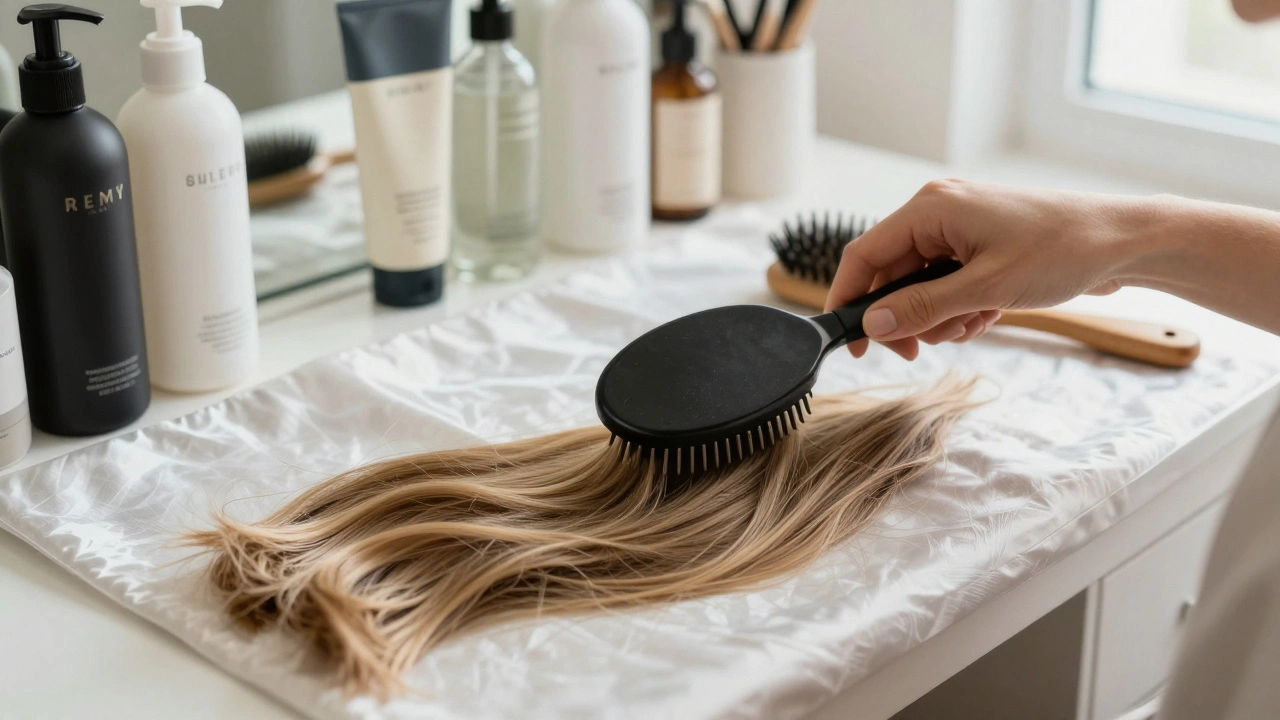
Learn how to properly care for Remy human hair extensions to make them last longer, stay soft, and look natural. Avoid common mistakes that damage extensions and learn the right washing, brushing, and storage techniques.
 10
10