

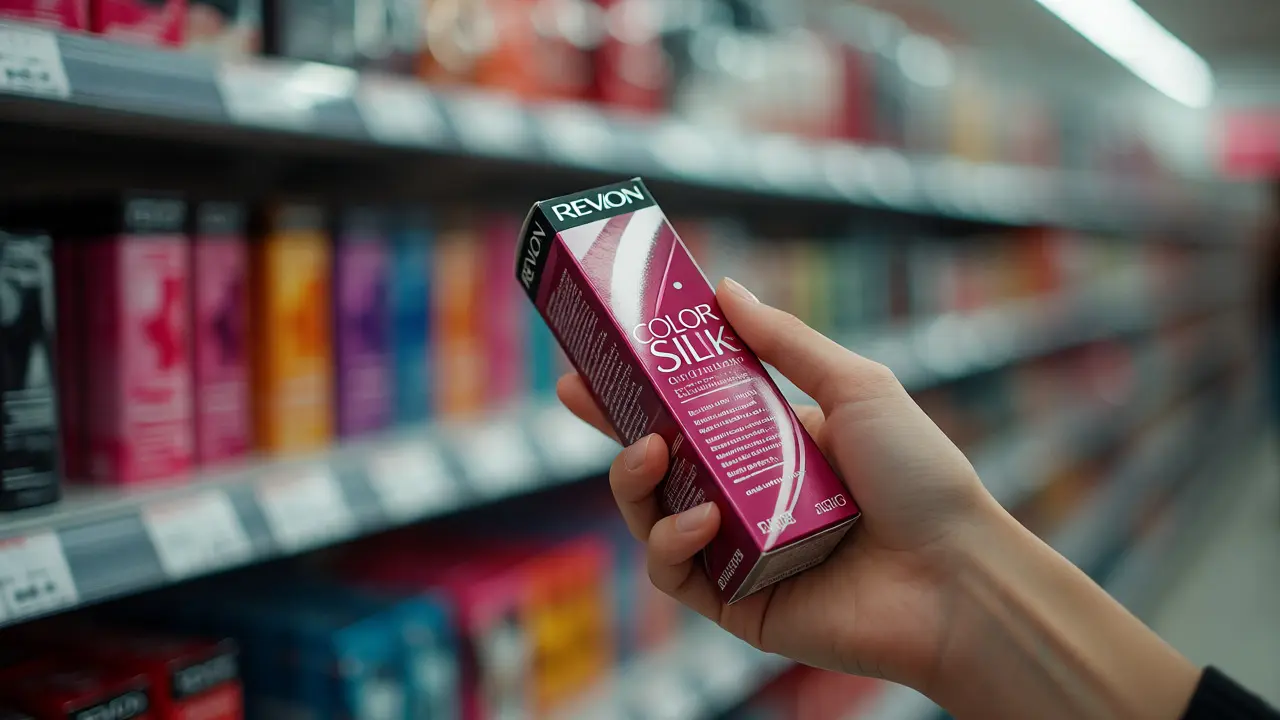
You’re standing in the drugstore aisle, holding a box of Revlon ColorSilk that costs less than your morning coffee. It promises salon-quality results, zero ammonia smell, and perfect gray coverage. But does it actually deliver? If you’ve been scrolling through endless five-star ratings wondering if they’re real or just bots, you’re not alone. The truth is, Revlon’s reputation is built on a mix of genuine praise for its affordability and shine, mixed with some frustrating inconsistencies about shade accuracy and longevity.
This isn’t just about one product; it’s about understanding whether this budget-friendly staple belongs in your bathroom cabinet. We dug into professional lab tests from Good Housekeeping, analyzed thousands of customer reviews from Target and Walmart, and looked at the actual ingredient lists to give you the straight scoop. Here’s what you need to know before you mix that bottle.
The Verdict on Revlon ColorSilk Permanent Hair Dye
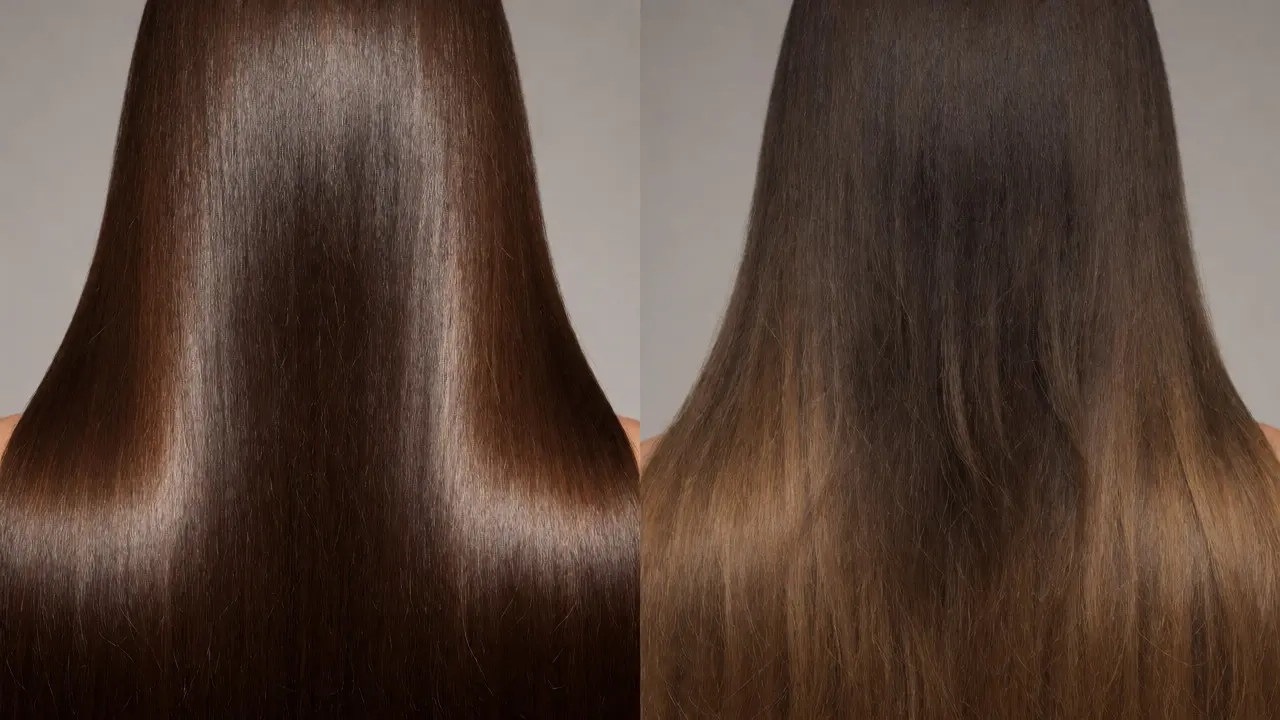
Let’s cut to the chase: Revlon ColorSilk Beautiful Color is widely considered the best bang-for-your-buck option for at-home coloring. With an average rating hovering around 4.6 out of 5 across major retailers like Target and Walmart, it consistently beats more expensive competitors in blind tests. Professional evaluators at the Good Housekeeping Beauty Lab tested this dye on over 100 women and found it earned top scores for ease of use, shine retention, and how smooth it left the hair. In fact, 94% of testers agreed the hair felt silky after use.
But here’s the catch that reviews often gloss over: while the formula is marketed as "ammonia-free," it still uses ethanolamine and hydrogen peroxide. This means it opens the hair cuticle to deposit color, which can lead to dryness if you don’t follow up with the included conditioner. Users love the low odor compared to traditional dyes, but "low odor" doesn't mean "no chemical reaction." Many positive reviews highlight how vibrant and natural the color looks, especially for covering grays, but negative reviews frequently mention unexpected shade shifts-like turning copper when you wanted brown.
What Expert Labs Actually Found
If you trust science over anecdotes, the data is compelling. Good Housekeeping’s testing didn’t just look at marketing claims; they measured fade resistance and coverage. For their black hair dye evaluation, Revlon ColorSilk received perfect scores for complete gray coverage and no visible fading after four weeks. That’s impressive for a product priced under $3-$5. They also noted that the scent was light and non-overpowering, a huge plus for anyone who hates the harsh smell of standard boxed dyes.
Byrdie, another trusted beauty authority, named ColorSilk their top choice among ammonia-free options. Their experts pointed out that the use of keratin and amino acids helps maintain softness, which explains why so many users report shiny, healthy-looking ends rather than straw-like strands. However, Byrdie also flagged a critical detail: processing time. Because it lacks ammonia, the developer works slower. You might find yourself waiting longer than you’re used to, and rushing this step leads to patchy results.
| Feature | Expert Lab Findings (Good Housekeeping/Byrdie) | Consumer Consensus (Target/Walmart/Amazon) |
|---|---|---|
| Gray Coverage | Rated highly for complete coverage in controlled tests. | Generally praised, though some users with resistant grays reported needing two boxes. |
| Shade Accuracy | Noted for multi-tonal, natural-looking results. | Mixed. Many loved the vibrancy, but frequent complaints about colors turning darker or redder than the box image. |
| Longevity | No visible fading after 4 weeks in lab conditions. | Inconsistent. Some say it lasts months; others see significant washout within 2 weeks. |
| Hair Feel | Testers confirmed hair remained shiny and smooth. | Highly rated for softness due to the included deep-conditioning treatment. |
| Scent | Light, non-overpowering fragrance. | Most users agree it smells much better than traditional dyes. |
Why Shade Results Can Be Tricky
If there’s one complaint that pops up repeatedly in Revlon hair dye reviews, it’s that the color doesn’t always match the picture on the box. This isn’t necessarily a defect; it’s chemistry. Boxed dyes are formulated for a wide range of starting hair types. If your hair has previous color, high porosity, or underlying warm tones, the final result will shift.
For example, several Amazon reviewers noted that a "Dark Brown" shade resulted in red or copper tones. This happens because dark brown dyes often contain red pigments to neutralize greenish undertones in bleached hair. If your hair already has warm undertones, those reds amplify. Conversely, lighter shades like blonde can sometimes turn brassy if the developer strength interacts unexpectedly with your natural pigment. The consensus advice from experienced users is simple: never trust the box image alone. Always do a strand test if you’re trying a new shade, especially if you have previously colored hair.
Application and Longevity: The Real Talk
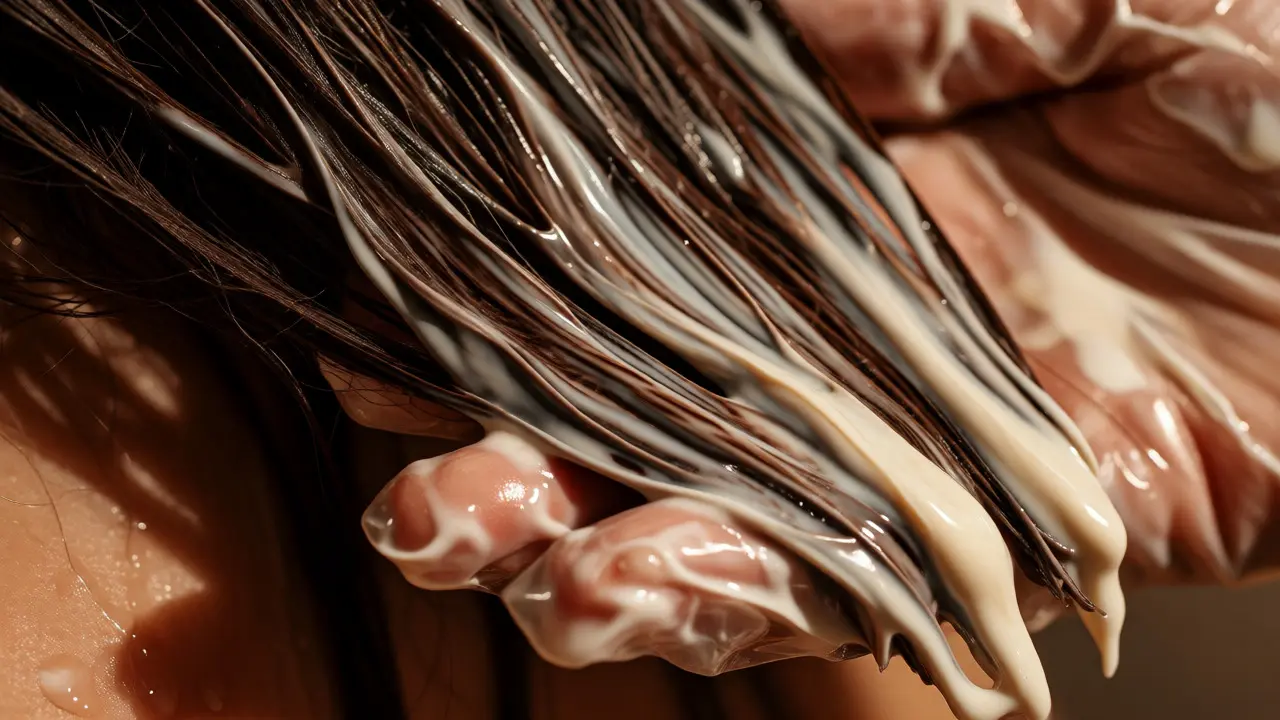
Applying ColorSilk is straightforward. It comes with two bottles: the colorant and the cream developer. You mix them, shake, and apply. Most users describe the process as quick and easy, thanks to the non-drip gel consistency. However, "easy application" doesn’t mean "mess-free." Several Walmart reviews mentioned drips and stains, so wearing gloves and protecting your skinline is non-negotiable.
Longevity is where opinions diverge most sharply. Why do some people get three months of color while others see it fade in two weeks? It usually comes down to hair history and washing habits. If you wash your hair daily with clarifying shampoos, any semi-permanent or even permanent color will fade faster. Also, porous hair grabs color quickly but releases it just as fast. Users who reported long-lasting results often had virgin hair or followed strict sulfate-free washing routines. Those who complained about rapid fading often had damaged or highly porous hair.
Is It Safe? Understanding "Ammonia-Free" Claims
Don’t let the "ammonia-free" label fool you into thinking it’s completely gentle. While it avoids the pungent smell of ammonia, it uses ethanolamine, an alkalizing agent that performs a similar function by swelling the hair shaft. It also contains hydrogen peroxide. More importantly, it includes common allergens like p-phenylenediamine (PPD) and resorcinol. These are the same ingredients found in many other permanent dyes.
A small number of severe allergic reactions have been reported, including ear swelling and scalp irritation. This underscores the importance of the patch test. Skip it, and you risk a bad reaction. The instructions clearly state to wait 14 days after relaxing or perming before using this product. Ignoring this timeline can lead to breakage because chemically treated hair is fragile. So, while it’s safer for your nose than traditional dyes, it’s not hypoallergenic.
Pros and Cons at a Glance
- Pro: Extremely affordable, often costing less than $5 per box.
- Pro: Excellent shine and softness, largely due to the included conditioning system.
- Pro: Low odor makes the experience much more pleasant.
- Con: Shade accuracy can be unpredictable, especially on previously colored hair.
- Con: Fading rates vary wildly based on individual hair type and care routine.
- Con: Contains potential allergens despite being ammonia-free.
Frequently Asked Questions
Does Revlon ColorSilk cover stubborn gray hair effectively?
Yes, most reviews and expert tests confirm it provides excellent gray coverage. However, if you have very resistant, coarse gray hair, you may need to leave the dye on for the full recommended time or consider using two boxes for thicker hair to ensure saturation.
Why did my Revlon hair dye turn out darker than expected?
Boxed dyes tend to process slightly darker than the swatch shows, especially on porous or previously lightened hair. To avoid this, choose a shade one level lighter than your target color, or perform a strand test first to see how your specific hair reacts to the formula.
How long does Revlon ColorSilk last?
It is a permanent dye, so it won't wash out completely, but the vibrancy fades. Expect noticeable fading between 4 to 6 weeks depending on how often you wash your hair and whether you use sulfate-free products. Root regrowth will appear sooner.
Is Revlon ColorSilk truly ammonia-free?
Yes, it does not contain ammonia. Instead, it uses ethanolamine to open the hair cuticle. This reduces the strong chemical smell but still allows the dye to penetrate the hair shaft for permanent color.
Can I use Revlon ColorSilk on eyebrows or eyelashes?
No. The packaging explicitly warns against using this product on eyebrows or eyelashes. Doing so can cause serious eye damage or blindness. Use only products specifically designed for facial hair.

Manoj Kumar
October 30, 2026 AT 11:27It is statistically improbable that a product costing under five dollars can achieve parity with professional salon treatments without some form of chemical compromise. The article conveniently glosses over the fact that ethanolamine is merely a euphemism for 'less irritating ammonia' and not a benign substance. One must consider the corporate incentive structure here: Revlon aims to maximize profit margins by substituting expensive, high-purity ingredients with cheaper alternatives while maintaining marketing claims of 'salon quality.' The data from Good Housekeeping likely suffers from selection bias, favoring users with virgin hair who have not yet experienced cumulative damage. We are witnessing a systematic undervaluation of long-term hair health in favor of immediate aesthetic gratification. It is crucial to approach these reviews with skepticism regarding the longevity claims, as two weeks is hardly a sustainable metric for permanent dye. The inclusion of PPD remains a significant allergen risk that is downplayed in consumer-focused literature. Furthermore, the shade accuracy issues mentioned are not mere anomalies but indicative of poor formulation consistency across batches. I posit that the 'ammonia-free' label serves primarily as a psychological comfort mechanism rather than a scientific distinction. Consumers are being manipulated into believing they are making a healthier choice when they are simply choosing a different set of risks. The economic model relies on repeat purchases due to fading, which contradicts the claim of superior longevity. Therefore, the perceived value is an illusion constructed through aggressive marketing and selective reporting. We should demand transparency regarding the specific concentrations of alkalizing agents used in this formula.
Hemali Jaiswal
October 31, 2026 AT 09:16I absolutely adore how this breakdown balances the science with the soul of hair care! 🌟 For those of us who love experimenting with color, understanding the chemistry behind why your brown turns copper is truly empowering knowledge. It’s like unlocking a secret level in a game where you finally understand the mechanics of your own beauty routine. I’ve found that using a sulfate-free shampoo really does extend the life of ColorSilk, turning it into a vibrant masterpiece that lasts for months. Think of your hair as a canvas; sometimes the primer needs adjusting, and that strand test is your best friend to avoid any artistic disasters. Embracing the nuances of porosity allows us to tailor our approach, ensuring that every application feels bespoke and personal. Let’s celebrate the joy of affordable luxury and the confidence that comes with finding a product that respects both our budget and our beautiful locks. 💖
Sean Eagen
October 31, 2026 AT 22:47Stop buying junk. If you cant afford a stylist you dont deserve good hair. Cheap dye ruins your scalp and looks fake. Just stop.
Darlene Hopkins
November 1, 2026 AT 03:43I hear you, Sean. Sometimes saving money now means spending more later on repairs. But for many, especially students or single parents, $5 is a real barrier to entry. It’s about accessibility, not just vanity.
Elizabeth Calwell
November 1, 2026 AT 23:47You’re spot on, Darlene! Accessibility is huge. And honestly, with a little prep work-like doing that strand test everyone keeps mentioning-you can totally get salon-worthy results at home. It’s all about learning what works for YOUR hair type. Don’t let anyone make you feel guilty for loving a great deal! You’ve got this! 💪✨
Sabrina Silvani
November 3, 2026 AT 19:40the essence of the matter isn't the price tag but the relationship we form with our identity through appearance. if a five dollar box allows someone to feel seen and confident then its value transcends the monetary cost. we often mistake affordability for inferiority when in reality it democratizes self-expression. the anxiety around shade shifts is valid but manageable with patience and experimentation. true beauty lies in the acceptance of imperfection and the journey of discovering what suits us. let us not judge the tool but appreciate the intent behind its use.
Mithilesh Singh
November 5, 2026 AT 18:27This is typical Western decadence. In India, we value tradition and natural remedies like henna, which are safe and effective. Why do people waste money on chemicals? These dyes cause cancer and ruin families. We need to return to roots, literally and figuratively. This product is garbage!
Shaina Silver-Baird
November 7, 2026 AT 16:57The emphasis on 'ammonia-free' is a classic distraction tactic employed by major corporations to obscure the presence of other harsh chemicals such as resorcinol and PPD. It is highly suspicious that independent lab tests are cited so frequently, as these institutions often receive funding from the very brands they evaluate. One must question whether the 'Good Housekeeping' seal has been purchased rather than earned. The inconsistency in shade results suggests that the manufacturing process lacks rigorous quality control, possibly due to outsourcing production to facilities with lower regulatory standards. This aligns with the broader trend of degrading consumer goods while maintaining premium pricing strategies. I suspect that the positive reviews may be influenced by incentivized feedback loops that reward users for posting favorable content. Until we see transparent ingredient sourcing and third-party verification, we should treat these claims with extreme caution.
evelyn starcher
November 7, 2026 AT 22:16Ugh, the smell is still bad even if it's 'low odor' 😩. My sister tried it and her scalp was red for days. Not worth the risk if you have sensitive skin. Stick to henna or go to a pro. 😤💔
Ian Mason-Laurence
November 8, 2026 AT 03:00Technically, ethanolamine is indeed less volatile than ammonia, which accounts for the reduced olfactory impact. However, it is equally effective at raising the pH to open the cuticle. The mention of keratin in the formula is largely superficial, as hydrolyzed proteins do not permanently repair damaged hair bonds. The advice to perform a strand test is scientifically sound and essential for predicting oxidative reactions based on individual melanin levels. Fading rates are directly correlated to the size of the dye molecules deposited; smaller molecules wash out faster, which explains the variability in user experiences. It is also worth noting that hard water minerals can accelerate fade by depositing on the hair shaft, altering the perceived color over time.
Tommy Cahyadi
November 9, 2026 AT 23:20Look, I don't care if it's chemically identical to a $50 treatment. If my hair doesn't fall out, I'm happy. I'm not paying for the brand name. Simple as that. Keep your opinions to yourself, though.