

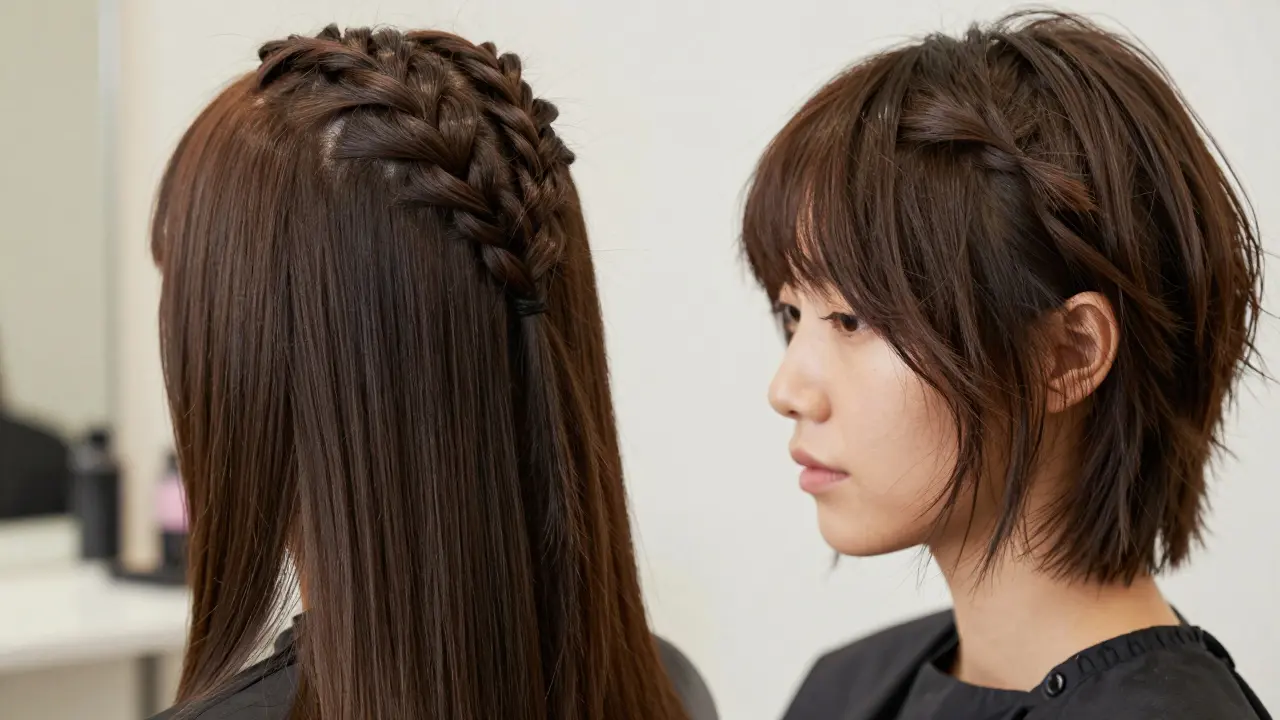
If you've ever wondered why some people's braids look seamless while yours feel bulky at the roots or thin at the ends, the answer usually lies in the distribution of weight. A blunt cut puts all the mass at the bottom, while layers spread it out. When you start crossing strands of hair over each other in a braid, that distribution shifts, and that's where the struggle begins.
The Truth About Blunt Cuts and Braiding
A blunt cut is a style where hair is cut straight across the bottom with no gradual shortening of the lengths. It's the gold standard for creating the illusion of thickness. If you have fine hair, this is your best friend because it makes the ends look dense and healthy.
When it comes to braids, blunt cuts are a powerhouse for the ends. Because the hair is all one length, your braider has a consistent amount of hair to grip as they reach the tail. This means your braids won't taper off into thin, wispy points too quickly. You get a fuller, more uniform look from the scalp all the way to the tip. However, there's a trade-off. Because all the hair is the same length, the weight is concentrated. If you're doing heavy extensions, a blunt cut can actually make the braids feel heavier on your head, potentially increasing tension on your edges.
Dealing With Layers and Shaggy Cuts
On the flip side, we have layered haircuts. These involve cutting hair at different lengths to create volume and movement. Specifically, shaggy layers are a choppy, textured style with a lot of short-to-medium length pieces throughout the crown and sides. They are amazing for an effortless, "cool girl" vibe when your hair is down, but they introduce a bit of chaos when you start braiding.
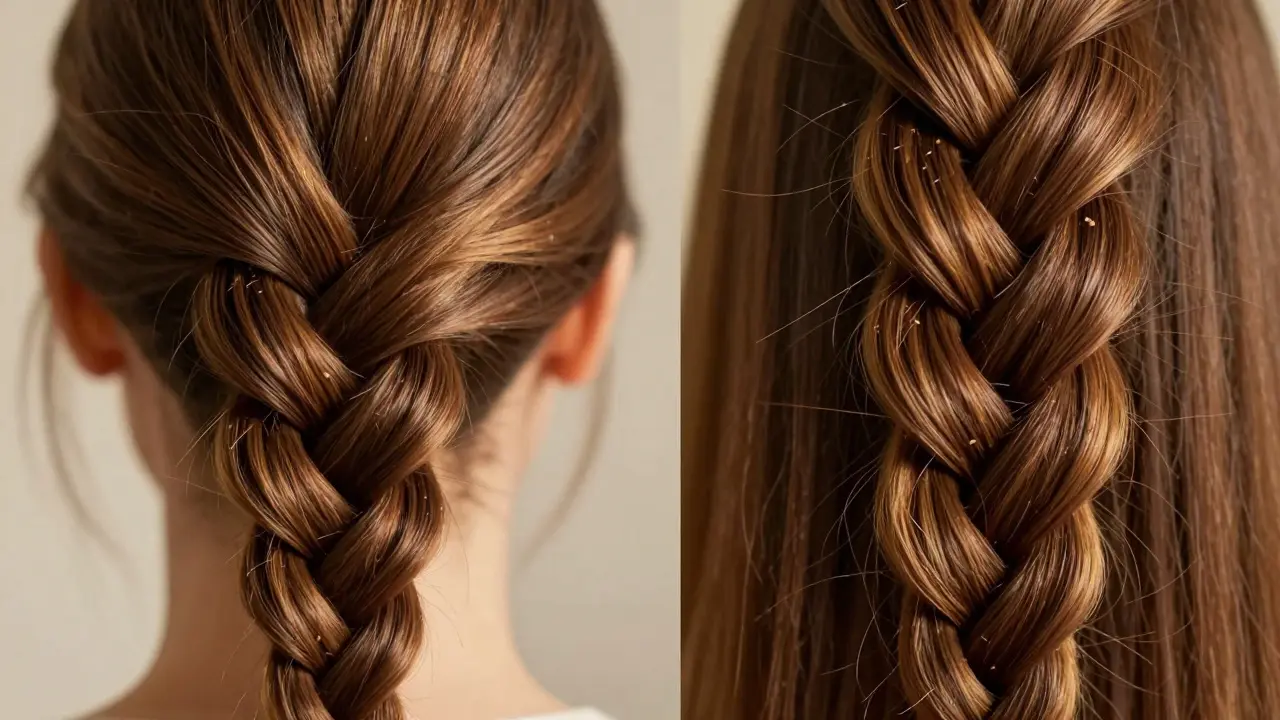
The biggest headache with layers is the "poke-out." Since you have shorter pieces scattered throughout your head, those ends don't always reach the end of the braid. Instead, they pop out along the length of the plait. If you're doing a single French braid, you might see tiny bits of hair escaping every few inches. This can make the style look messy or undone. If you're getting professional box braids or cornrows, your stylist might have to tuck these shorter pieces in carefully, or you'll find yourself using a lot of edge control gel and mousse to keep those shaggy bits from frizzing out.
Comparing the Two for Different Braid Styles
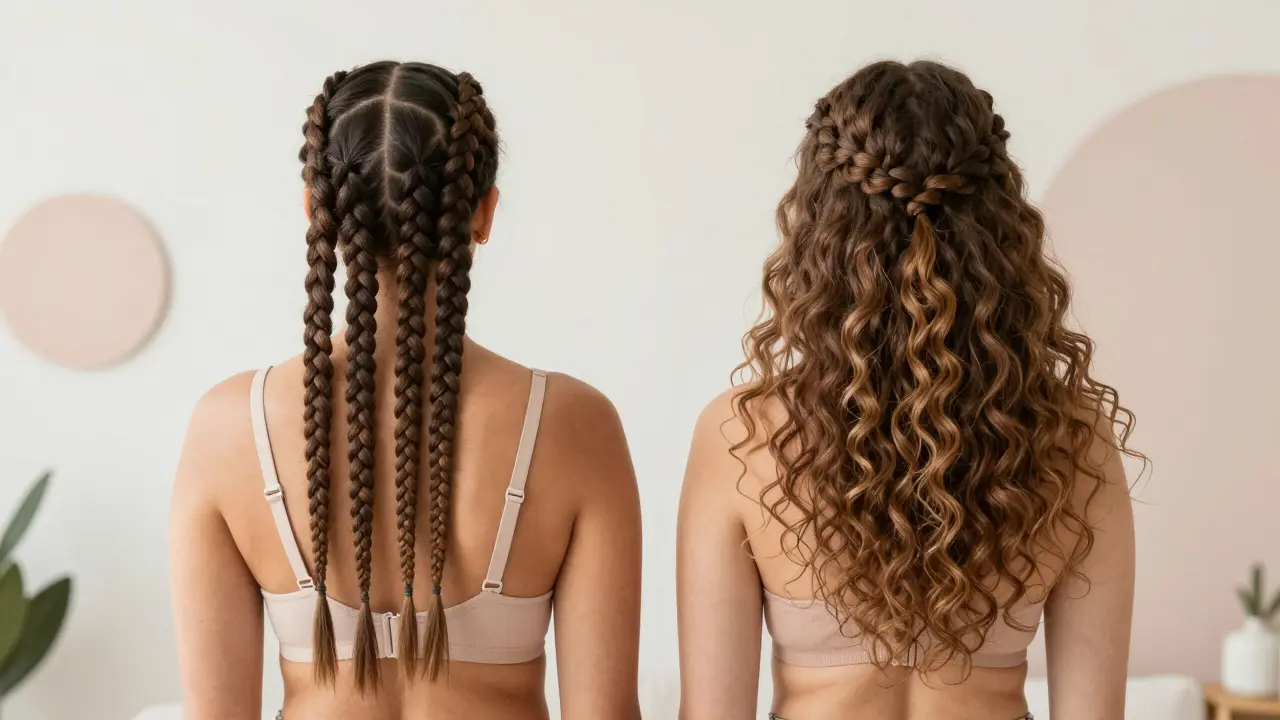
Not all braids are created equal. The "better" cut depends entirely on what you're planning to get. For example, if you're going for a sleek, long look with extensions, a blunt cut is usually a safer bet. But if you're doing something more relaxed, like bohemian braids with loose curly ends, layers can actually blend in and look natural.
| Braid Type | Blunt Cut Result | Layered/Shaggy Result | Winner |
|---|---|---|---|
| Box Braids | Uniform ends, easier to seal | Varying lengths, some stray hairs | Blunt Cut |
| Cornrows | Heavy feel, very sleek | Lighter feel, possible flyaways | Tie |
| Boho Braids | Can look too "stiff" | Blends perfectly with curls | Layered |
| French Braids | Clean, structured look | Textured, a bit messy | Blunt Cut |
If you're choosing between the two and you plan on braiding your hair frequently, think about your maintenance. Blunt cuts require less "tucking" during the braiding process. Shaggy layers require a more skilled hand to ensure the shorter pieces don't create gaps in the braid's structure.
The Tension Factor and Scalp Health
We need to talk about hair tension. This is the amount of pull on the hair follicle when a braid is tightened. Your haircut actually affects how this tension is distributed. With a blunt cut, the weight is evenly balanced across the strand. With layers, you have varying weights. In some spots, the braid might feel tighter because there's less hair to distribute the pull, while in other spots, it's loose because of a short layer.
For those prone to traction alopecia or thinning edges, the slightly lighter weight of a layered cut can actually be a benefit. It reduces the overall load on the scalp. But again, this comes at the cost of the aesthetic "cleanliness" of the braid. You have to decide: do you want the polished look of a blunt cut or the lighter, more breathable feel of a shaggy style?
How to Prep Your Cut for Braiding Day
Regardless of which cut you have, you can minimize the downsides with a few simple tricks. If you have shaggy layers and you're terrified of the poke-outs, try using a braiding pomade. This isn't just about shine; it's about grip. A heavy-duty pomade helps the braider "glue" those shorter pieces into the main plait, preventing them from sliding out.
If you have a blunt cut and feel like your braids are too heavy, ask your stylist for a "tapered" end if you're using extensions. This means they gradually reduce the amount of synthetic hair as they reach the bottom, mimicking the look of layers without the annoyance of short pieces popping out of the middle of the braid.
- For Blunt Cuts: Focus on deep conditioning the ends. Since all the weight is at the bottom, the ends take the most wear and tear during the unraveling process.
- For Shaggy Layers: Trim your layers about two weeks before braiding. This removes split ends that are more likely to slip out of a braid.
- For Both: Always blow-dry your hair straight before braiding. It makes the length of your cut more apparent to the braider and helps them manage the layers or the bulk more efficiently.
What Happens During the Take-Down?
The moment of truth comes when you take your braids out. This is where the difference in cuts becomes incredibly obvious. When you undo a blunt cut, your hair returns to its structured, heavy baseline. It's easy to manage, but you might find it lacks volume at the roots.
When you undo shaggy layers, you get an immediate burst of volume. The braids have essentially "compressed" your layers, and once released, the hair often has a natural wave and lift. However, if you had many short pieces popping out of the braids, you might find more tangles and knots in those specific areas. The friction of the shorter hairs rubbing against the longer ones inside the braid can create "micro-knots" that require a good leave-in conditioner and a wide-tooth comb to resolve.
Final Verdict: Which One Wins?
If we're talking strictly about the best haircut for braids in terms of neatness, longevity, and ease of styling, the blunt cut wins. It provides a consistent canvas that allows the braid to maintain its integrity from root to tip. You don't have to fight against your own hair to keep the style looking polished.
However, if you prioritize comfort, volume, and a more relaxed aesthetic, shaggy layers are the way to go. They might require more effort during the braiding process and a bit more gel to keep things tidy, but they offer a lightweight feel that blunt cuts can't match. Ultimately, it depends on whether you want your braids to look like a sculpture or a vibe.
Will layers make my braids fall out faster?
Not necessarily, but they can make the braids feel looser. Shorter layers can slide out of the braid more easily than long, uniform hair, which might give the impression that the braid is unraveling. Using a strong-hold braiding wax can help lock these shorter pieces in place.
Can I get a blunt cut if I usually wear my hair in braids?
Yes, and it's actually recommended for a cleaner finish. A blunt cut ensures that your natural hair blends seamlessly with extensions, preventing the "thinning" look at the ends of your braids.
How do I hide shaggy layers in my cornrows?
The best way is to use a combination of a jam or pomade and a fine-tooth rat-tail comb. Your braider can use the comb to pull the shorter layers into the center of the braid and seal them with product, preventing them from poking out.
Does hair length matter more than the cut?
Length is important for the style you can achieve, but the cut determines the quality of the braid. Short hair with a blunt cut can still look great in braids, whereas very long hair with extreme layers might struggle with flyaways and instability.
Do layers cause more tangling in braids?
They can. Because different lengths of hair are rubbing against each other within the same plait, you're more likely to develop small knots, especially near the ends where the layers terminate.


Vimal Kumar
April 13, 2026 AT 08:19This is a great breakdown of the logistics. I've always found that prepping with a good blow-dry makes a world of difference for the braider too, keeps the whole process smoother for everyone involved.
Rohit Sen
April 14, 2026 AT 08:41Blunt cuts are overrated. Layers are just superior for any real style.
Noel Dhiraj
April 16, 2026 AT 06:51just use a bit more jam and you are good to go regardless of the cut keep pushing for that look you want!
Amit Umarani
April 16, 2026 AT 13:40The logic here is mostly fine, though the phrasing in the second section is a bit clunky.
vidhi patel
April 17, 2026 AT 05:46The lack of precision in the terminology used throughout this text is utterly appalling. One must adhere to strict linguistic standards when discussing the technicalities of cosmetology, yet this author chooses to wallow in mediocrity.
Diwakar Pandey
April 18, 2026 AT 09:01I think the point about traction alopecia is really important. A lot of people forget that the weight of the style matters more than the look.
Geet Ramchandani
April 19, 2026 AT 11:28Imagine thinking a blunt cut is a 'powerhouse' when in reality it just makes your head look like a literal brick if you don't have the perfect face shape, and the way this is written as if it's some groundbreaking revelation is honestly just embarrassing and a waste of my time because we all know a bad braider will mess up a blunt cut just as fast as a layered one.
Ajit Kumar
April 20, 2026 AT 01:48It is fundamentally imperative that we prioritize the biological health of the scalp over the fleeting whims of aesthetic trends, for the pursuit of a 'polished look' should never supersede the moral obligation to maintain one's physical well-being and prevent permanent follicle damage.
Priti Yadav
April 20, 2026 AT 12:15The way they talk about 'sealing' the hair is just a cover for the chemicals they're putting in those pomades to keep us compliant. Don't trust the 'industry' standards without checking the ingredients list first!
Pooja Kalra
April 21, 2026 AT 21:37The tension of the braid mirrors the tension of the soul. We seek structure in our hair to hide the chaos within.
Sumit SM
April 22, 2026 AT 11:29Exactly...!! the duality of the blunt vs the layered... it's almost poetic...!!! we are all just trying to hold things together... one plait at a time...!!!