

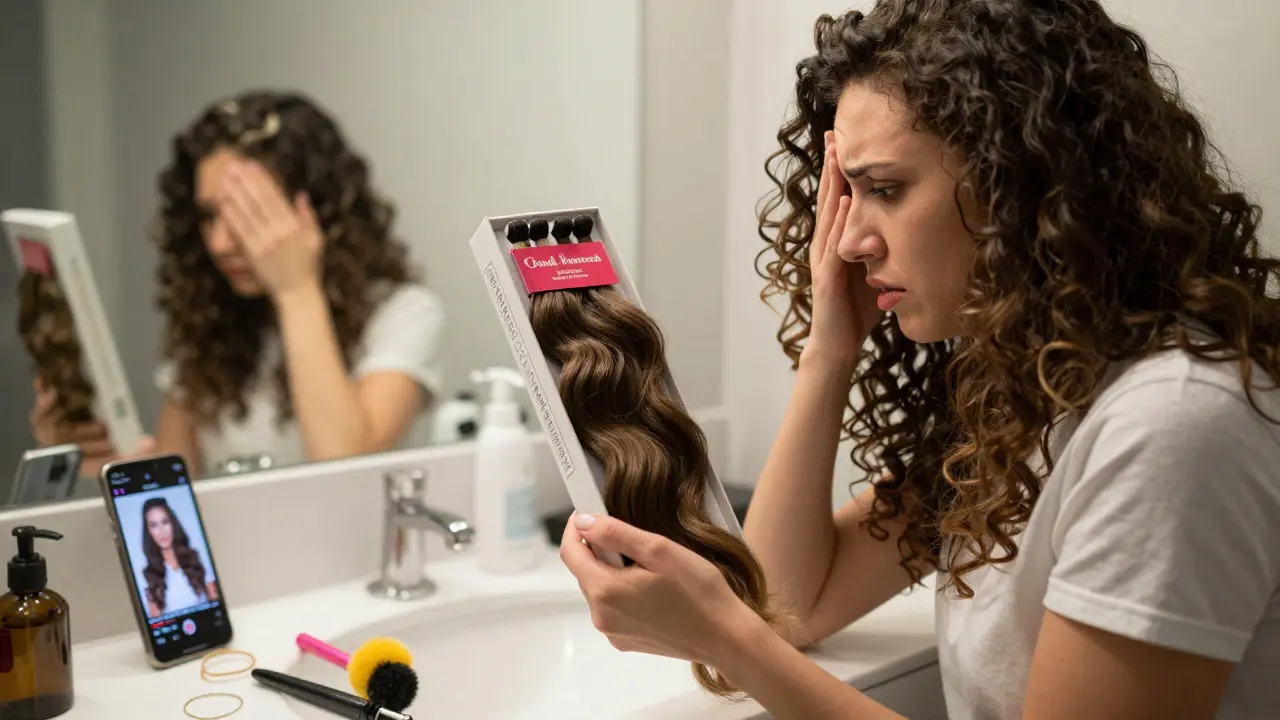
Running a hair extensions business sounds glamorous-until you’re dealing with a customer who opened a box and found mismatched curls, or another who says their extensions fell out after two days. The truth? The biggest hurdles aren’t about sourcing hair or shipping packages. They’re about customer service-and the expectations people bring to something they’re putting on their head.
Customers Expect Salon-Quality Results, But They’re Buying Online
Most people who buy hair extensions online have never had them installed by a professional. They see a 10-second TikTok video of someone flipping their hair and assume the same result is guaranteed. They don’t realize that texture, density, and color matching require expertise. When the hair doesn’t blend, they don’t blame the lighting or their own styling skills-they blame you.One Houston-based owner told me her return rate spiked after a viral video showed a customer’s extensions looking ‘cheap and plastic.’ The video didn’t show how the buyer washed the hair with sulfates or used heat tools on high settings. But the damage was done. Customers started messaging: ‘This isn’t what I saw online.’ You can’t control their actions, but you can control how you respond.
Quality Inconsistency Is a Constant Battle
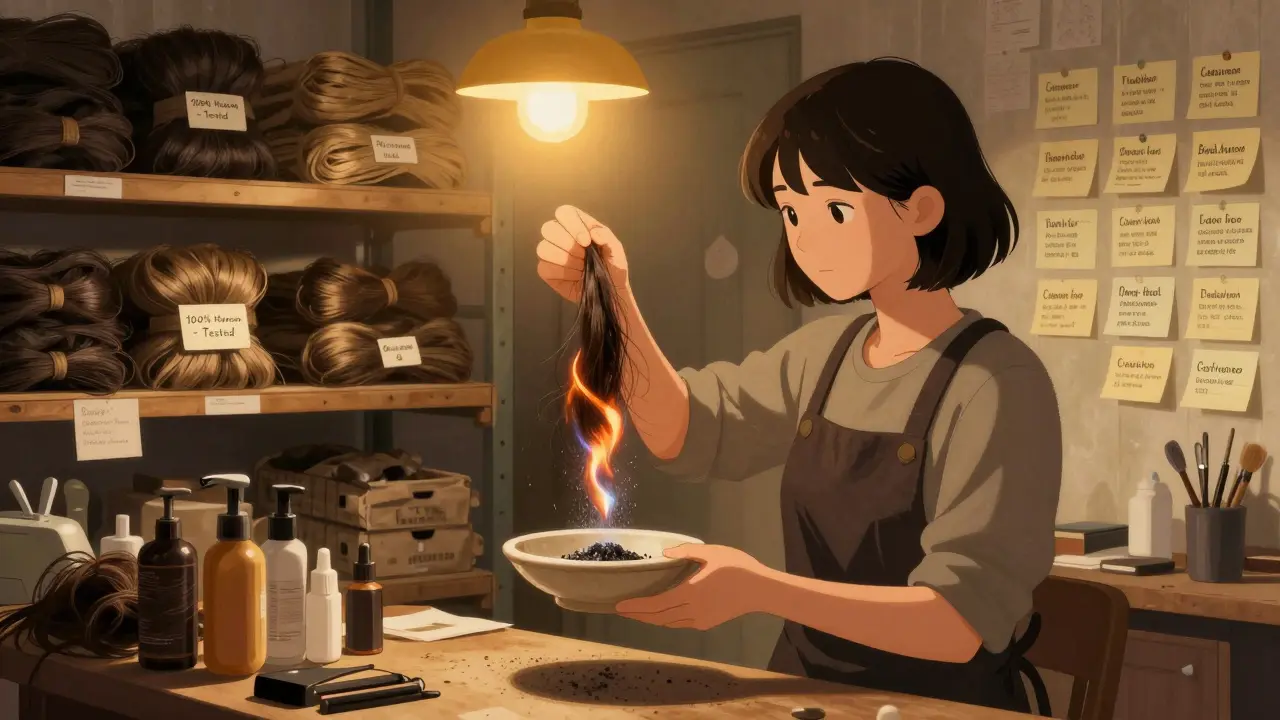
Not all Remy hair is created equal. Some vendors sell ‘100% human hair’ that’s actually mixed with synthetic strands or low-grade wefts. Buyers notice when the texture changes halfway through the bundle. Or when the hair sheds after one wash. You can’t afford to cut corners, but you also can’t always verify every batch yourself.One business I spoke to started testing every 10th bundle by burning a strand. If it melts like plastic, it’s not human hair. If it smells like burning hair and turns to ash, it’s real. That added $200 a week in labor, but their return rate dropped by 40%. It’s not glamorous work, but it’s the only way to build trust.
Shipping Delays and International Supply Chains Are a Nightmare
Most hair extensions are sourced overseas-Vietnam, China, India. Even with reliable suppliers, customs holdups, weather delays, or labor strikes can leave you without stock for weeks. Customers don’t care about geopolitical issues. They just know their order was supposed to arrive before their wedding, and now it’s late.One business in Texas lost 17% of their sales during the 2024 port strikes. They started sending weekly updates: ‘Your order is in Vietnam, customs cleared, shipped out on [date].’ They even included a map graphic. It didn’t fix the delay, but it reduced angry emails by 60%. Transparency isn’t optional anymore.
Color Matching Is a Science Most Customers Don’t Understand
A customer sends a selfie taken in their bathroom under fluorescent lights and says, ‘Match this.’ But the lighting changes everything. The same shade looks ash blonde in daylight and golden in sunset. You send them the closest match, and they come back saying it’s ‘too yellow’ or ‘too gray.’Some businesses now offer free color swatch kits for $5 (refundable with purchase). Others use AI tools that analyze lighting in uploaded photos to recommend the best shade. One brand started including a small strand of each color option in every order-free. Customers loved it. They felt like they were getting a consultation, not just a product.
Customer Service Isn’t Just Responding-It’s Teaching
The biggest complaint? ‘I didn’t know how to care for it.’ People wash extensions like their own hair. They sleep in them. They use cheap sprays that build up and dry them out. Then they blame the product.Instead of just replying to complaints, top businesses send a short video with every order: ‘How to wash your extensions in 30 seconds.’ They include care tips on the packing slip. They answer DMs with voice notes. One owner said, ‘I spend more time teaching customers how to use my product than I do selling it.’ And guess what? Those customers become repeat buyers.
Returns Are Expensive-and Often Unnecessary
A single return costs $12-$18 in shipping and restocking. And 70% of returns? The customer just didn’t like the look. Not because it was damaged. Not because it was low quality. Just because it didn’t match their fantasy.Some businesses now require customers to watch a 90-second video on styling and care before checking out. Others use a quiz: ‘What’s your hair texture? Do you use heat tools daily?’ Based on answers, they recommend a specific product. One brand saw a 35% drop in returns after adding this step.

Reviews Can Make or Break You
One bad review with a photo of frizzy extensions can tank your conversion rate. But here’s the thing: most negative reviews come from people who never reached out first. They didn’t ask for help. They just left a 1-star rating.Top businesses now have a ‘We’re Here to Help’ button on their website. If someone leaves a negative review, they get a personal email: ‘We’re sorry you had this experience. Can we send you a replacement or a refund? We’d love to make this right.’ They don’t ask for the review to be removed. They just fix it. And 80% of those customers update their review to 5 stars.
The Real Challenge? Managing Expectations
The hair extensions business isn’t about selling hair. It’s about selling confidence. People buy extensions because they want to feel beautiful, powerful, or like themselves again. When the product doesn’t deliver, it’s not just a return-it’s a broken promise.That’s why the most successful owners don’t just sell hair. They sell education. They build relationships. They respond like a friend, not a bot. They admit when they can’t fix something. And they make sure every customer leaves feeling heard-even if they didn’t get what they wanted.
It’s not easy. But it’s the only way to survive in a market where anyone can open a Shopify store and sell a bundle of hair for $29.99. If you want to stand out, you don’t need the cheapest product. You need the most thoughtful service.
Why do hair extension customers return products so often?
Most returns happen because customers didn’t understand how to care for the extensions, expected salon-quality results from a DIY product, or were misled by lighting in online photos. Poor communication and lack of guidance lead to mismatched expectations.
How can I reduce returns in my hair extensions business?
Require customers to complete a short quiz about their hair type and styling habits before purchase. Include a care video with every order. Offer free color swatch kits. These steps help customers choose the right product upfront and reduce post-purchase disappointment.
Is it worth investing in quality control for hair extensions?
Yes. Testing even 10% of your inventory for authenticity-like the burn test-can cut returns by 30-40%. Customers notice when hair sheds, tangles, or looks synthetic. Consistent quality builds trust, which leads to repeat sales and positive reviews.
How do I handle negative reviews effectively?
Don’t ignore them. Reach out personally via email or DM: ‘We’re sorry you had a bad experience. Can we send you a replacement or refund?’ Most customers will update their review if you fix the problem without asking for a favor. This turns critics into loyal customers.
What’s the biggest mistake new hair extension sellers make?
They treat it like a dropshipping business-focus on low price and fast shipping. But hair extensions are personal. Customers need guidance, reassurance, and education. The best sellers don’t just ship hair-they build relationships and teach customers how to use the product right.
What Comes Next?
If you’re running a hair extensions business and you’re tired of constant returns and angry messages, start here: stop selling hair. Start teaching people how to wear it. Send care instructions before they open the box. Offer a live video call for color matching. Respond to every message like it’s your best friend asking for help.It’s harder than just listing products. But it’s the only way to survive when everyone else is competing on price. Your customers don’t want the cheapest hair. They want to feel confident. And that’s something no algorithm can replicate.



Tina van Schelt
January 1, 2026 AT 03:28Y’all act like customers are the problem, but let’s be real-most of us just want to feel like we’re not getting scammed. I bought extensions once because I saw a TikTok of someone with ‘luxe mermaid waves’-turned out it was a wig with a bad glue job. I didn’t know how to care for it, and no one told me. Now I always ask for the care video. That’s the difference between a vendor and a real business.
Ronak Khandelwal
January 3, 2026 AT 01:47Love this post 🙌 Honestly, hair extensions are more than a product-they’re a confidence booster. I’ve seen women cry because their extensions looked ‘cheap’-not because the hair was bad, but because they felt invisible without it. Teaching customers how to wear it? That’s not customer service. That’s soul work. We need more of this in e-commerce. You’re not selling hair-you’re selling hope. And hope? It’s not returnable.
Jeff Napier
January 3, 2026 AT 22:38Sibusiso Ernest Masilela
January 5, 2026 AT 04:00Oh please. You’re not ‘teaching’-you’re babysitting adults who can’t read a damn label. I’ve seen your ‘care instructions’-they’re written in kindergarten English. If you can’t figure out not to use sulfate shampoo on extensions, maybe you shouldn’t be allowed to touch your own hair. This isn’t customer service. It’s a support group for people who think their hair is a personality trait.
Daniel Kennedy
January 5, 2026 AT 23:09Jeff, you’re missing the point. This isn’t about being a therapist-it’s about being human. I run a small biz too. Last week, a customer sent me a photo of her extensions tangled after one wash. I didn’t send a refund. I sent her a 2-minute voice note showing how to detangle with a wide-tooth comb. She cried. Then she bought two more bundles. That’s not a sale. That’s a relationship. You don’t fix returns by being cold-you fix them by being present.
Taylor Hayes
January 6, 2026 AT 05:00Sanjay’s point about the burn test? Genius. I started doing that after a batch came in that smelled like a plastic bag on fire. Turned out 30% was synthetic. I posted a video of the test-no caption, just the flame and the ash. Customers loved it. One said, ‘I didn’t know anyone still did this.’ That’s the kind of trust you can’t buy with ads. It’s earned by showing your work.
Sanjay Mittal
January 7, 2026 AT 06:01Color matching is the real nightmare. I had a customer send me a selfie under her kitchen LED. Said it was ‘natural blonde.’ The photo looked like a neon sign. I sent her three swatches-she picked the one that looked darkest. Turned out her bathroom lighting was the issue. Now I include a small mirror in every order. Simple. Cheap. Effective. No one needs AI when you give them a tool to see for themselves.
Mike Zhong
January 8, 2026 AT 23:53Let’s not romanticize this. People return extensions because they’re lazy. They want the look without the effort. You think a 30-second video is going to change that? Nah. They’ll skip it, wash it in hot water, sleep in it, and blame you. The only thing that works? A no-return policy for ‘didn’t like the look.’ No refunds. No replacements. Let the market sort the responsible from the entitled.
Jawaharlal Thota
January 10, 2026 AT 07:27Look, I’ve been in this game for 12 years. I’ve shipped hair to Alaska, Nigeria, and a woman in Fiji who wanted ‘sun-kissed caramel’ because she was watching a Netflix show set in Bali. You can’t control lighting, you can’t control washing habits, you can’t control the fact that some people think ‘Remy’ means ‘royal’ and not ‘cuticle-aligned.’ But you can control your response. I reply to every DM with a voice note. Even if it’s just ‘I hear you.’ That’s it. No script. No sales pitch. Just presence. And guess what? Those are the people who come back. Not because they got a discount. Because they felt seen.
Kevin Hagerty
January 12, 2026 AT 07:24Albert Navat
January 12, 2026 AT 19:59Let’s talk about the burn test. You’re doing it wrong. You’re burning a strand. That’s reactive. You need to be proactive. Run a spectroscopy scan on every batch. Use FTIR to detect synthetic polymer content. If you’re not validating the molecular composition, you’re not a business-you’re a gamble. And if you’re not tracking your supplier’s lab reports with blockchain verification, you’re leaving money on the table and risking your brand’s integrity. This isn’t about ash or melting-it’s about data integrity.
King Medoo
January 14, 2026 AT 07:41People think this is about hair. It’s not. It’s about identity. We’re not selling extensions. We’re selling versions of people who feel broken. I had a cancer survivor order 3 bundles. Wrote me: ‘I just want to feel like me again.’ I didn’t send a video. I sent a handwritten note and a free silk pillowcase. She cried in her review. And yes, she’s a customer for life. You can’t automate that. You can’t A/B test it. You just have to care. And if you can’t? Then maybe you shouldn’t be in this business.