
When it comes to removing unwanted hair-especially around the eyebrows, upper lip, or chin-most people choose between two simple methods: plucking with tweezers or waxing with strips or hot wax. Both work. Both hurt. But which one gives you longer-lasting results without wrecking your skin? And is one actually better for sensitive skin or fine hair? Let’s break down what really happens when you pluck versus wax, and what you should expect after each method.
How Plucking Works
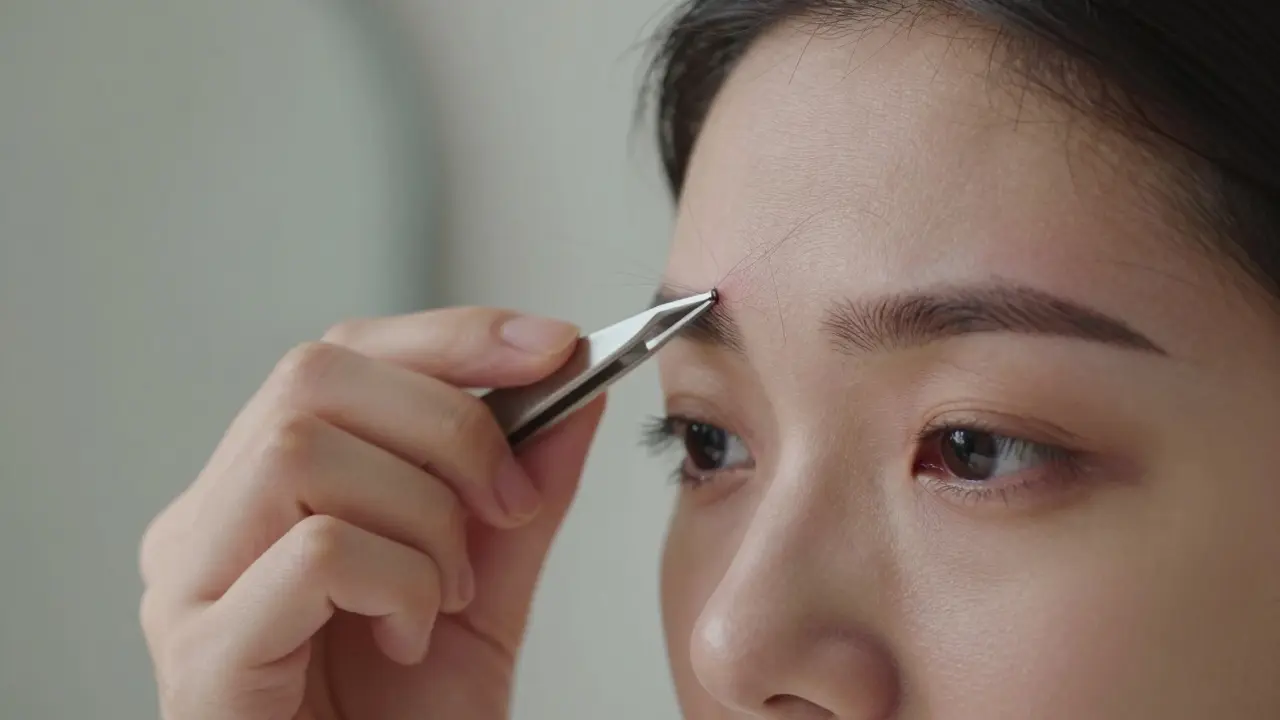
Plucking, or tweezing, means pulling out individual hairs one at a time using a pair of precision tweezers. It’s the oldest hair removal method humans have used, and it’s still common because it’s cheap, portable, and doesn’t require special tools.
When you pluck, you’re removing the hair from the root. That means it takes longer to grow back-usually three to six weeks-compared to shaving, which only cuts the hair at the surface. The results are clean and precise, which is why it’s the go-to method for shaping eyebrows. You can control exactly which hairs come out, so you can create sharp, natural-looking arches without overdoing it.
But here’s the catch: plucking is slow. If you’re tackling a full upper lip or a patchy chin, you’re looking at 15 to 30 minutes of focused, sometimes painful, tugging. And if you miss a hair or pull at the wrong angle, you might break it instead of removing it entirely. Broken hairs grow back faster and can look like stubble.
How Waxing Works
Waxing uses a sticky substance-either soft wax, hard wax, or pre-made strips-to remove multiple hairs at once. The wax is applied warm (or sometimes cold) over the skin, pressed down with a cloth or paper strip, then ripped off quickly in the opposite direction of hair growth. This pulls out the entire hair from the follicle.
Waxing removes hair more efficiently than plucking. A single pass over your upper lip or underarms can clear dozens of hairs in seconds. Results last four to six weeks, and over time, many people notice hair grows back finer and sparser because repeated waxing weakens the follicles.
But waxing isn’t as precise as plucking. If you’re trying to define a thin eyebrow line, waxing can be too blunt. You might end up removing too much hair or creating uneven edges. Also, waxing requires more setup: you need wax, applicators, strips, and sometimes a heater. And if you’re doing it at home, you risk burns, skin tears, or ingrown hairs if the wax is too hot or you don’t prep your skin properly.
Pros of Plucking
- Exact control-you remove only the hairs you want, making it perfect for shaping eyebrows or cleaning up stray hairs.
- No special tools needed-just a good pair of tweezers and a mirror.
- Lower risk of irritation-since it’s targeted, you avoid pulling on large areas of skin.
- Safe for sensitive skin-no chemicals, no heat, no adhesive residue.
- Cost-effective-a decent pair of tweezers costs under $10 and lasts years.
Cons of Plucking
- Time-consuming-removing even 50 hairs one by one takes patience.
- Painful for large areas-it’s manageable for eyebrows, but doing legs or underarms with tweezers is impractical.
- Breakage risk-if the hair is too short or coarse, you might snap it instead of pulling it out, leading to ingrown hairs.
- Can cause folliculitis-if your tweezers aren’t clean, you risk introducing bacteria into the follicle, leading to red bumps or infection.
- Not ideal for fine or light hair-fine hairs are harder to grip, making plucking less effective.
Pros of Waxing
- Fast coverage-removes dozens of hairs in one motion, great for larger areas like legs, arms, or back.
- Longer-lasting results-hair takes longer to regrow because the entire follicle is pulled out.
- Smother skin-no stubble for days after, unlike shaving.
- Can reduce hair growth over time-regular waxing can thin out hair density in treated areas.
- Professional results-salon waxing gives you clean, even lines without the guesswork.

Cons of Waxing
- Painful-ripping wax off skin feels like a sudden, sharp tug. First-timers often describe it as unbearable.
- Risk of skin damage-wax can tear thin skin, especially around the eyes or lips. People with rosacea, eczema, or acne-prone skin should avoid it.
- Ingrown hairs-waxing can cause hairs to curl back under the skin, especially if you don’t exfoliate before or after.
- Cost and convenience-salon sessions cost $20-$60 per area. At-home kits require buying wax, strips, and cleaning supplies.
- Not suitable for very short hair-hair needs to be at least 1/4 inch long (about 2-3 weeks of growth) for wax to grip it properly.
Which One Is Better for Eyebrows?
If you’re shaping eyebrows, plucking is still the gold standard. Why? Because eyebrows require precision. A single misplaced hair can change your whole face. Waxing brows can remove too much, leaving you with thin, uneven arches that take months to grow back.
Many professionals use a combination: they wax the bottom edge to clear bulk hair quickly, then use tweezers to refine the top and define the tail. But even then, most estheticians agree: for detailed shaping, tweezers win.
Some people try hard wax for eyebrows because it’s less likely to stick to skin than soft wax. But even hard wax can pull too much if not applied carefully. And if you’re doing it yourself at home, the risk of over-waxing is high.
What About Skin Sensitivity?
If your skin reacts easily-redness, itching, breakouts after hair removal-plucking is safer. Waxing strips can irritate sensitive skin with adhesive residue, and hot wax can cause burns or micro-tears.
People using retinoids, acne medications like Accutane, or topical exfoliants like glycolic acid should avoid waxing. These products thin the skin and make it more vulnerable to damage. Plucking doesn’t interfere with these treatments.
After waxing, you should avoid sun exposure, saunas, and heavy sweating for 24 hours. Plucking doesn’t require any downtime.
Long-Term Effects: Hair Growth Changes
There’s a myth that waxing makes hair grow back thicker. That’s not true. What actually happens is that hair regrows with a blunt tip after waxing or plucking, making it feel coarser when it first emerges. But over time, repeated removal weakens the follicle. Studies show that consistent waxing every four to six weeks can reduce hair density by up to 30% after a year.
Plucking has a similar effect, but because it’s slower and less consistent, the reduction is usually less noticeable. Still, if you pluck regularly, you’ll notice fewer hairs appearing in the same spot over time.
Cost Comparison Over Time
Let’s say you get your eyebrows waxed every four weeks at a salon. That’s 13 sessions a year. At $30 per session, you’re spending $390 annually.
Plucking? A good pair of tweezers costs $15. You’ll need to replace them every few years. That’s less than $5 a year. Even if you buy a small waxing kit for $25, you’ll still save hundreds over time.
Waxing might be faster, but plucking is the clear winner if you’re budget-conscious and don’t mind spending a few minutes a week.
When to Choose Plucking
- You’re shaping eyebrows or removing a few stray hairs.
- You have sensitive, acne-prone, or reactive skin.
- You want to avoid heat, chemicals, or adhesives.
- You’re on a tight budget.
- You want to maintain precision and control.
When to Choose Waxing
- You’re removing hair from large areas like legs, arms, or back.
- You want longer-lasting smoothness without daily maintenance.
- You’re okay with occasional pain and downtime.
- You’re willing to invest in salon visits or quality at-home kits.
- You’ve been plucking for years and want faster results.
Final Verdict
There’s no single "best" method-it depends on what you’re removing and where. For eyebrows, fine facial hair, or small patches: plucking wins. For legs, underarms, or bikini lines: waxing is faster and more efficient.
Many people use both. They wax their legs and underarms every month, then tweeze stray hairs on their chin or between their brows. That’s smart. It combines the speed of waxing with the control of plucking.
Try one method for a few weeks. Track how your skin reacts, how long the results last, and how much time it takes. Then switch if needed. Your ideal method isn’t the one everyone else uses-it’s the one that works for your skin, your schedule, and your comfort level.
Does plucking cause ingrown hairs?
Yes, but less often than waxing. Ingrown hairs happen when a hair breaks off under the skin instead of being fully removed. To prevent this, always pluck in the direction of hair growth, use clean tweezers, and gently exfoliate the area a few times a week.
Can I wax if I have acne?
Avoid waxing over active acne, open sores, or inflamed pimples. Waxing can spread bacteria, irritate breakouts, and leave scars. Stick to plucking for stray hairs near acne-prone areas, and let the skin heal before waxing.
How long should hair be for waxing?
Hair needs to be at least 1/4 inch long-about the length of a grain of rice. That’s typically 2 to 3 weeks of growth. If it’s too short, the wax won’t grip it. If it’s too long, it can be more painful and harder to remove cleanly.
Is waxing better than plucking for thick hair?
Yes. Thick, coarse hair is easier to grip and remove with wax because it pulls multiple hairs at once. Plucking thick hair can be painful and tiring, and you’re more likely to break the hair instead of removing it fully.
Can I switch from plucking to waxing?
Absolutely. Many people switch once they get tired of tweezing daily. Just let your hair grow out for 2-3 weeks before your first wax. Your skin might be more sensitive at first, so start with a small area and use a gentle wax formula.