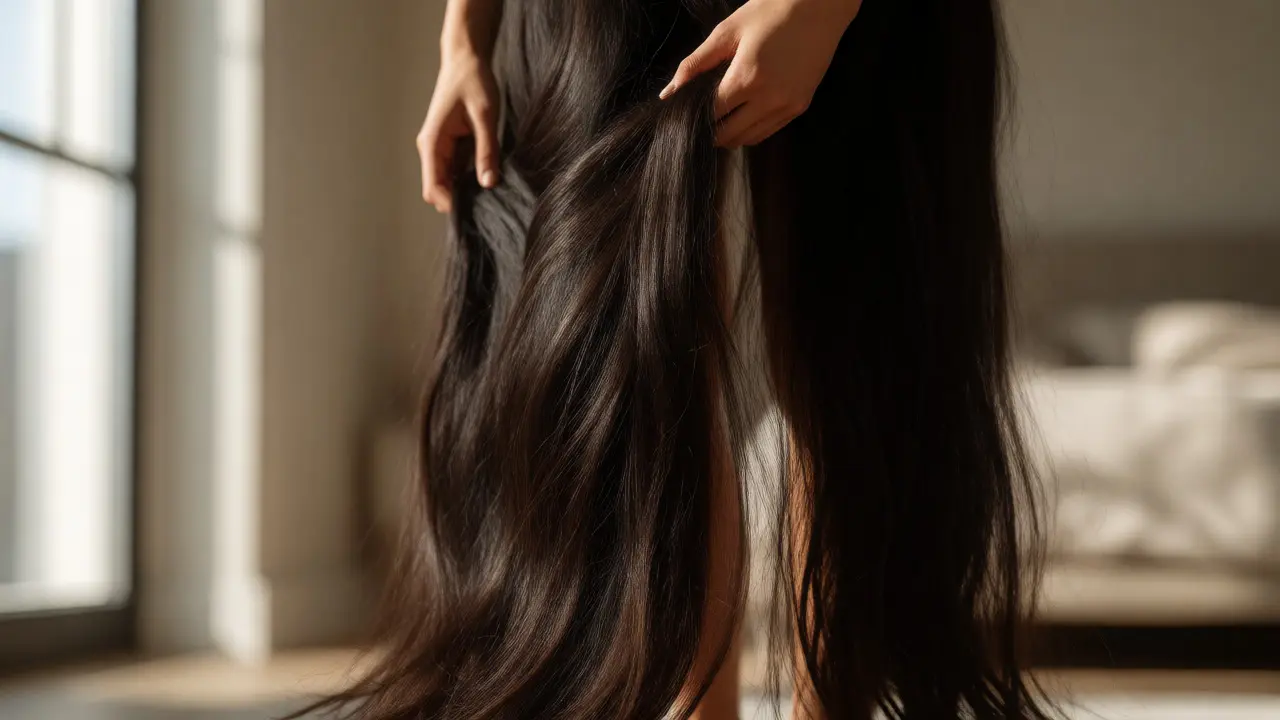
Imagine bending down to tie your shoe and accidentally stepping on a three-foot curtain of your own hair. That is the reality for anyone rocking knee-length hair. It’s dramatic, it’s beautiful, and it requires a completely different set of rules than shoulder-length cuts. You aren’t just managing strands; you’re managing weight, friction, and gravity. If you are thinking about growing yours out or already have this length, you might feel stuck in a loop of wearing it up because letting it down feels like too much work. But with the right techniques, you can actually enjoy having hair that reaches your knees without spending hours every morning fighting tangles.
The Reality Check: Why Length Changes Everything
Most styling advice online stops at mid-back length. Once you cross the waistline, physics starts working against you. The ends are older, drier, and more prone to breakage. The roots are often oilier because sebum has a harder time traveling all the way down the shaft. This creates a unique challenge: how do you style something that is both heavy and fragile? You need methods that distribute weight evenly and protect the delicate tips. Forget about quick blow-dries; air-drying takes forever, and heat tools can fry your ends before they even get warm. Instead, focus on styles that keep the hair contained while showcasing its length when appropriate.
Mastering the Basics: Preparation Before Styling
You cannot style knee-length hair if it is tangled. Trying to brush through knots after you’ve put your hair up is a recipe for pain and broken hairs. Start with a pre-styling routine that prioritizes slip and hydration. Use a wide-tooth comb, starting from the very tips and working your way up to the roots. Never start at the scalp; you will just push the tangles down into a tighter mess.
- Detangle damp: Apply a leave-in conditioner to damp hair to reduce friction.
- Protective base: Use a silk or satin pillowcase to minimize morning tangles.
- Sectioning: Divide hair into four sections (left, right, front, back) to manage bulk.
When your hair is fully dry and detangled, apply a lightweight oil to the last six inches. This seals the cuticle and adds shine, making the hair look healthy rather than straw-like. This step is non-negotiable for maintaining the integrity of such long strands.
Braids: Your Best Friend for Daily Wear
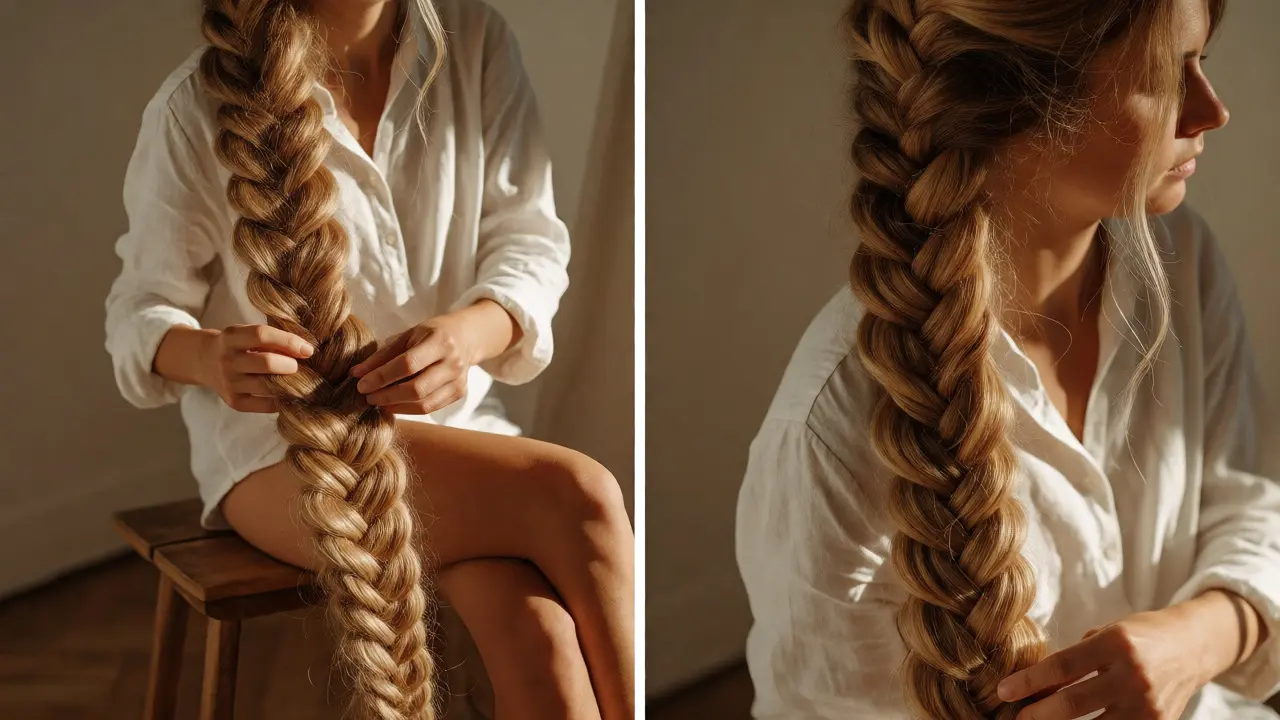
If you want to wear your hair down but keep it manageable, braids are the answer. They aren’t just for festivals; they are practical engineering for long hair. A standard three-strand braid is sturdy, but for knee-length hair, you need variations that don’t pull too hard on the scalp.
Try the Fishtail Braid. Unlike regular braids, fishtails use smaller sections, which means less tension on any single part of the scalp. They also hold their shape better throughout the day. Another great option is the Dutch Braid, which sits on top of the head rather than hanging down. This keeps the length off your back and prevents it from getting caught in zippers or bag straps. For a boho vibe, mix small loose braids into a half-up style. This gives you the best of both worlds: security and movement.
Updos That Actually Hold Weight
Ponytails are tricky with this much hair. A high ponytail can cause headaches because the weight pulls directly on the follicles. Instead, opt for low placements or structural updos that distribute the load.
| Style | Best For | Maintenance Level | Protection Factor |
|---|---|---|---|
| Low Bun | Daily wear, office settings | Low | High (ends tucked away) |
| Fishtail Braid | Casual outings, active days | Medium | Medium (reduces tangling) |
| Half-Up Half-Down | Events, showing off length | Low | Low (ends exposed) |
| Rope Twist | Quick fixes, beach days | Very Low | High (compact structure) |
A low bun is surprisingly easy to create securely. Gather your hair at the nape of your neck, twist it gently, and coil it around itself. Use multiple pins crossed in an X pattern rather than just one large clip. This anchors the bun to the scalp rather than relying on the hair’s own grip, which can slip with fine textures.
Heatless Curls for Volume Without Damage
Who wants to spend two hours curling knee-length hair? Probably no one. Heatless methods are not only faster but also preserve the health of your ends. Since you have so much length, you can use gravity to help set the shape.
One effective method is the sock curl technique. Wrap damp hair around a clean tube sock, securing the ends. Leave it overnight. When you take it out, you’ll have soft, natural waves that blend seamlessly into straighter roots. Another trick is braiding damp hair before bed. The tighter the braid, the crisper the wave. For knee-length hair, loose braids give you a beachy texture, while tight braids offer more defined ringlets. This saves your hair from thermal damage and keeps your ends intact longer.

Managing Frizz and Flyaways
With this much surface area, humidity is your enemy. Frizz makes knee-length hair look unkempt quickly. The solution isn’t always heavy serums, which can weigh hair down and make it look greasy. Instead, look for anti-humidity sprays applied to the mid-lengths and ends only. Avoid applying them near the roots unless you have extremely dry scalp issues.
Use a boar bristle brush to distribute natural oils from the scalp down the shaft. This acts as a natural conditioner and smooths the cuticle. If you notice static, run a dryer sheet over your hair or lightly mist it with water and a drop of conditioner. These small tweaks prevent the "halo" effect where frizzy hairs stand up around your face.
Accessorizing for Function and Fashion
Accessories aren’t just decorative; they are functional tools for long hair. Scrunchies made of silk or velvet are gentler than elastic bands, which can crease and break hair. Headbands are excellent for keeping front pieces out of your face without pulling back the entire mass of hair.
Consider using scarves tied around the base of a braid or bun. This adds color and hides any messy ends. Clip-in extensions can also be used strategically-not to add length, but to fill in sparse areas or add volume to thin spots caused by traction alopecia from years of heavy styling. Just ensure clips are placed on healthy hair, not directly on fragile ends.
Common Mistakes to Avoid
Many people treat knee-length hair like shorter hair, leading to unnecessary damage. Here are the biggest pitfalls:
- Tight Ponytails: Pulling hair back tightly every day causes receding hairlines. Alternate sides and keep tension low.
- Ignoring Trims: Even if you want length, you need micro-trims every 6-8 months to stop split ends from traveling up the shaft.
- Wet Sleeping: Going to bed with wet hair causes severe tangling and breakage. Always ensure hair is dry or loosely braided before sleep.
- Over-Washing: Washing daily strips natural oils. Aim for once a week or every other week, focusing shampoo on the scalp only.
By adjusting these habits, you maintain the length you’ve worked hard to grow while keeping it looking vibrant and healthy.
How long does it take to grow knee-length hair?
On average, hair grows about half an inch per month. Reaching knee length typically takes 5 to 7 years, depending on your growth rate, genetics, and how well you retain length by minimizing breakage. Consistent care is key to reaching this milestone.
Does knee-length hair make you look older?
Not necessarily. Very long hair can sometimes drag facial features down, making one appear older if it is flat or lifeless. Adding layers, volume at the crown, or bright highlights can counteract this effect, keeping the look youthful and fresh.
What is the best haircut for knee-length hair?
Long layers are ideal. They remove weight from the bottom, allowing the hair to move more freely and reducing strain on the scalp. Blunt cuts can look striking but are heavier and may require more effort to style smoothly.
How do I wash knee-length hair without tangling?
Apply conditioner generously from mid-lengths to ends before rinsing. Use your fingers to detangle while the conditioner is in. Rinse with cool water to seal the cuticle. After washing, blot dry with a microfiber towel instead of rubbing, which causes friction and knots.
Can I swim with knee-length hair?
Yes, but preparation is crucial. Wet your hair with fresh water first so it absorbs less chlorine or saltwater. Apply a leave-in conditioner or oil barrier. Braid it tightly or wear a silicone swim cap to prevent massive tangles that are difficult to undo afterward.