

You look in the mirror, and it happens again. That moment of panic when you realize your eyebrows are thinner than intended. Maybe you went too hard with tweezers last week, or perhaps an eyebrow wax pen slipped and took more hair than planned. It’s a common beauty mishap, but here is the good news: unless you have damaged the follicle permanently, those hairs will grow back. The question isn’t *if* they will return, but how fast you can encourage them and what to do while you wait.
Fixing overplucked eyebrows requires a two-pronged approach. First, you need to stop the damage and stimulate biological regrowth. Second, you need cosmetic tricks to make your brows look full immediately. This guide covers both aspects, helping you navigate the awkward phase until your natural shape returns.
The Biology of Brow Regrowth
To fix the problem, you first need to understand why it happened. Eyebrow hair follows a specific growth cycle consisting of three phases: anagen (growth), catagen (transition), and telogen (resting). Unlike scalp hair, which spends years in the growth phase, eyebrow hair only grows for about four to six months before resting for several months.
When you pluck or use an wax pen, you remove the hair from the root. If you repeatedly pull from the same spot, you can shorten the anagen phase or push the follicle into a longer telogen phase. In severe cases of chronic over-plucking over many years, the follicle may die entirely, leading to permanent thinning. However, for most people who made a one-time mistake or recently started over-grooming, the follicles are still alive-they just need time and care to wake up.
The average timeline for visible regrowth is six to eight weeks. Full density might take up to four months. Patience is your biggest tool here. Stopping all removal methods immediately is non-negotiable. No tweezers, no waxing, no threading. Let every single hair that wants to grow, grow.
Natural Remedies to Stimulate Growth
While waiting for nature to take its course, you can accelerate the process by improving the health of the skin and follicles around your brows. Healthy skin supports healthy hair. Here are the most effective, evidence-backed methods to encourage thicker regrowth.
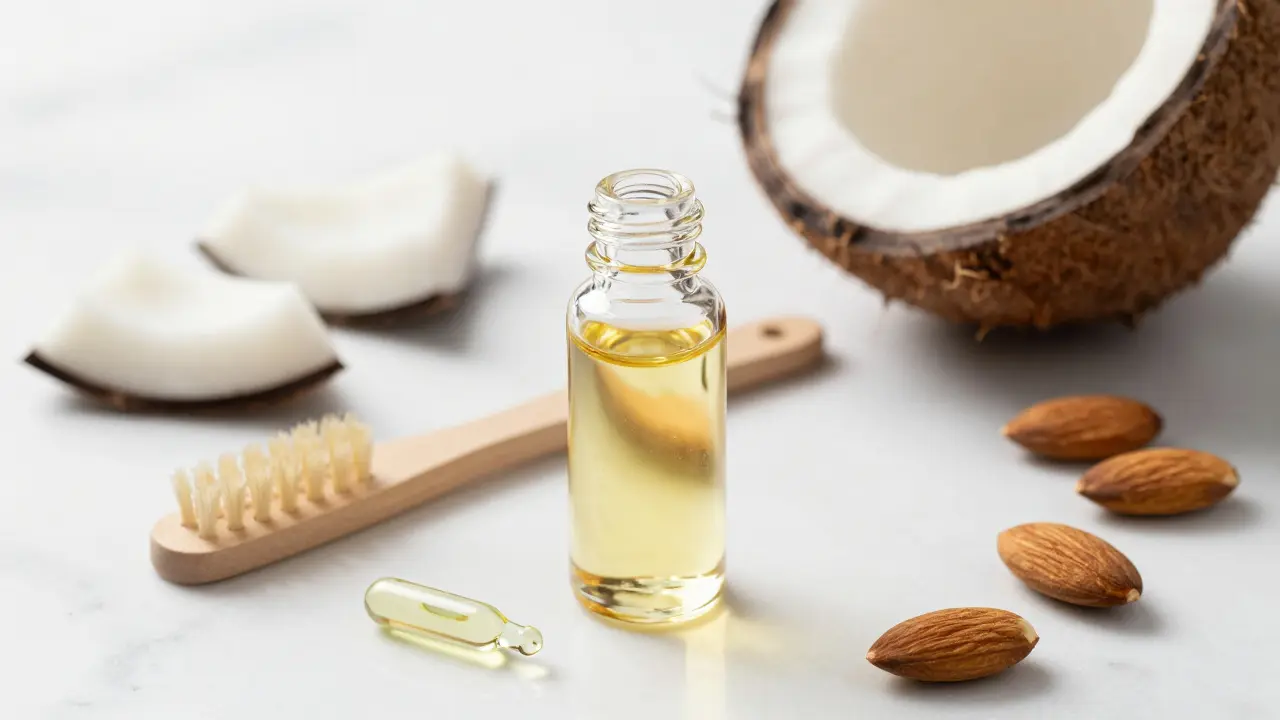
- Castor Oil: This is the gold standard in home remedies. Castor oil is rich in ricinoleic acid, which has anti-inflammatory properties and improves blood circulation to the area. Apply a small amount with a clean spoolie brush before bed. Look for cold-pressed, hexane-free castor oil for best results.
- Vitamin E Oil: Vitamin E acts as an antioxidant, protecting the hair follicles from oxidative stress. You can puncture a vitamin E capsule and apply the oil directly to sparse areas. It also helps heal any micro-tears in the skin caused by aggressive waxing or plucking.
- Coconut Oil: While lighter than castor oil, coconut oil penetrates the hair shaft well, preventing protein loss. It keeps the existing hairs strong so they don’t break off prematurely.
- Minoxidil (Rogaine): For stubborn cases, some dermatologists recommend using topical minoxidil. Originally designed for scalp hair loss, it works on eyebrows too by prolonging the growth phase. Note: Use this with caution. It can cause irritation, dryness, or unwanted hair growth on surrounding skin if not applied precisely. Consult a doctor before starting.
Consistency matters more than intensity. Applying a light layer of oil nightly is better than slathering it on once a week. Massage the area gently for thirty seconds to boost blood flow, which delivers nutrients to the dormant follicles.
Cosmetic Fixes for Immediate Volume
Regrowth takes months. You likely need to go to work, school, or social events tomorrow. Cosmetic tricks bridge the gap between "barely there" and "fully grown." The goal is to create the illusion of density without damaging the fragile new hairs.
The Power of Brow Pencils and Pomades
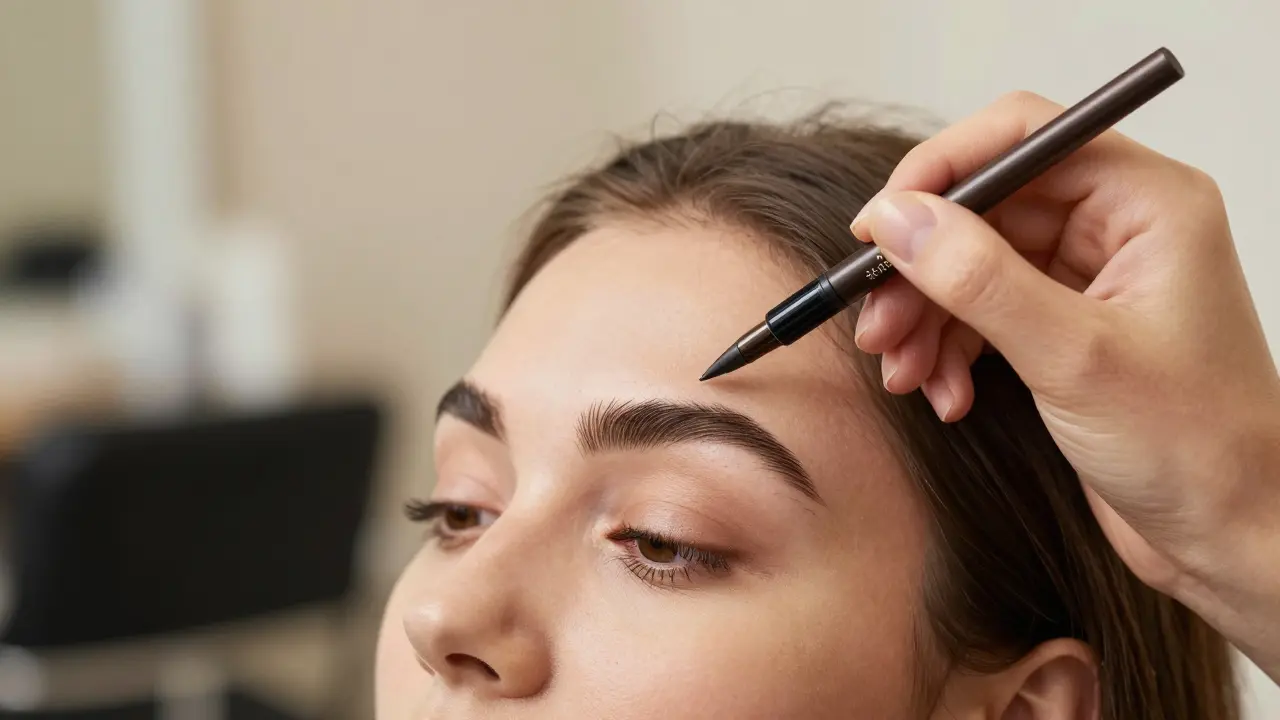
Avoid thick, blocky lines. Instead, use a fine-tip brow pencil to draw individual hair-like strokes. Focus on the sparse areas, particularly the tails and the arches. Match the color to your natural hair shade, going one shade lighter if you have very fair skin to avoid harsh contrasts.
Brow pomades offer more coverage for significantly thin areas. They are cream-based and can be packed onto the skin to mimic the appearance of dense hair. Use an angled brush to apply them in short, upward flicks. Set with a clear gel to keep them in place all day.
Brow Powders and Tints
If pencils feel too precise or intimidating, brow powder is a softer alternative. It diffuses across the skin, creating a shaded effect that looks natural. Press the powder into the gaps rather than sweeping it across. For a longer-lasting solution, consider a semi-permanent brow tint. This dyes the existing vellus hairs (the tiny, invisible ones) darker, making them visible and adding instant volume. Many salons offer this service, or you can find at-home kits.
Microblading and Powder Brows
If your overplucking was severe and long-term, temporary cosmetics might not be enough. Microblading involves manually implanting pigment into the upper layers of the skin to create realistic hair strokes. Powder brows provide a soft, filled-in makeup look. Both are semi-permanent, lasting one to three years. Ensure you choose a licensed, experienced artist to avoid infection or poor results. This is a significant commitment, so wait until your skin has fully healed from any recent waxing or plucking injuries.
Avoiding Common Mistakes
In the rush to fix the problem, people often make errors that delay recovery. Avoid these pitfalls:
- Plucking "Stray" Hairs: You might see a few white or gray hairs growing in weird directions. Resist the urge to tweeze them. These are signs of life! Let them grow out, then trim them if they become too long. Trimming is safe; plucking is not.
- Using Harsh Exfoliants: Your skin is sensitive after waxing or excessive plucking. Avoid strong retinoids or acidic exfoliants directly on the brow bone. Stick to gentle cleansers and moisturizers.
- Ignoring Sun Protection: New, baby hairs are delicate. UV rays can damage them and darken the skin underneath, making the brows look even sparser. Wear sunscreen daily, especially on exposed areas like the forehead.
- Overloading with Products: Don’t mix five different oils and serums. Pick one regimen and stick with it. Too many products can clog pores, leading to breakouts or folliculitis (infected hair follicles).
Understanding Tools: The Eyebrow Wax Pen
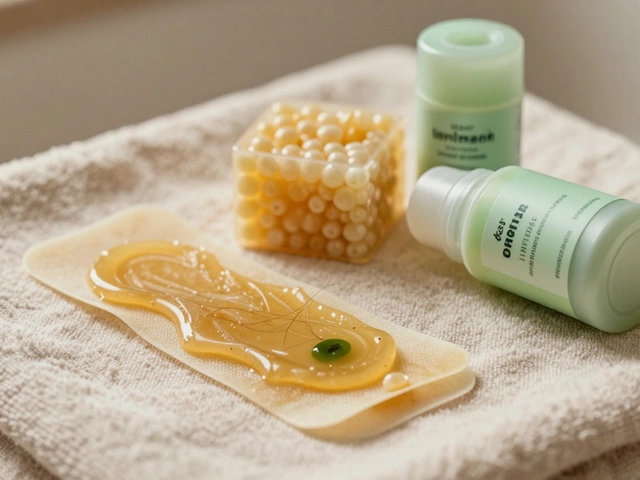
Since the title mentions an eyebrow wax pen, it’s worth discussing how this tool fits into your routine. An eyebrow wax pen is a convenient device that contains heated wax inside a marker-like casing. You draw it over stray hairs, let it cool, and peel it off.
Pros: It’s fast, portable, and less messy than traditional hot wax pots. Great for quick touch-ups between professional appointments.
Cons: It removes hair from the root, just like tweezers. If you are currently trying to fix overplucked brows, do not use a wax pen. Wait until your brows have fully recovered and established a new, sustainable shape. Once healed, use the wax pen sparingly, only for hairs outside your desired border. Never wax the same area twice in a row; give your skin at least four weeks to recover.
Diet and Lifestyle Factors
Hair health starts from within. If your body is deficient in certain nutrients, it prioritizes vital organs over hair growth. Incorporate these elements into your diet to support overall hair thickness:
- Protein: Hair is made of keratin, a type of protein. Ensure you’re eating enough lean meats, eggs, beans, or nuts.
- Biotin: Found in eggs, almonds, and sweet potatoes, biotin supports keratin production.
- Iron: Iron deficiency is a common cause of hair loss. Leafy greens, red meat, and lentils are good sources.
- Omega-3 Fatty Acids: Fish, flaxseeds, and walnuts help keep the scalp and skin hydrated, promoting healthier follicles.
Stress management is also crucial. High cortisol levels can trigger telogen effluvium, a condition where hair sheds prematurely. Practice mindfulness, get adequate sleep, and exercise regularly to keep stress hormones in check.
When to See a Professional
If you’ve stopped plucking, applied treatments consistently for six months, and seen no regrowth, consult a dermatologist. There could be underlying medical conditions such as thyroid disorders, alopecia areata (an autoimmune condition causing patchy hair loss), or hormonal imbalances. Early diagnosis can prevent further loss and open up treatment options like prescription medications or laser therapy.
How long does it take for overplucked eyebrows to grow back?
Visible regrowth typically appears within 6 to 8 weeks. However, achieving full density and a natural shape can take anywhere from 3 to 4 months, depending on your age, genetics, and the severity of the overplucking.
Can I use an eyebrow wax pen to fix sparse brows?
No. An eyebrow wax pen removes hair from the root, which will worsen sparsity. Use it only for maintenance on stray hairs outside your brow shape, and never on areas where you are trying to encourage regrowth.
Does castor oil really work for eyebrow growth?
Castor oil is widely believed to help due to its ricinoleic acid content, which improves circulation and moisturizes the follicle. While scientific studies specifically on eyebrows are limited, anecdotal evidence and its proven benefits for hair health make it a popular and safe choice.
What should I do if my eyebrows won't grow back after a year?
If there is no regrowth after 12 months of consistent care, the follicles may be permanently damaged. Consult a dermatologist to rule out medical issues. Options like microblading, tattooing, or hair transplant surgery may be necessary for permanent solutions.
Is it safe to trim eyebrow hairs instead of plucking?
Yes, trimming is completely safe. It cuts the hair shaft without affecting the follicle. Use small scissors to snip any excessively long hairs that disrupt your brow shape, but always comb them up first to ensure an even cut.