
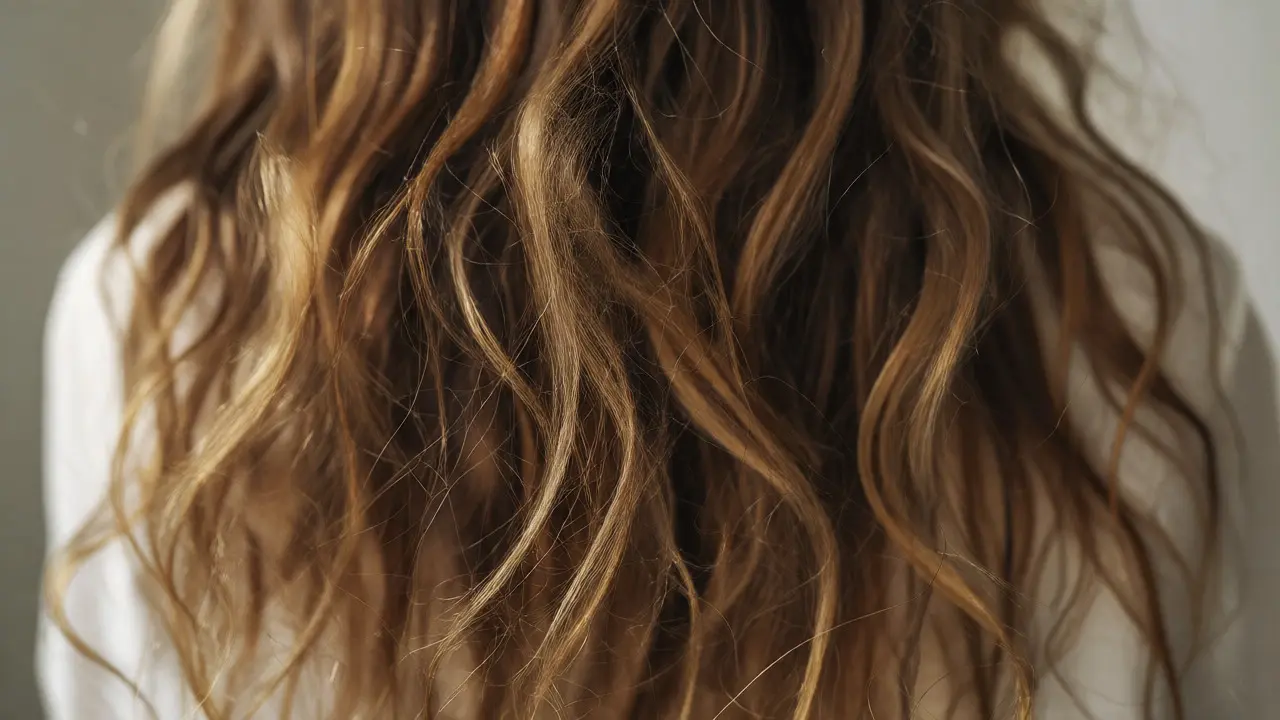
You spent hundreds of dollars on that set of human hair extensions. They looked perfect for the first few weeks. But now? They feel like straw, tangle at the slightest touch, and look duller than your natural roots. It’s frustrating. You might be thinking it’s time to replace them. Hold on. Before you throw out your expensive investment, try reviving them. Most damage isn’t permanent-it’s just dehydration and buildup.
Hair extensions don’t receive natural oils from your scalp because they aren’t attached to a living follicle in the same way your own hair is. That means they dry out faster. But with the right routine, you can bring them back to life. Here is exactly how to fix dry, tangled, or frizzy extensions without ruining the bonds or tapes.
Why Your Extensions Are Dying (And How to Stop It)
To fix the problem, you need to understand the cause. Hair extensions are processed hair fibers that lack the sebum protection of natural hair. When you wash them with harsh sulfates or skip conditioner, moisture escapes. Heat styling accelerates this loss. If you use high heat above 350°F (175°C) without a protectant, you’re literally cooking the protein structure of the hair.
Common culprits include:
- Sulfate-heavy shampoos: These strip color and moisture aggressively.
- Hot water: Opens the cuticle too wide, letting moisture leak out.
- Neglecting detangling: Knots pull on bonds, causing shedding and breakage.
- Product buildup: Dry shampoo and silicones coat the hair, blocking hydration.
The good news? If the hair isn’t severely burnt or chemically compromised beyond repair, you can restore softness and shine in one or two sessions.
The Deep Conditioning Rescue Protocol
This is the core of the revival process. You aren’t just washing; you’re treating. Do not use your regular conditioner. You need a heavy-duty mask designed for damaged hair.
Step 1: The Clarifying Wash
If your hair feels heavy or sticky, start with a clarifying shampoo. This removes silicone buildup that prevents moisture from penetrating. Use a sulfate-free clarifier if possible, but if the buildup is severe, a standard clarifying shampoo works best. Focus only on the mid-lengths and ends. Avoid rubbing the roots where tape-in or fusion bonds sit, as friction can loosen adhesives.
Step 2: The Mask Application
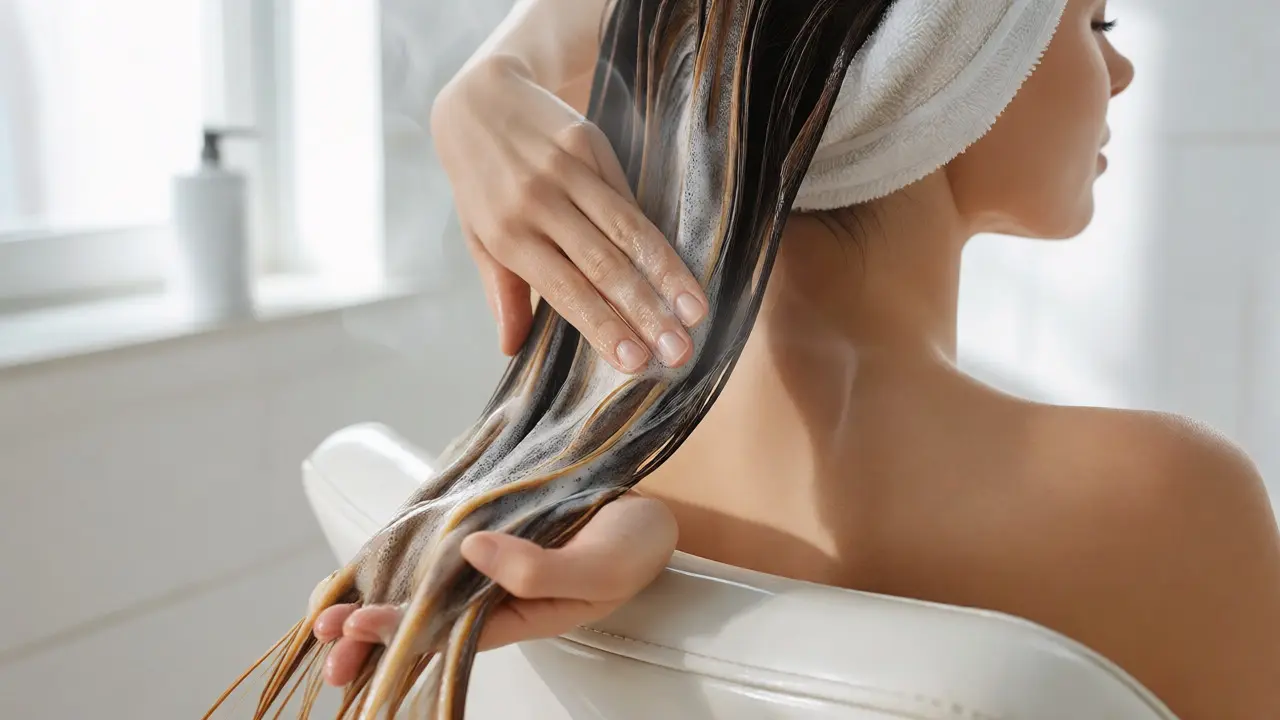
Apply a generous amount of deep conditioning mask. Look for ingredients like keratin, argan oil, or shea butter. Work it through the hair with your fingers, starting from the ends and moving up. Never apply conditioner directly to the roots or bonds unless the product instructions explicitly say it’s safe for tape-ins. For clip-ins, you can be more liberal.
Let it sit for at least 15-20 minutes. For extreme dryness, cover your hair with a shower cap and wrap a warm towel around it. The heat helps open the cuticle so the nutrients soak in deeper.
Step 3: The Cold Rinse
Rinse thoroughly with cool water. This step is non-negotiable. Cool water seals the cuticle, locking in the moisture you just added and adding shine. If you rinse with hot water, you undo the work of the mask.
| Damage Symptom | Recommended Ingredient | Action |
|---|---|---|
| Dry/Brittle Ends | Keratin Protein | Strengthens internal structure |
| Tangles/Knots | Silicone-free Detangler | Lubricates strands for combing |
| Fade/Dullness | Color-Safe Gloss | Adds reflective shine layer |
| Frizz/Humidity Friction | Argan Oil Serum | Seals surface against moisture |
Detangling Without Shedding
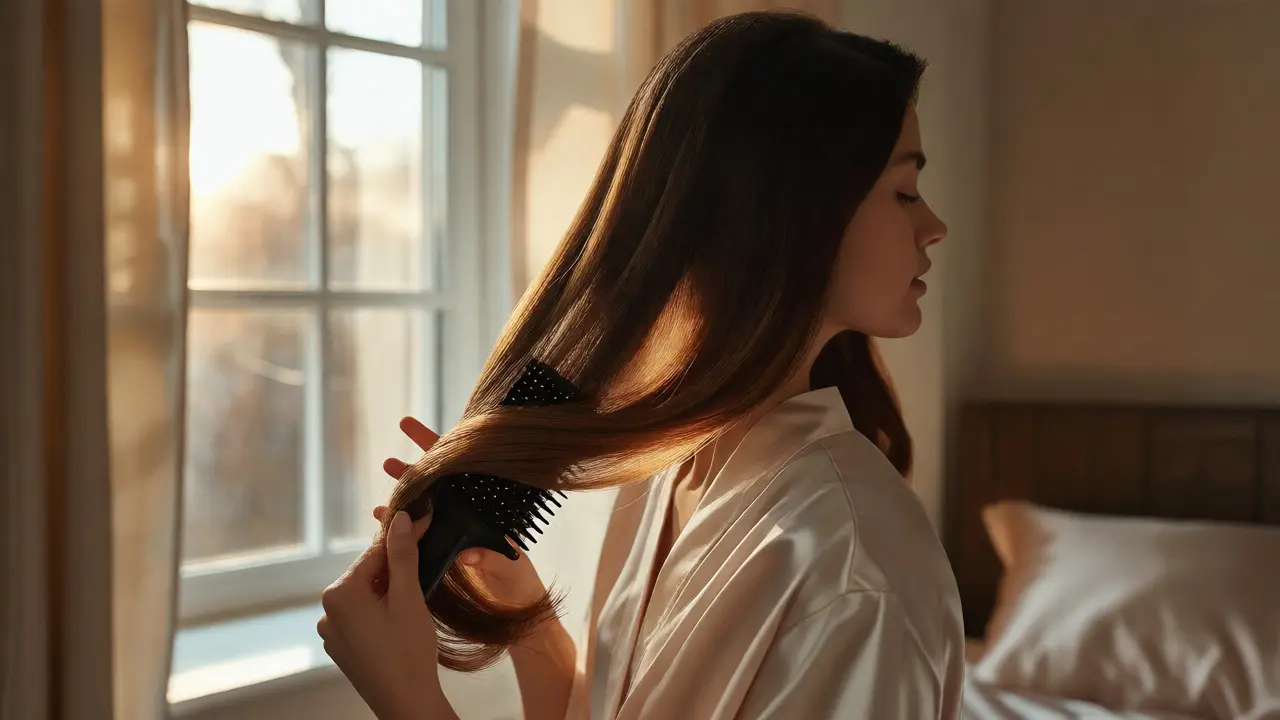
Most people ruin their extensions by brushing them wet with a fine-tooth comb. Big mistake. Wet hair is elastic and prone to snapping. Always use a loop brush or a wide-tooth comb designed specifically for extensions. Start at the very bottom tips. Gently work upward in small sections. Only when the bottom is smooth do you move higher toward the bonds.
If you encounter a stubborn knot, do not yank. Apply a leave-in conditioner or a bit of oil to lubricate the tangle. Let it sit for a minute, then gently tease the knot apart with your fingers before using the brush. Patience here saves you money later.
Heat Styling Rules for Revived Hair
Once your hair is soft again, keep it that way by changing how you style it. You can still use flat irons and curling wands, but you must adjust your technique.
- Lower the temperature: Cap your tools at 300-350°F (150-175°C). Human hair can handle more, but why risk it?
- Use a heat protectant spray: This creates a barrier between the heat plate and the hair shaft.
- One pass only: Don’t run the iron over the same section three times. One slow, steady pass is enough.
- Avoid direct heat on bonds: Keep the iron at least half an inch away from tape tabs or keratin tips.
If you notice your hair feeling rough immediately after styling, your tool is too hot, or you skipped the protectant.
Maintenance Between Washes
You shouldn’t wash your extensions every day. Over-washing strips moisture. Aim for once every 1-2 weeks, depending on your activity level. In between, use dry shampoo sparingly. Spray it onto the roots of your natural hair, not directly onto the extension bonds, to avoid residue buildup that weakens adhesive.
At night, braid your hair loosely or put it in a low ponytail. Sleeping on loose extensions causes massive friction against your pillowcase, leading to tangles. A silk or satin pillowcase is a cheap upgrade that makes a huge difference in preserving smoothness.
When Revival Won’t Work
Be realistic. Some damage is irreversible. If the hair has been bleached multiple times without proper toning, the cortex may be hollowed out. If the bonds are slipping despite being clean, the issue is adhesive failure, not hair health. In these cases, no amount of conditioner will fix the structural integrity. You’ll need to replace the wefts or re-tape them.
However, if the hair is simply dry, frizzy, or tangled, follow the steps above. Give it two full wash cycles with deep conditioning. You’ll likely see a dramatic improvement in texture and manageability.
Can I use coconut oil on my hair extensions?
Yes, but use it sparingly. Coconut oil is great for sealing moisture into the ends, but it can weigh down fine hair and make tape-in bonds slippery. Apply a tiny amount only to the last two inches of the hair, avoiding the roots entirely.
How often should I wash my hair extensions?
Wash them once every 1 to 2 weeks. Washing too frequently strips natural oils and dries out the hair, while washing too infrequently leads to product buildup and tangling near the roots.
Will purple shampoo revive my blonde extensions?
Purple shampoo neutralizes yellow tones but does not add moisture. In fact, it can be drying. Use it once a month maximum, followed immediately by a deep conditioning mask to restore softness.
Can I sleep with my hair extensions in?
Yes, but always secure them. Braid your hair loosely or tie it in a low, loose ponytail. Use a silk or satin pillowcase to reduce friction and prevent morning tangles.
What is the best brush for hair extensions?
A loop brush (also called a bead brush) is ideal. It allows you to brush through the hair without pulling on the bonds or clips. Wide-tooth combs are also acceptable for initial detangling when wet.