

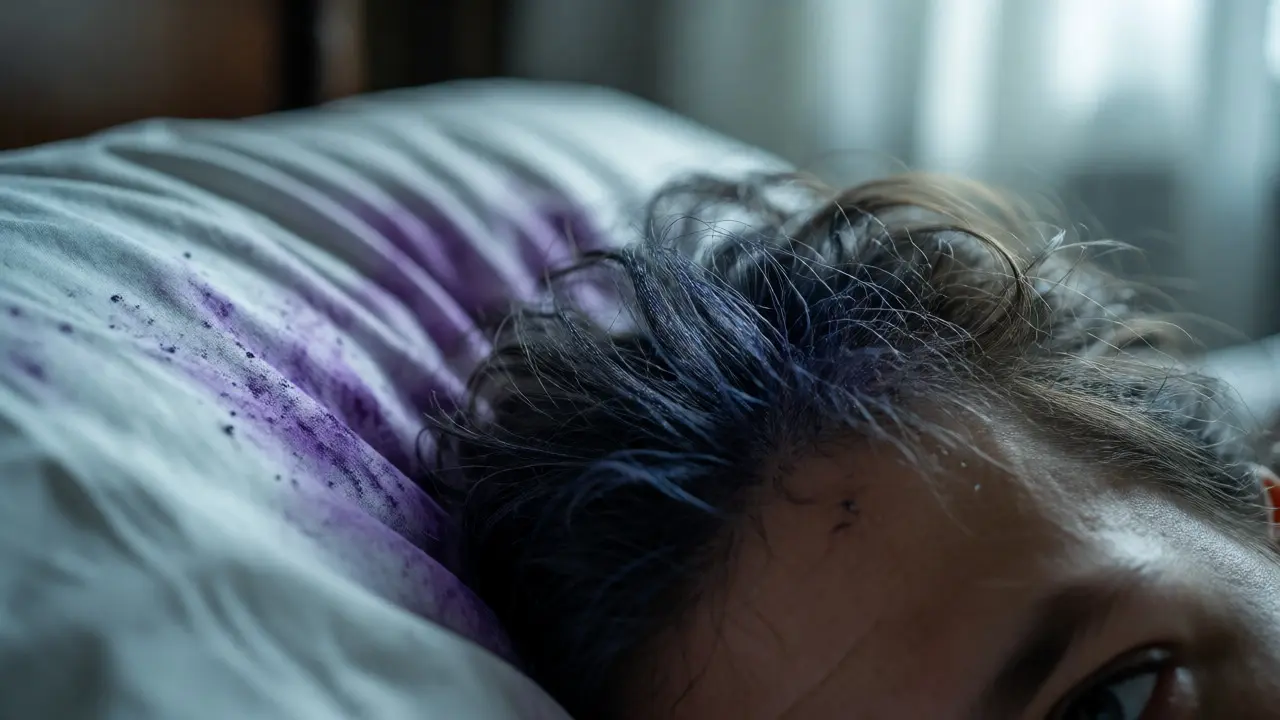
You’re exhausted. You just applied that ammonia-free washable hair dye because you wanted a quick refresh, but life got in the way. Maybe you fell asleep on the couch, or maybe you thought, "More time equals better color," and went to bed with the product still on your head. Now you wake up with a stiff neck, a stained pillowcase, and a serious question: did I just ruin my hair?
The short answer is usually no, you didn’t destroy your hair. But you probably didn’t get the result you wanted either. Leaving washable dye in longer than recommended-especially overnight-shifts the outcome from a predictable cosmetic change to a gamble with staining, irritation, and uneven color. It’s not about catastrophic chemical failure; it’s about losing control of the process.
Not All "Washable" Dyes Are Created Equal
Before panicking, you need to know what was actually in the bottle. "Washable" is a marketing term, not a strict scientific category. It generally covers three types of products, and the risk level changes drastically depending on which one you used.
Temporary colors (sprays, powders, waxes) sit entirely on the surface. They don’t penetrate the hair shaft. Leaving these in overnight mostly results in messiness. The product dries out, flakes off, and transfers onto your bedding. It might feel crunchy or sticky, but it rarely causes structural damage. A good shampoo session will fix it.
Semi-permanent direct dyes (like Manic Panic or Good Dye Young) are the most common "washable" options people leave in too long. These deposit color into the outer layers of the hair. While they are often ammonia-free and peroxide-free, they contain pigments that can stain skin and porous hair deeply if left for hours. Brands typically recommend 30 to 60 minutes. Leaving them in for 8+ hours doesn’t make the color "permanent," but it can make it darker, patchier, and harder to wash out.
Demi-permanent dyes (like Clairol Natural Instincts) use a low-volume developer. This is where things get trickier. Even though they are gentler than permanent dyes, they still involve a chemical reaction. If you accidentally left a demi-permanent kit in overnight, you exceeded the processing time by several hours. This increases the chance of scalp irritation and slight cuticle damage, even if the formula is ammonia-free.
The Real Risks: Staining, Irritation, and Texture
So, what actually happens to your body? Let’s break down the physical consequences based on how hair and skin react to prolonged exposure.
1. Unpredictable Color Results
Direct dyes continue to deposit pigment as long as they are wet and in contact with the hair. However, this deposition isn’t linear. Your ends, which are often more porous due to past heat styling or bleaching, will absorb significantly more pigment than your roots. Instead of a vibrant, even look, you might end up with dark, muddy bands at the tips and lighter color near the scalp. For gray coverage, leaving dye in too long can sometimes cause the grays to take on a dull, yellowish, or overly intense tone rather than a natural blend.
2. Scalp Irritation and Contact Dermatitis
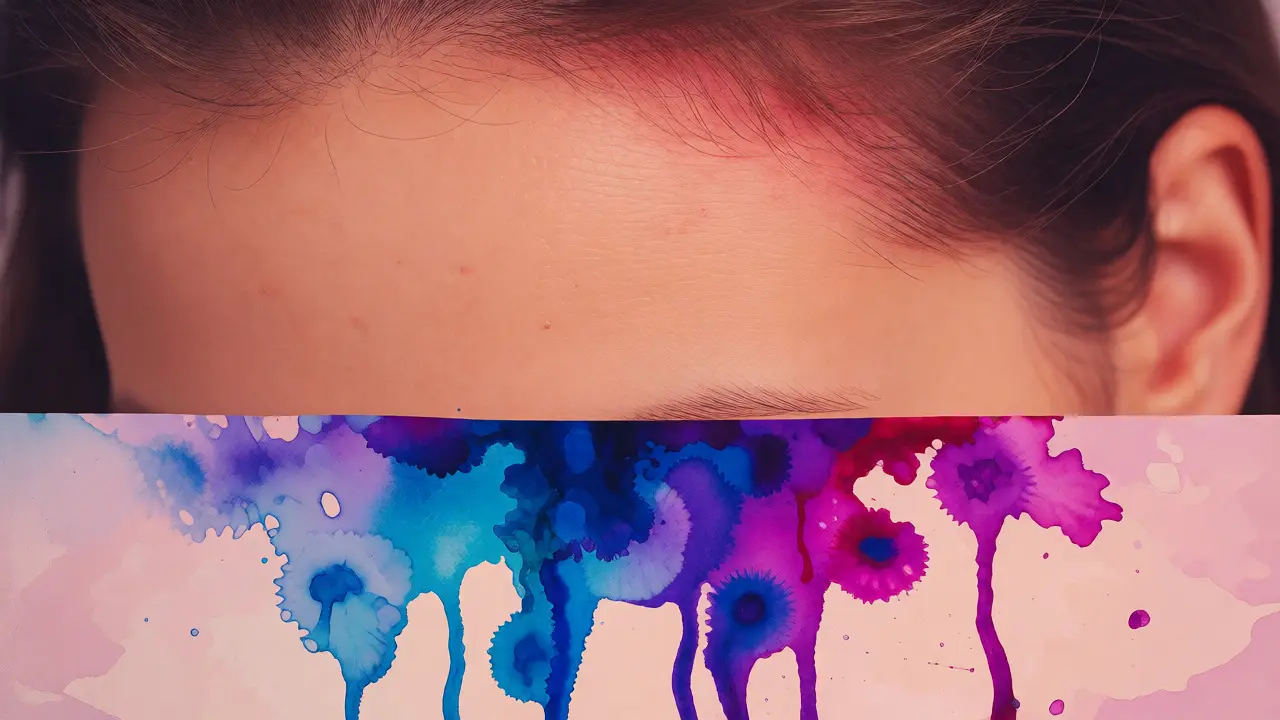
The scalp is sensitive. Even ammonia-free formulas contain other chemicals like preservatives, fragrances, and dye intermediates. The FDA and NHS advise against exceeding recommended processing times because prolonged contact increases the risk of irritant contact dermatitis. Symptoms include redness, itching, burning, scaling, or small blisters along the hairline and ears. If you have a history of sensitivity, an overnight exposure could trigger a flare-up that lasts days.
3. Dryness and Tangling
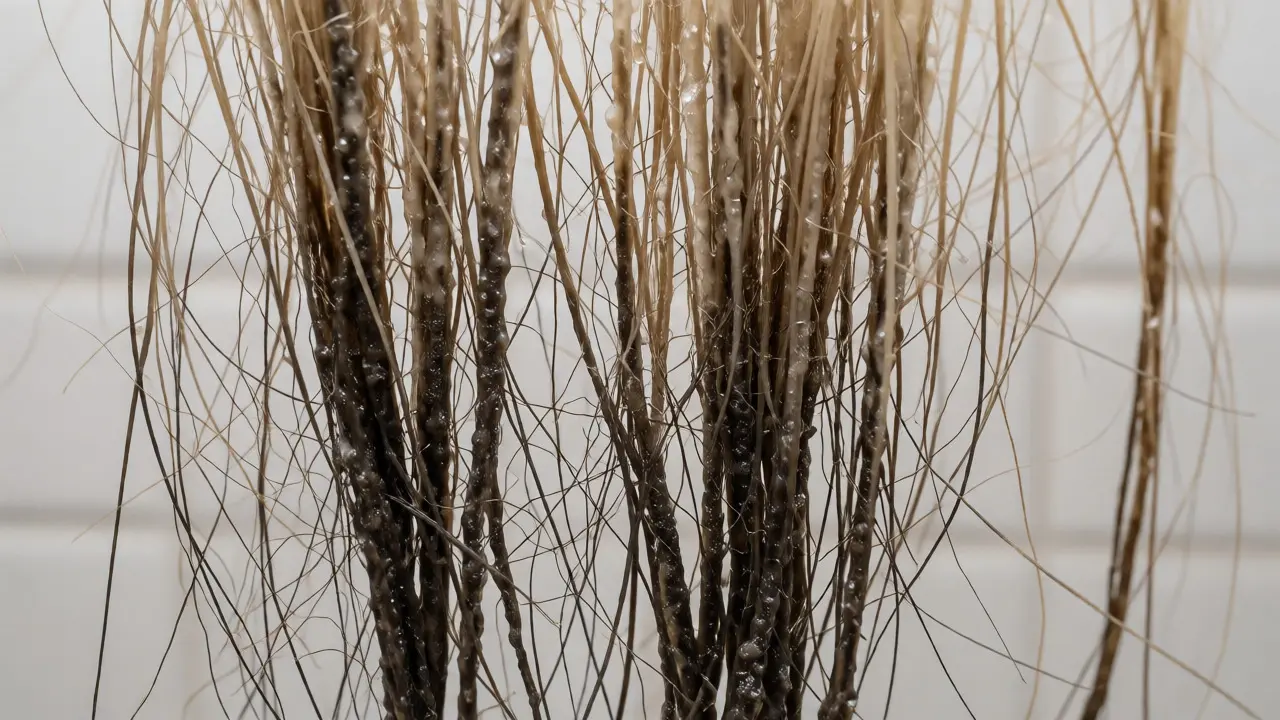
Leaving product on hair for hours allows it to dry out completely. As the dye matrix hardens, it can coat the hair shaft in a rigid layer. When you finally rinse it out, you may find your hair feels straw-like, tangled, or difficult to comb. This is particularly true for bleached or damaged hair, which lacks the natural oils to buffer the drying effect of the dye base.
4. The Pillowcase Problem
This is the most immediate annoyance. Semi-permanent dyes, especially vibrant blues, purples, and reds, are notorious for staining fabrics. An overnight stay means your pillowcase, sheets, and potentially your pajamas are now part of the experiment. Once pigment sets into cotton fibers, it is incredibly difficult to remove without specialized laundry treatments.
Did You Use Developer? That Changes Everything
If your "washable" dye came in a box with two tubes (color and developer), treat it differently. Products like Clairol’s demi-permanent lines require mixing. The developer opens the hair cuticle slightly to let color in. Standard processing time is usually 20-30 minutes. Leaving this mixture on overnight exposes your hair to alkaline agents and mild oxidizers for far longer than intended.
While a single accidental overnight exposure likely won’t snap your hair off, it can lead to increased porosity. Studies on oxidative dyes show that prolonged exposure leads to cuticle lifting and protein loss. Your hair might feel rougher and more prone to frizz afterward. If you notice significant breakage or severe scalp pain, consult a professional.
| Dye Type | Primary Risk | Color Outcome | Cleanup Difficulty |
|---|---|---|---|
| Temporary Spray/Powder | Messy transfer, flaking | Minimal change; mostly residue | Easiest (shampoo) |
| Semi-Permanent Direct Dye | Staining (skin/fabric), patchiness | Darker, uneven, potential banding | Moderate (may need clarifying shampoo) |
| Demi-Permanent (with Developer) | Scalp irritation, cuticle damage | Duller or overly intense tone | Harder (deep conditioning needed) |
Immediate Damage Control: What To Do Now
If you just woke up with dye in your hair, don’t scrub aggressively. Here is the step-by-step recovery plan:
- Rinse Thoroughly: Use lukewarm or cool water. Hot water opens the cuticle further, potentially releasing more pigment onto your skin and causing more staining. Rinse until the water runs clear.
- Check for Skin Stains: Before washing your hair, check your forehead, ears, and neck. If there is dye on your skin, gently wipe it with a damp cloth and a bit of soap or oil-based makeup remover. Avoid harsh scrubs that irritate the skin.
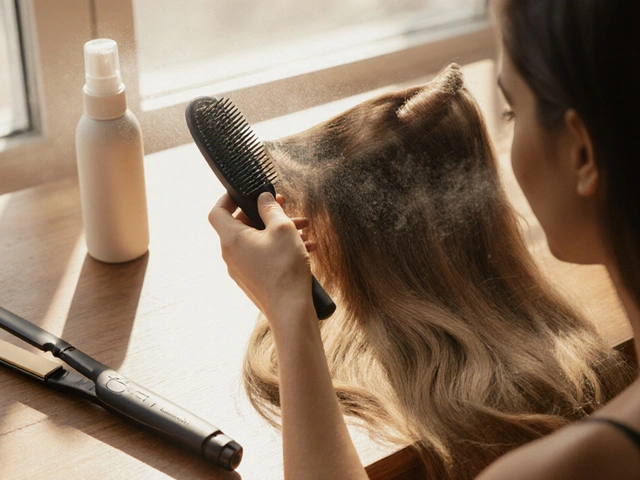
- Shampoo Gently: If the instructions allow, use a sulfate-free shampoo. If the color looks too dark or muddy, you can try a clarifying shampoo once, but be careful-clarifiers strip moisture. Focus on the scalp to remove any residue that might cause itching.
- Deep Condition: Your hair needs hydration after being coated for hours. Apply a rich conditioner or hair mask. Leave it on for 5-10 minutes to restore softness and slip.
- Monitor Your Scalp: Keep an eye on your scalp for the next 24-48 hours. If redness or itching persists beyond two days, or if you see blistering, stop using all hair products and consult a doctor.
Preventing Future Accidents
It’s easy to blame fatigue, but prevention is simple. Set a timer on your phone when you apply dye. Most apps have a built-in timer feature. If you are doing a full head application, write down the start time on a piece of tape and stick it to your bathroom mirror.
Also, consider your sleep habits. If you frequently fall asleep during beauty routines, switch to faster-processing products or apply dye earlier in the evening. And always perform a strand test first. This tells you exactly how your specific hair texture reacts to extended timing, so you aren’t guessing with your whole head.
Will leaving washable dye in overnight make it permanent?
No, it will not make a temporary or semi-permanent dye truly permanent. Permanent dyes require a chemical bond formed by ammonia and developer. However, semi-permanent dyes may last longer than usual (more shampoos) and may stain porous hair more deeply, making them seem semi-permanent for weeks instead of days.
Can I use bleach to fix the color if it turned out too dark?
Avoid bleach immediately. Your hair and scalp are already stressed from the overnight exposure. Bleach is highly alkaline and can cause severe breakage or chemical burns on compromised hair. Try a gentle clarifying shampoo or a color-stripping treatment designed for semi-permanent colors first. Wait at least a few days before considering stronger corrective measures.
What if my scalp is burning after rinsing out the dye?
Rinse with cool water again to soothe the area. Apply a fragrance-free, soothing scalp serum or aloe vera gel. If the burning sensation persists for more than a few hours, or if you see redness, swelling, or blisters, contact a healthcare provider. This could indicate allergic contact dermatitis.
How do I remove dye stains from my pillowcase?
Act fast. Soak the stained area in cold water mixed with oxygen-based bleach (like OxiClean) for several hours. Avoid hot water, which can set the dye. After soaking, wash the pillowcase in the washing machine on a cold cycle. Check the stain before drying; if it remains, repeat the soak. Do not put it in the dryer until the stain is gone.
Does ammonia-free mean safe to leave in longer?
Not necessarily. Ammonia-free formulas often use MEA (monoethanolamine) or other alkalizing agents to open the cuticle. These can still cause irritation and dryness if left on too long. Always follow the specific timing instructions on the package, regardless of whether the product contains ammonia.


Bryce Imbriale
October 26, 2026 AT 15:14Listen up because this is the wake-up call you need! You didn't ruin your hair but you definitely played a dangerous game with those chemicals and that pillowcase. I have seen so many people think more time equals better results when it actually just equals more damage and mess. The article nails it by saying it's about losing control of the process which is exactly right. If you fell asleep on the couch then you are lucky it was only temporary dye because permanent stuff would be a nightmare. Semi-permanent dyes like Manic Panic are forgiving but they will stain everything in sight if you let them sit too long. Your ends are going to grab that pigment way harder than your roots so expect some banding issues. Scalp irritation is real even with ammonia-free formulas because MEA is still an alkalizing agent. Do not scrub aggressively when you rinse it out or you will break those fragile strands. Use cool water to keep the cuticle closed and stop the bleeding of color onto your skin. Deep condition immediately because your hair needs moisture after being coated for eight hours straight. Set a timer next time because life gets busy but your scalp does not care about your schedule. This is not catastrophic failure but it is a lesson learned the hard way. Keep your hair healthy by respecting the processing times listed on the box. You can fix this with clarifying shampoo and lots of conditioner so do not panic. Just remember that chemistry has rules and we all have to follow them eventually.
william mcstay
October 27, 2026 AT 19:37Inefficient use of product leads to waste.
LoriBeth Blair
October 28, 2026 AT 16:01You clearly do not understand basic hair chemistry if you think leaving dye in overnight is safe. It is not about ruining your hair structurally but it is about wasting money and looking stupid with patchy color. Temporary sprays just fall off but semi-permanent dyes penetrate the cortex and stay there longer than you want. People always say 'oh it is natural' or 'it is gentle' but chemicals are chemicals regardless of marketing labels. If you used a demi-permanent kit with developer then you opened your cuticles and left them open for hours. That causes protein loss and makes your hair feel like straw afterwards. You should have known this before applying it while exhausted. Stop blaming fatigue and start reading instructions properly. The FDA warns against exceeding processing times for a reason. Your pillowcase is ruined and your scalp might itch for days. Next time set an alarm instead of hoping for the best. Ignorance is not an excuse when the information is right there on the box. Fix it with a clarifying wash and learn from your mistake.
Liam Whelan
October 30, 2026 AT 12:54hey everyone i totally get this
i did this once with blue dye and my whole face turned purple for two days lol :(
the article is super helpful though especially the part about checking for skin stains first
my neck was burning so bad i thought i was having an allergic reaction
turns out it was just contact dermatitis from the preservatives in the formula
i used aloe vera gel and it helped a lot honestly
also yeah please use a timer because falling asleep is so easy when you are tired
do not use hot water when rinsing it out because that opens the cuticle more
cool water is your friend here trust me on this one
hope your hair looks good now and no more stained pillows!
take care of yourself guys <3
Elizabeth Calwell
November 1, 2026 AT 10:42This is such a relatable situation and I am glad someone wrote this guide because so many of us have been there. You are not alone in making this mistake and it really does not mean your hair is destroyed forever. The key takeaway here is that patience is required but also boundaries with timing are essential. I love how the article breaks down the different types of dyes because that clarity helps reduce anxiety. If you are feeling stressed about the outcome try to focus on the recovery steps rather than the accident itself. A good deep conditioning mask can work wonders for restoring softness and shine. Remember that our bodies are resilient and hair grows back and repairs itself over time. Be kind to yourself during this process because stress affects our health too. You can absolutely recover from this with the right products and a little bit of time. Embrace the learning experience and move forward with confidence. Your future self will thank you for setting that timer next round!
Sabrina Silvani
November 2, 2026 AT 21:38We exist in a world where convenience often overrides caution and this post highlights that tension perfectly. The act of leaving dye on overnight is a surrender of agency to fatigue yet the chemical reality remains indifferent to our exhaustion. It is fascinating how we perceive 'washable' as harmless when in fact it implies a specific temporal boundary that must be respected. When we ignore these boundaries we invite chaos into our physical form through staining and irritation. The pillowcase becomes a canvas of our negligence and the scalp bears the brunt of our impatience. Yet there is hope in restoration through proper care and understanding of material properties. We must recognize that biology operates on its own timeline not ours. Acceptance of this limitation allows for better preparation and fewer regrets. Let this be a meditation on the importance of mindfulness in daily rituals. Control is an illusion but adherence to guidelines provides structure amidst uncertainty. Reflect on why we rush and what we gain by pausing to respect the process.
Mithilesh Singh
November 4, 2026 AT 19:38This is absolute nonsense. Why do people not read the instructions? It is simple. Apply. Wait. Wash. Done. Leaving it overnight is lazy and shows a lack of discipline. In India we take pride in following traditional methods correctly. These Western brands complicate things with their fancy names. Ammonia free does not mean safe to ignore time limits. It is disrespectful to your body to treat it like a test subject. If you want good results you must put in the effort. Do not complain about stained sheets if you were too tired to set an alarm. Discipline is key to beauty and health. Follow the rules and you will have no problems. Simple as that.
Shaina Silver-Baird
November 5, 2026 AT 14:28I find it suspicious that manufacturers do not explicitly warn consumers about the severity of overnight exposure on the front label. It seems like a calculated risk to sell more product when users inevitably need to buy corrective treatments. The term 'washable' is deliberately vague to obscure the chemical reality of pigment deposition. We are conditioned to believe that gentler means safer but the underlying compounds remain potent irritants. Notice how the advice shifts blame to user error rather than acknowledging poor design in packaging clarity. This pattern repeats across the entire beauty industry where transparency is secondary to profit margins. One must question whether the recommended times are based on optimal results or merely minimal viable processing. The potential for chronic scalp issues is underestimated in these casual reviews. Vigilance is required when navigating these marketed solutions.
Lauren Martin
November 5, 2026 AT 23:46The analysis provided is superficially correct but fails to address the cumulative impact on hair porosity levels. Most users underestimate the extent of cuticle lifting caused by prolonged exposure to alkaline agents even in low-volume developers. This leads to increased hygroscopicity where hair absorbs moisture unevenly resulting in persistent frizz and dullness. The mention of clarifying shampoos is appropriate but insufficient without addressing the lipid barrier disruption. Professional intervention may be necessary if protein-moisture balance is severely compromised. Furthermore the variability in individual scalp sensitivity renders general advice potentially misleading for those with pre-existing conditions. A more nuanced approach involving pH balancing treatments would yield superior outcomes compared to standard conditioning protocols.
evelyn starcher
November 7, 2026 AT 13:11I am so angry right now because I did this last week and my sheets are ruined :(
It feels so unfair that we have to deal with this mess just because we were tired.
The color came out patchy and ugly and I look terrible.
Why is this not more obvious on the package?
I feel betrayed by the brand and my own stupidity.
:(
Ian Mason-Laurence
November 8, 2026 AT 05:54To add to the discussion, it is worth noting that the interaction between direct dyes and previously bleached hair creates a unique scenario. Bleached hair has a higher negative charge due to the removal of melanin and structural proteins. This electrostatic attraction causes cationic dyes to bind more aggressively and resist washing out. Therefore the recommendation for shorter processing times is even more critical for platinum or blonde clients. Standard timelines assume virgin or lightly processed hair states. Deviating from these norms significantly increases the likelihood of unwanted tone shifts towards green or grey hues depending on the base pigment. Understanding the substrate condition is paramount for predictable results.