
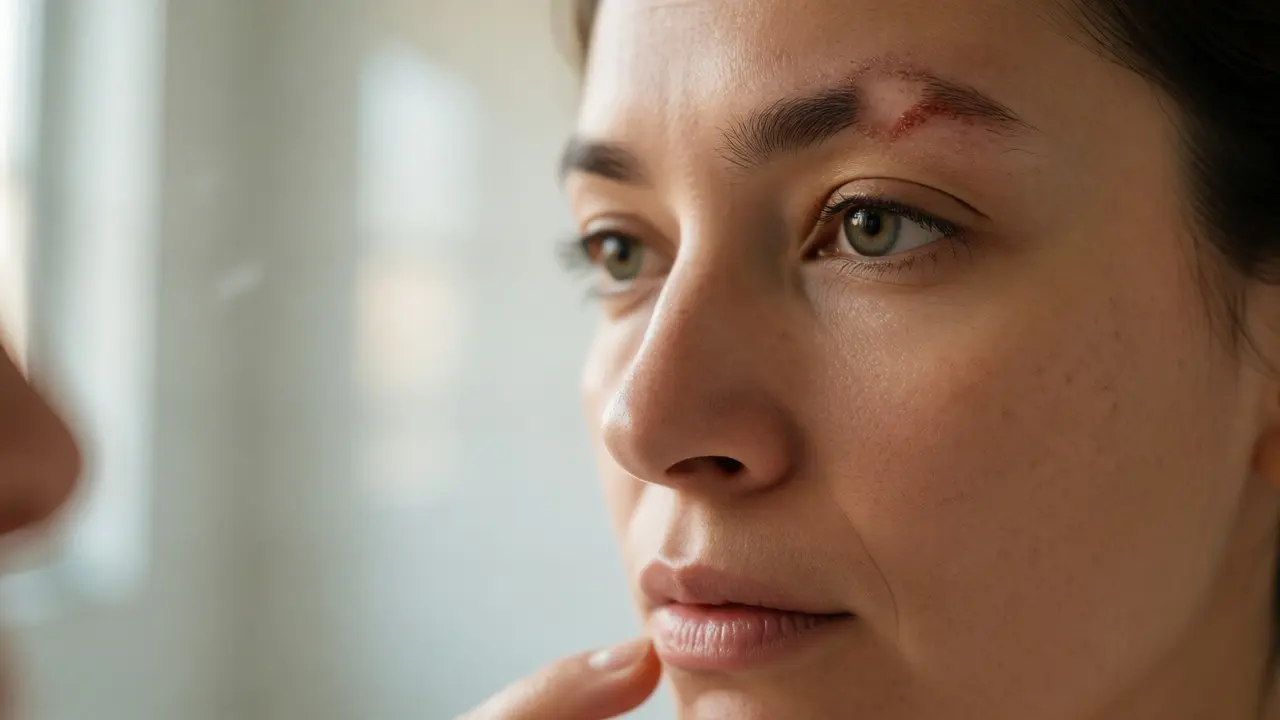
You’re staring in the mirror, and there’s a gap. Maybe it’s a patchy spot on the left arch, or maybe half your brow is missing because the wax was too hot. It happens. A eyebrow wax burn can feel like a disaster when you’re trying to look put-together, but here’s the good news: eyebrows usually grow back. The timeline depends on how deep the damage went, but with the right care, you can speed up the process and avoid permanent scarring.
First things first-don’t panic. Panicking leads to picking at scabs, which delays healing. Whether you burned yourself at home with a DIY kit or had a bad experience at a salon, the recovery steps are largely the same. This guide breaks down exactly what to do immediately after the burn, how to treat the skin while it heals, and specific tricks to encourage that stubborn hair to return faster than nature intended.
Assess the Damage: Did You Lose the Hair Follicle?
Not all burns are created equal. To know if your eyebrow will grow back quickly or if you need to wait months (or consider microblading), you need to understand the depth of the injury. The Hair Follicle is the tiny pocket in your skin where hair grows. If the follicle is destroyed, hair won’t grow back from that specific spot without medical intervention. If it’s just shocked or inflamed, it will likely recover.
Here is how to tell the difference:
- Superficial Burn (First-Degree): The skin is red, tender, and maybe slightly swollen. The hair might be singed off above the skin line, but the root is intact. Expect full regrowth in 4-8 weeks.
- Partial Thickness Burn (Second-Degree): You see blisters, weeping fluid, or raw pink skin. The follicles are damaged but not necessarily dead. Regrowth can take 3-6 months. There is a risk of temporary thinning.
- Deep Burn (Third-Degree): The skin looks white, leathery, or charred. You might not feel pain because nerve endings are damaged. This often destroys the follicle permanently. Consult a dermatologist immediately.
If you have blisters, do not pop them. They protect the new skin forming underneath. Popping them increases infection risk and can scar the area, making hair growth harder later.
The First 48 Hours: Immediate Aftercare
The way you treat the burn in the first two days determines how fast you heal. Most people make the mistake of applying heavy makeup or harsh skincare products too soon. Your goal now is to cool the area and keep it moist, not dry.
Start by cooling the burn under cool (not ice-cold) running water for 10 minutes. Ice can cause further tissue damage on delicate facial skin. Once cooled, apply a gentle, fragrance-free moisturizer. Plain petroleum jelly (like Vaseline) or Aquaphor works wonders here. These occlusives create a barrier that keeps moisture in and bacteria out.
| Do | Don't |
|---|---|
| Apply pure petrolatum or antibiotic ointment (if advised) | Use alcohol-based toners or acne creams |
| Keep the area covered with non-stick gauze if rubbing against glasses | Pull at loose hairs or scabs |
| Wear SPF 50+ once healed to prevent dark spots | Sunbathe or use tanning beds |
Avoid exfoliants like glycolic acid or retinol until the skin is fully closed. Using these on open wounds stings and causes inflammation, which slows down the hair growth cycle.
Stimulating Growth: What Actually Works?
Once the skin has healed over (usually 1-2 weeks), you can start actively encouraging hair growth. Not all remedies work for everyone, but some have solid backing from dermatological practice.
Minoxidil is an FDA-approved topical treatment for hair loss. While typically used on the scalp, many dermatologists prescribe it off-label for eyebrows. Studies suggest it can extend the anagen (growth) phase of the hair cycle. However, it can irritate sensitive facial skin, so start with a low concentration (2%) and test on a small patch first.
For a gentler approach, look into peptides. Bimatoprost is another option, often sold as Latisse for eyelashes, but sometimes used for brows. It works by increasing the duration of the growth phase. Note that it can darken the skin around the eyes, so apply carefully with a clean spoolie brush.
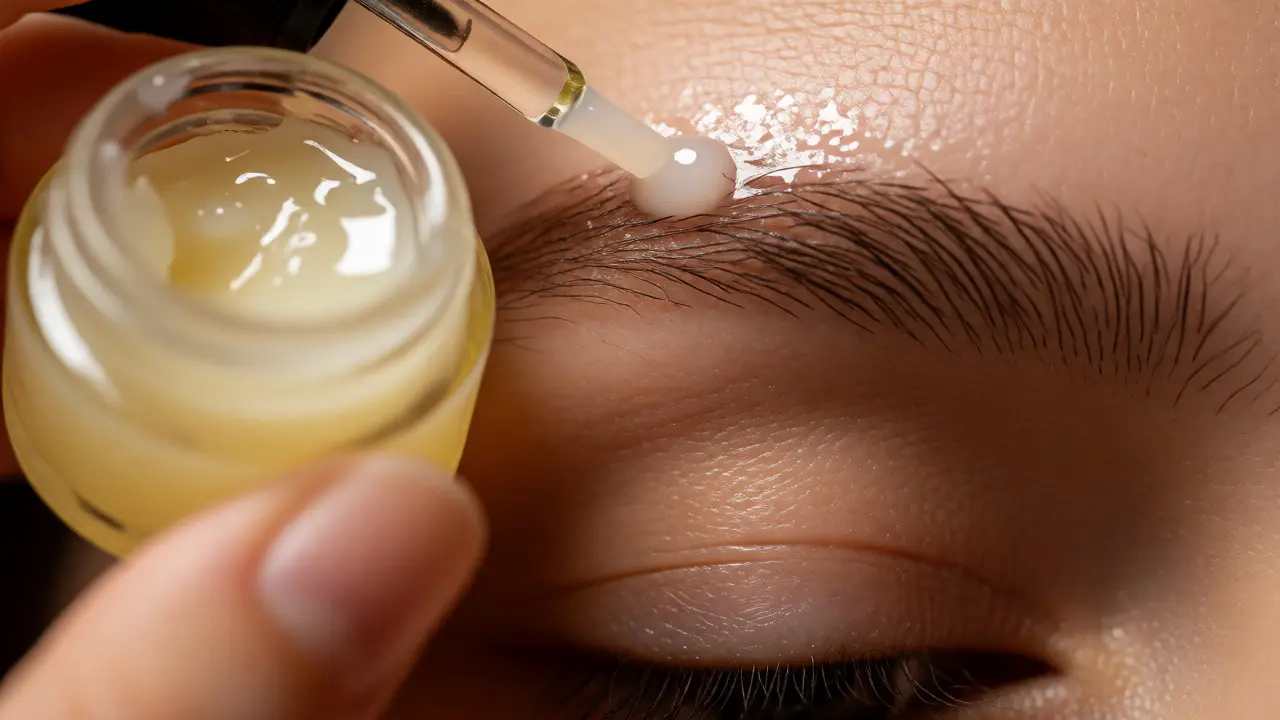
Natural oils get a lot of hype, but their effectiveness varies. Castor Oil is rich in ricinoleic acid, which may improve circulation to the follicles. While scientific evidence is mixed, it acts as an excellent conditioner that prevents breakage of new, fragile hairs. Apply it nightly with a clean mascara wand.
Diet and Internal Support
Your body builds hair from the inside out. If you’re deficient in key nutrients, no amount of castor oil will fix the problem. Hair is primarily made of keratin, a protein, so ensure you’re eating enough protein-rich foods like eggs, fish, and lean meats.
Biotin (Vitamin B7) is the most famous supplement for hair health. While biotin deficiency is rare, taking 2,500-5,000 mcg daily is generally safe and may help strengthen new strands. Pair this with Iron and Zinc, especially if you have a history of anemia. Low iron levels are a common hidden cause of slow hair regrowth in women.
Hydration matters too. Dehydrated skin creates a tight environment that makes it harder for hairs to push through the surface. Drink plenty of water, especially if you live in a dry climate like Houston.
Camouflaging the Gap While You Wait
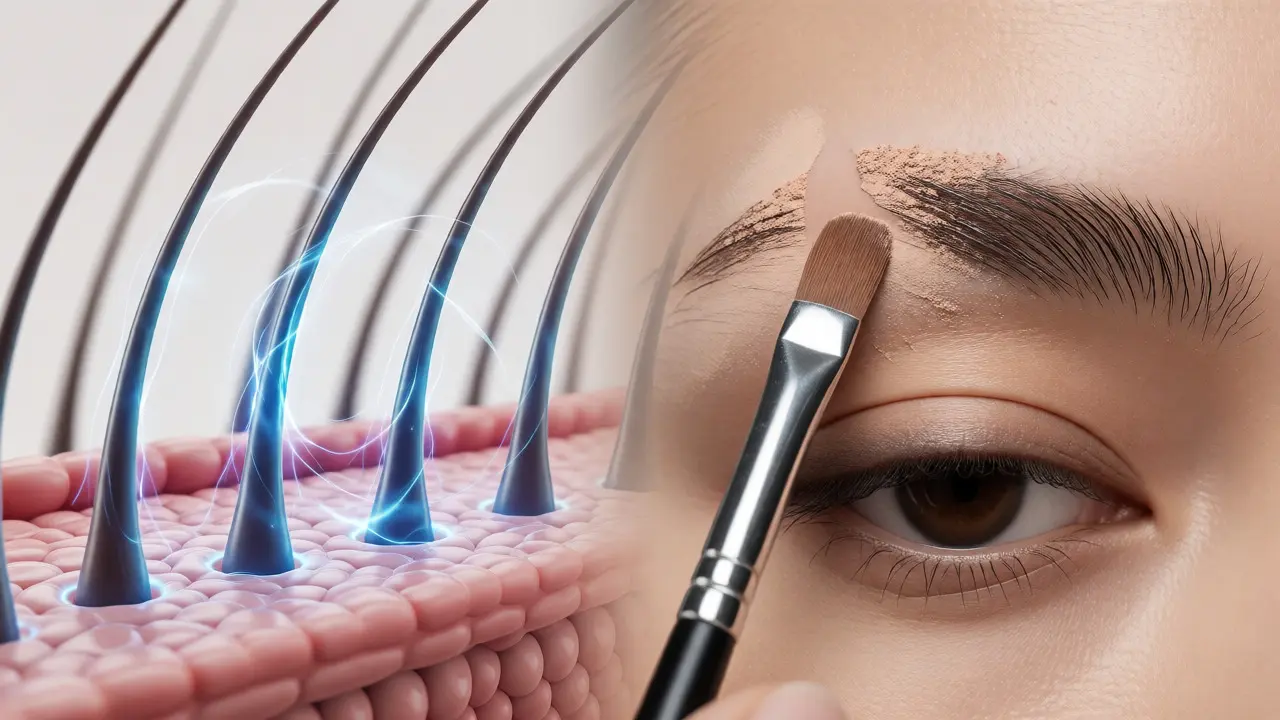
Regrowth takes time. Eyebrows grow about 0.14 mm per day, meaning visible changes might take 4-6 weeks. In the meantime, you don’t have to walk around with bare patches. Here’s how to fake it effectively without damaging the healing skin.
- Powder vs. Pomade: Use a fine-tipped powder brush rather than waxy pomades on freshly healed skin. Powders are lighter and less likely to clog pores or pull on new hairs.
- Microblading Caution: Do not get microblading or tattooing on the burnt area until it is completely healed and stable. Scarring can change how ink holds, leading to uneven results.
- Tinting: If you have some stubble but it’s invisible, tinting those tiny hairs can make them appear thicker. Avoid dyeing directly on the scar tissue if it’s still pink.
Be gentle when removing makeup. Use micellar water on a cotton pad and swipe lightly. Rubbing aggressively can rip out those precious new hairs before they anchor properly.
When to See a Doctor
Most eyebrow wax burns heal fine at home. But watch for signs of infection or complications. If the area becomes increasingly red, warm to the touch, or starts oozing yellow/green pus, you might have an infection requiring antibiotics.
Also, if you notice keloid formation-raised, thickened scar tissue extending beyond the original burn site-see a dermatologist. Keloids on the face can be treated with steroid injections to flatten them and potentially allow better hair coverage later.
How long does it take for eyebrows to grow back after a wax burn?
It typically takes 4 to 8 weeks for superficial burns. For deeper burns involving blistering, it can take 3 to 6 months. Full density restoration may take up to a year depending on individual hair growth cycles.
Will my eyebrow grow back if I picked the scab?
Possibly, but it risks permanent damage. Picking scabs can destroy the hair follicle or cause scarring that blocks hair growth. If you picked it early, keep the area moisturized and consider seeing a dermatologist if no hair appears after 3 months.
Can I use castor oil on a fresh burn?
No. Wait until the skin is fully closed and healed (no open wounds or scabs). Applying oil to an open burn can trap heat and bacteria, potentially causing infection. Use plain petroleum jelly for the first week instead.
Does shaving help eyebrow burn scars grow back faster?
Shaving removes existing hair but doesn't affect the follicle beneath the skin. It won't make hair grow back faster, but it can make the edge of the burn look neater while you wait for regrowth. Just be careful not to nick the sensitive healing skin.
What is the best cream for eyebrow burn scars?
Silicone-based gels are considered the gold standard for minimizing scars. Products like ScarAway or Kelo-cote can be applied once the wound is closed. They help hydrate the scar tissue and reduce redness.
Patience is the hardest part. You’ll want to check the mirror every hour, but stress actually hinders healing. Stick to the routine: keep it clean, keep it moist, protect it from the sun, and give it time. Before you know it, that gap will fill in, and you’ll never remember the wax disaster.