
You want to ditch the harsh chemicals in your bathroom cabinet, but you’re terrified of ending up with a muddy orange mess or gray patches that refuse to cover. It’s a valid fear. The term "organic hair dye is a category of hair coloring products derived from plant materials, such as henna and indigo, rather than synthetic chemicals" gets thrown around loosely by marketers, often masking products that still contain hidden irritants. If you are looking for true botanical color, you need to know exactly what you are buying.
Key Takeaways
- Radico Colour Me Organic offers the best balance of convenience and shade range for most users, requiring only one application step.
- Light Mountain provides the simplest, most transparent ingredient lists, ideal for those who want pure henna or indigo without fillers.
- Ancient Sunrise is the pro choice for custom color mixing, allowing precise control over shades like blonde or copper.
- Plant-based dyes cannot lighten dark hair; they only deposit color on top of existing pigment.
- Always perform a patch test, even with natural products, as allergies to plants like indigo are possible.
The Truth About "Organic" Claims
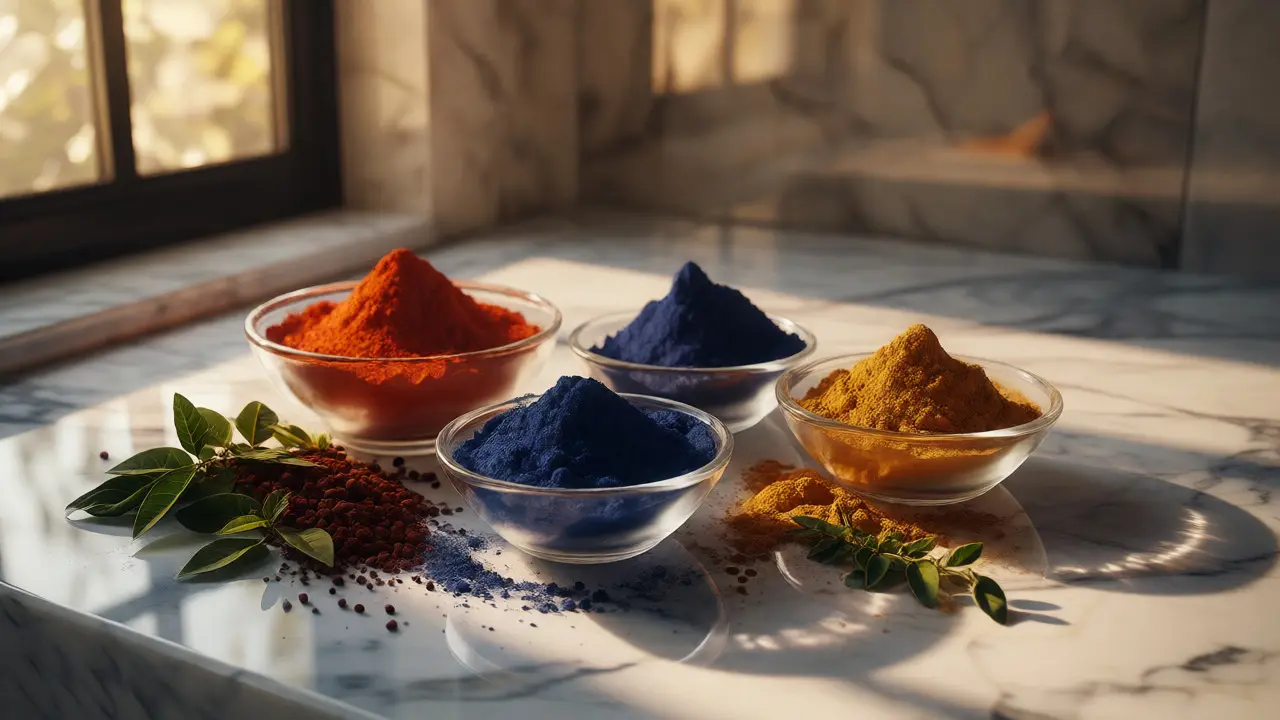
Let’s clear up the biggest misconception first. There is no single technical definition of "organic hair dye." In the consumer world, this label usually points to two very different things. One group consists of certified botanical powders-think ground-up leaves of plants like Lawsonia inermis (henna), Indigofera tinctoria (indigo), and Cassia auriculata (cassia). These are pure plant materials. The other group includes conventional oxidative dyes that simply market themselves as "clean," "natural," or "ammonia-free."
If you want the highest confidence in a plant-only formula, you should look for certifications like ECOCERT or USDA NOP. However, remember that certification proves how the plants were grown, not necessarily how well they will work on your specific hair type. A product can be perfectly organic and still give you a result you hate if it doesn’t match your hair’s porosity. This is why understanding the source matters more than the marketing slogan.
Top Pick for Convenience: Radico Colour Me Organic
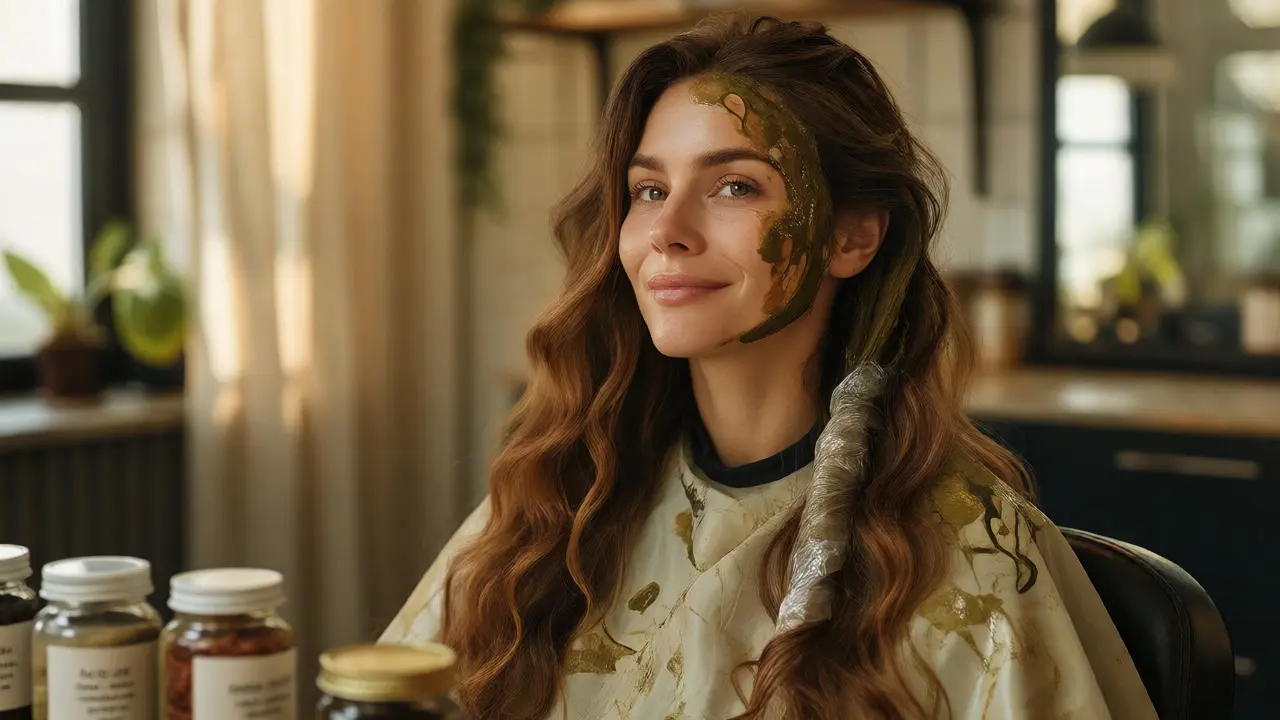
If you want the easiest transition from box dye to botanical powder, Radico Colour Me Organic is a pre-blended botanical hair color line that simplifies the application process. Radico stands out because it solves the biggest headache of natural dyeing: the complex mixing ratios. Traditional henna and indigo often require a two-step process-applying henna first, waiting, then applying indigo-to get a black or dark brown result. Radico has already done the math for you.
Their lineup includes 24 shades, ranging from Soft Black and Dark Brown to various reds and fashion tones. The formulas are free from ammonia, PPD, peroxide, resorcinol, and metallic salts. You just mix the powder with water and apply. For many people, this one-step convenience is worth every penny. But there is a catch. Because these are plant pigments, results vary based on your starting hair color. Lighter or low-porosity hair might not take the darker shades as deeply as expected. It’s the best option for beginners, but don’t expect the exact same uniformity you’d get from a chemical permanent dye.
Best for Transparency: Light Mountain Natural Hair Color
Some people prefer simplicity above all else. If you want to know exactly what is touching your scalp, Light Mountain Natural Hair Color is a brand known for its minimal ingredient lists and rigorous testing for contaminants. Their original line uses only three ingredients: henna, indigo, and cassia. That’s it. No mystery fillers, no fragrances, no conditioners hiding inside the powder.
Light Mountain tests its batches for pesticides and heavy metals, which adds a layer of safety trust. Their "Color the Gray" line is particularly popular for covering stubborn grays with a natural-looking blend. However, because their palette is restricted to these three botanicals, you won’t find cool ash blondes or vibrant purples here. You get warm browns, blacks, and reds. It’s an excellent choice if you have a specific target color in mind and want the lowest risk of unexpected reactions. Just be careful to check the specific product line, as some of their newer gel formulations do include synthetic developers.
For the Customizers: Ancient Sunrise
Are you willing to play chemist? Ancient Sunrise is a brand catering to experienced users who want to create custom color blends using precise powder ratios. This isn’t for the person who wants to open a box and go. Here, you buy separate bags of cassia, henna, and indigo, plus fruit acids like lemon juice or apple cider vinegar to help release the dye.
Why bother with the extra effort? Control. With Ancient Sunrise, you can tweak the percentage of indigo versus henna to hit that perfect brunette shade or create unique coppery-gold highlights. They provide detailed guides and kits, such as their Blonde Kit, which helps you achieve lighter tones on non-dark hair. It’s the best route if you’ve tried other brands and found them too limiting. But be warned: this requires strand tests, precise measuring, and a willingness to experiment. If you make a mistake, you own it.
Pure Henna: The Red and Copper Specialist
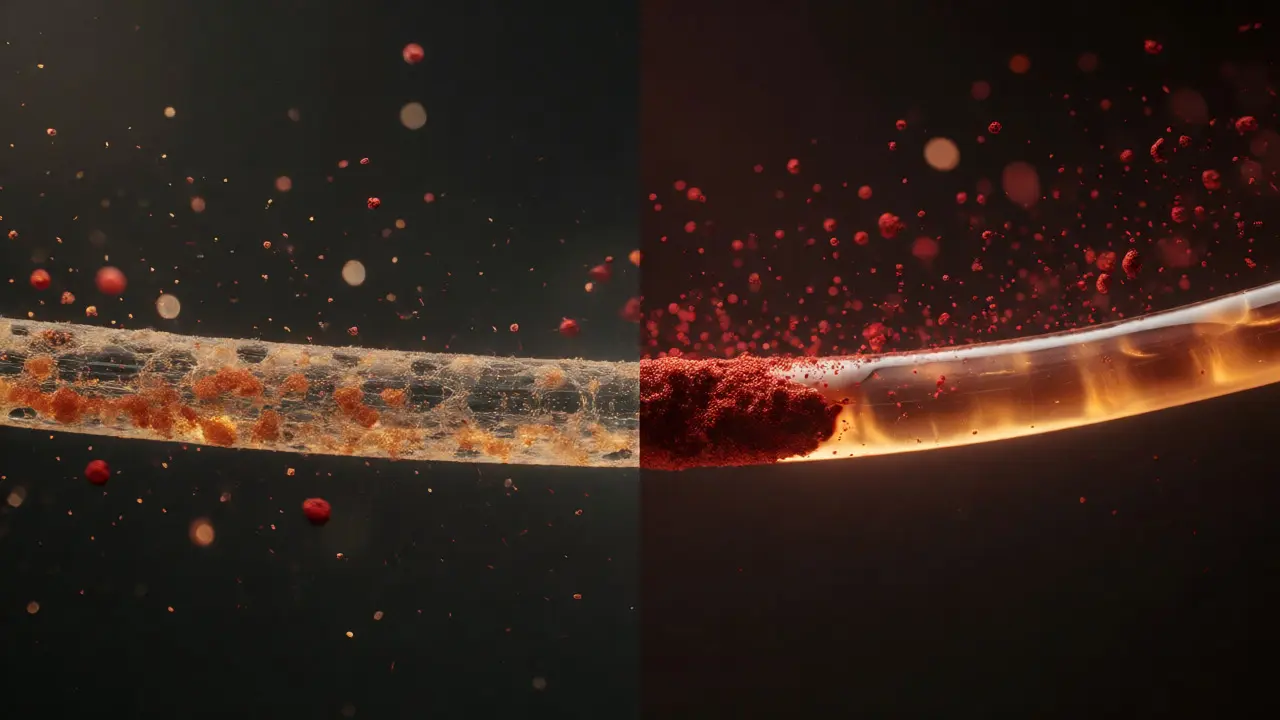
Sometimes, you don’t need a blend. You just want red. Pure henna is the oldest and simplest way to add warmth to your hair. The active molecule, lawsone, binds directly to the keratin in your hair shaft. Unlike chemical dyes that strip your hair’s natural pigment, henna coats it.
This means henna cannot lighten your hair. If you are a brunette, henna will turn your hair auburn or reddish-brown. If you are blonde, it will turn orange or strawberry blonde. It is fantastic for conditioning and adding shine, and it covers gray hair with a distinct, warm tone. But if you are looking for a cool-toned brown or a jet black, pure henna alone won’t cut it. You would need to pair it with indigo. For now, keep pure henna in mind if you love warm, fiery tones.
Comparison of Leading Botanical Brands
| Brand | Best For | Shade Range | Application Difficulty | Key Ingredients |
|---|---|---|---|---|
| Radico Colour Me Organic | Convenience & Beginners | Wide (24 shades) | Easy (One-step) | Henna, Indigo, Amla, Bhringraj |
| Light Mountain | Transparency & Simplicity | Moderate (15+ shades) | Moderate (Mixing required) | Henna, Indigo, Cassia |
| Ancient Sunrise | Customization & Pros | Infinite (DIY blends) | Hard (Precise ratios) | Single-ingredient powders |
| Pure Henna | Red/Copper Tones | Limited (Warm tones) | Moderate | Lawsonia inermis |
Safety First: What "Natural" Doesn't Mean
Just because it comes from a plant doesn’t mean it’s harmless to everyone. The FDA regulates plant-derived hair colors as color additives, and while henna is generally safe, reactions do happen. The biggest danger isn’t usually the henna itself, but "black henna." True henna is never black. If a product claims to be black henna, it likely contains p-phenylenediamine (PPD), a strong allergen that can cause severe burns and scarring.
Consumer Reports testing has shown that even products labeled "natural" can sometimes contain trace heavy metals like lead or arsenic, though reputable brands like Radico and Light Mountain test specifically for these. Always read the full ingredient list. And please, do a patch test. Apply a small amount behind your ear and wait 48 hours. If you feel itching or see redness, skip the whole head application. Your scalp health is worth more than a trendy color.
Managing Expectations: The Limitations of Plant Dyes
Here is the hard truth: organic hair dyes do not bleach. They cannot lift dark hair to blonde. If you have black hair and want platinum blonde, no amount of henna or indigo will get you there. You need peroxide for that. Plant dyes work by depositing pigment on top of your existing color. This makes them great for covering grays or deepening your natural shade, but poor choices for dramatic lightening.
Also, consider your lifestyle. Applying henna or indigo is messy. It stains towels, sinks, and skin. The processing time is long-often two to four hours. If you are used to a 30-minute box dye job, you need to adjust your schedule. But for many, the trade-off is worth it for healthier, shinier hair that isn’t coated in silicone and plastic polymers.
Can I use organic hair dye on previously chemically dyed hair?
Yes, but proceed with caution. Chemical dyes alter the hair's porosity, which can cause plant dyes to absorb unevenly. Always do a strand test on a hidden section first. Avoid using metallic-salt hennas on chemically treated hair, as they can react badly and break the hair.
Does organic hair dye cover gray hair completely?
It depends on the shade. Henna turns gray hair orange or red. To cover gray with brown or black, you typically need a two-step process (henna then indigo) or a pre-blended mix like Radico or Light Mountain's specific gray-coverage lines. It may not cover 100% of resistant grays as opaquely as chemical dyes, often leaving a subtle highlight effect.
How long does organic hair dye last?
Botanical dyes are semi-permanent to permanent. They fade slowly over weeks but rarely wash out completely because the pigment binds to the hair structure. You will notice regrowth at the roots, but the length of the hair will retain the color indefinitely until cut.
Is black henna safe?
Generally, no. True henna produces red/orange tones. "Black henna" usually contains added PPD (p-phenylenediamine), which is a common allergen and can cause severe skin reactions. Look for products that list both henna and indigo separately if you want a black result naturally.
Can I lighten my hair with organic dye?
No. Organic hair dyes deposit color; they do not remove it. Cassia can add golden tones to light hair, but it cannot bleach dark hair. To lighten hair, you must use a bleaching agent like hydrogen peroxide.