

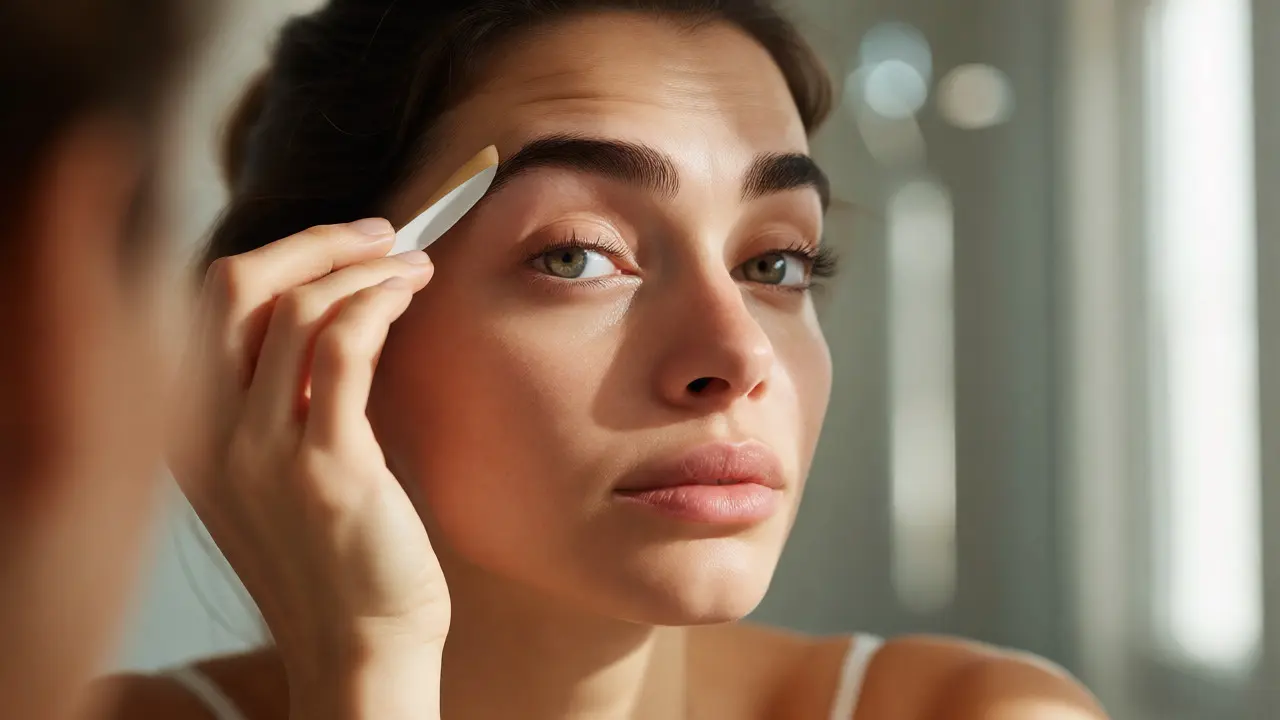
You stare into the mirror, tweezer in hand or wax strip ready, and a nagging thought creeps in: Is this pulling my eyelid down? It’s one of the most common fears people have before their first appointment at the salon. We’ve all heard the horror stories-grandmothers with droopy lids allegedly caused by decades of plucking. But does waxing actually make your skin loose, or is it just an urban legend passed down through generations of beauty enthusiasts?
The short answer is no, not in the way you think. Waxing doesn’t stretch your skin out like a rubber band that never snaps back. However, the relationship between hair removal and skin health is more nuanced than a simple yes or no. Let’s break down what actually happens to your skin when you rip off those strips, why gravity is still the real villain, and how you can keep your brows looking sharp without worrying about premature sagging.
The Myth vs. The Anatomy of Skin Elasticity
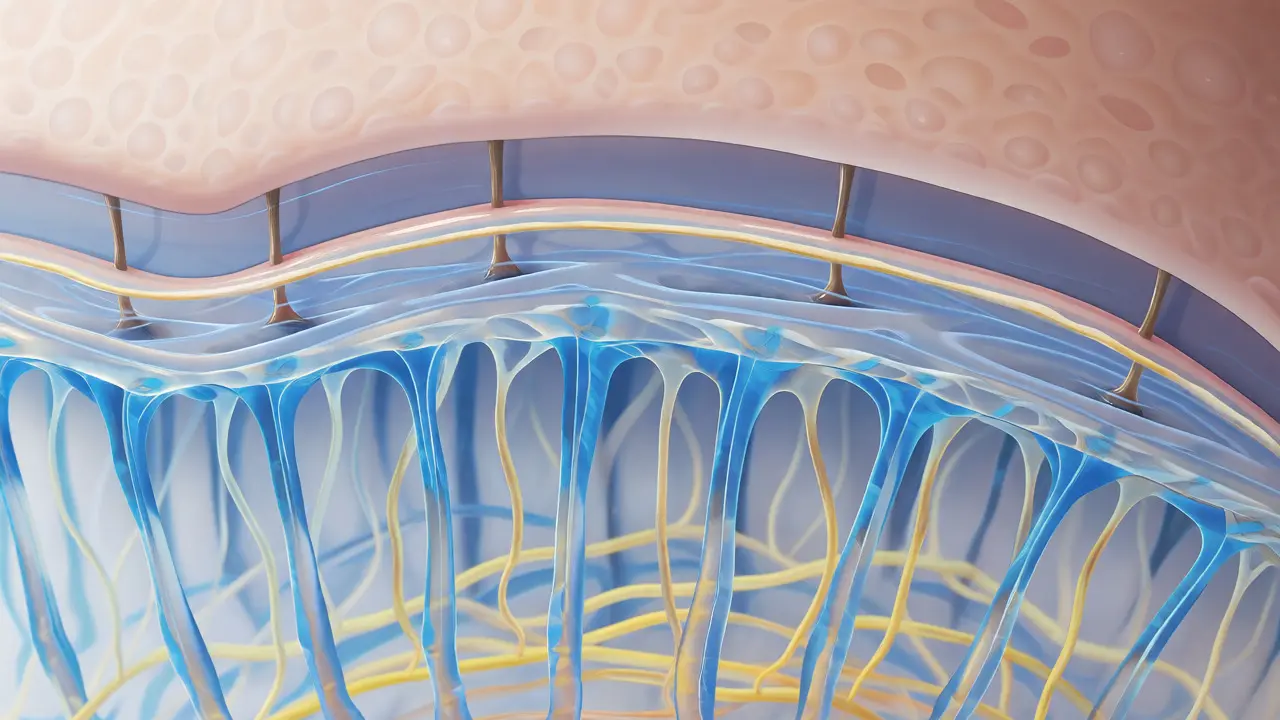
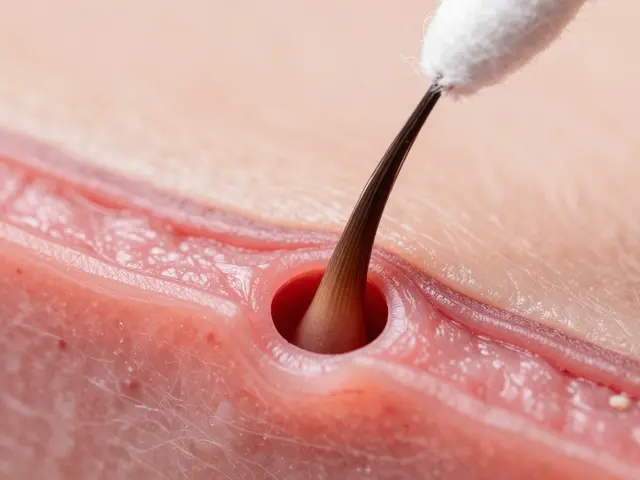
To understand why waxing gets blamed for sagging, you need to know what keeps your skin tight. Your skin’s firmness comes from two main proteins: collagen and elastin. These fibers live in the dermis, the layer beneath the surface, acting like a mattress spring system. When you wax, you are working on the epidermis-the outermost layer-and the hair follicle opening. You aren’t reaching deep enough to snap those internal springs.
Think of it this way: pulling a weed from a garden doesn’t ruin the soil structure underneath unless you dig up half the yard. Similarly, removing hair from the root via waxing removes the shaft and the bulb, but it doesn’t permanently distort the structural integrity of the surrounding tissue. The temporary redness and slight swelling you feel right after waxing are inflammatory responses, not signs of permanent stretching.
| Method | Action on Skin | Risk of Sagging | Long-term Effect |
|---|---|---|---|
| Waxing | Removes hair from root; exfoliates top layer | Negligible | Hair grows back finer over time |
| Tweezing | Pulls single hairs; potential for uneven tension | Low (if done aggressively) | Can cause scarring if infected |
| Shaving | Cuts hair at surface; dulls blade friction | None | Regrowth feels stubbly |
| Laser/IPL | Targets pigment in follicle | None | Permanent reduction possible |
Why Does My Eyelid Feel Heavy After Waxing?
If waxing doesn’t stretch the skin, why do some people swear their eyes look smaller or heavier immediately after? This is usually due to inflammation, not laxity. The skin around your eyes is the thinnest on your entire body-about 0.5mm thick compared to 2mm elsewhere. It reacts strongly to trauma, even mild trauma like heat or adhesive removal.
When you apply warm wax and then quickly pull it off, you create a vacuum effect and mechanical stress. This triggers a histamine response, leading to mild edema (swelling). Swollen tissue looks puffier and can weigh down the upper lid slightly. This isn’t permanent damage; it’s a temporary reaction. In most cases, this puffiness subsides within a few hours to a day. If you’re seeing persistent droopiness weeks later, it’s likely unrelated to the wax itself.
The Real Culprits Behind Loose Skin
If waxing isn’t stealing your youth, who is? Blame the usual suspects: UV exposure, genetics, and lifestyle choices. Sun damage breaks down collagen faster than any beauty routine can rebuild it. Smoking restricts blood flow to the skin, starving it of oxygen and nutrients needed for repair. And yes, repetitive facial movements-like squinting or frowning-can etch lines over time, but these are dynamic wrinkles, not general looseness.
Age is the biggest factor. As we hit our late 20s and 30s, natural collagen production slows down by about 1% per year. By your 40s, elastin fibers become brittle. This natural decline makes skin less resilient. People often correlate this gradual change with their long-term habit of grooming their brows, mistakenly blaming the tool rather than the timeline.
How to Wax Without Damaging Delicate Eye Areas
Technique matters more than the method itself. Poor execution can cause bruising, burns, or unnecessary irritation, which might exacerbate the appearance of tired eyes. Here is how to protect your delicate periorbital area:
- Temperature Check: Never apply hot wax directly to the eye area without testing it on your wrist first. The skin here burns easily. Hard wax (which shrinks as it cools) is generally safer for eyebrows than soft wax because it adheres only to the hair, not the skin.
- Skin Tension: Keep the skin taut during removal. Use your free hand to gently hold the skin flat. Pulling against loose, relaxed skin increases the risk of bruising and discomfort.
- Direction Matters: Always pull the strip parallel to the skin, not upward toward the face. Pulling away from the heart helps reduce blood pooling and bruising.
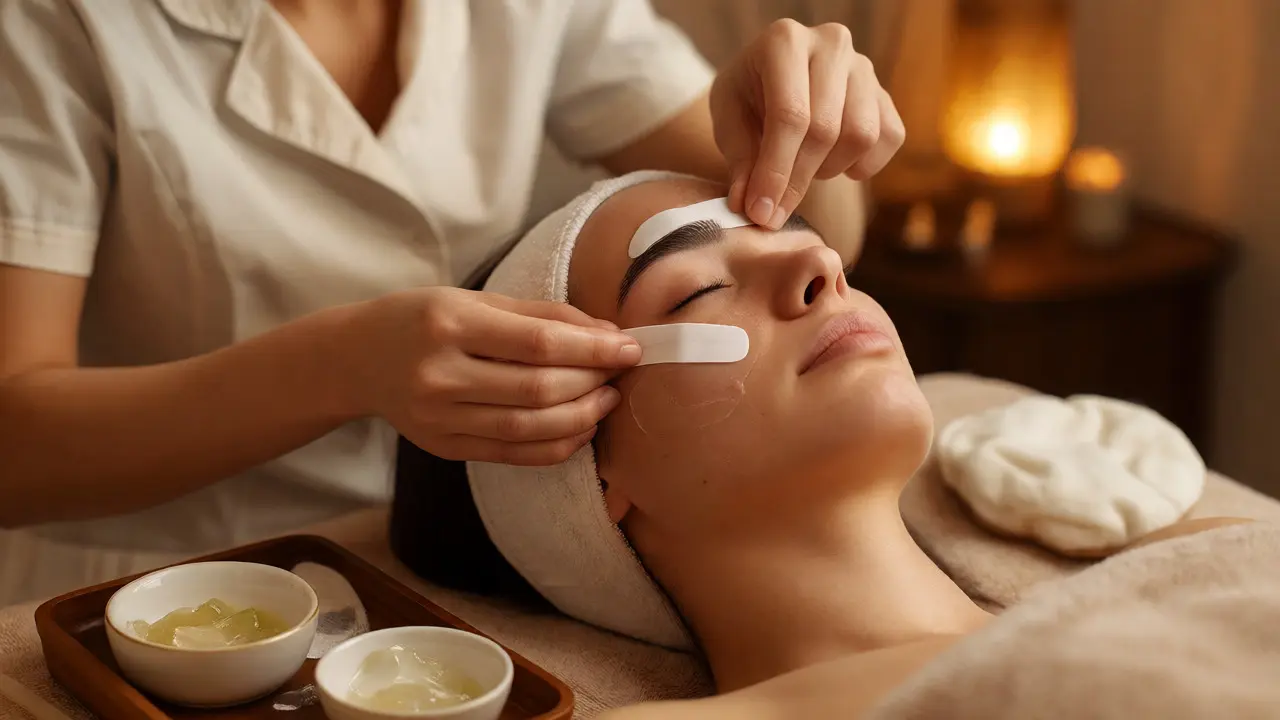
- Post-Wax Care: Apply a soothing agent like aloe vera gel or a cold compress immediately after. Avoid makeup, retinol, or acids for at least 24 hours to let the barrier heal.
Alternatives If You’re Still Worried
If the fear of pulling persists, or if you have extremely thin, fragile skin, you might consider other options. Threading is a popular alternative. It uses twisted cotton threads to trap and pull hair out. Because it doesn’t involve adhesives or heat, it causes less inflammation and zero risk of burns. Many estheticians prefer threading for sensitive clients precisely because it’s gentler on the epidermis.
For those seeking a long-term solution, laser hair removal offers permanence. While it requires multiple sessions and has higher upfront costs, it eliminates the daily or weekly tug-of-war entirely. Just ensure you choose a provider experienced with facial lasers, as the settings must be adjusted for small, sensitive areas.
Building a Routine That Supports Firmness
Your grooming routine should complement your skincare, not fight against it. If you wax regularly, incorporate ingredients that support skin resilience. Retinoids boost cell turnover and collagen production, but use them cautiously around the eyes-they can increase sensitivity. Peptides are another great option; they signal the skin to produce more collagen without the irritation associated with stronger actives.
Hydration plays a role too. Dehydrated skin looks crepey and loose. Drinking water and using humectants like hyaluronic acid help maintain plumpness, making any minor textural changes less noticeable. Remember, healthy skin bounces back better. If your barrier function is compromised from over-exfoliation or harsh products, everything-including waxing-will feel more damaging than it needs to.
Does waxing eyebrows cause dark circles?
Waxing itself doesn't cause genetic dark circles, but it can worsen hyperpigmentation in darker skin tones if post-inflammatory hyperpigmentation occurs. This is more common with improper technique or sun exposure after treatment. Using hard wax and applying SPF afterward minimizes this risk.
How often should I wax my eyebrows?
Typically every 3 to 4 weeks. Waxing works best when hair is about 1/4 inch long. Waiting too long means the hair is too long to grip effectively, while coming too soon means the hair is too short to remove cleanly, potentially leading to breakage instead of root removal.
Is threading better than waxing for preventing sagging?
Threading is gentler on the skin's surface because it doesn't adhere to the epidermis like wax does. While neither method causes true sagging, threading reduces the risk of bruising and inflammation, making it a preferred choice for those with very thin or sensitive skin around the eyes.
Can waxing cause broken capillaries?
Yes, aggressive waxing or pulling against the grain can burst tiny blood vessels near the surface, resulting in spider veins or broken capillaries. This is rare with professional techniques but possible with DIY kits if you pull too hard or repeatedly over the same spot.
What should I put on my eyebrows after waxing?
Apply a calming product like pure aloe vera gel or a fragrance-free moisturizer containing ceramides. Avoid alcohol-based toners, retinols, or exfoliating acids for 24-48 hours to allow the skin barrier to recover fully.



alex kobri
September 19, 2026 AT 22:03gravity is the real enemy here not the wax strip we spend so much time fearing minor mechanical stress while ignoring the massive weight of time pulling everything down its a philosophical irony really that we fear the tool but worship the clock
Deb Kortyna, MBA
September 20, 2026 AT 01:19I must respectfully disagree with the notion that this is merely philosophical. The anatomy section provided in the post is crucial for understanding why panic is unwarranted. Collagen and elastin reside in the dermis, whereas waxing affects only the epidermis. Therefore, the structural integrity remains intact. It is essential to rely on scientific fact rather than anecdotal horror stories from relatives who likely suffered from natural aging processes.
Quintin Franzese
September 21, 2026 AT 11:24oh great another article telling me my grandma was wrong about everything just because she didn't have a dermatologist on speed dial cool cool i'll keep waxing until my face slides off thanks for the validation science lol
Tamara Miller
September 22, 2026 AT 20:37This is exactly what I've been saying for years!! People are so lazy they won't even read the table properly. Look at the "Risk of Sagging" column. It says NEGIGIBLE for waxing. Why do people still argue? They want to be victims of their own ignorance. And don't get me started on those who use DIY kits incorrectly and then blame the method. It's pathetic really. You need to educate yourself before opening your mouth.
Anthony Miller
September 24, 2026 AT 11:09You are all missing the point entirely. The issue isn't just the wax; it is the incompetence of the technicians! I walked into a salon last week and the girl pulled against the grain like she was ripping duct tape off a car bumper. That causes trauma. That causes damage. If you cannot find a professional who understands tension and direction, you deserve the sagging. Stop blaming biology when it is clearly human error. Fix your standards.
Susan Cole
September 24, 2026 AT 22:25I appreciate the nuance in this discussion. It helps to know that inflammation is temporary. I usually feel a bit puffy after appointments but knowing it subsides within hours makes it manageable. Threading has become my preference simply because I have very thin skin and I find the heat of wax slightly overwhelming sometimes. But ultimately, both methods seem safe if done correctly.
michelle veluz
September 25, 2026 AT 05:48THEY ARE HIDING THE TRUTH FROM US!!! It's not just collagen breakdown... it's the chemicals in the wax strips themselves interacting with our hormonal balance!!! My aunt used generic drugstore strips for twenty years and now her eyelids look like melted plastic bags. Do you think that's natural aging?? NO. It's the synthetic adhesives seeping into the pores and disrupting the cellular matrix. We are being poisoned by convenience products!!! Wake up!!!
Jacob Baby Official
September 26, 2026 AT 00:21Actually, this entire premise is flawed. You're assuming that 'sagging' is a binary state. It's not. It's a spectrum of tissue degradation influenced by genetics, UV exposure, AND mechanical stress. By dismissing waxing as having 'negligible' risk, you ignore the cumulative micro-trauma theory. Over decades, repeated stretching of the follicle opening can lead to wider pores and slight laxity around the anchor points. It's subtle, yes, but to say it does nothing is scientifically arrogant. You're oversimplifying complex dermatological mechanics for the sake of selling a narrative that waxing is harmless. It's not harmless; it's low-risk. There's a difference.
john randall
September 27, 2026 AT 19:09i agree with the general consensus here gravity wins in the end no matter what you do to your brows just wear sunscreen and dont smoke and youll be fine regardless of how you remove hair
Jeff Falcon
September 29, 2026 AT 06:43I found this really helpful honestly, especially the part about temperature checks. I always forget to test the wax on my wrist first and I ended up with a little burn mark above my left eyebrow last month which took forever to fade away. It made me paranoid for a while thinking the heat damaged the elasticity but reading this confirms it was just surface irritation. Also, the tip about keeping the skin taut is super important because I noticed when I relax my forehead too much the pull feels way stronger and more painful. Maybe I should switch to hard wax since the article mentioned it adheres only to the hair and not the skin which sounds safer for my sensitive area near the eyes. I'm going to try asking my esthetician about that next time I go in because I definitely don't want any bruising or broken capillaries showing up on my face right before an event.
Alyson Karson
September 29, 2026 AT 20:48YES FINALLY SOMEONE SAYS IT WAXING DOES NOT MAKE YOU OLD ITS ALL IN YOUR HEAD STOP PANICKING GO GET YOUR BROWS DONE YOU LOOK GREAT ANYWAY
Zach Loescher
October 1, 2026 AT 08:48I wonder if the type of wax matters significantly more than the act itself. Hard wax versus soft wax seems to be a key differentiator in terms of skin adherence. Perhaps further exploration into specific formulations could clarify if certain additives contribute to long-term texture changes beyond just the mechanical removal process.
Savara Gunn
October 1, 2026 AT 18:07hey everyone hope yall are doing well just wanted to add that hydration is key like seriously drink water if ur skin is dry it looks crepey anyway so keep moisturizing and u wont notice tiny changes from grooming routines stay strong and remember beauty is confidence not perfection