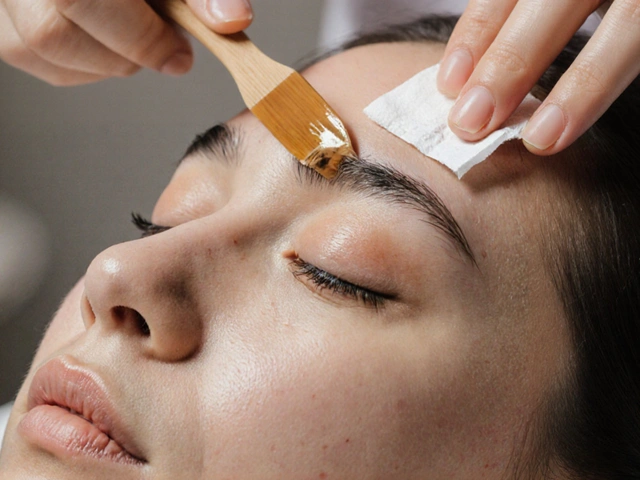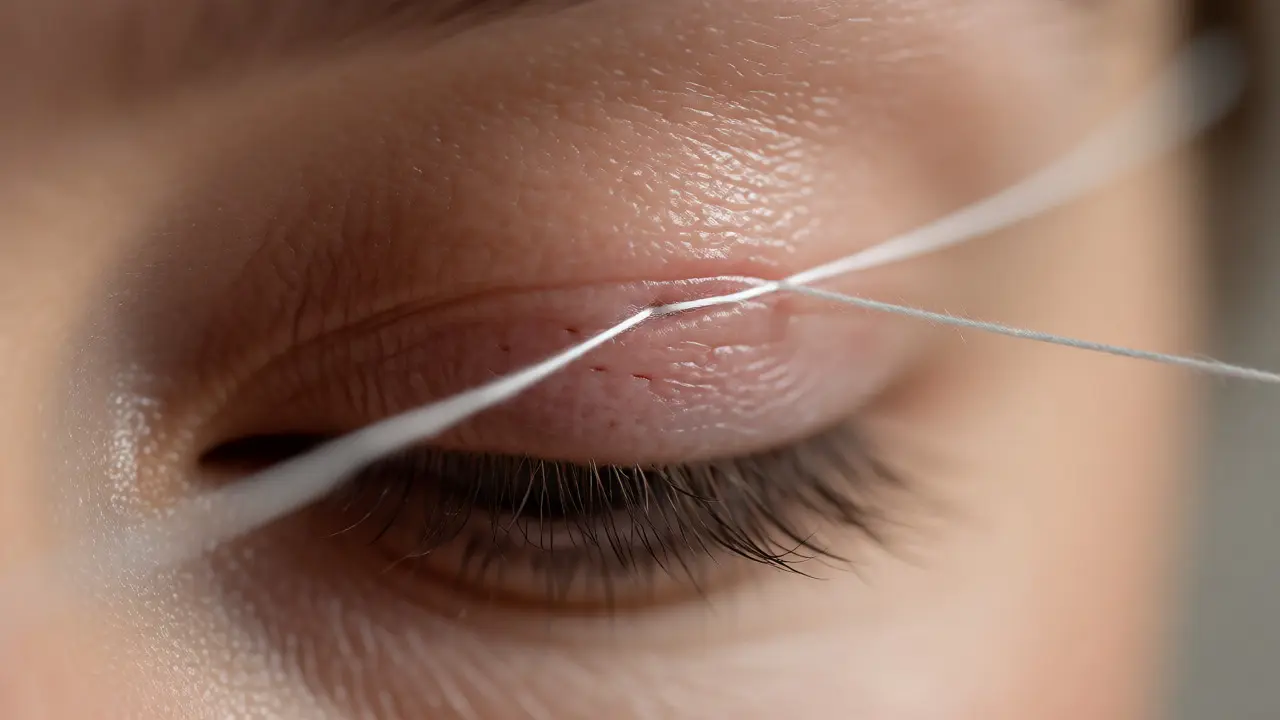
If you have ever watched a thread zip across your forehead in a fraction of a second, you know the sensation is intense. For most people, it’s a quick sting followed by relief. But if you suffer from eye dermatitis, that sting might turn into hours of redness, swelling, or even a flare-up that lasts for days. The question isn't just about pain tolerance; it's about whether this popular hair removal method is secretly sabotaging your skin barrier around one of the most sensitive areas on your face.
You’ve probably heard conflicting advice. Some say threading is the "cleanest" method because it uses no chemicals. Others argue that the mechanical trauma is too harsh for reactive skin. So, does threading actually make eye dermatitis worse? The short answer is: it depends on how it’s done and what type of dermatitis you have. But there are clear risks you need to understand before you book your next appointment.
The Mechanics of Threading vs. Your Skin Barrier
To understand why threading might irritate your eyes, you first need to look at what is physically happening to your skin. Unlike waxing, which removes hair by pulling it out with adhesive force, threading works by twisting a cotton thread into a lasso that traps individual hairs and pulls them out from the follicle. This process is incredibly precise. It can remove peach fuzz (vellus hair) that wax often misses.
However, this precision comes at a cost. Because the thread drags across the surface of the skin while pulling the hair, it creates friction. For someone with healthy skin, this friction causes temporary erythema (redness) that fades within an hour. For someone with atopic dermatitis or eczema, whose skin barrier is already compromised, that friction can trigger an inflammatory response. You aren’t just removing hair; you are micro-abrading the stratum corneum, the outermost layer of your epidermis.
Think of it like sanding wood. If the wood is solid, a light sanding makes it smooth. If the wood is rotten or splintered, sanding it makes it worse. Your skin barrier functions similarly. When it’s broken, as it often is during a dermatitis flare, the mechanical action of threading can exacerbate the inflammation rather than calm it down.
Contact Dermatitis: The Hidden Culprit
Many people assume that because threading doesn’t use wax, it’s free of chemical risks. This is a dangerous misconception. While the thread itself is usually cotton, the hygiene practices of the salon matter immensely. If the therapist’s hands are not sanitized properly, bacteria from their fingers can transfer to your open follicles. This can lead to folliculitis, which looks and feels remarkably like a dermatitis flare.
Furthermore, some salons apply cooling gels, antiseptics, or soothing lotions immediately after threading. These products often contain fragrances, alcohol, or preservatives like parabens. If you have contact dermatitis, these additives are likely triggers. A study published in the Journal of the American Academy of Dermatology noted that fragrance mixtures are among the top three allergens causing facial contact dermatitis. If your post-threading routine includes a scented gel, you might be blaming the thread for a reaction caused by the lotion.
Here is a quick breakdown of potential irritants in common post-care products:
| Ingredient Type | Common Examples | Risk Level for Dermatitis |
|---|---|---|
| Fragrances | Linalool, Limonene, Parfum | High |
| Preservatives | Methylisothiazolinone, Formaldehyde releasers | Medium-High |
| Alcohols | Denatured Alcohol, Isopropyl Myristate | Medium |
| Botanicals | Aloe Vera (if unpreserved), Tea Tree Oil | Variable |

Threading vs. Waxing: Which is Safer for Sensitive Eyes?
When choosing between methods, patients often ask if waxing is better. The truth is, both have distinct downsides for those with eye dermatitis. Waxing involves heat and adhesives. Hot wax can burn delicate periorbital skin, while cold wax requires strong pulling forces that can stretch the thin skin under the eyes. Additionally, many waxes contain rosin (colophony), a known allergen for many people.
Threading avoids the heat and the adhesive allergy risk. However, it increases the risk of mechanical irritation and bacterial infection if hygiene is poor. Let’s compare them directly based on dermatological concerns.
| Feature | Threading | Waxing | Tweezing |
|---|---|---|---|
| Chemical Exposure | Low (unless post-care products used) | High (resins, oils, fragrances) | None |
| Heat Risk | None | Yes (burns possible) | None |
| Mechanical Trauma | Moderate (friction) | High (adhesive pull) | Low-Moderate (pinch) |
| Infection Risk | Moderate (hand hygiene dependent) | Low-Moderate (single-use spatulas vary) | Low (if tools sanitized) |
| Precision | Very High | Moderate | Very High |
If you have severe seborrheic dermatitis, which affects oily areas like the eyebrows, threading might actually be preferable to waxing because it doesn’t leave behind oily residue that feeds yeast (Malassezia). However, if you have periorbital dermatitis, which causes papules and pustules around the eyes, the friction of threading could aggravate the bumps.
Signs That Threading Is Aggravating Your Condition
How do you know if your current routine is hurting you? It’s not always immediate. Sometimes the damage is cumulative. Watch for these specific signs in the 24 to 72 hours following an appointment:
- Persistent Redness: Normal redness should fade within an hour. If your brows remain angry red for more than four hours, your skin barrier is struggling.
- Swelling: Mild puffiness is normal. Significant swelling that distorts the shape of your eyelid suggests an allergic or inflammatory reaction.
- Itching: Histamine release causes itching. If you find yourself rubbing your eyes constantly after threading, you’re triggering more inflammation.
- Burning Sensation: A stinging feeling when applying moisturizer indicates micro-tears in the skin.
- New Pustules: Small whiteheads appearing along the brow line suggest folliculitis, possibly from unsterile threads or hands.
I’ve seen clients come in thinking they had a new allergy to their shampoo, only to realize the culprit was the weekly threading session. The timing correlation is key. If your dermatitis flares up consistently two days after every threading appointment, the link is almost certainly causal.
How to Thread Safely With Sensitive Eyes
If you love the crisp lines threading provides and don’t want to give it up, you don’t necessarily have to quit. You just need to modify the approach. Here is a protocol to minimize irritation:
- Choose a Clean Salon: Insist on seeing a clean workspace. Ask if they change the thread frequently (it should be fresh for each section). Ensure the therapist wears gloves or sanitizes their hands visibly before touching your face.
- Skip the Post-Care Products: Politely decline any lotions, gels, or powders applied by the stylist. Bring your own trusted, fragrance-free moisturizer or occlusive ointment (like petroleum jelly) to apply immediately after.
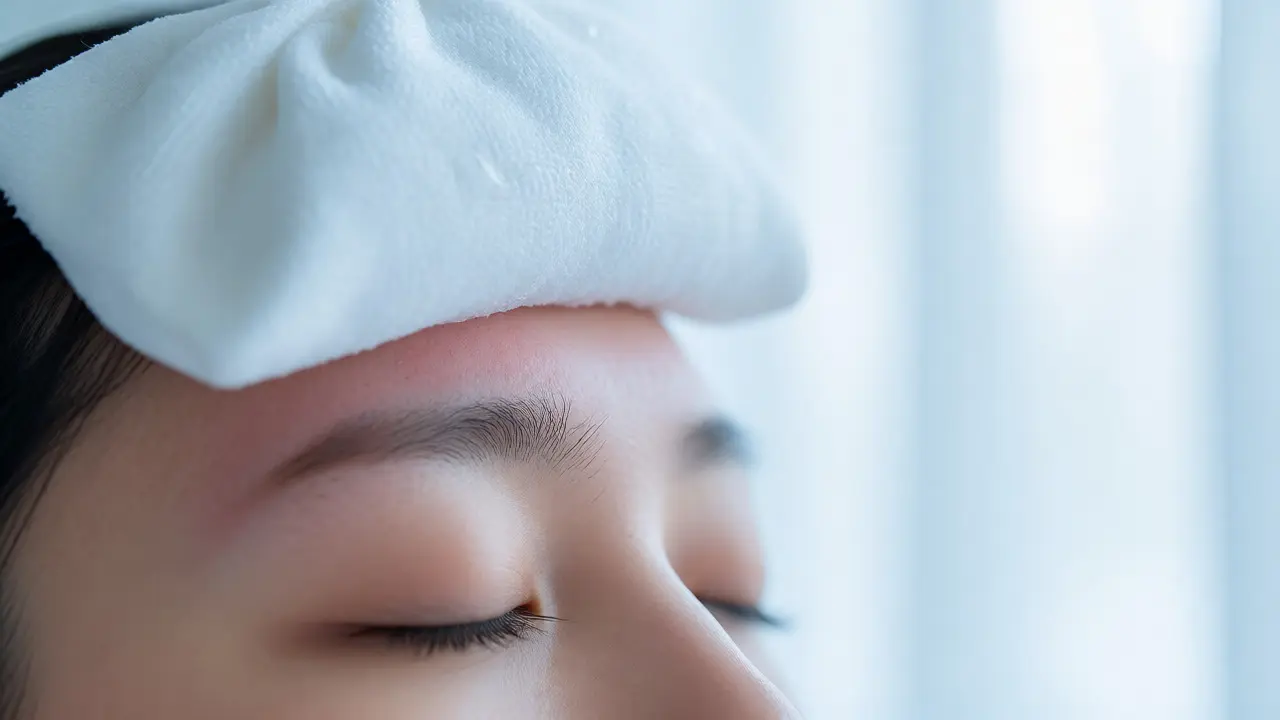
- Cool Down Immediately: Apply a cold compress right after the procedure. This constricts blood vessels and reduces the inflammatory cascade. Do not use ice directly on the skin; wrap it in a clean cloth.
- Avoid Makeup for 24 Hours: Foundation and concealer can trap bacteria in open follicles. Give your skin a day to close up.
- Extend the Interval: If you currently thread every two weeks, try stretching it to three or four weeks. Less frequent trauma gives your skin barrier time to fully repair between sessions.
Also, consider the time of day. Threading in the morning might seem convenient, but if you wear makeup all day, you’re adding stress to irritated skin. Evening appointments allow your skin to heal overnight without environmental exposure.
Alternatives to Consider
If you’ve tried modifying your threading routine and still experience flares, it might be time to switch methods. Tweezing is the safest option for dermatitis-prone skin. It allows for controlled, individual hair removal without dragging across the skin. Yes, it takes longer, and yes, it requires good lighting and steady hands, but it minimizes collateral damage.
Another option is dermaplaning or gentle shaving with a single-blade razor. This removes surface hair and dead skin cells without pulling from the root. The regrowth will feel stubbly, but for many with eczema, avoiding the root-pulling trauma is worth the trade-off. Just ensure you use a sharp, clean blade and shave in the direction of hair growth to prevent ingrown hairs.
Finally, consult a dermatologist about prescription creams. If you must use threading, using a topical calcineurin inhibitor (like tacrolimus) prescribed by your doctor can help manage the underlying inflammation, making your skin more resilient to mechanical stress.
Can threading cause permanent damage to my eyebrows?
Rarely. Permanent hair loss (traction alopecia) from threading is uncommon because it doesn’t involve constant tension over years like tight ponytails do. However, repeated aggressive threading can scar the follicle, leading to thinner regrowth or patchy spots. Consistent inflammation from dermatitis combined with threading is more likely to cause temporary shedding than permanent loss.
Is it safe to thread over active eczema patches?
Generally, no. Most professionals will refuse to work on broken, weeping, or inflamed skin. Threading over active eczema can introduce bacteria into the cracks in the skin barrier, leading to secondary infections like impetigo. It is best to wait until the flare has subsided and the skin is intact before scheduling an appointment.
What should I apply after threading if I have sensitive skin?
Stick to bland, occlusive agents. Pure petrolatum (Vaseline) or a ceramide-rich moisturizer with no fragrance is ideal. Avoid products with essential oils, menthol, camphor, or high concentrations of acids (like glycolic or salicylic acid) for at least 24 hours, as these will sting and potentially worsen inflammation.
Why do my eyes water so much during threading?
This is a reflex action triggered by the stimulation of the trigeminal nerve, which supplies sensation to the face. The pain signals travel through pathways that also control tear production. While annoying, tearing is a natural protective mechanism. However, excessive rubbing of wet eyes can mechanically irritate the skin further, so try to blot tears gently with a tissue instead of rubbing.
Is laser hair removal better for dermatitis?
Laser hair removal can be a good long-term solution, but it carries its own risks for sensitive skin. Laser energy generates heat, which can trigger rosacea or flare-ups in some individuals. It also requires multiple sessions. Consult a dermatologist who specializes in lasers to determine if your specific type of dermatitis is a contraindication for laser treatment.