
You’ve spent hours perfecting your curl pattern, only to realize you need more volume or length. Or maybe you’re trying out a new look without committing to the heat damage of daily styling. Enter curly clip-in hair extensions. These aren’t just straight strands glued into a wave; they are engineered to match specific curl types, from loose waves to tight coils. But here’s the catch: not all curls are created equal. A brand that works for type 3B might leave you with frizz if you have type 4C. So, how do you find the right fit?
Finding the best brand for curly clip in hair extensions isn’t about picking the most expensive option on Amazon. It’s about matching texture, density, and color depth to your natural hair. If you buy the wrong texture, you’ll spend more time blending than enjoying the look. This guide breaks down what actually matters when shopping for curly extensions, highlights top contenders based on real-world performance, and helps you avoid the common pitfalls that ruin good hair days.
Why Texture Matching Matters More Than Brand Name
Before we talk about brands, let’s talk about science. Human hair has a cuticle layer that reflects light. When you mix two different textures, the light hits them differently, creating a visible seam. This is why "generic" curly extensions often fail. They use a one-size-fits-all curl pattern that doesn’t align with the specific diameter of your natural strand.
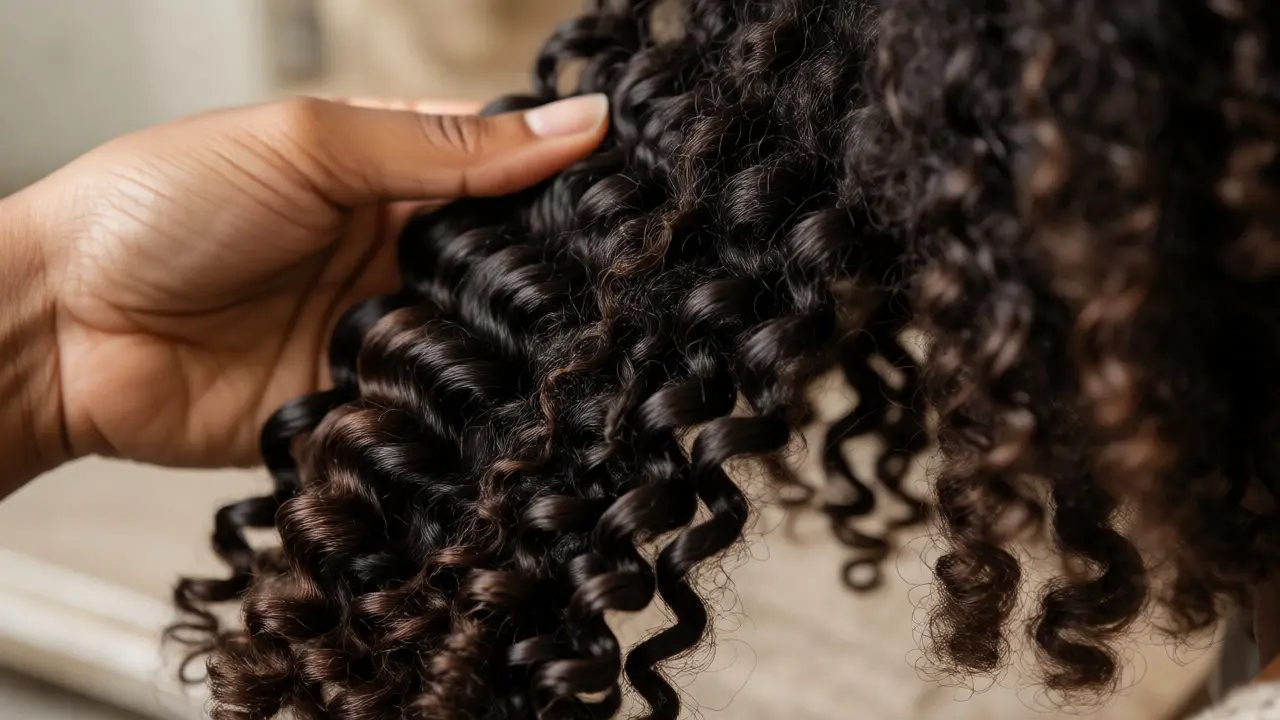
Curly clip-ins must match your hair's curl pattern, which is categorized by systems like Andre Walker’s (Type 1-4). If you have Type 3A (loose spirals), buying Type 3C (tight corkscrews) will make your extensions look dense and unnatural at the roots. Conversely, using Type 2W waves on Type 4Z coils will result in extensions that slide out because the grip strength doesn’t match the friction of your natural hair.
Think of it like shoe sizing. You wouldn’t buy size 9 shoes if you wear size 7, even if the brand is famous. The same logic applies here. The "best" brand is simply the one that offers the widest range of specific curl patterns and allows you to test samples.
Top Contenders for Curly Clip-In Extensions
Based on customer feedback, return rates, and texture accuracy, a few names consistently rise to the top. Note that availability can shift, but these brands maintain strong reputations for quality control.
| Brand | Texture Range | Hair Quality | Price Tier | Best For |
|---|---|---|---|---|
| Lush Wigs | Type 2-4 | Remy Human Hair | $$$ | Precision matching for diverse curl types |
| Bellami | Type 2-3 | Human Hair Blends | $$ | Loose waves and defined curls |
| ClipInHair.com | Type 3-4 | Virgin Remy | $$$ | Tight coils and afro-textured hair |
| Klaiyi | Type 2-3 | Synthetic/Heat Resistant | $ | Budget-friendly temporary looks |
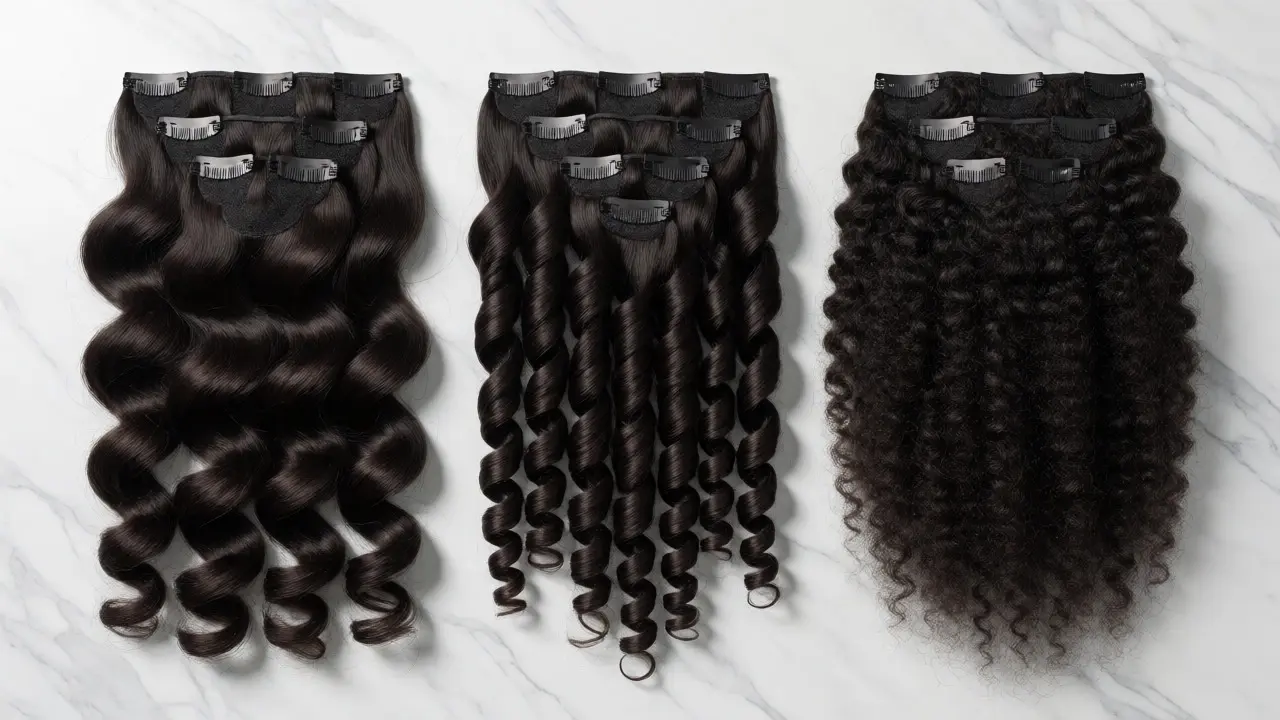
Lush Wigs stands out because they don’t just sell "curly." They sell "Deep Wave," "Body Wave," "Kinky Straight," and specific coil definitions. Their website lets you filter by curl type, which saves you from guessing games. Users frequently mention their customer service team helping with color matches via photo submissions-a crucial feature since screen colors lie.
Bellami is a household name for a reason. Their "Bombshell" line is iconic, but their curly options are slightly less extensive than Lush. However, their processing ensures the hair stays soft longer. If you have looser curls (Type 2 or 3A), Bellami is often the safer bet for ease of installation.
For those with tighter coils (Type 4), ClipInHair.com specializes in this niche. Many mainstream brands skip Type 4 entirely because it requires different weaving techniques to prevent shedding. This brand focuses specifically on textured hair, offering bundles that integrate seamlessly with afro-textured styles.
Human Hair vs. Synthetic: The Durability Trade-Off
You might be tempted by the low price of synthetic fibers. After all, why pay $200 for something you might only wear twice? Here’s the reality check: synthetic curly extensions rarely hold a natural-looking movement. They tend to tangle quickly at the nape of the neck due to friction, and once a synthetic curl frizzes, you can’t restyle it.
Human hair extensions allow you to wash, condition, and even re-curl them with heat tools (if they are unprocessed virgin hair). This means if your natural hair changes texture due to humidity or health factors, you can adjust the extensions to match.
- Synthetic: Low cost ($30-$80), limited lifespan (3-6 months with careful care), cannot be colored, prone to tangling.
- Blended (Synthetic/Human): Mid-range cost ($100-$150), better durability than pure synthetic, limited styling flexibility.
- Human Hair (Remy/Virgin): High cost ($150-$400+), lasts 1-2 years with proper maintenance, fully customizable, blends naturally.
If you plan to wear your curly clip-ins more than once a month, human hair pays for itself over time. You won’t replace them every six months.
The Importance of Color Matching in Curly Textures
Color matching curly hair is harder than matching straight hair. Why? Because curls reflect light differently. A dark brown curl might look black in shadows and chestnut in sunlight. Straight hair shows uniform color; curly hair creates depth and dimension through shadow.
Never trust online swatches alone. The best brands offer physical color sample kits. For example, Lush Wigs sends small strands so you can pin them against your own hair in natural daylight. Do this indoors near a window, not under bathroom fluorescent lights, which distort red tones.
Pro Tip: If you’re between two shades, choose the darker one. Lighter extensions stand out more against natural roots, especially if you have an ombre style. Darker strands blend into the shadowed areas of your curls, making the transition invisible.
Care Routine for Longevity
Buying the best brand is only half the battle. How you treat them determines if they last three months or two years. Curly extensions lack the natural oils produced by your scalp, so they dry out faster.
- Detangle Gently: Always start from the ends and work up. Use a wide-tooth comb while the hair is wet and coated with conditioner. Never brush dry curly extensions aggressively; this causes breakage.
- Wash Sparingly: Wash only after 15-20 wears. Over-washing strips moisture. Use sulfate-free shampoos designed for curly hair.
- Hydrate Regularly: Apply a leave-in conditioner or lightweight oil (like argan or jojoba) to the mid-lengths and ends after washing. Avoid heavy products near the clips, as residue can weaken the adhesive grip.
- Store Properly: Lay flat on a satin pillowcase or hang on a wig stand. Tossing them in a drawer crushes the curl pattern, leading to permanent kinks.
Ignoring these steps turns premium human hair into brittle straw within weeks. Consistency is key.

Common Pitfalls to Avoid
Even with the best brand, mistakes happen. Here are the top three complaints from users:
- Buying Too Much Volume: One set of 120g extensions might be enough for fine hair, but thick hair needs 160g+. Check the weight per piece. If your natural hair is thick, buying thin extensions results in a "wiggy" look where the extensions sit on top rather than blending in.
- Ignoring Clip Strength: Cheap brands use weak silicone-lined clips. On curly hair, which has more surface area and friction, weak clips slip. Look for double-silicone lined clips with secure locking mechanisms.
- Skipping the Blend Test: Before installing, hold a single weft against your head and scrunch your natural hair over it. If you see a distinct line where the textures meet, return it immediately. Don’t hope it will "blend out"-it won’t.
Final Verdict: Which Brand Should You Choose?
If you have Type 3 or 4 curls, go with Lush Wigs or ClipInHair.com. Their specialized inventory reduces the risk of mismatched textures. If you have Type 2 waves or loose curls, Bellami offers excellent quality and widespread availability.
Remember, the "best" brand is subjective to your specific hair profile. Prioritize texture accuracy over brand fame. Order samples first. Ask about return policies regarding opened packages. And always, always match in natural light.
Can I curl my clip-in extensions if they are already curly?
Yes, if they are made of human hair. Virgin Remy hair can handle heat tools. However, synthetic hair usually cannot, unless explicitly labeled as "heat resistant," and even then, high heat can melt the fibers. Always test a small section first.
How many packs of curly clip-ins do I need?
This depends on your hair thickness and desired volume. Fine hair typically needs 1 pack (10 pieces). Medium hair may need 1-2 packs. Thick or very long hair often requires 2-3 packs to ensure full coverage without gaps.
Do curly extensions damage natural hair?
No, clip-ins are non-damaging if installed correctly. They don’t require glue or heat bonding. Damage occurs only if clips are pulled too tight during installation or left in for extended periods (more than 12 hours) causing traction stress.
How do I stop my curly extensions from frizzing?
Frizz is caused by dryness and friction. Use a silk or satin bonnet when sleeping. Apply a small amount of anti-frizz serum or lightweight oil to the ends. Avoid rubbing your hair with cotton towels; use a microfiber towel instead.
Are human hair extensions worth the extra cost?
For frequent wearers, yes. They last 1-2 years versus 3-6 months for synthetic. They also look more natural because they move and reflect light like your own hair. The cost-per-wear is lower over time.