

The Pain Scale: What Does it Actually Feel Like?
If you've never done this before, it's helpful to categorize the pain. It isn't a dull ache; it's a sharp, hot pinch that lasts for about a second. The intensity usually depends on where you're waxing. The outer edges (the 'bikini line') are generally a breeze. Moving toward the center-the 'Brazilian' territory-is where things get real. Most people rate the initial strip pull as a 7 or 8 out of 10 for the first few seconds, which quickly drops to a 3 or 4 as the area settles. Interestingly, the pain isn't constant. It happens in bursts. Once the strip is gone, you'll feel a warm, tingling sensation. This is your body releasing endorphins to cope with the sudden trauma to the skin. If you've used an eyebrow waxing kit before, you know that feeling, but amplified. While eyebrows are a targeted pinch, the bikini area is a wider surface of sensitivity.Hard Wax vs. Soft Wax: Which Hurts Less?
Not all wax is created equal. Depending on what's in your kit, you're likely using one of two types. This choice significantly impacts how much you'll be wincing.| Feature | Soft Wax (Strips) | Hard Wax (Stripless) |
|---|---|---|
| Mechanism | Uses cloth or paper strips | Hardens and is pulled by hand |
| Skin Grip | Grips skin and hair | Grips only the hair |
| Pain Level | Higher (more skin pulling) | Lower (less skin trauma) |
| Best For | Larger, flatter areas | Small, curved, sensitive spots |
If you are doing this at home, Hard Wax is almost always the better choice for the bikini area. Because it doesn't adhere to the skin as strongly as soft wax, you avoid that "skin-stretching" feeling that makes the process feel more violent. Soft wax, often found in cheap drugstore kits, can be aggressive and increase the risk of bruising if you aren't careful.
Why Some People Experience More Pain Than Others
Your experience isn't just about the wax; it's about your biology. If you have very thick, coarse hair, the root is deeper and stronger, meaning more force is required to pull it out. This naturally increases the pain. On the flip side, if your hair is fine, the process is quicker and quieter. Your menstrual cycle also plays a huge role. For many, the few days leading up to and during their period make the skin significantly more sensitive. Progesterone and estrogen fluctuations can lower your pain threshold, making a standard wax feel like a torture session. If you can, schedule your appointment or home session for the week after your period ends. Your skin will be less reactive, and you'll be more likely to breeze through the session.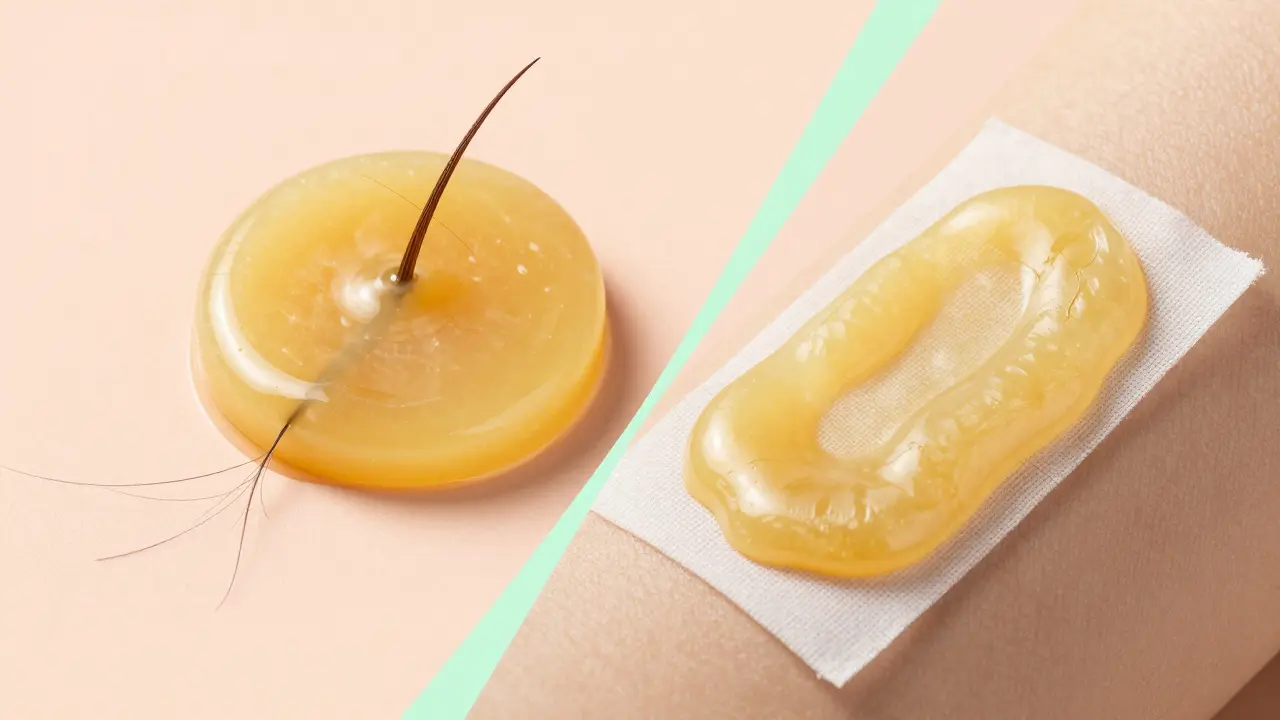
How to Minimize the Sting
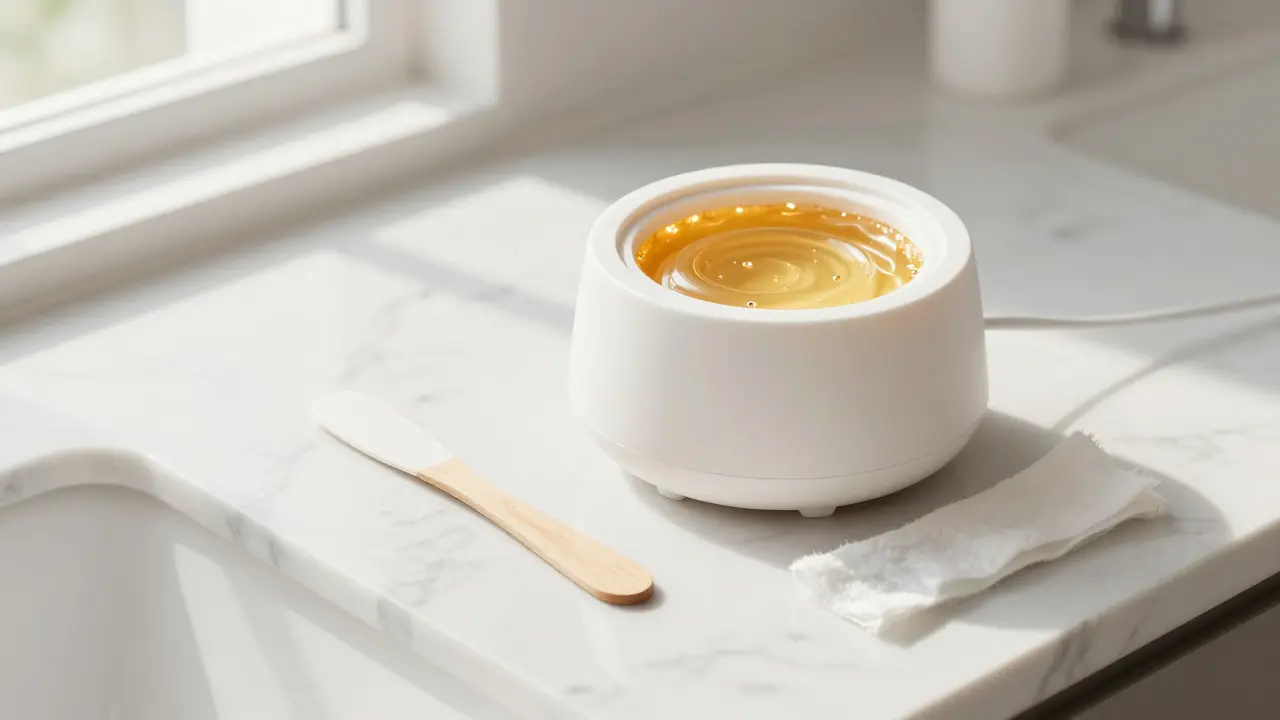
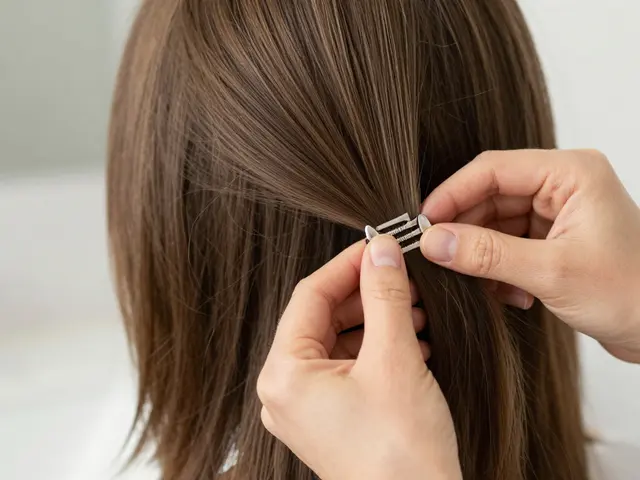
You can't make waxing painless, but you can make it manageable. The goal is to reduce the friction and the shock to the system. First, exfoliate. Use a gentle scrub or a washcloth to remove dead skin cells 24 hours before you start. This prevents the wax from sticking to dead skin and ensures the hair is standing up and ready to be grabbed. Temperature control is another key. If you're using a wax warmer, test the temperature on your wrist. If it's too hot, it will cause a burn, which is a different kind of pain entirely. If it's too cool, it won't grip the hair, and you'll end up waxing the same spot twice-which is the fastest way to tear your skin. Here are a few quick pro-tips for the process:- Tension is everything: Pull the skin tight in the opposite direction of the hair growth. If the skin is loose, it will lift with the wax, causing more pain and potential bruising.
- Breathe out: Don't hold your breath. Exhale sharply as you pull the strip. This relaxes your muscles and prevents you from tensing up, which actually makes the pain feel sharper.
- Apply pressure immediately: The second the strip comes off, press your hand firmly onto the area for three seconds. This confuses the nerves and shuts down the immediate "pain signal" sent to the brain.
Dealing with the Aftermath: Redness and Bumps
Once the hair is gone, the pain doesn't vanish instantly. You'll likely have "chicken skin"-tiny red bumps where the hair was pulled. This is a normal inflammatory response. To calm this down, avoid tight leggings or synthetic underwear for at least 24 hours. Let the skin breathe. One of the biggest risks after bikini waxing is Ingrown Hairs, which occur when a hair curls back into the skin instead of growing straight out. These can be more painful in the long run than the wax itself, often turning into sore, pimple-like bumps. To stop this, wait three days after waxing, then start exfoliating again. This keeps the follicle clear and allows the new, softer hair to break through the surface easily. Avoid heavy oils or thick creams immediately after waxing, as these can clog the open pores and trigger a breakout.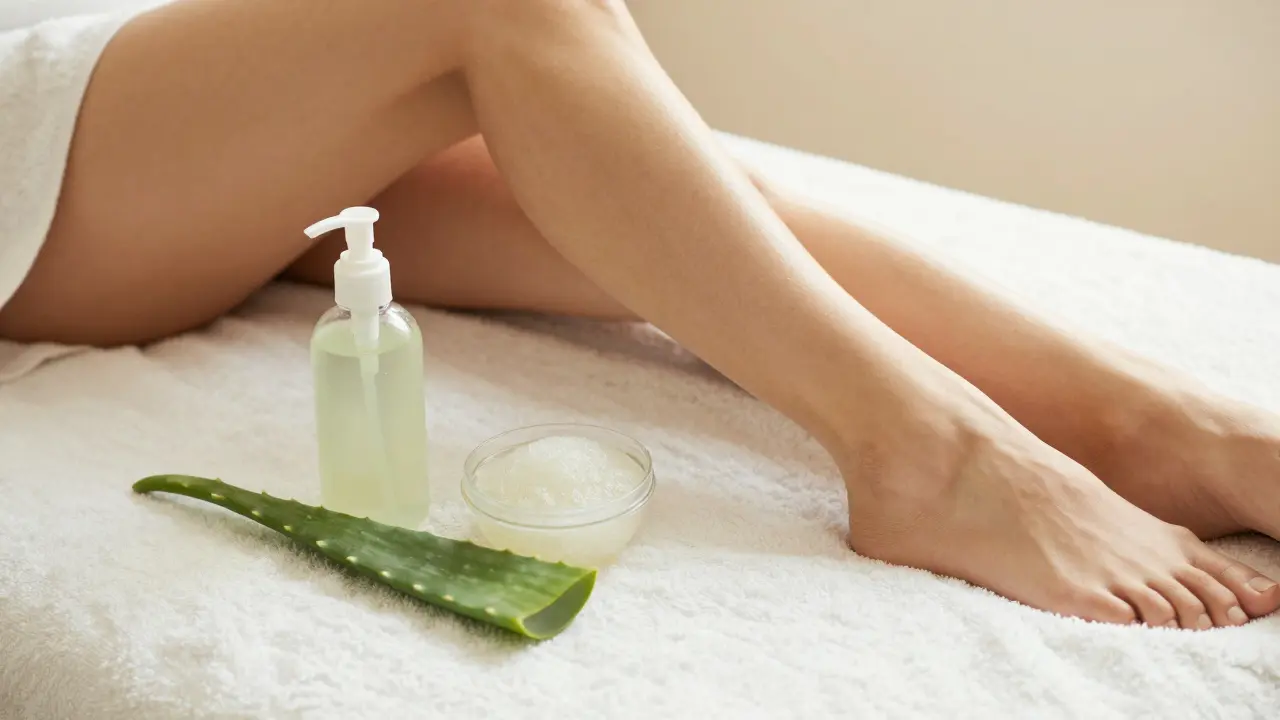
Is it Worth the Pain?
Whether the pain is "worth it" depends on what you're comparing it to. If you hate the itch and irritation of Shaving, then yes, waxing is a massive upgrade. Shaving creates a blunt edge on the hair, which feels like sandpaper as it grows back. Waxing pulls the hair from the root, so it grows back tapered and soft. Moreover, with consistent waxing, the hair follicles eventually weaken. This means that over time, the hair grows back thinner and the process actually becomes less painful. The first time is always the hardest; by the third or fourth session, you'll notice you aren't jumping off the table as much. You're essentially training your skin and hair to be more cooperative.Does the pain get better over time?
Yes, absolutely. When you wax regularly (every 4-6 weeks), you damage the hair follicle slightly, which often results in thinner, sparser hair growing back. Since there is less hair and the roots are weaker, the pulling sensation is significantly reduced during subsequent sessions.
Can I take a painkiller before waxing?
Taking an over-the-counter pain reliever like ibuprofen about 30-60 minutes before your session can help reduce inflammation and slightly dampen the pain response. Just make sure you aren't taking anything that thins your blood excessively, as this could lead to more bruising.
How long should the hair be before I wax?
For the wax to grip properly, your hair needs to be about 1/4 inch long-roughly the size of a grain of rice. If the hair is too short, the wax won't grab it and you'll just be irritating your skin. If it's too long, the hair may tangle or pull painfully, so a quick trim with scissors might be necessary before you start.
What should I do if I get a wax burn?
If the wax was too hot and you have a burn, immediately run cool water over the area. Do not use ice directly on the skin, as this can cause further damage. Apply 100% pure aloe vera gel to soothe the area and avoid any scented lotions or chemicals until the skin has healed.
Is bikini waxing safer than shaving?
In terms of skin irritation, it depends. Shaving often causes "razor burn" and extreme itching. Waxing avoids this but carries a risk of ingrown hairs and temporary redness. Both are safe if done correctly, but waxing provides a much smoother, longer-lasting result.




k arnold
April 18, 2026 AT 21:35Wow, a whole guide on how to rip hair out of your crotch. Truly groundbraking stuff here.
Tiffany Ho
April 18, 2026 AT 23:08this is so helpful i was nervous about doing it myself but now i feel better
Kelley Nelson
April 20, 2026 AT 21:29One simply finds that professional aesthetician services are vastly superior to these rudimentary home kits. The precision and ergonomic tension applied by a trained professional render the entire process nearly inconsequential in terms of trauma.
Ashley Kuehnel
April 20, 2026 AT 21:44Totally agree about the pro services! Its worth every penny to not have a mess in your bathroom lol!
Mongezi Mkhwanazi
April 22, 2026 AT 08:03It is truly fascinating how the modern individual is so preoccupied with the eradication of natural follicles... and yet, they ignore the systemic inflammation caused by such violent extractions; the biological cost is simply too high for such a fleeting aesthetic preference...!!!
Aryan Gupta
April 24, 2026 AT 00:34Why is everyone ignoring the chemicals in these waxes? They probably put something in the wax to make you addicted to the 'smooth' feeling so you keep spending money on kits. Also, you used 'progesterone and estrogen' as a blanket term, but the specific ratio of the luteal phase is what actually impacts the nociceptors. Get your science right.
Zelda Breach
April 24, 2026 AT 14:03Imagine thinking that a little bit of ibuprofen is a valid medical strategy for a home waxing session. Absolutely pathetic. Also, the phrasing in this post is mid at best.
Gareth Hobbs
April 25, 2026 AT 05:20Typical rubbish...!! Proper British grooming dont involve this nonsense... the whole thing is a scam by the big-wax industry to keep us all bald...!! Absolute madness...!!
Alan Crierie
April 26, 2026 AT 12:47I think everyone has their own way of doing things! 😊 It's all about what makes you feel comfortable and confident in your own skin. 🌸
Fredda Freyer
April 26, 2026 AT 13:01Pain is just a signal, but the ritual of grooming is often about control. I've found that focusing on the breath, as mentioned, isn't just a physical trick but a meditative one. If you view the pain as a temporary transition to a state of smoothness, the mental burden lifts. Also, for those with extremely sensitive skin, a cold compress immediately after the pressure touch can seal the pores faster and reduce the 'heat' sensation.
Nicholas Zeitler
April 26, 2026 AT 23:09You can do it!!! Just remember to take it slow... breathe deep... and be kind to yourself during the process...!!!
lucia burton
April 28, 2026 AT 00:02We need to maximize the efficacy of the exfoliation phase by utilizing chemical exfoliants like salicylic acid to prevent the follicular occlusion that leads to those dreaded ingrowns because if you just use a washcloth you aren't really addressing the sebum buildup within the pore structure which is where the real battle is won or lost in the pursuit of a totally glabrous result!
Mark Nitka
April 28, 2026 AT 10:15Look, we can argue about the pain all day, but the fact is that for a lot of people, the itch of shaving is way worse than a few seconds of waxing pain. Let's just agree that different methods work for different bodies.
adam smith
April 29, 2026 AT 14:40This is a very pleasant guide. It is quite simple.