

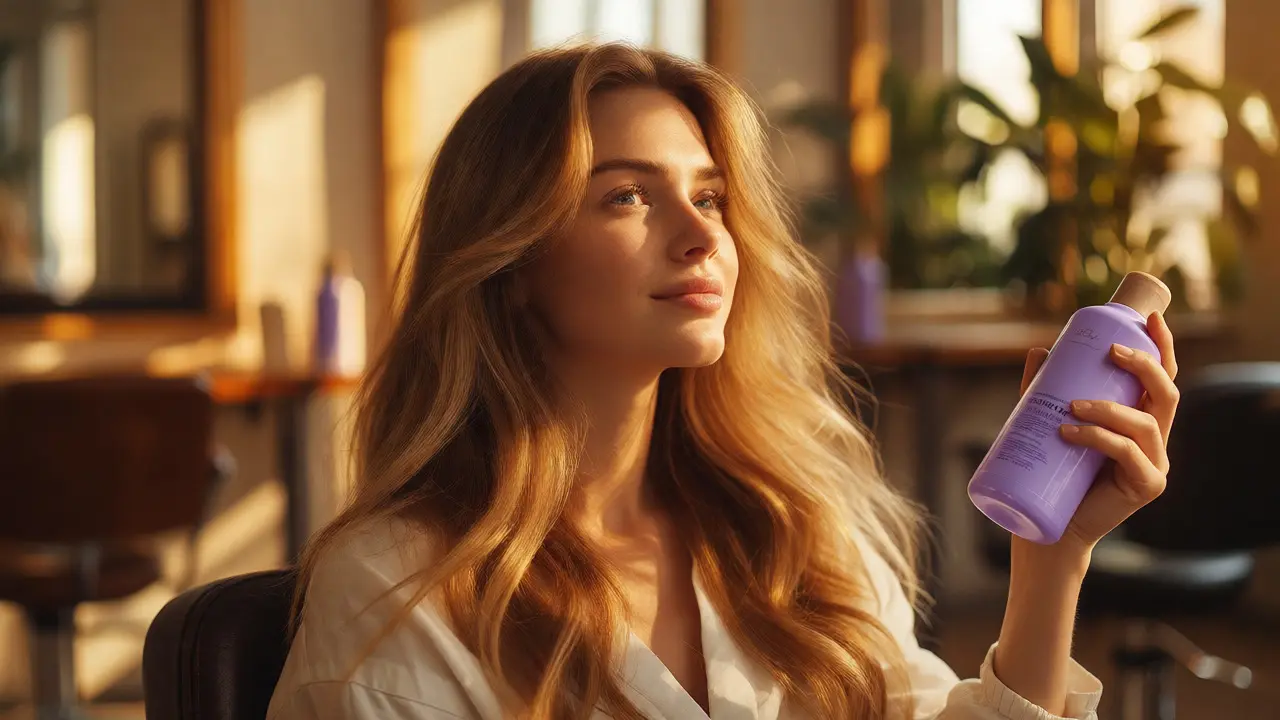
There’s a persistent myth floating around beauty forums and salon chairs that if you’re born with natural blond hair, you’re secretly just one bottle of bleach away from disaster. People assume that being blond is a high-maintenance chemical state rather than a biological reality. But here’s the truth: Natural blond hair results from small amounts of brown eumelanin and an absence of black eumelanin. If your hair is already light, it doesn’t need bleaching to stay blond. In fact, for most naturally blond people, reaching for the bleach is like using a sledgehammer to crack a nut-it’s overkill and often damaging.
So why do so many blondes end up in the bleach bowl? Usually, it’s not because they *have* to, but because they want to go lighter than nature intended. Maybe you want that icy platinum look, or perhaps you’re trying to cover up darker regrowth that has started to creep in as you age. The decision to bleach isn’t about maintaining your identity; it’s about changing your baseline. Let’s break down exactly when you need bleach, when you can skip it, and how to keep your hair healthy without turning it into straw.
The Biology Behind Your Blonde Locks
To understand whether you need bleach, you have to understand what makes your hair blond in the first place. Hair color is determined by two types of pigment produced by melanocytes: eumelanin (brown/black) and pheomelanin (red/yellow). Natural blondness happens when your body produces very little eumelanin. According to research indexed by PubMed and reviewed by the NIH, this lack of dark pigment allows the yellow tones of pheomelanin to show through.
This is crucial because bleaching works by destroying these pigments. If you don’t have much pigment to destroy, you don’t need aggressive chemicals. A person with Level 8 or 9 natural hair (light blond) might only need a gentle toner to neutralize brassiness. Using strong bleach on already light hair can strip the cuticle, leading to porosity issues where the hair drinks up moisture but can’t hold it. This leads to the dreaded "mushy" feel after washing. Unless you are aiming for a level 10+ platinum or white shade, your natural biology is already doing the heavy lifting.
When Bleach Is Actually Necessary
There are specific scenarios where even a natural blonde needs to reach for the lightener. It’s rarely about "maintenance" and almost always about "transformation." Here are the four main reasons:
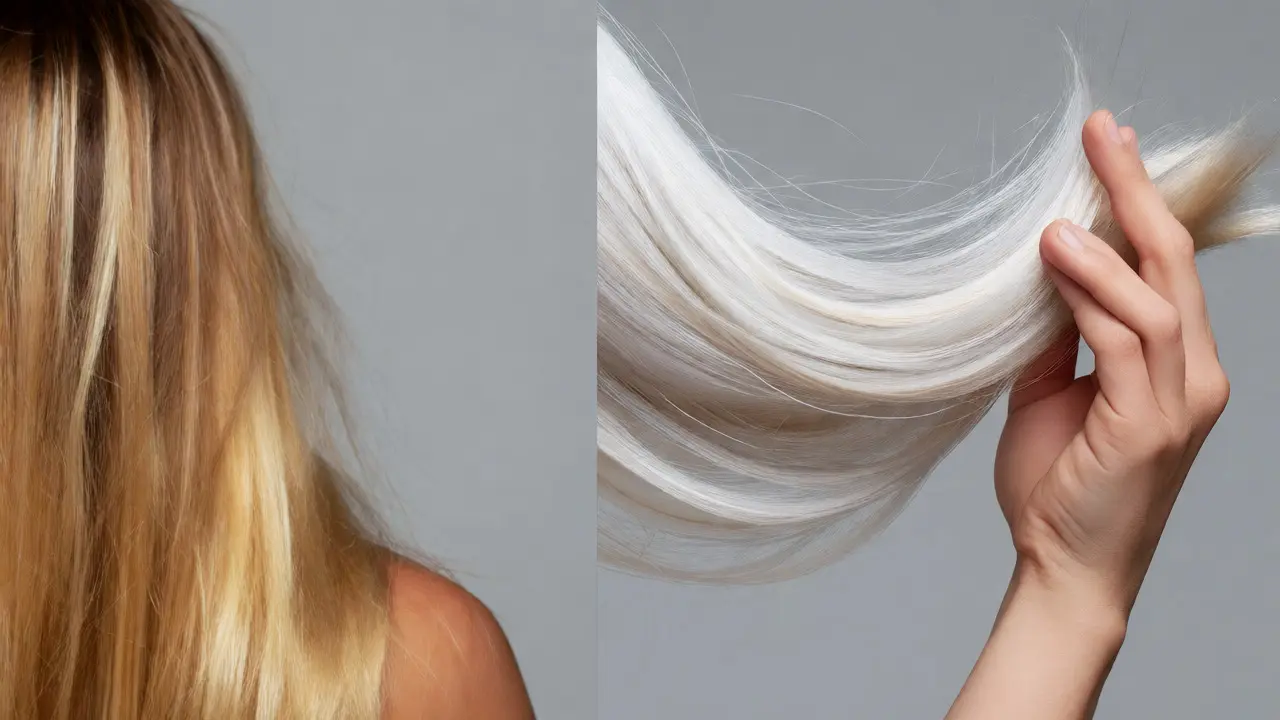
- Going Platinum or White: Most natural blondes sit at a level 7 or 8. To get that stark, white-blonde look seen on celebrities, you need to lift past level 9. Natural pigment often leaves a yellow or gold cast that toner alone can’t fully erase. Bleach removes the underlying warmth entirely.
- Vivid Pastel Colors: Want lavender, mint green, or baby pink? These colors require a nearly white canvas. If your base is golden blond, the dye will mix with the yellow and turn muddy or orange. Bleach creates the blank slate needed for true pastel vibrancy.
- Correcting Dark Regrowth: Many people who were blond children darken in their teens due to increased eumelanin production. If you have dark roots and previously bleached lengths, you might need to carefully lighten the new growth to match the ends. However, be careful-overlapping bleach on already processed hair causes breakage.
- Removing Old Color: If you dyed your hair a darker shade years ago and want to return to your natural lightness, permanent dye won’t lift artificial pigment effectively. You’ll likely need a color remover or a gentle bleach bath to strip the old color before recoloring.
Alternatives That Don’t Damage Your Hair
If you aren’t chasing platinum, you have several gentler options. The American Academy of Dermatology suggests staying within three shades of your natural color to minimize damage. Here’s how to achieve different looks without full-on bleaching:
| Method | Best For | Damage Level | Lift Capacity |
|---|---|---|---|
| Bleach (Lightener) | Platinum, pastels, major lift | High | 4-6 levels |
| High-Lift Color | Virgin hair, 3-5 levels lighter | Moderate | Up to 5 levels |
| Permanent Dye | 1-2 shades lighter/darker | Low-Moderate | 1-2 levels |
| Toner/Gloss | Neutralizing brass, adding shine | Very Low | 0 levels (deposit only) |
High-lift color is a fantastic middle ground. Brands like Wella Professionals design these specifically for virgin hair that wants to go significantly lighter without the harshness of powder bleach. They use a higher volume developer (often 30 or 40 vol) combined with ammonia to open the cuticle and lift pigment simultaneously. Just note: high-lift color does not work on previously colored hair. If you’ve ever dyed your hair, stick to bleach or permanent dye.
For minor tweaks, consider demi-permanent gloss. This deposits color without lifting. If your blond looks brassy or yellow, a violet-based gloss neutralizes the warmth instantly. It fades gradually, so there’s no harsh root line, making it perfect for low-maintenance blondes.
Caring for Bleached vs. Natural Blond
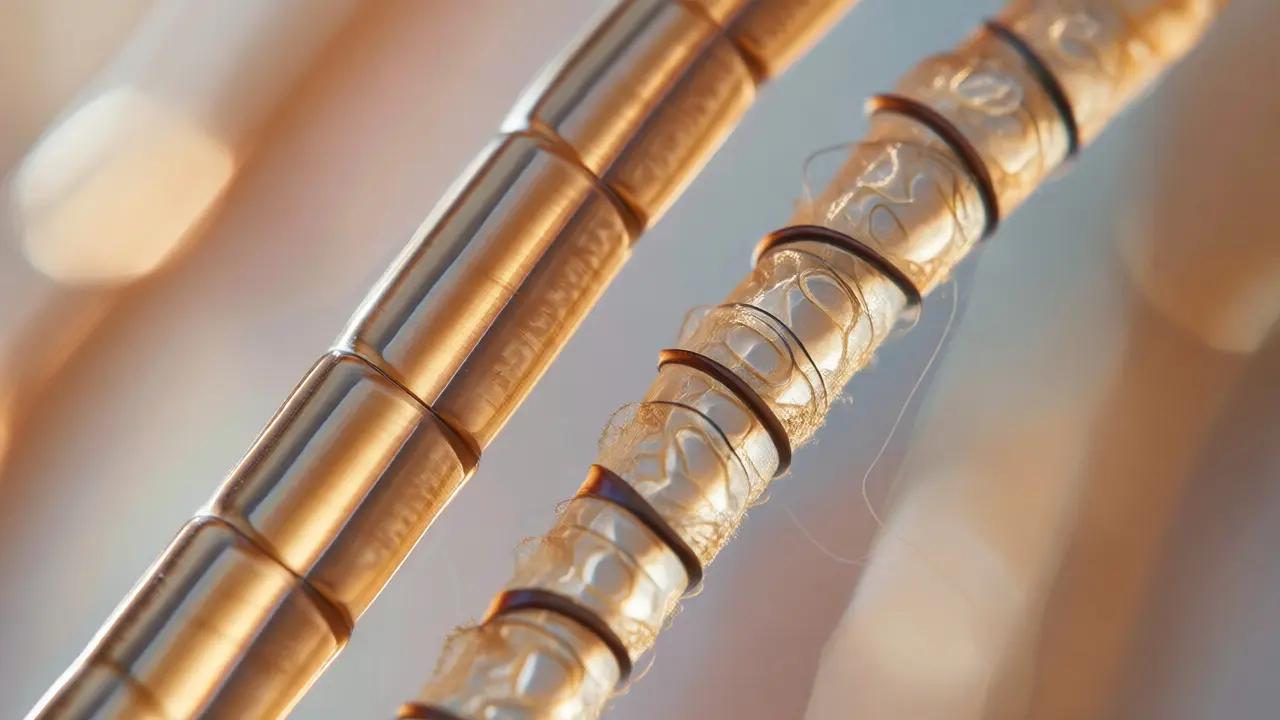
If you do decide to bleach, your hair structure changes permanently until it grows out. Bleach opens the cuticle and dissolves lipids, increasing porosity. This means your hair loses moisture faster and is more prone to tangling. You need a routine focused on repair and protection.
Start with bond-building treatments. Products containing ingredients like olaplex or k18 help reconnect broken disulfide bonds in the hair shaft. While they don’t restore the hair to its virgin state, they significantly improve elasticity and strength. Wash less frequently-aim for twice a week max-and always follow with a deep conditioner. Heat styling should be kept to a minimum; if you must use a straightener, keep it below 350°F (175°C) and always use a heat protectant.
Natural blondes have it easier. Your cuticle is intact, so you retain moisture better. You mainly need to manage tone. Purple shampoo is your best friend here. Use it once a week to counteract environmental factors (like chlorine or sun exposure) that turn blond hair yellow. Avoid clarifying shampoos too often, as they can strip natural oils and make fine blond hair look flat.
The Genetic Factor: Why Your Hair Might Change
It’s worth noting that natural blondness isn’t static. Studies involving over 350,000 people have identified genetic variants in genes like MC1R, TYR, and SLC45A2 that influence hair color. As we age, melanocyte activity can shift. Many children with flaxen hair see it darken to honey or light brown by adulthood. This is normal biology, not a failure of your hair care routine.
If your hair is darkening naturally, you have choices. You can embrace the deeper shade, which often adds dimension and richness. Or, if you prefer the lighter look, you can opt for subtle highlights rather than all-over bleach. Face-framing balayage can brighten your complexion without the commitment of full-head lightening. Remember, hair color is cosmetic preference, not a requirement. There is no rulebook saying you must remain the same shade forever.
Safety First: Patch Tests and Professional Help
Even if you think you know what you’re doing, safety checks matter. The FDA recommends a skin patch test 48 hours before any new color application to check for allergies to PPD (para-phenylenediamine), a common irritant. Apply a small dab behind your ear or on your inner elbow. If you see redness, itching, or swelling, skip the product.
Also, wait at least 14 days between bleaching and other chemical services like perms or relaxers. Mixing processes too closely can lead to severe breakage or scalp burns. If you’re unsure about your hair’s history-especially if it’s been relaxed or heavily processed-see a professional. A stylist can perform a strand test to predict how your hair will react to lift, saving you from a potential emergency fix later.
Does bleaching change my natural hair color permanently?
No. Bleaching affects the hair shaft that exists at the time of treatment. Your new growth will come in with your natural genetic color. If your natural color is dark, you will see a distinct root line as your hair grows out.
Can I go from dark brown to platinum without bleach?
Generally, no. Permanent dyes and high-lift colors cannot lift dark hair enough to reach platinum. You would need multiple rounds of bleach or a combination of color remover and bleach to achieve that level of lightness safely.
Why does my natural blond hair turn yellow?
Yellowing occurs when blue and violet pigments fade, leaving yellow and orange tones visible. This can happen due to sun exposure, hard water minerals, or product buildup. Using a purple shampoo helps neutralize these warm tones.
Is natural blond hair healthier than bleached blond?
Yes, structurally speaking. Natural blond hair retains its cuticle integrity and internal lipid content better than bleached hair. Bleached hair is more porous, fragile, and requires more intensive moisturizing and protein treatments to maintain strength.
How often should I touch up my blond hair?
This depends on the method. Roots usually need touching every 4-6 weeks. Glosses or toners may need refreshing every 2-4 weeks to combat brassiness. Highlights or balayage can last 3-6 months depending on the contrast with your natural color.



LoriBeth Blair
October 20, 2026 AT 08:14People really don't get basic biology. Natural blond hair has low eumelanin, not zero pigment. You do NOT need bleach to stay blond. That is just false marketing by salons trying to sell you damage. If your hair is level 8 or 9, a toner is enough. Stop wasting money on chemicals that strip your cuticle and make your hair mushy.
Liam Whelan
October 21, 2026 AT 04:54honestly tho?? i feel like ppl are way too hard on themselves abt this stuff :( if u wanna go platinum then do it but dont act like its reqird for every blonde. my sis went thru hell with bleach fumes and her hair snapped off lol. respect the choice either way!! 🙏
Elizabeth Calwell
October 21, 2026 AT 16:13This is such a helpful breakdown! I love that it emphasizes high-lift color as an option for virgin hair. It’s so important to remember that our natural texture and health matter more than chasing a specific shade. You can absolutely have gorgeous, healthy hair without destroying it with powder lightener. Embrace what nature gave you first before reaching for the bleach bowl!
Sabrina Silvani
October 22, 2026 AT 17:32the distinction between maintenance and transformation is key here. we conflate the two constantly. society tells us we must maintain a certain look, but biologically, we are changing all the time. melanocytes shift. genetics play out. forcing a static image onto a dynamic biological process causes unnecessary suffering. let the hair be what it wants to be. less intervention is often more wisdom.
Mithilesh Singh
October 23, 2026 AT 13:16It is absolutely ridiculous how people ignore the safety guidelines. The FDA clearly states patch tests are mandatory. People skip them because they think they are invincible. Then they get chemical burns and blame the product. In India, we value proper care and discipline in beauty routines. You cannot rush chemistry. Read the instructions. Do the test. Wait 48 hours. Simple rules exist for a reason. Do not break them.
Shaina Silver-Baird
October 23, 2026 AT 21:50I find it suspicious that the industry pushes bleach so heavily despite knowing the structural damage it causes. There seems to be a coordinated effort to normalize high porosity and dryness as 'healthy' simply because it looks bright under studio lights. We should question why alternatives like bond builders are marketed as cures rather than preventative measures. The data suggests that natural integrity is lost permanently, yet the narrative remains focused on aesthetic lift over structural preservation.
Lauren Martin
October 25, 2026 AT 12:11Let's analyze the actual cost-benefit ratio of bleaching for Level 8-9 bases. The marginal utility of lifting from Level 9 to Level 10 is negligible for most social contexts, yet the kinetic energy required to break disulfide bonds is exponential. You are paying for vanity at the expense of tensile strength. Most consumers lack the understanding of cuticle layering and lipid removal. They see shine and assume health, ignoring the microscopic fracturing occurring within the cortex. It is a poor investment of biological capital.
Ian Mason-Laurence
October 26, 2026 AT 07:28To clarify for those who might be confused: Bleach does not change your genetic code. Your roots will always grow in with your natural color. This means the 'maintenance' aspect is actually a cycle of correction. You are not maintaining blondness; you are fighting your own biology every four to six weeks. High-lift color works only on virgin hair because artificial pigment molecules are larger and resist oxidation differently than natural melanin. Understanding this chemical limitation saves you from disastrous home dye jobs.
evelyn starcher
October 26, 2026 AT 13:32i hate when people say its just cosmetic. its emotional labor!! 😩 watching your hair turn orange after spending hours in the chair... i felt so drained last time. but yeah, purple shampoo helps keep the yellow away without the burn. 💜
Tommy Cahyadi
October 26, 2026 AT 19:59Oh wow, another article explaining that you don't have to destroy your hair to look good. Groundbreaking stuff. Truly revolutionary. Next, someone will tell me water is wet. Anyway, nice info for the folks who haven't realized bleach isn't magic fairy dust.