

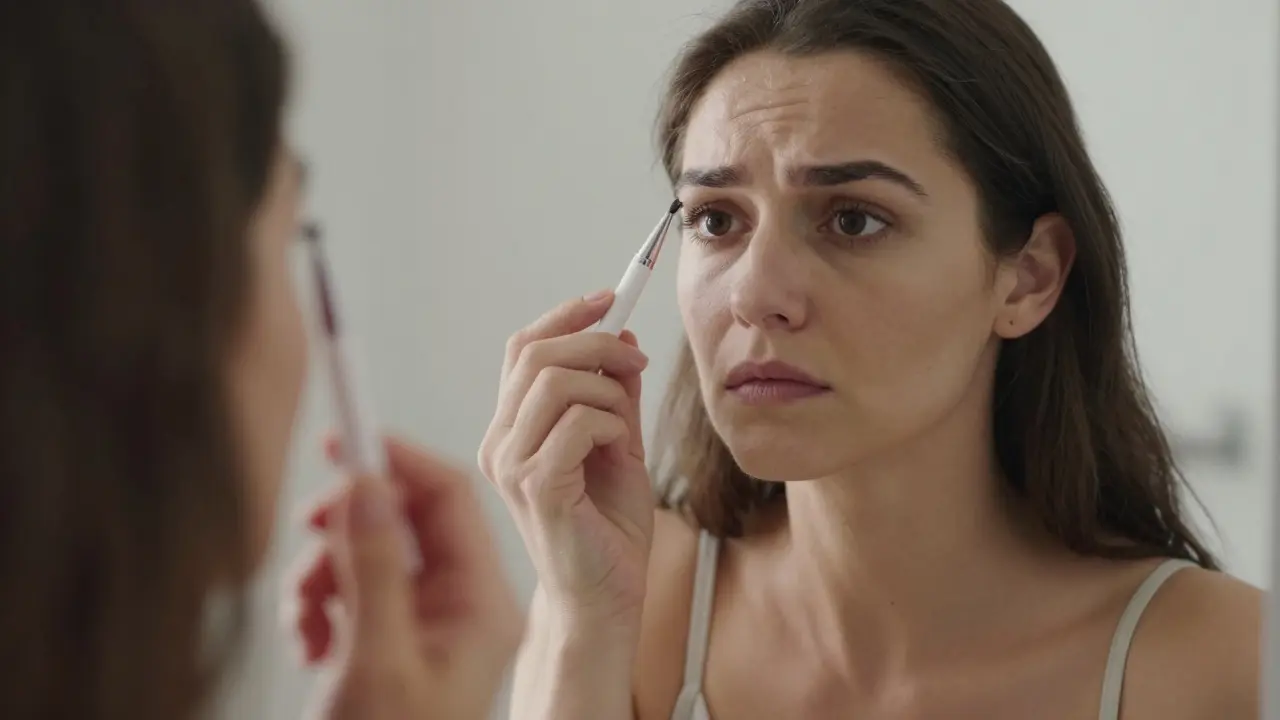
You’re sitting in front of the mirror, holding an eyebrow wax pen that promises quick, clean lines. Then you pause. You’ve heard conflicting things about removing hair from your face. Some say it’s a minor faux pas; others whisper that it’s a serious transgression. Meanwhile, your friend just got a sleeve tattoo, and the same voices claim that’s a major violation of divine law. So, here is the burning question: Is the sin of eyebrow plucking equal to getting a tattoo?
The short answer is no. In most theological frameworks-particularly within Islam, where this debate is most prevalent-they are not treated as equal offenses. One is often categorized as a social or cultural prohibition (often debated), while the other is frequently classified as a more severe alteration of God’s creation. But before you toss your wax heater into the trash or book a laser removal session, let’s unpack why these two acts sit on different rungs of the moral ladder.
Understanding the Core Issue: Alteration vs. Maintenance
To understand why these actions aren’t equal, we have to look at what they represent conceptually. The central entity here isn't just "hair" or "ink"; it's the concept of Tahreef, which translates to altering the natural form created by God. However, the degree and intent matter immensely.
Eyebrow plucking, specifically for women in many interpretations, falls under the category of beautification. It is temporary. It does not permanently change the structure of your body. When you use an electric eyebrow trimmer or a wax strip, you are engaging in grooming. Yes, some scholars argue that shaping eyebrows to mimic trends is forbidden because it involves imitating those who distort their features. But it remains a reversible act. Your hair grows back. The skin heals. The alteration is superficial.
Tattoos, on the other hand, are permanent. They involve injecting ink into the dermis layer of the skin. This is not grooming; it is modification. In traditional jurisprudence, particularly in Sunni Islam, tattoos are widely considered Haram (forbidden) because they cause pain without medical necessity and permanently alter the body’s original state. Unlike plucked brows, a tattoo doesn’t grow back out. It stays with you until removed through painful, expensive procedures like laser therapy.
The Theological Weight: Haraam vs. Makruh
If we break this down using religious legal terms, the distinction becomes clearer. Most mainstream scholars classify tattoos as Haraam. This means it is strictly prohibited. There is little room for ambiguity here in classical texts. The reasoning cites hadiths that curse those who perform tattoos and those who receive them.
Eyebrow plucking is trickier. For men, it is almost universally agreed upon as forbidden because it is seen as imitating women. For women, opinions vary. Some scholars consider it Makruh (disliked but not sinful) if done modestly to remove stray hairs. Others view heavy shaping as Haraam because it changes the facial structure intentionally. Even in the stricter view, however, the weight of the sin is often viewed as lighter than that of a tattoo because it lacks the element of permanent bodily harm and irreversible change.
| Feature | Eyebrow Plucking/Waxing | Tattooing |
|---|---|---|
| Permanence | Temporary (hair regrows) | Permanent (ink in dermis) |
| Bodily Impact | Superficial (follicle level) | Structural (skin trauma) |
| Primary Intent | Grooming/Beautification | Decoration/Identity |
| Scholarly Consensus | Divided (Men: Haram; Women: Debated) | Majority: Haram |
| Reversibility | High (natural growth) | Low (requires laser/surgery) |
The Role of Tools: Why the Eyebrow Wax Pen Matters
You might be wondering why tools like the eyebrow wax pen are mentioned in this context. It’s not just about the act of plucking; it’s about the method. Traditional threading or tweezers allow for precise, conservative shaping. An eyebrow wax pen, however, is designed for speed and broad application. It removes larger patches of hair quickly, often leading to over-plucking or unnatural arches that deviate significantly from one’s natural bone structure.
This brings us to the concept of Taghyeer al-Khalq (changing creation). If you use a tool that encourages drastic, unnatural changes, you move closer to the territory of prohibited alteration. The wax pen makes it easy to create sharp, angular shapes that didn’t exist naturally. While still not equal to a tattoo, aggressive shaping with such tools can lean toward the more severe end of the grooming spectrum in the eyes of strict interpreters.
Conversely, simple trimming or removing sparse hairs between the brows is generally accepted as hygiene and maintenance. The key is moderation. Are you cleaning up your appearance, or are you reconstructing your face?
Cultural Context vs. Religious Doctrine
We cannot ignore how culture clouds our understanding of these sins. In many Muslim-majority societies, eyebrow shaping is ubiquitous. Women do it daily. Yet, tattoos remain stigmatized. This disparity exists because society views brow shaping as part of feminine presentation, whereas tattoos are often associated with rebellion, gang affiliation, or non-conformity.
However, religious doctrine should stand apart from cultural trends. Just because everyone around you is using an eyelash curler or shaping their brows doesn’t make it permissible if your conscience or scholarly guidance says otherwise. Similarly, the rising popularity of tattoos in Western cultures doesn’t erase the theological objections held by many faith communities.
It is crucial to separate personal aesthetics from spiritual obligations. If you are concerned about the "sin" aspect, you must look at the intent and the permanence. Ask yourself: Am I doing this to please myself and fit in, or am I trying to honor my body as it was given?

What About Other Faiths?
While this discussion often centers on Islamic teachings due to the specific terminology used in the query, other religions also weigh these actions differently. In Christianity, Leviticus 19:28 explicitly forbids cutting marks in the flesh for the dead, which is often interpreted as a ban on tattoos. However, many modern Christian denominations view this as ceremonial law rather than moral law, making tattoos acceptable. Eyebrow plucking is rarely addressed directly, leaving it largely to personal conviction.
In Judaism, similar distinctions apply. Permanent markings are prohibited under the same Levitical laws. Temporary alterations, like makeup or hair removal, are generally permitted as long as they don’t involve causing unnecessary pain or violating modesty laws. Again, the permanence factor drives the severity of the prohibition.
Navigating Your Personal Choice
So, are they equal? No. Tattoos carry a heavier theological burden due to their permanence and invasive nature. Eyebrow plucking sits in a gray area, dependent on gender, extent, and intent. But knowing the difference doesn’t necessarily solve your dilemma. If you feel guilty about either, that feeling is data. It suggests a misalignment between your actions and your values.
If you want to maintain your eyebrows without crossing into questionable territory, consider gentler methods. Use spoolie brushes to groom hairs upward. Trim only the longest strands. Avoid harsh waxes that strip large areas. This approach respects the natural shape while keeping you tidy. It’s a middle ground that satisfies both aesthetic desires and spiritual caution.
For tattoos, if you are already committed, know that repentance and intention matter. Many scholars emphasize that God is merciful and looks at the heart. If you regret the decision, seek removal if possible, or cover it when appropriate. Don’t let guilt paralyze you; let it guide you toward better choices moving forward.
Is it haram to pluck eyebrows for women?
Opinions vary among scholars. Some consider it disliked (Makruh) if done moderately for hygiene, while others deem it forbidden (Haram) if it involves significant alteration of the natural shape. It is generally less severe than tattoos but still debated.
Why are tattoos considered a greater sin than eyebrow plucking?
Tattoos are permanent and involve altering the body’s creation in a lasting way, often causing unnecessary pain. Eyebrow plucking is temporary and reversible, falling more under the category of grooming than structural modification.
Can I use an eyebrow wax pen if I’m worried about religious restrictions?
If you are concerned, opt for minimal shaping. Use the wax pen only to remove stray hairs rather than creating new arches. Alternatively, switch to trimming or threading for more control and less aggressive removal.
Does removing a tattoo reduce the sin?
Many scholars believe that attempting to remove a tattoo shows repentance and reduces the burden of the sin. However, the initial act remains prohibited, so prevention is always preferred over correction.
Are there any exceptions for medical tattoos?
Yes. Medical tattoos, such as marking surgical sites or replacing lost pigmentation after burns, are generally permitted because they serve a health or restorative purpose rather than decorative alteration.




Destiny Brumbaugh
May 15, 2026 AT 11:47thats so much bullcrap honestly. we should focus on real issues not what women do with their faces. stop trying to control us.
Sara Escanciano
May 15, 2026 AT 13:54You are absolutely disgusting for even asking this question. Tattoos are a mark of rebellion and sin against the natural order that God established. Eyebrow plucking is vanity but tattoos are permanent defilement of the temple. Do not equate the two ever again because it shows a lack of moral compass in your soul.
Elmer Burgos
May 16, 2026 AT 07:28hey look i think its all about intent really. if you do it to feel good then who cares right? people stress too much about rules from thousands years ago. just be kind to yourself and others
Jason Townsend
May 16, 2026 AT 10:27the ink industry is part of a larger system designed to mark humans like cattle. they want you branded so they can track you later. dont let them put chips in your skin under the guise of art. stay woke.
Cynthia Lamont
May 16, 2026 AT 22:59This entire article is an abysmal display of logical fallacies and semantic drift. The author attempts to conflate 'grooming' with 'modification' without addressing the fundamental theological distinction of Tahreef. Furthermore, the assertion that eyebrow waxing is merely 'superficial' ignores the psychological impact of conforming to artificial beauty standards imposed by patriarchal structures. It is truly pathetic how little effort was put into researching the nuanced jurisprudence surrounding these topics. One would expect a higher standard of academic rigor than this superficial rant.
Kirk Doherty
May 17, 2026 AT 12:57i mean yeah tattoos hurt more so maybe thats why theyre worse? idk just seems like a personal choice thing
Dmitriy Fedoseff
May 19, 2026 AT 00:55You fail to grasp the cultural significance of body modification in many indigenous traditions where tattoos serve as rites of passage or spiritual protection. To dismiss them solely through a rigid lens of 'alteration' is ethnocentric and ignorant. Eyebrow shaping, conversely, is often a colonial import of beauty standards that erase natural diversity. We must respect the autonomy of individuals to define their own relationship with their bodies rather than imposing external dogmas.
Meghan O'Connor
May 20, 2026 AT 00:04Boring. Another piece of religious guilt-tripping disguised as informative content. I rolled my eyes so hard I could see my brain stem. The grammar is acceptable but the perspective is utterly tedious and repetitive.
Morgan ODonnell
May 20, 2026 AT 08:37i get where everyone is coming from. its tough when you feel pressured to fit in. maybe just do what feels right for you and try not to judge others too harshly
Liam Hesmondhalgh
May 21, 2026 AT 22:25Typical American nonsense trying to dilute our heritage. In Ireland we have our own ways of marking identity and you cannot compare it to this shallow western trend. Keep your foreign customs to yourselves and respect local traditions instead of muddying the waters with your confused theology.
Patrick Tiernan
May 21, 2026 AT 23:36oh please spare me the lecture. this whole debate is so pretentious and full of itself. nobody cares about your hair follicles or your ink stains. live and let live you drama queens
Patrick Bass
May 23, 2026 AT 20:48The distinction between temporary grooming and permanent alteration is clear in most legal frameworks. While opinions vary on the severity, the permanence factor remains the primary differentiator in scholarly consensus.