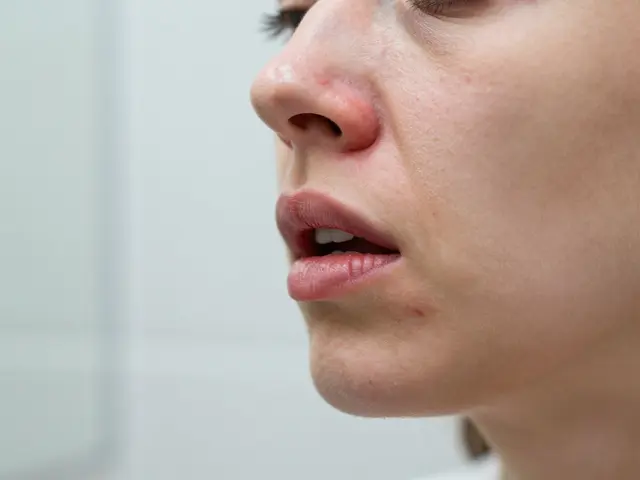
You’re sitting in your bathroom, holding a pair of scissors or a strip of eyebrow wax strips, and you have that nagging question. Is it okay to touch my face right now? Specifically, if Ramadan is starting tomorrow or in a few days, can I fix those stray hairs without breaking any spiritual rules? It’s a common worry, especially for those who take their faith seriously but also want to look sharp for Eid celebrations later.
The short answer is yes, you absolutely can trim or groom your eyebrows before the first fast begins. In fact, many scholars encourage looking clean and tidy as part of general hygiene (fitrah). But there are nuances depending on whether you are just trimming, plucking, or using wax. Let’s break down exactly what is allowed, when the timing matters, and how to do it safely so you don’t end up with red, irritated skin while trying to focus on prayer.
Understanding the Religious Perspective on Eyebrow Grooming
To understand why this question comes up, we have to look at the source of the confusion. There is a well-known hadith (saying of the Prophet Muhammad) that mentions "the women who pluck eyebrows." This has led some people to believe that all eyebrow modification is forbidden (haram). However, most contemporary Islamic scholars distinguish between different types of hair removal.
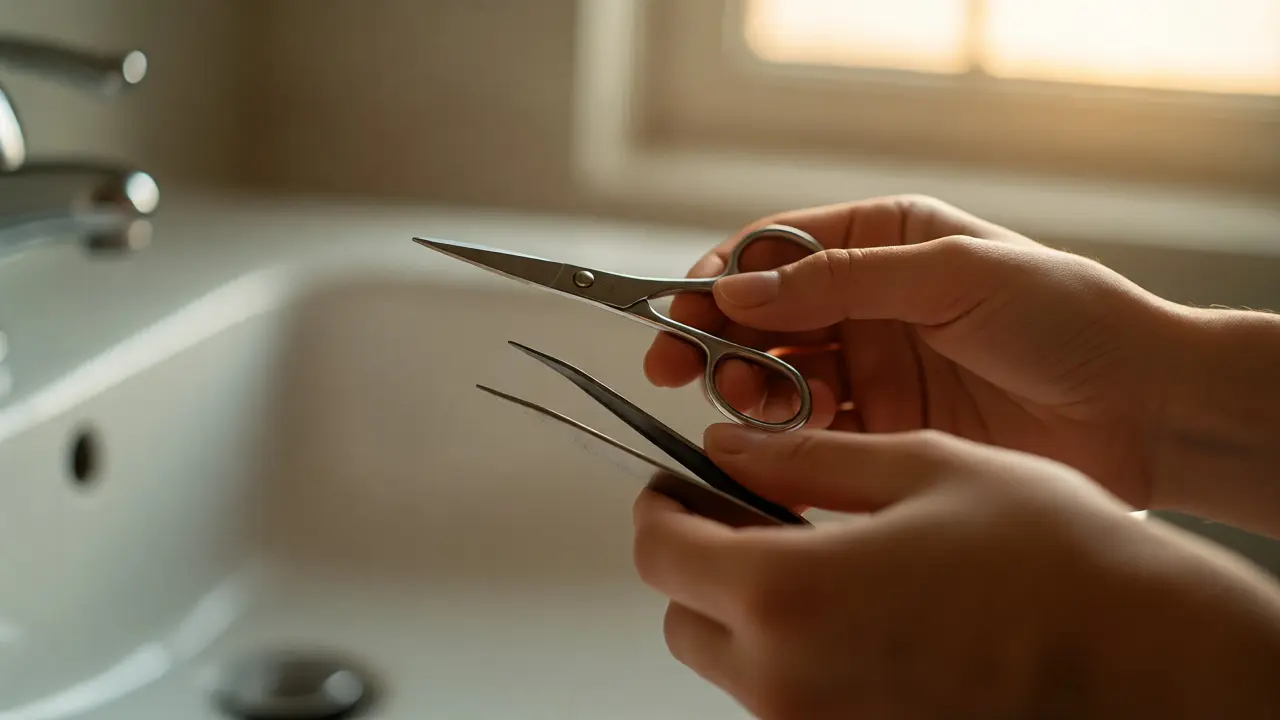
Trimming is generally considered permissible by the majority of schools of thought. Trimming means cutting the long hairs that stick out, making them shorter so they fit within the natural shape of the brow. This does not change the creation of Allah; it simply tidies up an overgrown feature. Think of it like getting a haircut. Nobody argues that cutting split ends changes your fundamental identity.
On the other hand, Plucking (or threading/waxing) involves removing the hair from the root. Some strict interpretations view this as changing Allah's creation, which is discouraged or forbidden unless there is a medical need or extreme excess. However, many modern scholars allow shaping the eyebrows slightly to remove excessive length or stray hairs that make a person look unkempt, provided it doesn't drastically alter the natural face structure.
| Grooming Method | Description | General Scholarly View | Risk Level for Fasting |
|---|---|---|---|
| Trimming (Scissors) | Cutting long hairs short | Permissible (Halal) | None |
| Waxing/Threading | Removing hair from root | Debated; often permitted if modest | Low (if done before dawn) |
| Tinting/Dyeing | Adding color to hair | Generally Permissible (avoid black dye) | Low (ensure no ingestion) |
| Microblading | Semi-permanent tattooing | Often Discouraged/Haram (creates barrier) | N/A (Permanent) |
Timing Matters: Why Do It Before the First Fast?
Even if grooming is technically allowed during the day, doing it prior to the start of Ramadan is the smartest move. Here is why: hygiene and comfort. When you fast, you aren’t eating or drinking, but you are still living life. If you wax your eyebrows in the middle of a hot afternoon while fasting, you might sweat into the open pores. That stings. Worse, if you use a numbing cream or a strong essential oil to soothe the pain, you risk accidentally inhaling fumes or having residue drip near your mouth, which could technically break the fast if swallowed.
By scheduling your appointment or DIY session for the night before or the morning before Fajr (dawn), you eliminate these risks. You can wash your face thoroughly afterward, apply soothing aloe vera or ice packs, and let the skin calm down completely before the fast begins. Plus, waking up on Day 1 of Ramadan feeling polished and confident sets a positive tone for the entire month.

The Practical Guide to Preparing Your Brows
If you’ve decided to go ahead with grooming, here is how to handle it properly. Whether you are using professional services or home kits, preparation is key to avoiding irritation that lasts through the holy month.
- Cleanse Thoroughly: Wash your face with a gentle cleanser to remove makeup and oils. Wax adheres better to clean skin, and clean skin heals faster.
- Exfoliate Gently: The day before, use a mild exfoliant. This prevents ingrown hairs, which are annoying and painful when you’re already tired from late-night prayers.
- Choose the Right Tool: If you are sensitive, skip the hard wax. Opt for sugar paste or threading, which are gentler on the delicate eye area. If using wax strips, ensure they are designed for facial use, not body wax, which is too harsh.
- Avoid Retinoids: Stop using retinol or strong acids around the brow area 3-5 days prior. These thin the skin and make it prone to lifting off during waxing.
After the procedure, resist the urge to touch your brows. Bacteria from your fingers can cause small pimples. Instead, use a cold compress to reduce redness. If you plan to wear makeup during Ramadan (for work or events), wait at least 24 hours after waxing before applying foundation or concealer to the area to let the pores close.
Common Pitfalls to Avoid During Ramadan
Once Ramadan starts, the rules shift slightly-not because grooming becomes haram, but because maintaining hygiene becomes harder. One major mistake people make is ignoring itchiness. As the skin heals post-wax, it can get dry and itchy. Scratching vigorously with unwashed hands can introduce bacteria. Keep a small tube of fragrance-free moisturizer handy. A tiny dab calms the itch without clogging pores.
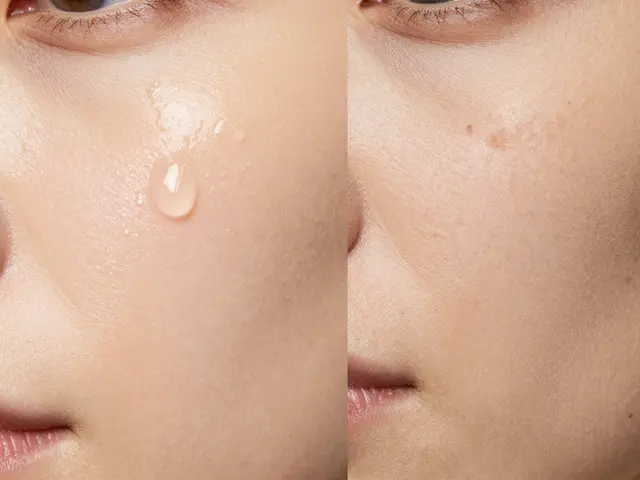
Another issue is sweat. Depending on where you live, Ramadan nights might be warm. Sweat mixed with residual wax or skincare products can lead to folliculitis (inflamed hair follicles). If you notice bumps forming, switch to a lightweight, non-comedogenic gel rather than heavy creams. Also, avoid heavy waterproof mascaras or brow gels if you are praying frequently, as removing them requires rubbing, which irritates freshly treated skin.
What About Men?
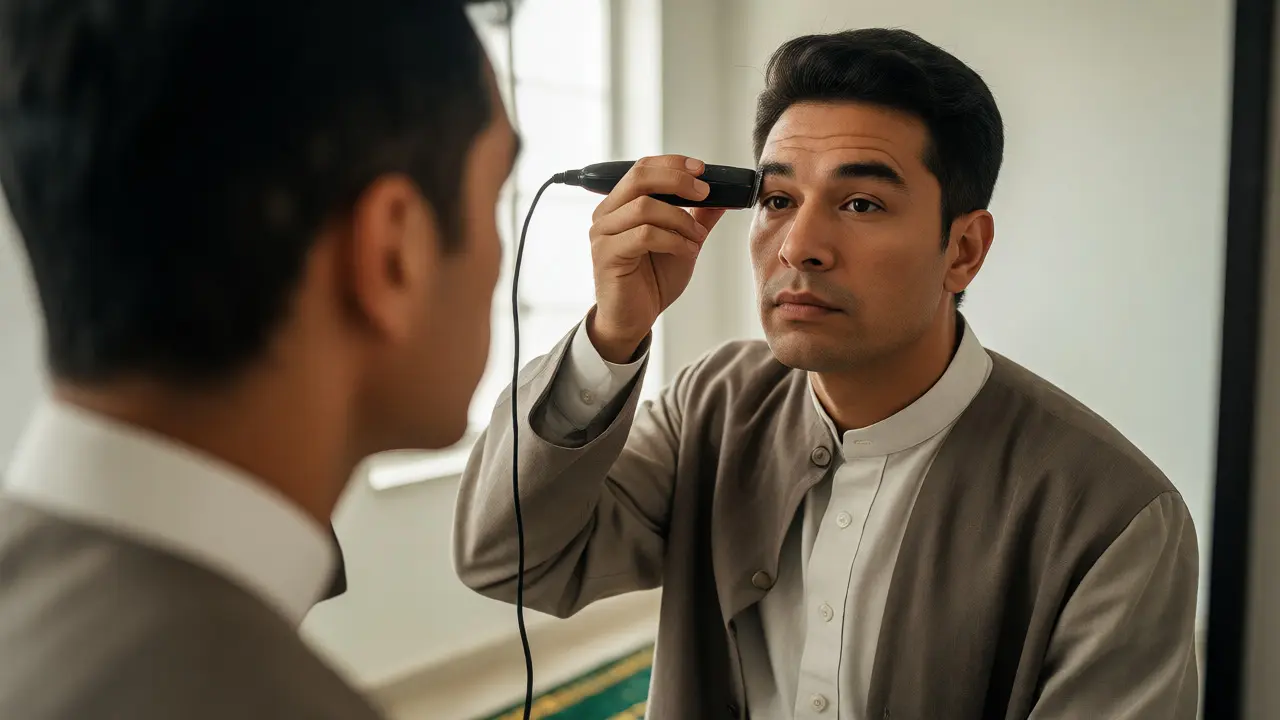
This isn’t just a female concern. Many men also struggle with unibrows or stray hairs between the eyes. For men, the ruling on plucking is similar, but cultural norms differ. Most male Muslims prefer trimming over plucking to maintain a natural masculine appearance. Using small scissors or an electric trimmer is the safest bet. It’s quick, painless, and leaves no redness, meaning you can walk straight into Taraweeh prayers without self-consciousness about swollen skin.
Final Thoughts on Confidence and Faith
Remember, Islam emphasizes cleanliness as half of faith. Looking presentable helps you feel more focused and respectful in community settings. Don’t let anxiety over minor grooming details distract you from the spiritual benefits of the month. If you trim your brows before the first fast, you’re handling a practical hygiene task efficiently. You’re respecting the sanctity of the time by ensuring physical discomfort doesn’t interfere with worship.
So, grab those scissors or wax strips, schedule that appointment, and get it done. Then, step into Ramadan with clear skin, defined brows, and a clear conscience.
Is it haram to wax eyebrows during Ramadan?
Waxing itself is not inherently haram during the day, but it is highly recommended to do it before the fast begins. Doing it during the day increases the risk of sweating into open pores, causing infection or accidental ingestion of soothing products, which could break the fast. Additionally, the pain might distract from prayer focus.
Can I trim my eyebrows if they are very bushy?
Yes, trimming bushy eyebrows is widely accepted. Removing excessive length that obscures vision or looks unkempt falls under general hygiene (fitrah). Scholars generally agree that trimming is distinct from plucking and does not constitute "changing Allah's creation" in the prohibited sense.
Does using eyebrow wax strips break the fast?
No, applying wax to the skin does not break the fast because nothing enters the stomach. However, if you use a strong-smelling oil or cream afterwards and accidentally swallow some, or if you ingest water while washing your face excessively, that could affect the fast. The wax itself is external and safe.
How soon before Ramadan should I wax?
Ideally, 24 to 48 hours before the first fast. This allows any redness, swelling, or sensitivity to subside completely. If you wax the same night, you might wake up with puffy eyes, which can be uncomfortable during early morning prayers.
Are there alternatives to waxing for sensitive skin?
Yes, threading and tweezing are excellent alternatives. They are precise and do not involve chemicals or heat. For those who find even threading painful, simple trimming with small scissors is the most effective low-risk option that maintains a neat appearance without skin trauma.