
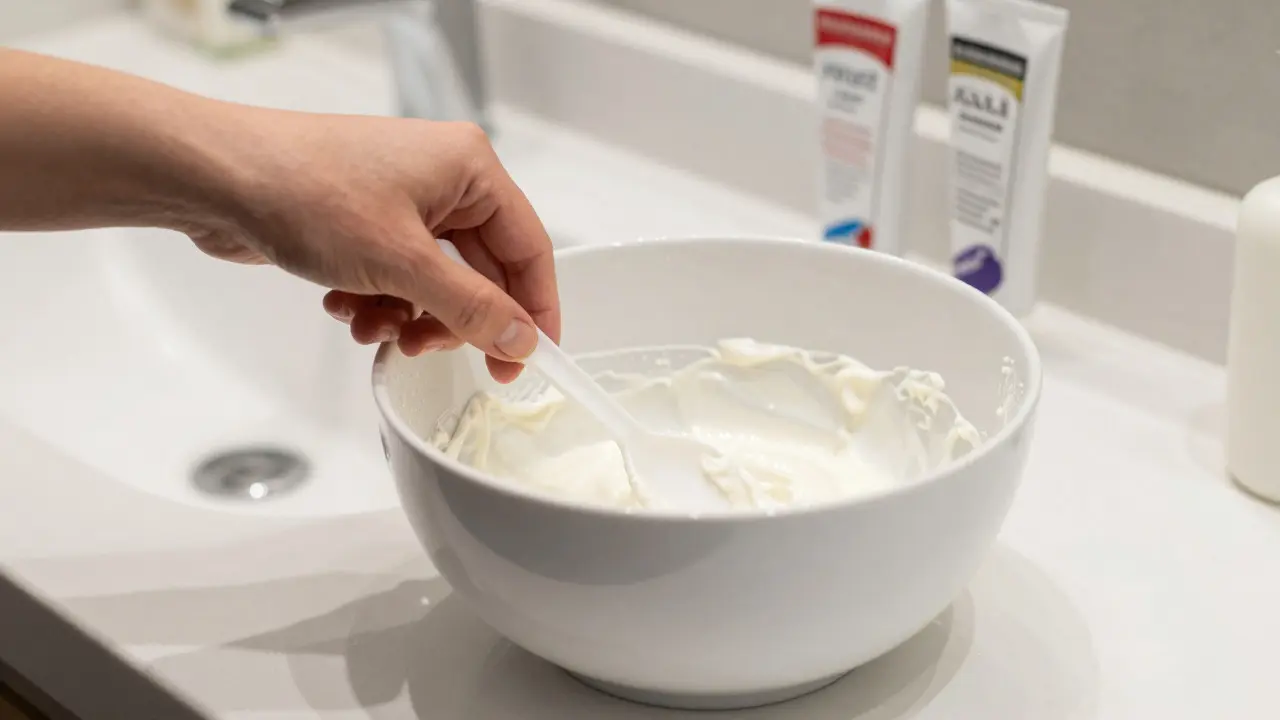
You just finished coloring your roots or touching up a gray streak, and you’re staring at a bowl full of leftover hair dye that is a cosmetic product used to change the color of human hair. It’s still wet, it looks fine, and throwing it away feels like a waste of money. So, can you scoop it into a jar, stick it in the fridge, and use it tomorrow?
The short answer depends entirely on whether you have already mixed the dye with its developer. If you combined the color cream with the peroxide activator, the clock started ticking the moment they touched. That mixture is chemically unstable and will likely fail-or worse, irritate your scalp-if you try to save it. However, if you are dealing with unmixed tubes, bottles of semi-permanent direct dye, or certain plant-based pastes, you might actually be able to keep them for later.
The Chemistry of Why Mixed Dye Goes Bad Fast
To understand why saving mixed dye is usually a bad idea, you need to look at what happens inside that bowl. Most permanent and demi-permanent dyes rely on an oxidative reaction. This means the color precursors in the cream need to react with hydrogen peroxide in the developer that is an oxidizing agent containing hydrogen peroxide used to activate hair color to open the hair cuticle and deposit pigment.
This reaction starts immediately upon mixing. According to technical notes from professional salons like Savvy Hair Studio, this mixture begins to deactivate after about 30 to 60 minutes. As time passes, the peroxide breaks down, losing its potency. The result isn’t just weaker color; the chemical balance shifts. Reddit moderators in hair care communities warn that these ongoing reactions can produce gas. If you seal that mixed dye in a container, pressure builds up, which could cause the container to burst or leak messy, degraded chemicals everywhere.
Even if the bottle doesn’t explode, the color results will be unpredictable. Users who have tried reusing mixed dye from the day before report patchy coverage, off-tone shades, and poor gray coverage. The dye has essentially “used up” its energy during the first application and the subsequent sitting time. Trying to force it onto your hair again is like trying to jump-start a car with a dead battery-it might spark, but it won’t get you where you want to go.
When You Can Save Unmixed Components
If you only needed a small amount of color for a touch-up, you don’t have to throw away the rest of the kit. The key rule here is: do not mix it until you are ready to apply it. You can save the unmixed color cream and the unmixed developer separately.
Most manufacturers, such as WECOLOUR, state that unmixed color cream and activator stored in their original, tightly sealed containers can last for up to 12 months if kept in a cool, dry place away from sunlight. However, once you open the tube or bottle, air exposure introduces oxidation risks. Cosmetic World and other safety guides suggest a more conservative window of about 4 to 6 weeks for opened but unmixed products to ensure optimal performance and safety.
Here is how to do it right:
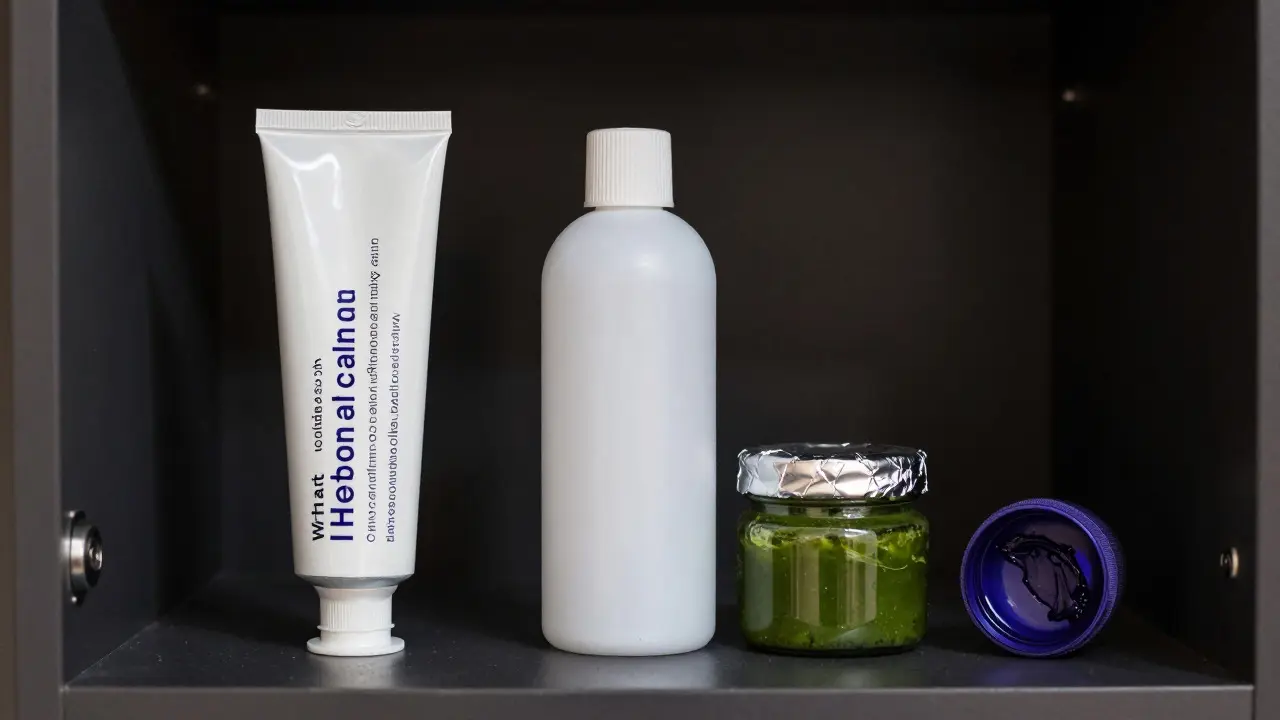
- Seal it tight: Squeeze out any excess air from the color tube before capping it. Some users reinforce the cap with aluminum foil and a rubber band to prevent leaks and air entry.
- Store properly: Keep both the color and developer in a dark, cool cabinet. Bathrooms are often too humid and warm, which can degrade the formula faster.
- Check before use: When you go to reuse the product weeks later, check the smell and texture. If it smells sour, looks separated, or has changed consistency, toss it.
Semi-Permanent Direct Dyes Are Different
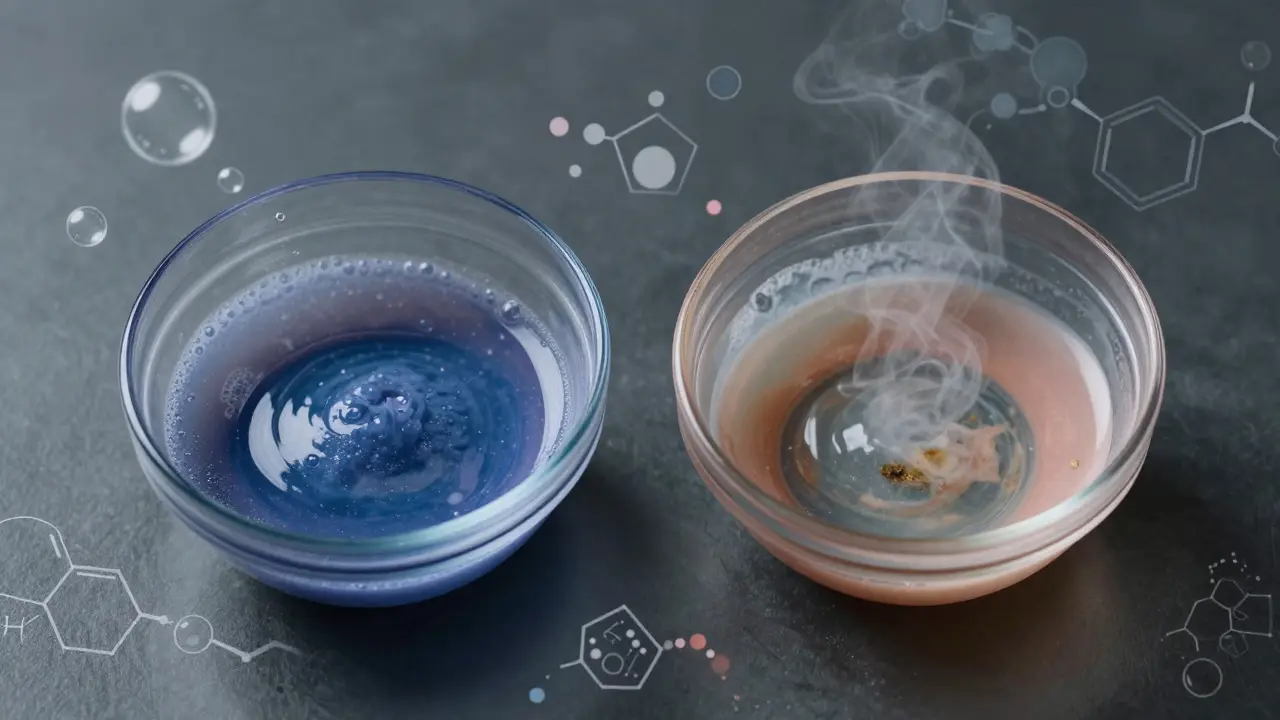
If you are using vibrant fashion colors-like blues, purples, or pinks-you are likely using a semi-permanent direct dye. These products do not require a developer because the dye molecules are large enough to coat the outside of the hair shaft without opening the cuticle deeply. Because there is no oxidative chemical reaction happening, these dyes are much more stable.
You can absolutely save half-used bottles of semi-permanent dye. Brands like Curlcentric note that as long as the bottle is securely closed, you can reuse it for touch-ups over several weeks. Many users report successful reuse within 4 to 6 weeks, though some have gone longer. The main risk here isn’t chemical instability, but rather bacterial contamination if you’ve been dipping brushes in and out of the bottle, or simple drying out if the cap isn’t sealed well. Store these in a cool, dark place, and give the bottle a good shake before your next use to redistribute any pigments that may have settled.
Natural Options: Henna and Indigo
Plant-based colors behave differently depending on the specific ingredient. Pure henna powder mixed with liquid to form a paste can sometimes be saved by freezing it. Companies like Desert Shadow recommend freezing leftover henna paste for up to three months. When you’re ready to use it, let it thaw naturally. The acidic environment of the henna mix helps preserve it during freezing.
However, indigo is trickier. Indigo releases its color quickly once activated with water. Desert Shadow specifies that activated indigo must be used within an hour or two and has a total color life of only 5 to 6 hours. After that, it loses its staining power completely. So, while you might freeze henna, treat activated indigo like mixed oxidative dye: use it now or lose it.
| Dye Type | Status | Can You Save It? | Max Storage Time |
|---|---|---|---|
| Permanent/Demi-Permanent | Mixed with Developer | No | Use within 30-60 mins |
| Permanent/Demi-Permanent | Unmixed (Opened) | Yes | 4-6 weeks (up to 12 months unopened) |
| Semi-Permanent Direct | In Bottle | Yes | 4-6 weeks recommended |
| Henna Paste | Activated/Mixed | Yes (Freeze) | Up to 3 months frozen |
| Indigo Paste | Activated/Mixed | No | Use within 1-2 hours |
Safety First: Signs Your Dye Has Gone Bad
Even if you follow the storage rules perfectly, things can go wrong. Using degraded hair dye isn’t just a cosmetic issue; it’s a health concern. Healthline and other medical sources note that expired or contaminated dye can cause scalp irritation, burning, or allergic reactions. This is especially risky if you have previously sensitized your skin to dye ingredients like PPD (paraphenylenediamine).
Before applying any saved dye, perform a visual and olfactory check. Does the mixture look curdled? Is there a strange, sour, or metallic smell? Has the color separated into layers that don’t mix back together? If you notice any of these signs, discard the product immediately. Additionally, always do a patch test on a small area of skin 24 hours before a full application, especially when using older products. It’s better to waste a dollar on a new box than to deal with a severe allergic reaction.
Best Practices for Minimizing Waste
The best way to avoid the dilemma of leftover dye is to plan your mixing carefully. Instead of dumping the entire tube and bottle into a bowl, estimate how much you need. For root touch-ups, you often need far less than a full kit. Pour half the developer into a separate bowl, then squeeze out an equal amount of color cream. Mix only that portion. Then, reseal the remaining developer and color tube tightly and put them away.
This approach ensures you always have fresh, potent dye for your next session and eliminates the guesswork about whether your leftovers are still safe. Remember, hair dye is a chemical process, not a paint job. Respecting the chemistry keeps your hair looking great and your scalp healthy.
How long does mixed hair dye last in the fridge?
Mixed hair dye should ideally be used within 30 to 60 minutes, even if refrigerated. While cold temperatures slow down the chemical reaction, they do not stop it. After an hour, the developer loses potency, leading to weak or uneven color results. Refrigeration is not a reliable method for saving mixed oxidative dye for another day.
Can I save unused semi-permanent hair dye for months?
Yes, semi-permanent direct dyes are more stable because they do not contain developers. If stored in a cool, dark place with the cap tightly sealed, they can often last for several months. However, for the best vibrancy and to avoid bacterial growth, it is recommended to use them within 4 to 6 weeks of opening.
Is it safe to mix old dye with new dye?
No, it is generally not recommended. Old, partially deactivated dye can interfere with the chemical process of the new dye, leading to unpredictable results. It may also introduce contaminants. Always start with a fresh batch of mixed dye for consistent and safe coloring.
What happens if I use expired hair dye?
Using expired hair dye can result in poor color uptake, uneven tones, and potential scalp irritation. The chemicals break down over time, which can increase the risk of allergic reactions, especially for those sensitive to ingredients like PPD. Always check the expiration date on the box or tube before use.
Can I freeze mixed henna paste?
Yes, pure henna paste can typically be frozen for up to three months. Freezing preserves the dye release properties. However, indigo paste, which is often used with henna for brown or black shades, loses its effectiveness quickly and should not be frozen or saved for more than a few hours after activation.