

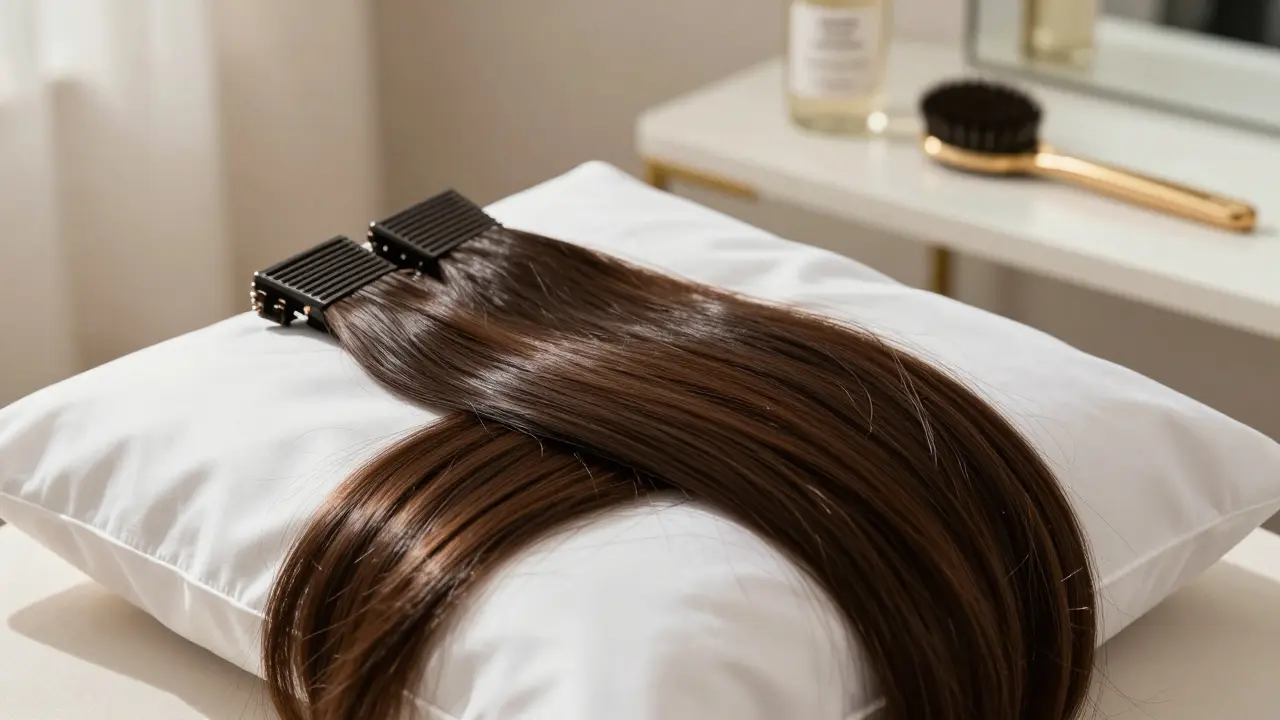
Buying clip-in hair extensions is a balancing act between budget, quality, and convenience. You want volume or length without the commitment of permanent bonds, but you also don't want them to look like plastic wigs or damage your natural hair. The "best" place to buy depends entirely on whether you prioritize price, ethical sourcing, or immediate availability.
In 2026, the market has shifted significantly. Consumers are moving away from cheap, mass-produced synthetic blends toward ethically sourced human hair. This article breaks down exactly where to shop based on your specific needs, helping you avoid common pitfalls like shedding, tangling, and mismatched colors.
Quick Takeaways
- For Premium Quality: Specialized online brands like Raquel Welch or Briogeo offer the best blend of ethics and performance.
- For Budget-Friendly Options: Retailers like Amazon have decent options, but you must read reviews carefully to avoid synthetic scams.
- For Immediate Needs: Local beauty supply stores allow you to feel the texture before buying, which is crucial for matching your hair type.
- Avoid: Generic drugstore brands unless you are looking for temporary, single-use event styling.
Why Source Matters More Than Price
Before deciding where to buy, you need to understand what you are actually purchasing. Not all hair is created equal. The biggest mistake buyers make is assuming that "human hair" means high quality. It doesn't.
Hair extensions come in two main grades: Remy and Non-Remy. Remy hair means the cuticles are intact and aligned in the same direction. This prevents tangling and matting. Non-Remy hair has cuticles stripped or misaligned, leading to friction, knots, and a short lifespan. Most cheap extensions found at discount retailers are Non-Remy or synthetic blends disguised as human hair.
If you plan to wear your clips daily, invest in 100% Remy human hair. If you only need them for occasional events, synthetic fibers might suffice, but they cannot be heat-styled. Knowing this distinction helps you filter out low-quality vendors regardless of where you shop.
Top Online Retailers for Clip-In Extensions
Online shopping offers the widest selection and often the best prices due to lower overhead costs. However, you lose the ability to touch the product. Here are the most reliable online sources categorized by their strengths.
Specialized Direct-to-Consumer Brands
Brands like Briogeo, Olaplex-compatible lines, and Pure Loli dominate the mid-to-high-end market. These companies focus on transparency.
- Briogeo: Known for biotin-infused hair that claims to strengthen natural strands while wearing. Great for those concerned about hair health.
- Pure Loli: Offers extensive color matching tools and lightweight wefts that sit closer to the scalp, making them less detectable.
- Raquel Welch: A legacy brand with a massive range of textures, including curly and coily patterns, which are hard to find elsewhere.
These sites often provide virtual try-on tools or detailed shade charts. They also offer return policies if the color match is off, reducing the risk of online purchases.
Marketplaces: Amazon and Etsy
Amazon is a double-edged sword. You can find great deals from reputable sellers, but you can also encounter counterfeit products. Look for sellers with over 4.5 stars and hundreds of verified purchase reviews. Check recent photos uploaded by customers to see the true texture and shine level.
Etsy is excellent for custom orders. Many small businesses source hair directly from donors in countries like India, Peru, or Vietnam. This allows you to request specific lengths, textures, or even split-dye colors. The downside is longer shipping times and less standardized quality control.

In-Store Shopping: When to Go Local
Sometimes, seeing is believing. If you have a unique hair texture-such as tight curls, fine baby hairs, or highly porous damaged hair-online descriptions may not capture the nuance you need.
Beauty Supply Stores
Stores like Ulta Beauty or local independent beauty supply shops carry brands like Great Lengths (though mostly tape-ins) and various clip-in lines. The advantage here is access to staff who can help you match your color under store lighting. Store lighting is notoriously deceptive; always check the hair in natural daylight outside the store if possible.
Salons
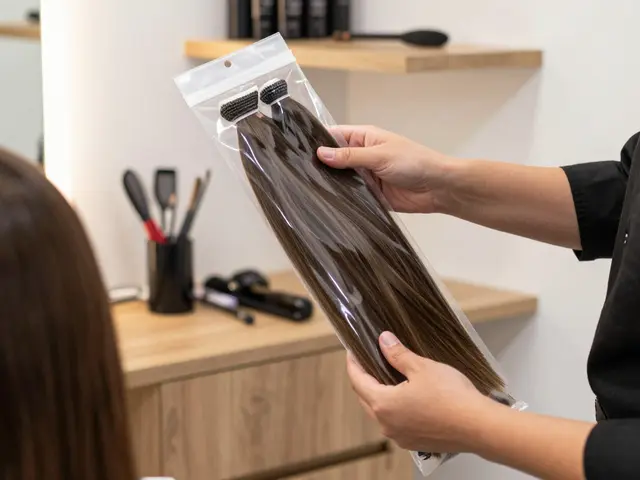
Your stylist is your best resource. Many salons sell clip-ins in-house. While these are often more expensive than retail options, they guarantee a perfect color match because the stylist knows your current dye formula. They can also customize the weft size to fit your head shape, ensuring a secure fit without slipping.
Comparison: Where Should You Buy?
| Channel | Price Range | Quality Consistency | Best For | Risk Level |
|---|---|---|---|---|
| Direct Brand Websites | $$$ - $$$$ | High | Long-term use, ethical sourcing | Low |
| Amazon | $ - $$ | Variable | Budget shoppers, quick delivery | Medium |
| Etsy | $$ - $$$ | Variable | Custom colors, unique textures | Medium |
| Local Salons | $$$$ | Very High | Perfect color match, professional advice | Very Low |
| Drugstores | $ | Low | One-time events, synthetic only | High (for damage) |
Red Flags to Watch Out For
No matter where you buy, certain signs indicate a poor-quality product. Avoid listings that lack the following details:
- Origin of Hair: Reputable sellers disclose where the hair comes from (e.g., Indian, Brazilian, Mongolian). Different origins have different textures.
- Cuticle Status: If it doesn't say "Remy" or "cuticle intact," assume it will tangle.
- Weft Construction: Look for triple-stitched wefts. Double-stitched wefts shed more easily. Cheap extensions use glued wefts that fall apart after a few washes.
- Return Policy: Hair is often considered a final sale item due to hygiene reasons. However, reputable brands offer exchanges for color mismatches within 30 days.
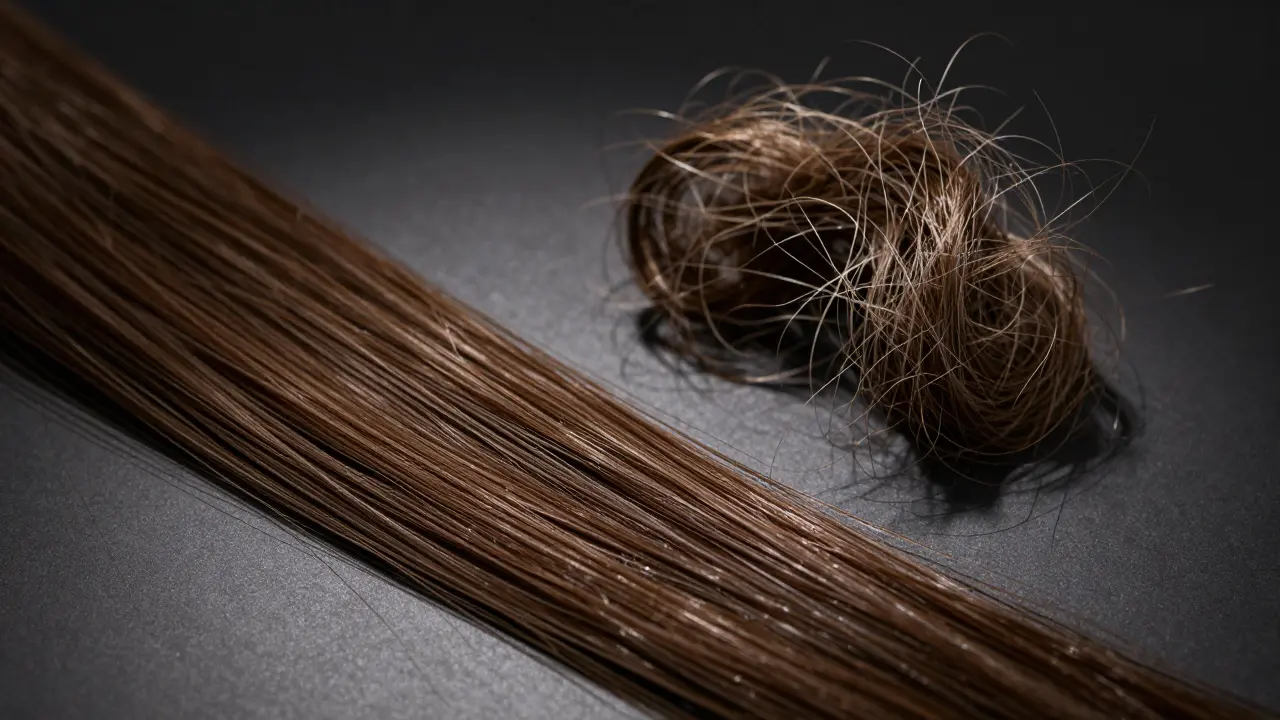
How to Test Quality Before Committing
If you're buying online, consider starting with a smaller set or a sample strand if available. Once received, perform these tests:
- The Tangle Test: Gently brush the dry hair from ends to roots. If it snags immediately, the cuticles are misaligned.
- The Burn Test (if allowed): Pull a few strands from the bottom of the weft and burn them. Human hair smells like burning protein (similar to burnt feathers) and turns to ash. Synthetic hair melts into a plastic ball and smells chemical.
- The Water Test: Wet the hair. Human hair becomes slightly darker and heavier. Synthetic hair often stays the same color or looks shiny and wet in an unnatural way.
Maintaining Your Investment
Where you buy matters less if you don't care for the extensions properly. To make your clips last 6-12 months:
- Wash them only when necessary (every 15-20 wears).
- Use sulfate-free shampoos to prevent stripping natural oils.
- Always detangle before removing them from your head to prevent breakage.
- Store them flat on a mannequin head or in a silk pouch to prevent tangling.
Frequently Asked Questions
Are clip-in extensions safe for my natural hair?
Yes, clip-ins are generally the safest type of extension because they do not involve heat, glue, or chemicals applied to your scalp. However, damage can occur if you leave them in too long (more than 8 hours), sleep in them, or if the clips are too tight and pull on your roots. Always remove them gently and store them properly.
How much should I spend on good clip-in extensions?
For a full set of high-quality Remy human hair extensions, expect to pay between $200 and $500. Sets under $100 are likely synthetic or low-grade human hair that will tangle and shed quickly. Investing more upfront saves money in the long run because the hair lasts longer and looks more natural.
Can I color clip-in hair extensions?
Only if they are 100% virgin human hair. Virgin hair has never been chemically processed, so it accepts dye well. However, many pre-colored extensions have already been treated, which can lead to uneven results or breakage when dyed again. It is safer to buy extensions in a lighter shade than your target color and darken them, rather than trying to lighten pre-darkened hair.
What is the difference between Remy and non-Remy hair?
Remy hair has the cuticles intact and aligned in the same direction, preventing tangling and maintaining a natural shine. Non-Remy hair has cuticles that are either stripped or misaligned, causing friction between strands, which leads to matting, knotting, and a shorter lifespan. Always choose Remy for daily wear.
Do clip-ins work for thin hair?
Yes, but you need to choose the right weft size. Large wefts can slip out of thin hair. Look for brands that offer "mini" or "baby" wefts designed for finer textures. Additionally, applying a texturizing spray to your natural hair before clipping in can provide more grip and prevent slippage.
Is it better to buy online or in-store?
It depends on your priority. Online offers better prices, wider color selections, and convenience. In-store shopping allows you to feel the texture and see the color in person, which reduces the risk of mismatching. If you are unsure of your shade, visit a salon first to get a professional match, then order that specific code online.

Chris Atkins
May 13, 2026 AT 14:56hey guys just wanted to say that buying from local salons is actually the safest bet even if it costs more because you get a perfect match and dont have to worry about returns or shipping delays which saves so much hassle in the long run honestly
Jen Becker
May 14, 2026 AT 08:57this article is total garbage nobody reads these things anymore
Ryan Toporowski
May 14, 2026 AT 20:11hey there! i totally agree with the point about remy hair being worth the investment because it lasts way longer and looks natural unlike those cheap synthetics that look like plastic after a week :)
Samuel Bennett
May 16, 2026 AT 13:30you are all missing the point here the government is tracking your hair purchases through the barcode scanners at amazon and etsy so be careful what you buy because they know exactly what shade of brown you prefer and its part of the new surveillance state agenda
Rob D
May 16, 2026 AT 14:47listen up you sheeple american made extensions are the only ones that matter because we dont want some random foreign hair on our heads when we could support domestic industries but nobody listens to me because everyone is too busy chasing trends instead of patriotism
Franklin Hooper
May 16, 2026 AT 15:24the notion that one can simply 'buy' quality without understanding the intricate weave structure and cuticle alignment is laughable most people here probably think clip ins are magic wands rather than complex textile engineering feats requiring precise maintenance protocols
Jess Ciro
May 16, 2026 AT 23:54i feel like this whole industry is a scam designed to make women feel insecure about their natural hair length and volume because big beauty corporations want us to keep spending money on products we dont need and its really sad how easy we are manipulated
saravana kumar
May 18, 2026 AT 23:18it is quite amusing to see westerners struggling with basic concepts of hair sourcing when indian vendors have been providing premium remy hair for decades without all this fuss about ethical labels which are just marketing gimmicks anyway
Tamil selvan
May 20, 2026 AT 11:03I completely understand the confusion regarding where to purchase high-quality extensions, and I would like to suggest that you consider visiting a specialized salon first; this approach ensures that you receive professional advice tailored specifically to your unique hair texture and color needs, which ultimately leads to a more satisfying experience.
Kate Tran
May 22, 2026 AT 07:03i always check the reviews on etsy before buying anything because sometimes the sellers are small businesses who care about their customers but other times its just dropshippers selling junk so take ur time and look at the photos carefully
amber hopman
May 23, 2026 AT 12:55i was wondering if anyone has tried pure loli recently because i heard they have better color matching tools now but im not sure if its worth the extra cost compared to just going to ulta and letting them help you pick something out
Samar Omar
May 24, 2026 AT 21:40one must truly appreciate the nuanced artistry involved in selecting the perfect extension set, for it is not merely a transaction but a profound statement of personal aesthetic philosophy that reflects one's inner desire for perfection amidst the chaotic mediocrity of modern consumer culture