
Buying a wig or set of extensions feels like walking through a minefield. You see prices ranging from $50 to $5,000, materials labeled vaguely as "100% human hair," and promises of longevity that rarely hold up after two washes. The truth is, the best place to buy hair extensions and wigs isn't just one website; it depends entirely on what you value more: budget, ethical sourcing, or raw luxury.
If you’ve been burned by shedding wefts or tangled synthetic fibers before, you know the pain. In 2026, the market has shifted. Consumers are smarter, demanding transparency about where the hair comes from and how it’s processed. Whether you’re looking for clip-ins for a special event or a full lace unit for daily wear, choosing the right vendor saves you money in the long run. Here is how to navigate the options without wasting your cash.
Understanding Hair Quality Before You Shop
Before picking a store, you need to understand what you’re buying. Not all human hair is created equal. The industry uses specific terms that dictate price and performance. If you ignore these, you’ll end up with product that looks great in photos but falls apart in reality.
The gold standard is Remy hair. This means the cuticles are intact and aligned in the same direction. Why does this matter? Aligned cuticles prevent tangling and matting. Non-Remy hair has stripped cuticles, leading to friction between strands. It might look shiny initially due to heavy silicon coating, but once you wash it, the shine disappears, and the hair knots instantly.
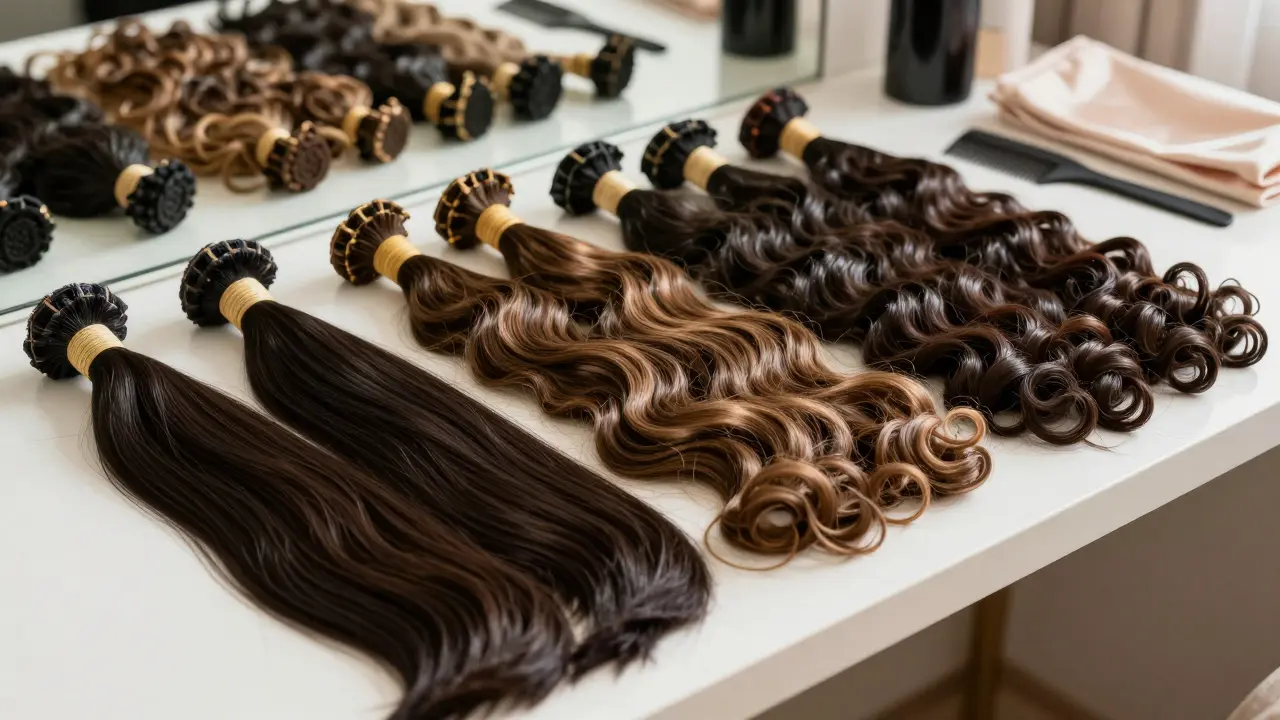
Then there is the origin. Brazilian hair is known for its volume and wave pattern, making it versatile for curly styles. Peruvian hair tends to be straighter and silkier, ideal for sleek looks. Indian hair often has a lighter texture and is popular for blending with finer natural hair. Knowing which texture matches your natural hair reduces the need for excessive heat styling, preserving both your bio hair and the extensions.
- Cuticle Alignment: Always ask if the hair is Remy. If they don’t mention it, assume it’s not.
- Processing Level: Raw or virgin hair requires less maintenance than heavily bleached or dyed stock.
- Density: Measured in grams per weft. Higher density looks fuller but can weigh down fine natural hair.
Top Online Retailers for Budget-Friendly Options
If you’re new to extensions or want to experiment with colors without breaking the bank, online marketplaces are your go-to. However, caution is key. The low prices often reflect lower quality control or mixed batches.
Sites like AliExpress and Temu offer incredibly cheap units. You can find bundles for under $30. But here’s the catch: the length listed is often measured stretched out, so a "24-inch" bundle might only reach your shoulders when relaxed. Also, the hair may be double-drawn (thick at the top, thin at the bottom), meaning you get less usable length than expected.
A better middle ground is specialized online retailers like WigIsle or Unicebeauty. These brands have built reputations over years. They offer mid-range pricing ($100-$300 for a wig) with consistent quality. Their customer service is responsive, and they provide detailed reviews with real photos from buyers. Look for sellers who offer return policies. If a vendor refuses returns, they likely know their product is inconsistent.
| Vendor Type | Price Range | Quality Consistency | Best For |
|---|---|---|---|
| Marketplace (AliExpress) | $20 - $80 | Low | One-time use, cosplay |
| Specialized Online (WigIsle) | $100 - $300 | Medium-High | Regular wear, experimentation |
| Premium Direct (Mane Additions) | $500 - $2,000+ | Very High | Long-term investment, medical hair loss |
High-End Brands for Luxury and Durability
When you move into the premium tier, you’re paying for consistency, ethical sourcing, and superior construction. Brands like Mane Additions, Remy Beautiful Hair, and Ellison Human Hair dominate this space. Their wigs often feature hand-tied knots, custom coloring, and realistic scalp simulations.
Why pay more? A $1,500 wig from a reputable brand can last two to three years with proper care. A $150 wig might last six months. The cost per wear actually drops with higher-quality items. Plus, premium brands use ethically sourced hair. They work directly with donors, ensuring fair compensation. This eliminates the risk of supporting exploitative practices, which is still a hidden issue in some unregulated markets.
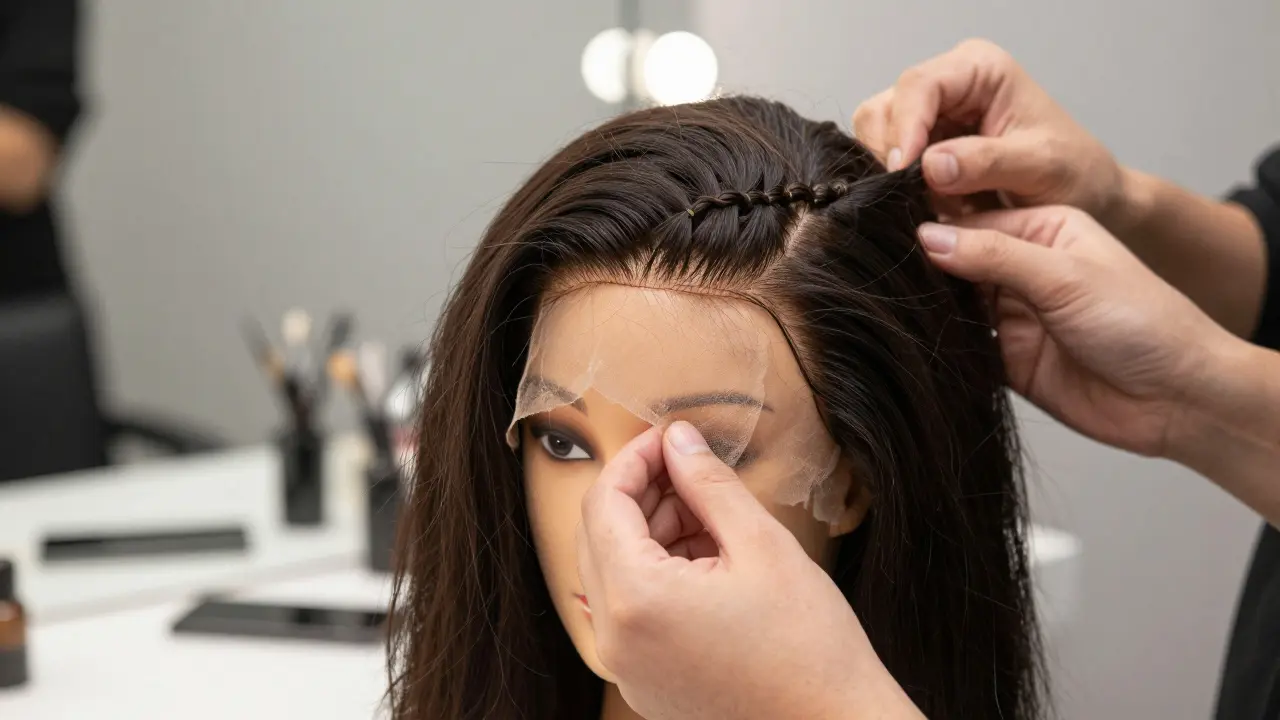
These brands also offer customization. You can choose the part type (middle, side, free part), cap size, and even the color match. For someone dealing with hair loss or alopecia, this level of detail makes a huge difference in confidence and comfort. The lace fronts are thinner and blend seamlessly, avoiding the "wig line" that cheaper units often expose.

The Rise of Ethical Sourcing and Transparency
In 2026, ethics are no longer a niche concern. Many consumers now check where the hair originates. The majority of human hair used globally comes from countries like India, Vietnam, Brazil, and China. While this is normal, the treatment of donors varies wildly.
Reputable vendors disclose their supply chain. For example, some companies partner with temples in India where hair is donated for religious reasons, ensuring no financial exploitation. Others source from salons in Brazil, collecting cut hair during trims. Avoid vendors who cannot answer basic questions about origin. If a site says "100% human hair" but won’t say where it came from, it’s a red flag.
Look for certifications or partnerships with organizations that promote fair trade in the hair industry. While there’s no single global certification yet, brands that publish donor stories or factory visits demonstrate commitment to transparency. This isn’t just moral-it’s practical. Ethically sourced hair is often better cared for, resulting in longer-lasting products.
Local Salons vs. Online Shopping
Don’t overlook local beauty supply stores and salons. Buying in person lets you feel the texture, check the density, and see the color under natural light. Online photos can be deceiving; lighting filters make hair look smoother than it is.
Salons often carry exclusive brands not available online. They also provide installation services, which is crucial for methods like tape-ins or micro-links. Improper installation can damage your natural hair, causing breakage or traction alopecia. A professional stylist ensures the weight distribution is balanced and the bonds are secure.
However, local options are usually more expensive due to overhead costs. If you’re experienced with DIY application, online shopping offers better value. Just ensure you order samples first. Most reputable brands sell small swatches for $5-$10. Test the sample for shedding, tangling, and color accuracy before committing to a full purchase.
Red Flags to Watch Out For
The hair industry is rife with scams. Here are common traps to avoid:
- "Virgin" Hair Claims: True virgin hair is never chemically treated. Many vendors label bleached hair as virgin. Ask for proof of processing history.
- Too-Good-To-Be-True Prices: High-quality human hair costs money to collect, process, and ship. If a 24-inch bundle is $40, it’s likely synthetic or mixed with animal hair.
- No Return Policy: Reputable businesses allow returns for quality issues. If they refuse, walk away.
- Vague Reviews: Check third-party review sites like Trustpilot or Reddit. Fake reviews often sound generic and overly positive.
Maintenance Tips to Extend Lifespan
Where you buy matters, but how you care for the hair determines its lifespan. Even the most expensive wig will fail if mishandled. Use sulfate-free shampoos designed for extensions. Avoid brushing wet hair; always detangle gently with a wide-tooth comb starting from the ends.
Store wigs on stands to maintain shape. Keep them away from direct sunlight and heat sources. Limit heat styling to below 350°F. With proper care, high-quality human hair can last over a year, making the initial investment worthwhile.
What is the best website to buy human hair wigs?
For budget-friendly options, WigIsle and Unicebeauty are reliable. For luxury and durability, Mane Additions and Ellison Human Hair are top choices. Always check recent reviews and return policies before purchasing.
How do I know if hair extensions are 100% human hair?
Perform a burn test on a few strands. Human hair burns slowly, smells like burnt feathers, and turns to ash. Synthetic hair melts quickly, smells like plastic, and forms hard beads. Also, check for cuticle alignment; human hair has visible cuticles under magnification.
Are Brazilian or Peruvian hair extensions better?
It depends on your desired style. Brazilian hair is thicker and holds curls well, ideal for voluminous looks. Peruvian hair is softer and straighter, perfect for sleek styles. Both are high-quality if sourced as Remy hair.
Is it safe to buy hair extensions from AliExpress?
You can, but proceed with caution. Quality varies greatly between sellers. Read verified buyer reviews with photos. Expect shorter lengths and potential shedding. It’s best for occasional use rather than long-term investment.
Why are some hair wigs so expensive?
High prices reflect ethical sourcing, manual labor (hand-tied knots), and superior materials. Premium brands invest in quality control and durability. A $1,500 wig lasts years, while a $150 wig may need replacing every few months.