

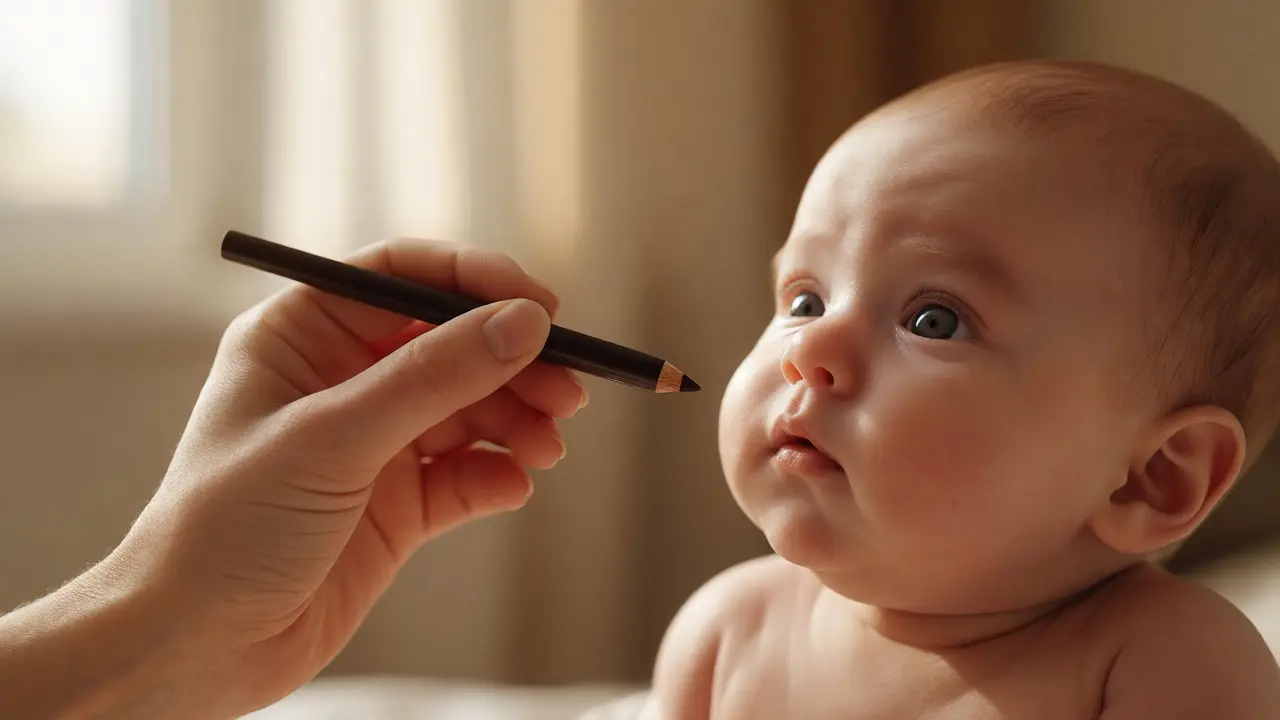
You’re holding a tiny, squirming bundle of joy, and you just want to snap the perfect photo. Maybe you’re tempted to use that eyebrow pencil in your bag to define their features or fix a stray hair for the camera. But then doubt creeps in. Is it safe? Will it irritate their delicate skin? If you’ve ever wondered about using adult cosmetics on babies, you’re not alone. The short answer is: proceed with extreme caution, because standard eyebrow pencils are generally not formulated for infant skin.
Infant skin is fundamentally different from adult skin. It’s thinner, more permeable, and has a less developed barrier function. This means chemicals that sit harmlessly on your forehead can penetrate deeply into a baby’s skin, potentially causing irritation or allergic reactions. While an occasional smudge might not cause disaster, making it a habit requires understanding what’s actually in those tubes and how their bodies react.
The Science Behind Infant Skin Sensitivity
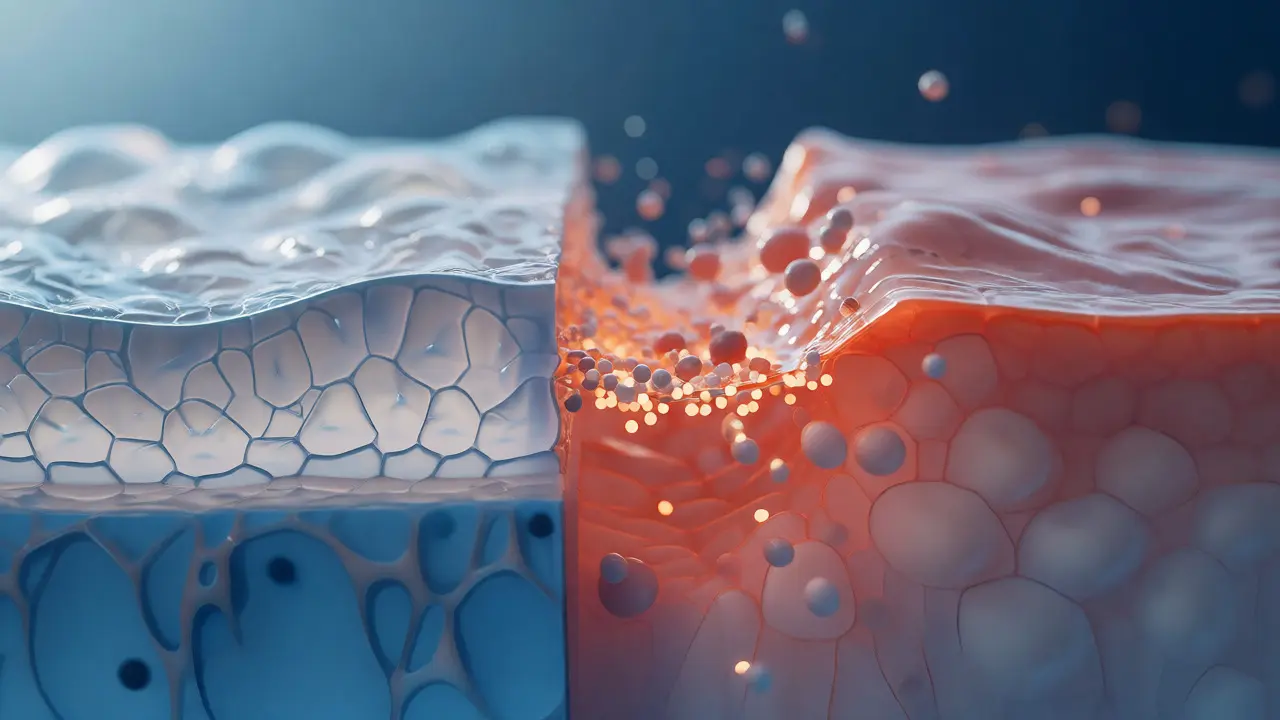
To understand why we hesitate before applying makeup to babies, we need to look at biology. An infant’s stratum corneum-the outermost layer of the skin-is significantly thinner than an adult’s. In adults, this layer acts like a brick wall, keeping moisture in and toxins out. In newborns, especially premature ones, this wall is still under construction.
Because of this increased permeability, substances applied topically absorb more readily. This phenomenon is known as the "surface area-to-body weight ratio." Babies have a much higher surface area relative to their weight compared to adults. So, if you apply a product containing preservatives or pigments, the concentration per pound of body weight is effectively higher than it would be on you. This doesn’t mean every touch is toxic, but it does mean there is zero margin for error when choosing products.
Anatomy of an Eyebrow Pencil
What exactly is inside that little stick? Most commercial eyebrow pencils are made of a core of waxes (like beeswax or carnauba), oils (such as mineral oil or castor oil), and pigments (iron oxides or carbon black). To keep them solid and smooth, manufacturers add binders and preservatives.
The real concern isn’t usually the wax itself, which is often inert. It’s the additives. Parabens, phthalates, and synthetic fragrances are common culprits. These are endocrine disruptors-chemicals that can interfere with hormone systems. For an adult, the exposure is minimal. For an infant whose hormonal system is rapidly developing, even low-level exposure is worth scrutinizing. Furthermore, many pencils contain lead traces naturally found in mineral pigments. While regulations limit heavy metals, "lead-free" claims can be misleading if the source material wasn't purified rigorously.
| Ingredient Type | Function | Safety Risk for Infants |
|---|---|---|
| Beeswax | Binding agent | Low risk; generally natural and soothing |
| Parabens | Preservative | Moderate; potential endocrine disruption |
| Synthetic Fragrance | Scent | High; common allergen and irritant |
| Iron Oxides | Pigment | Low if pharmaceutical grade; check for lead purity |
When Might You Use It?
Let’s be honest: most parents aren’t doing full brows on their six-month-olds daily. Usually, it’s for a specific occasion-a holiday card, a baptism, or a viral social media post. In these one-off scenarios, the risk of acute toxicity is negligible. However, chronic use or application on broken skin changes the equation.
If your baby has eczema or cradle cap, avoid applying any cosmetic near affected areas. The skin barrier is already compromised, meaning absorption rates skyrocket. Also, consider the age. Newborns (0-3 months) have the most fragile skin. By toddlerhood (12+ months), the skin barrier matures significantly, making occasional cosmetic use safer, provided the product is high-quality.
How to Choose a Baby-Safe Product
If you decide to go ahead, don’t grab the first drugstore brand you see. Look for specific labels. "Hypoallergenic" is a marketing term, not a regulated one, so dig deeper. You want products labeled "dermatologist-tested," "fragrance-free," and "non-comedogenic." Better yet, look for brands that specialize in organic or clean beauty, where ingredient lists are shorter and transparent.
Here is a quick checklist for shopping:
- Avoid Fragrance: Synthetic scents are the #1 cause of contact dermatitis in children.
- Check for Lead: Ensure pigments are certified free of heavy metals.
- Simple Ingredients: Fewer ingredients mean fewer variables to react with.
- Water-Based Formulas: These are easier to remove than waxy sticks, reducing scrubbing time.
The Removal Process Matters More Than Application
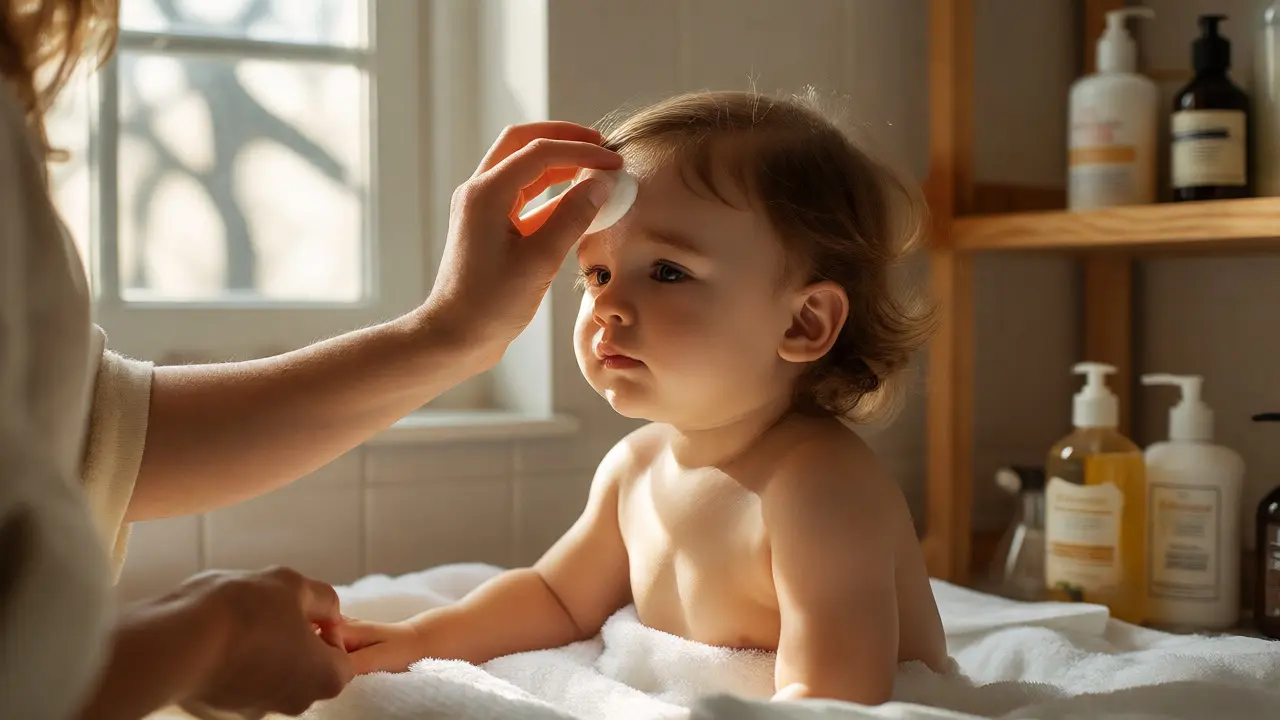
Getting the pencil off is often harder than putting it on. Rubbing a baby’s face with a harsh wipe can cause micro-abrasions. Instead, use a soft cotton ball soaked in warm water or a gentle, oil-based cleanser designed for infants. Coconut oil works surprisingly well here-it dissolves the wax without stripping the skin’s natural oils. Pat dry gently; never rub.
If you notice redness immediately after removal, wash the area again with plain water and apply a thick layer of petroleum jelly or zinc oxide cream to soothe the skin. If the redness persists beyond an hour, rinse thoroughly and monitor for swelling or hives.
Alternatives to Traditional Pencils
If you’re worried about the chemical load, consider alternatives. Natural brow gels made from plant extracts are less likely to migrate into the eyes. Some parents use a tiny amount of cocoa powder mixed with coconut oil as a temporary tint. It’s messy, but it’s edible-grade safe if they suck on their fingers afterward.
Also, consider the eyebrow wax pen. While primarily for shaping, some pens come with built-in conditioners. However, hot wax tools are generally too risky for infants due to temperature sensitivity. Stick to cool, solid formats for babies.
Expert Opinions and Guidelines
Dermatologists generally advise against routine cosmetic use in infants under two years old. The American Academy of Pediatrics suggests limiting exposure to unnecessary chemicals during critical development windows. There is no medical benefit to defining an infant’s eyebrows. Therefore, the risk-benefit analysis tilts toward caution unless the aesthetic desire outweighs the slight probability of irritation.
In my experience working with parents in New York, I’ve seen cases where a single use of a heavily fragranced pencil caused a rash that lasted three days. Was it worth the Instagram likes? Probably not. But with a fragrance-free, mineral-based pencil, the reaction was nonexistent. Context is everything.
Can I use regular adult eyebrow pencil on my baby?
It is possible but not recommended. Adult pencils often contain parabens, fragrances, and heavy metal traces that can irritate thin infant skin. If you must use one, choose a hypoallergenic, fragrance-free formula and perform a patch test first.
What are the signs of an allergic reaction in infants?
Look for redness, swelling, itching, or small bumps around the application site. If the baby becomes unusually fussy or tries to scratch the area repeatedly, remove the product immediately and consult a pediatrician if symptoms persist.
Is it safe if my baby licks the eyebrow pencil?
Most modern cosmetic pencils are non-toxic if ingested in small amounts. However, they are not food-grade. If your baby licks a significant amount, rinse their mouth with water and watch for stomach upset. Always supervise infants after application.
How do I remove eyebrow pencil from baby skin?
Use a soft cloth dampened with warm water or a gentle infant oil (like coconut or jojoba). Gently pat and wipe away the pigment. Avoid harsh scrubbing or alcohol-based wipes, which can dry out and irritate sensitive skin.
Are organic eyebrow pencils safer for infants?
Generally, yes. Organic pencils tend to use plant-based waxes and minerals instead of synthetic chemicals. However, "organic" does not guarantee allergy-free. Natural ingredients like beeswax or essential oils can still cause reactions in sensitive individuals.

Hemali Jaiswal
September 27, 2026 AT 12:19Oh, the sheer vulnerability of that tiny skin! It is a delicate canvas, truly. While the urge to capture perfection is understandable, we must remember that our little ones are not dolls for our aesthetic whims. The permeability mentioned here is crucial; their bodies absorb what we merely wear. Let us protect their natural beauty with gentle care rather than chemical intervention.
Sean Eagen
September 28, 2026 AT 11:43Dont put makeup on babies. Its stupid. They cant consent. Just take the pic without it.
Kieran Mitchell
September 29, 2026 AT 06:13Listen up!! This isn't just about safety, it's about PARENTING standards!! If you can't handle a baby looking like a normal human being, maybe you shouldn't be posting them online?? The industry pushes these products on us, and we fall for it every single time. It’s ridiculous how much money people waste on 'baby-safe' cosmetics when water and love are enough!!!
Darlene Hopkins
September 30, 2026 AT 14:25I understand the desire for those perfect holiday cards. In some cultures, marking the child with specific colors or oils is traditional. We should respect the intent while prioritizing health. A simple smudge of natural oil might satisfy both traditions and safety.
Sherri Jones
October 1, 2026 AT 04:17Great breakdown! 🌟 As a derm nurse, I always tell parents: if it smells like a perfume factory, keep it away from your infant's face. 👃🚫 Stick to mineral-based, fragrance-free options only. And please, patch test first! ❤️🩹 You don't want a rash ruining the photo op anyway. 😅
Prayagraj Medicose
October 1, 2026 AT 17:14You think this is random? Nah. Big Pharma wants you scared so you buy their 'special' baby lines which are just repackaged adult junk with a higher price tag. Watch the ingredients list closely. They hide the bad stuff under generic terms like 'fragrance'. It’s all a scheme to drain wallets and poison kids slowly. Wake up!
Brad Walker
October 3, 2026 AT 01:04We live in an age where appearance outweighs essence. To paint a child is to project one's own insecurities onto a blank slate. Is it vanity or is it connection? Perhaps both. But in the end, the pencil fades, but the memory remains. Or does it?
Howard Hurd
October 3, 2026 AT 11:52Hey, I know a guy who works in supply chain. Most of these 'organic' pencils are sourced from the same factories as the cheap drugstore ones. Don't get fooled by the label. Also, why are you even doing this? Who cares about eyebrows at 6 months? Nobody. :P
Manoj Kumar
October 4, 2026 AT 22:36The statistical probability of adverse reaction increases exponentially with frequency of use. One must consider the cumulative load of xenobiotics entering the bloodstream through transdermal absorption. It is not merely an irritation issue; it is a systemic toxicity concern that is often underestimated by laypersons.
Jacob Baby Official
October 5, 2026 AT 20:06This whole article is missing the point entirely. Why define eyebrows? Maybe the baby likes them fluffy! You're imposing adult beauty standards on a creature that doesn't even know what Instagram is. It's actually kind of insulting to the baby's autonomy. Fight me.
Sean Eagen
October 6, 2026 AT 07:36Exactly. Stop overcomplicating it. Just dont do it.
Kieran Mitchell
October 7, 2026 AT 05:05And yet, look at the sales figures!! People are buying these things by the millions because they are desperate for validation from strangers on the internet!!! It’s pathetic and sad!!
Sherri Jones
October 8, 2026 AT 02:56@Kieran Mitchell While I agree about the marketing hype, dismissing parents' desires isn't helpful. Many parents aren't seeking validation, just trying to follow cultural norms or family traditions. Empathy goes a long way! 💕
Hemali Jaiswal
October 8, 2026 AT 06:35Indeed, empathy is the cornerstone of community. We must guide, not judge. Each family navigates these choices with the best intentions they possess. Let us offer support rather than scorn.
Prayagraj Medicose
October 9, 2026 AT 18:04Support? They need facts. The facts are hidden. The companies know exactly what they are doing. It’s calculated risk management on their part, not ours.