

You are standing in your bathroom, staring at a patch of unwanted leg or arm hair. You remember hearing somewhere that Elmer's Glue is a non-toxic PVA adhesive often cited as a DIY hair removal hack. It seems convenient, cheap, and already sitting in your craft drawer. But does it actually work? The short answer is yes, but with major caveats that might leave you regretting the experiment if you aren't prepared.
This isn't about replacing professional services entirely. It is about understanding what happens when you mix school supplies with skincare. If you have ever tried pulling off dried paint from your skin, you know the sensation. Now imagine doing that over a larger surface area while hoping your pores don't get clogged. Let's break down exactly how this works, why people do it, and whether you should reach for that white bottle instead of a proper eyebrow wax kit.
The Science Behind Glue Waxing
Polyvinyl acetate (PVA) is the main ingredient in standard white school glue. It dries clear and forms a flexible film. When applied to hair, the glue bonds to the shafts. As it dries, it shrinks slightly and tightens around the hair follicles. When you peel it off, the mechanical force pulls the hair out by the root.
However, human skin is not paper. Skin has oils, sweat, and elasticity. PVA glue is designed to bond to porous surfaces like wood or paper, not living tissue. This mismatch creates two problems: adhesion failure and skin trauma. If the glue doesn't grip the hair tightly enough, it snaps the hair instead of pulling it out. If it grips too hard, it rips the top layer of your epidermis.
| Feature | Elmer's Glue (DIY) | Traditional Wax |
|---|---|---|
| Cost | $1 - $3 per bottle | $10 - $30 per kit |
| Pain Level | Moderate to High (unpredictable) | Moderate (consistent) |
| Hair Length Needed | Minimum 1/4 inch | Minimum 1/4 inch |
| Skin Safety | Risk of irritation/dryness | Formulated for skin contact |
| Removal Method | Peel dry film | Cloth strips or hard shell |
Step-by-Step: How to Try It Safely
If you are determined to try this, do not slather it on your entire leg immediately. Treat it like a science experiment. Start small. Here is the safest way to execute the Elmer's glue waxing method.
- Prep the Area: Cleanse the skin thoroughly to remove oils. Dry it completely. Moisture prevents the glue from adhering properly to the hair.
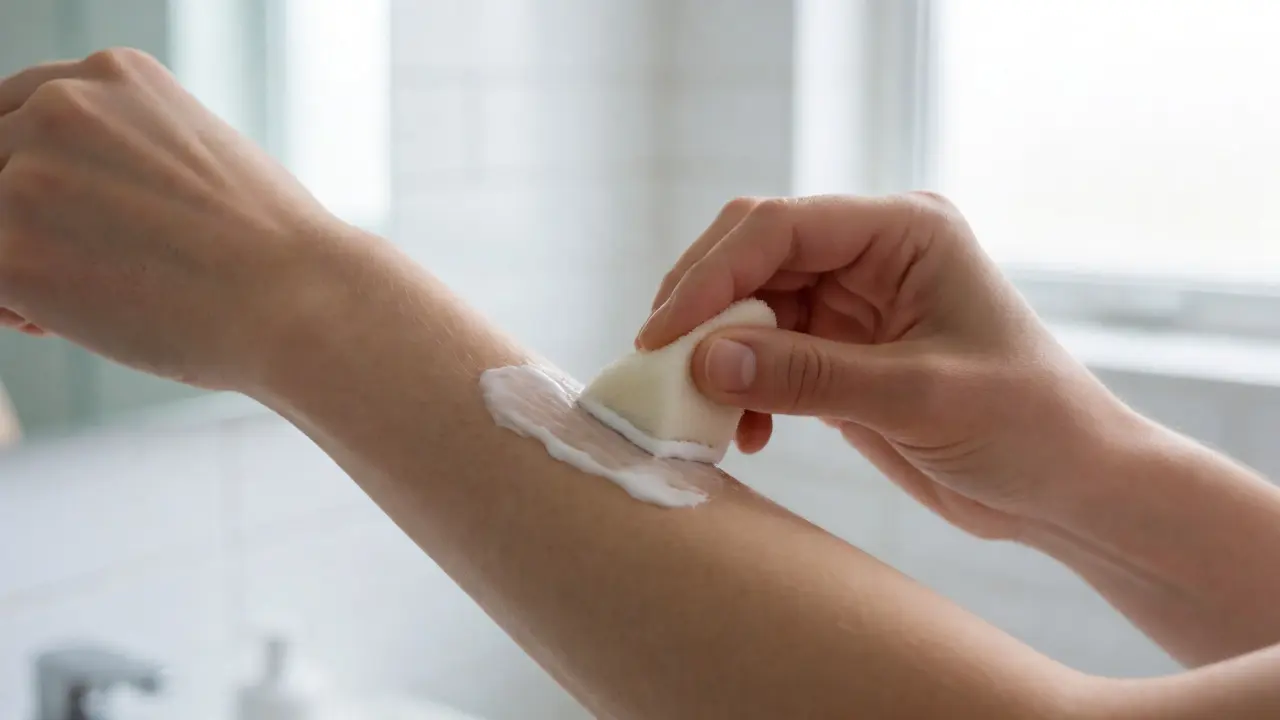
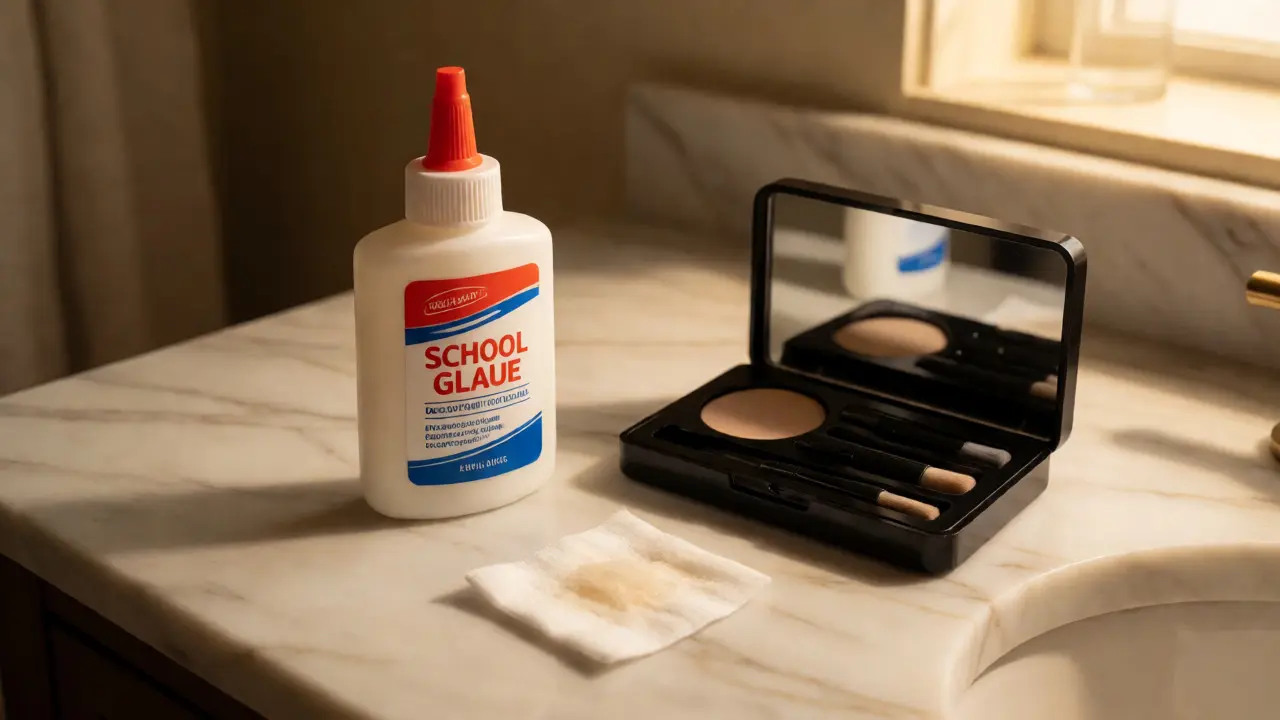
- Apply Thinly: Use an old brush or sponge to apply a thin, even layer of glue. Thick layers take forever to dry and crack unevenly. Ensure the hair is fully coated.
- Wait for Drying: This is the hardest part. Wait until the glue turns transparent. This usually takes 15 to 30 minutes depending on humidity. Do not rush this step; wet glue will just smear.
- Peel Against Growth: Grab the edge of the dried film. Pull quickly and firmly in the opposite direction of hair growth. Parallel to the skin, not up into the air.
- Soothe Immediately: Apply aloe vera gel or a fragrance-free moisturizer right after peeling to calm redness.
Why It Hurts More Than You Expect
People underestimate the pain factor. Professional waxes contain resins specifically engineered to grab hair without grabbing skin. School glue grabs everything. Because it lacks the specific tackiness of cosmetic wax, it often requires more force to remove, which translates to more pain. Furthermore, because the bond is inconsistent, you might end up breaking hairs halfway up the shaft. Broken hairs are prone to ingrown issues later on.
I tried this on my forearm once during a rainy Houston afternoon. The humidity meant the glue never fully hardened, leading to a sticky mess that required soap and water to clean up, negating the "no cleanup" benefit many claim. In low-humidity environments, it works better, but the risk of skin tearing remains high.
When to Stick with a Real Eyebrow Wax Kit
For sensitive areas like eyebrows, upper lip, or bikini line, skip the glue. These zones have thinner skin and higher nerve density. A dedicated eyebrow wax kit offers temperature control and formulated ingredients that reduce inflammation. Using glue on your face can lead to broken capillaries or severe irritation that lasts days.
Use glue only for less sensitive areas like arms or legs where the skin is thicker and the stakes are lower. Even then, consider it a temporary fix rather than a long-term solution. It is messy, time-consuming, and rarely provides the smooth finish of a professional product.
Troubleshooting Common Issues
If you decide to proceed, here is how to handle the inevitable hiccups.
- It won't come off: If the glue feels rubbery and stretches, it is not dry. Wait longer. If it is dry but stuck, use warm soapy water to loosen the edges before pulling.
- Red bumps appear: This indicates histamine reaction or minor abrasion. Apply cold compresses and avoid tight clothing on the area for 24 hours.
- Hairs broke off: Your application was likely too thick or the hair was too short. Next time, apply thinner and ensure hair is at least 6mm long.
Is Elmer's glue safe for all skin types?
While labeled non-toxic, it is not hypoallergenic. People with eczema, psoriasis, or sensitive skin may experience significant irritation or allergic reactions due to preservatives and drying agents in the formula. Always patch test on a small area of inner wrist first.
How long does the result last compared to real wax?
Results typically last 2 to 4 weeks, similar to traditional waxing, provided the hair is pulled from the root. However, because glue often breaks hair rather than removing it cleanly, regrowth may appear sooner and feel stubblier.
Can I use colored Elmer's glue?
Yes, but white glue is preferred because it dries clear, allowing you to see exactly when it is ready to peel. Colored glues obscure the drying process and may contain additional pigments that could irritate open pores post-waxing.
Does it cause ingrown hairs?
Yes, potentially more than professional waxing. Since the bond is imperfect, hairs often snap below the skin surface. Exfoliating gently 48 hours after treatment helps prevent trapped hairs from becoming ingrown.
What is the best alternative if glue fails?
If you want a DIY option closer to professional results, look for sugar paste recipes using lemon juice, sugar, and water. Sugar wax adheres to hair rather than skin, reducing pain and irritation compared to glue or resin-based waxes.

Art HND
September 6, 2026 AT 22:47Don't do it. Just don't.
You are putting industrial adhesive on your skin and expecting professional results. It's stupid.
Tamara Miller
September 7, 2026 AT 07:58Oh, please... just because it's "cheap" doesn't mean you should ruin your pores!!
I cannot believe people actually try this. It is so lazy to not buy a $10 kit when your skin is at stake. Honestly, the audacity to use school supplies for skincare is mind-boggling. You're going to end up with ingrown hairs that look like little red dots of shame. Why do we keep normalizing these DIY disasters?? It’s fine if you want to look like a science experiment gone wrong, but spare me the details. I’m judging you, silently but firmly.
Sabrina Newland
September 9, 2026 AT 04:23wait but what if the glue has different pH levels than our skin barrier??? 🤔
i feel like we always assume non-toxic means safe for contact dermatitis prone folks but maybe the preservatives in elmers are actually worse for long term exposure? i wonder if there’s a study on pva film occlusion effects on follicular health. it’s such an interesting ethical dilemma too, right? like, are we prioritizing convenience over biological compatibility? 🧪✨
Amara Akbar
September 9, 2026 AT 05:45It is entirely possible to manage this risk if one proceeds with caution. However, I would strongly advise against using it on facial areas due to the thinness of the dermis there. Please ensure you perform a patch test first. It is a viable temporary solution for legs or arms if budget is a strict constraint, but consistency is key.
Anthony Miller
September 9, 2026 AT 06:23Listen here you absolute peasants
You think you know pain because you watched a youtube video about sugar waxing? No. You have no idea. I tried this in '98 and my leg looked like a crime scene for three days. The humidity in this country is destroying your attempts before you even start. You need to understand that PVA is not designed for living tissue. Stop listening to influencers who have never felt true suffering. Your skin is crying out for respect and you are giving it Elmer's. Pathetic.
Jacob Baby Official
September 10, 2026 AT 17:28Actually, if you analyze the tensile strength of dried PVA versus the shear force required to remove hair from a follicle, the math doesn't add up for consistent removal.
Most people fail because they apply it too thick. It creates a shell that traps heat and sweat underneath, leading to bacterial growth rather than clean extraction. It's not a hack; it's a chemical mismatch. If you want a real alternative, mix cornstarch and honey. That's actual science. Glue is just sticky sadness waiting to happen.
tiffany King
September 12, 2026 AT 09:14Hey everyone! Just wanted to say that if you're nervous about trying new things, remember that every expert was once a beginner! 🌟 Even if the glue method isn't perfect, it's great that we're exploring options together. Stay positive!
Mark Harvey
September 12, 2026 AT 13:54good point tiffany. honestly though some of us just need quick fixes. if it works for you go for it. no judgment here. just make sure to moisturize after. simple as that.
Brandon Olvera
September 14, 2026 AT 07:47American manufacturing quality is declining. We used to make adhesives that held bridges together. Now we use them on our legs because we can't afford proper care. Sad state of affairs.
michelle veluz
September 15, 2026 AT 00:08THEY DON'T WANT YOU TO KNOW THIS!!!
Elmer's is owned by a conglomerate that lobbies against natural ingredient labeling laws!! When you put that glue on your skin, you are absorbing micro-plastics directly into your bloodstream!! It's not just about pain, it's about control!! They want us dependent on expensive salon chains while feeding us synthetic polymers!! Wake up!! Check the ingredients list again!! Is it really just PVA?? Or is it hidden chemicals?? I bet it's a conspiracy to sell more band-aids later!! 😱🇺🇸💸
Savara Gunn
September 16, 2026 AT 22:21If you decide to give it a shot, take it slow. Start with a small patch on your arm. See how your skin reacts before doing anything bigger. It’s okay if it doesn’t work out perfectly. You’re learning what works for your body, and that’s valuable. Be kind to yourself during the process.
Brenna Gonedrman
September 17, 2026 AT 06:18NO WAY.
I tried this ONCE. ONE TIME. And my arm looked like it had been attacked by a angry cat. The pain was REAL. Like, tears streaming down my face real. Do NOT do it on sensitive spots. My leg still hurts thinking about it. It sticks to everything. EVERYTHING. You will pull off dead skin too. It is not gentle. It is brutal. Save your money for real wax. Seriously. Don't be brave. Be smart.
Susan Cole
September 18, 2026 AT 16:24I appreciate the detailed breakdown. For those of us who prefer minimal intervention, perhaps sticking to trimming or electric shavers is a safer boundary to maintain with our skin. It avoids the trauma altogether.