

Dealing with thick, wavy hair can feel like a full-time job. One day it looks like a bouncy halo; the next, it’s a frizzy cloud that refuses to behave. The secret isn’t fighting your texture-it’s choosing a cut that works with it. If you have dense strands with natural wave patterns, the right haircut can transform your routine from stressful to effortless.
The goal is simple: remove bulk without losing volume, enhance the wave pattern, and keep styling time to a minimum. This guide breaks down the best cuts for thick, wavy hair, explains why they work, and gives you practical tips on how to ask your stylist for exactly what you need.
Why Thick, Wavy Hair Needs Specific Cuts
Thick hair means you have more strands per square inch than average. Wavy hair adds another layer of complexity because each strand has an S-shaped curve that creates natural lift and body. When these two traits combine, you get incredible volume-but also potential heaviness and frizz.
A bad cut weighs your hair down, making waves look triangular or boxy. It can also cause “poof” at the sides while leaving the top flat. The right cut removes internal weight so the hair falls naturally, allowing the waves to spring up rather than drag down. Think of it as sculpting rather than just trimming.
Your hair type likely falls into Type 2A (loose waves) to Type 3B (tight curls). Understanding where you sit on this spectrum helps determine how much length and layering you can handle. Finer waves often need shorter layers to create movement, while tighter coils may require longer lengths to maintain moisture balance.
Top Haircuts for Thick, Wavy Hair
| Haircut Style | Best For | Maintenance Level | Key Benefit |
|---|---|---|---|
| Long Layers | All wave types | Low | Removes bulk, keeps length |
| Shag Cut | Type 2B-3A | Medium | Texture and piece-y ends |
| Blunt Bob | Type 2A-2B | High | Sleek, polished look |
| Pixie Cut | Type 2A-3A | Medium | Maximum volume control |
| Lob (Long Bob) | All wave types | Low | Versatile, easy styling |
Long Layers
If you love keeping your hair long but hate the weight, long layers are your best friend. This cut involves removing interior bulk by cutting sections of hair at different lengths, usually starting around the chin or collarbone. The result? Lighter hair that moves freely and enhances your natural wave pattern.
Ask your stylist for “soft layers” rather than “choppy” ones. Soft layers blend seamlessly, avoiding harsh lines that can make thick hair look uneven. This style works especially well if you wear your hair down most days. It reduces drying time significantly since there’s less mass for the blow dryer to penetrate.
The Shag Cut
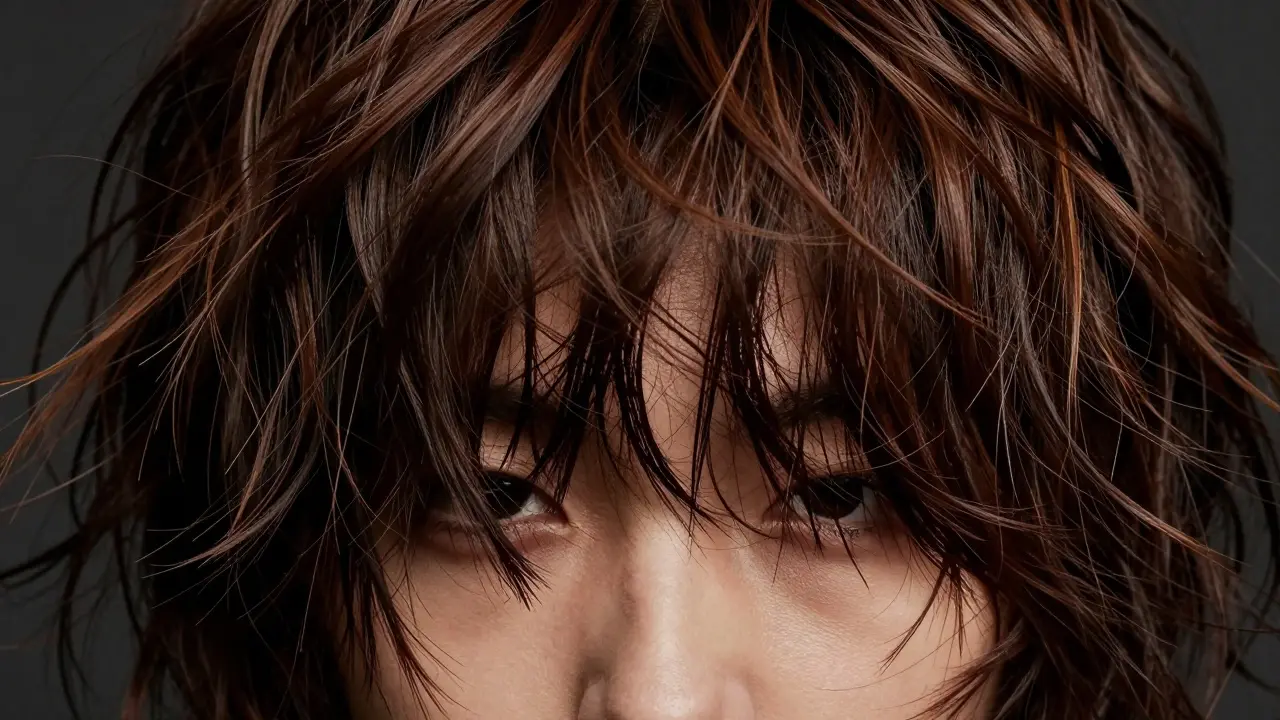
The shag is back-and it’s perfect for thick, wavy hair. Originating in the ’70s, this cut features heavy fringe, disconnected layers, and textured ends. It’s designed to create chaos in a controlled way, which sounds counterintuitive but actually tames wild waves by giving them structure.
The key to a successful shag is the fringe. A curtain bang or wispy fringe draws attention upward and balances out the volume at the crown. Because the shag relies on texture, it requires minimal heat styling. Just apply a sea salt spray or mousse to damp hair, scrunch, and let it air dry. You’ll get instant grit and separation.
The Blunt Bob
A blunt bob might seem risky for wavy hair, but when done correctly, it’s incredibly chic. The straight-across cutline creates a solid base that anchors your waves, preventing them from looking scattered. This cut works best if your waves are loose (Type 2A-2B) and you’re willing to use a flat iron occasionally for a sleek finish.
To avoid the “triangle effect,” ask for slight texturizing at the ends. This softens the line and allows your natural wave to peek through without compromising the shape. A chin-length bob is ideal for framing the face and highlighting cheekbones. Keep in mind that this cut grows out quickly, so expect trims every 6-8 weeks.
The Pixie Cut
Ready to go short? A pixie cut can be liberating for thick, wavy hair. By removing almost all length, you eliminate the weight that pulls waves down. What remains is a cloud of volume that’s easy to manage with just a dab of pomade or wax.
Choose a pixie with longer top layers to encourage wave formation. Shorter sides reduce bulk, while the longer crown adds height. This cut requires regular trims-every 4-6 weeks-to maintain its shape. But the payoff is huge: no brushing battles, no tangled knots, and zero heat damage from daily styling.
The Lob (Long Bob)
The lob is the ultimate compromise between length and manageability. Sitting just above the shoulders, it’s long enough to tie back but short enough to avoid the “awkward phase” of growing out a bob. For thick, wavy hair, the lob provides a clean canvas for styling.
Add subtle layers to the lob to prevent it from looking too heavy. These layers should start below the chin to maintain the bob’s silhouette while adding movement. The lob is versatile-you can wear it straight, wavy, or even braided. It’s also forgiving if you forget to trim it for a month or two.
How to Ask Your Stylist for the Right Cut
Communication is key. Bring photos of cuts you like, but also describe what you want in terms of texture and movement. Here’s what to say:
- “I want to remove bulk but keep my length.” This signals that you’re not looking for a drastic change, just relief from heaviness.
- “Please use point-cutting or slide-cutting techniques.” These methods soften edges and prevent blunt lines that can make thick hair look blocky.
- “Can we add texture to the ends?” Texturizing shears or razor cuts help blend layers and reduce poof.
- “I want my waves to enhance my face shape.” Mention if you want more volume at the crown or softer sides.
Avoid saying “just trim the split ends.” With thick, wavy hair, a simple trim won’t address underlying structural issues. Be specific about your goals: less volume, more definition, easier styling.
Styling Tips for Thick, Wavy Hair
Even the best haircut needs proper care. Here’s how to keep your thick, wavy hair looking its best:
- Use a sulfate-free shampoo. Sulfates strip natural oils, leading to dryness and frizz. Look for cleansers labeled “hydrating” or “moisturizing.”
- Condition generously. Apply conditioner from mid-length to ends. Leave it on for 3-5 minutes before rinsing. Deep condition once a week.
- Detangle with a wide-tooth comb. Never brush dry wavy hair-it causes breakage and frizz. Detangle only when wet and saturated with conditioner.
- Apply products to damp hair. Use a leave-in conditioner, curl cream, or mousse to define waves and reduce frizz. Scrunch gently to encourage clumping.
- Air dry or diffuse. If using a blow dryer, attach a diffuser and use low heat. Hover the diffuser under your hair rather than pressing it against your scalp to preserve wave pattern.
- Sleep on a silk pillowcase. Cotton absorbs moisture and creates friction, leading to tangles and frizz. Silk or satin reduces both.
Avoid over-washing. Thick hair doesn’t need daily cleansing. Washing 2-3 times a week maintains natural oil balance and keeps waves defined.

Common Mistakes to Avoid
Many people make costly errors when cutting or styling thick, wavy hair. Steer clear of these pitfalls:
- Cutting too short too fast. Drastic changes can lead to regret. Gradually shorten your hair to see how your waves respond.
- Ignoring your face shape. A cut that flatters one person may not suit you. Oval faces can pull off most styles, while round faces benefit from longer layers that elongate the neck.
- Using heavy products. Thick hair can handle some weight, but too much product leads to greasiness and limp waves. Start with small amounts and build up.
- Skipping regular trims. Split ends travel up the shaft, causing breakage and uneven texture. Trim every 8-12 weeks to maintain health.
- Heat styling daily. Excessive heat damages cuticles, leading to frizz and loss of elasticity. Embrace air-drying whenever possible.
Frequently Asked Questions
What is the best haircut for very thick, wavy hair?
Long layers are generally the best choice for very thick, wavy hair. They remove internal bulk while preserving length, allowing waves to bounce naturally without weighing down the head.
Can I get a bob if I have thick, wavy hair?
Yes, a blunt bob works well for thick, wavy hair if you’re okay with occasional heat styling. Add subtle texturizing to the ends to soften the line and prevent a triangular shape.
How often should I trim thick, wavy hair?
Trim every 8-12 weeks to prevent split ends and maintain shape. More frequent trims (every 6 weeks) are needed for short cuts like pixies or bobs.
Do layers make thick hair look thinner?
Layers remove bulk, which can make hair appear lighter and more manageable. However, they don’t necessarily reduce thickness-they redistribute it for better movement and flow.
What products are best for thick, wavy hair?
Look for sulfate-free shampoos, hydrating conditioners, leave-in moisturizers, and lightweight curl creams. Avoid heavy oils or butters that weigh down waves.
Is the shag cut good for thick, wavy hair?
Absolutely. The shag cut is designed for texture and works beautifully with thick, wavy hair. Its layered structure enhances natural wave patterns while reducing bulk.
Can I grow out a short cut if I have thick, wavy hair?
Yes, but expect an awkward phase where waves may look uneven. Use clips or headbands to manage growth, and consider gradual layering to ease the transition.
Should I use heat tools on thick, wavy hair?
Minimize heat usage. Air-dry or diffuse whenever possible. If you must use heat, always apply a heat protectant and use the lowest effective temperature.