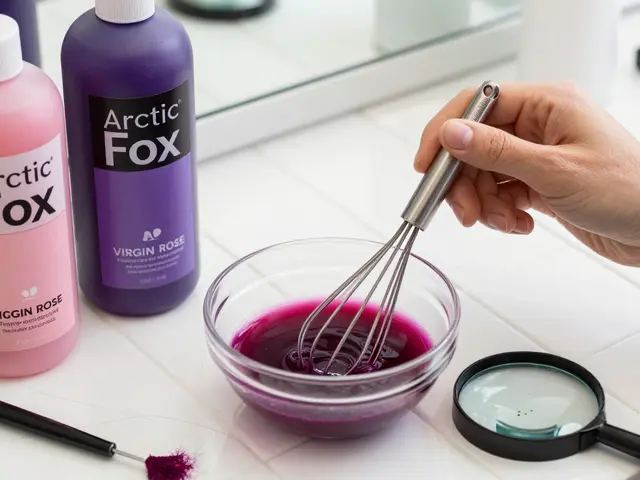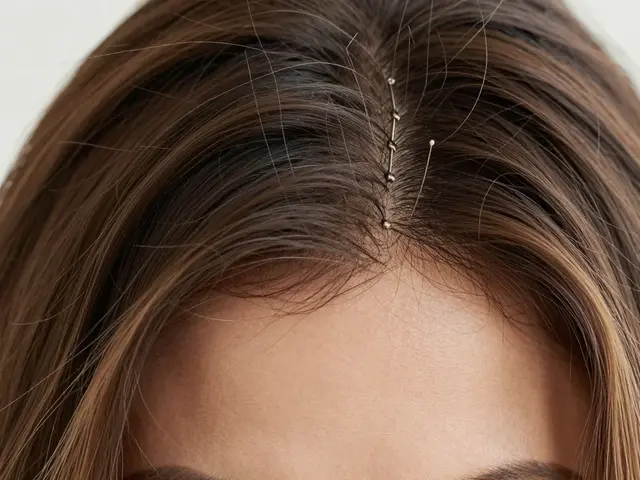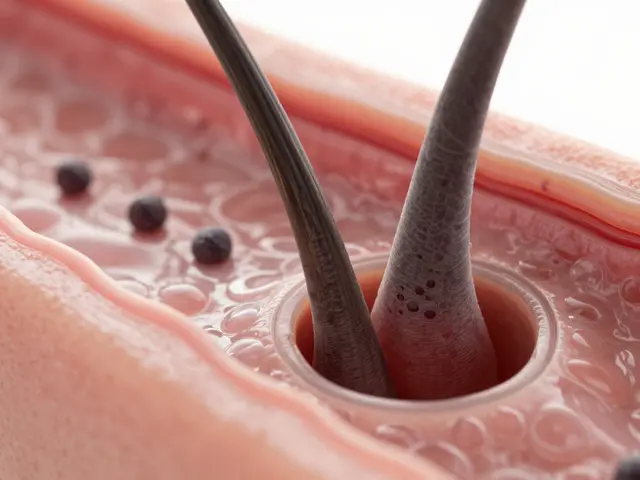


You just stepped back from the mirror and realized your new hair color is a total disaster. Maybe it's too dark, too brassy, or just not the shade you imagined. Your first instinct is to grab another box of dye and fix it immediately. But before you do, you need to know the truth: dyeing your hair again after just 24 hours is a recipe for a chemical nightmare. While it's tempting to rush the fix, your hair's structure simply cannot handle two consecutive chemical assaults without a break.
Quick Summary: The Golden Rules of Re-Dyeing
- The Short Answer: No, do not dye your hair again after one day.
- Standard Wait Time: Most experts recommend waiting at least 15 days (2 weeks).
- The Danger: Overprocessing can lead to severe breakage, texture changes, or hair "melting" in your hands.
- The Exception: Toning bleached hair can usually happen after 2-3 days.
- Safe Alternative: Use clarifying shampoos to lift dark color instead of more chemicals.
Why Dyeing Your Hair Again So Soon is Dangerous
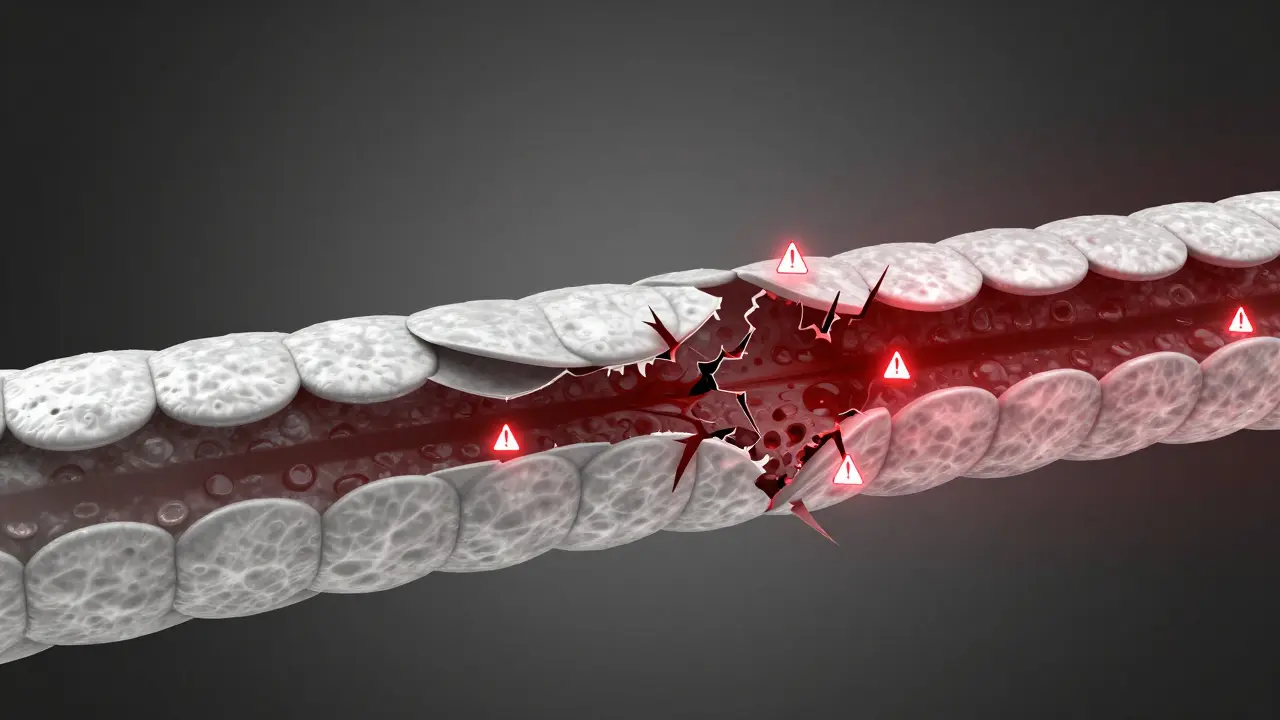
To understand why you can't just "double up" on dye, you have to understand what happens during the process. When you use Permanent Hair Dye is a chemical treatment that opens the hair cuticle to deposit color deep into the cortex, you are essentially forcing the hair shaft open. This process disrupts the protein bonds that keep your hair strong.
If you apply another round of chemicals only 24 hours later, you're attacking a cuticle that is already stressed and vulnerable. This leads to overprocessing. When hair is overprocessed, the structural integrity fails. You might notice your hair feels "mushy" when wet or starts snapping off in chunks. In extreme cases, the hair can actually disintegrate, meaning it breaks off at the root or mid-shaft simply by running your fingers through it.
How Long Should You Actually Wait?
The waiting period isn't a one-size-fits-all rule; it depends entirely on the type of product you used and the level of chemical aggression involved. Different dyes interact with your hair's biology in different ways.
| Dye Type | Min. Wait Time | Damage Level | Primary Action |
|---|---|---|---|
| Permanent Dye | 2 Weeks | Medium to High | Alters natural pigment |
| Hair Bleach | 2-4 Weeks | High | Strips all pigment |
| Demi-Permanent | 2 Weeks | Low | Coats the cuticle |
| Semi-Permanent | 1 Week | Very Low | Sits on the surface |
| Color-Depositing Conditioner | 0 Days | None | Temporary tint |
If you've used Hair Bleach is a powerful alkaline agent that removes melanin from the hair shaft, you need to be even more cautious. Bleach is significantly more damaging than standard dye. While some stylists might feel comfortable adding color a few days later if the hair feels strong, the safest bet for bleached hair is to wait at least 4 weeks before repeating the process on the same areas.
The Toning Exception: When You Can Move Faster
There is one scenario where you don't have to wait two full weeks: toning. If you've bleached your hair and it has turned a bright yellow or orange (a common occurrence known as "raw" blonde), you can use a Toner is a low-volume developer and pigment used to neutralize unwanted warm tones after 2 to 3 days.
Why is this allowed? Because toner is far less aggressive than permanent dye or bleach. It doesn't rip open the cuticle to the same extent. However, this is strictly for neutralizing colors, not for a complete color change. If you want to go from a bleached blonde to a deep brunette, you should still stick to the two-week recovery window.
What to Do If You Hate Your Color Right Now
If you're staring at a color you hate and can't wait 14 days, don't reach for more dye. There are gentler ways to shift the tone without risking total hair loss.
If the color is too dark: Try using a clarifying shampoo. Most "color-safe" shampoos are designed to keep the dye locked in. By using a non-color-safe clarifying shampoo, you can gently strip away some of the excess pigment, often lifting the color by a shade or two without damaging the hair shaft.
If the color is too light or faded: Consider a color-depositing conditioner. These are essentially conditioners with a bit of dye mixed in. Since they don't use peroxide or ammonia, they cause zero damage and can be used immediately to add depth or richness back into your hair.
If you need a permanent change but hair is damaged: Look into Henna is a plant-based dye derived from the lawsonia inermis plant that coats the hair. While not for everyone, certain henna blends are gentler than synthetic dyes and can provide a way to darken hair that is too fragile for another round of chemicals.

Preparing Your Hair for the Next Round
When your waiting period is finally up, don't just jump back into the dye. Your hair needs to be in peak condition to survive a second process. Think of it like training for a marathon; you can't just start running if your muscles are still sore from the last race.
During your two-week break, follow these steps to rebuild your hair's strength:
- Avoid Heat Styling: Put away the flat iron and curling wand. High heat further weakens the protein bonds that the dye has already compromised.
- Deep Conditioning: Use a heavy-duty hair mask or a deep conditioner once or twice a week. Look for ingredients like keratin or argan oil to help seal the cuticle.
- Restore the Cuticle: The goal is to get your hair cuticle back to its naturally flat and closed position. This protects the inner core of the hair.
- Perform a Strand Test: Before doing your whole head, dye a small, hidden section of hair. If that piece breaks or feels gummy, you aren't ready to dye the rest.
Will my hair actually fall out if I dye it again after one day?
It may not fall out from the root, but it can experience severe "chemical breakage." This is when the hair shaft becomes so weak that it snaps off in pieces. For some, this results in the hair essentially disintegrating in their hands during washing or brushing.
Can I use a semi-permanent dye if I just used a permanent one?
Semi-permanent dyes are much gentler because they don't use a developer to open the cuticle. While still not recommended immediately after a permanent process, the risk is significantly lower. However, the best practice is still to wait at least one week to let the hair stabilize.
Why do stylists recommend 2 weeks specifically?
Two weeks allows the hair's pH levels to balance and gives the cuticle time to close and settle. It also gives you time to use conditioning treatments to replace the moisture and proteins lost during the first chemical process.
Does the brand of dye matter when re-dyeing?
Yes. Mixing different brands or chemical formulas can sometimes cause unpredictable reactions, especially if one dye is ammonia-based and the other is not. Sticking to the same brand for corrections often leads to more predictable results.
How can I tell if my hair is too damaged to be dyed?
Check for "elasticity." Gently stretch a single strand of wet hair. If it stretches and bounces back, it's relatively healthy. If it stretches and stays stretched, or if it snaps immediately without any give, your hair is too damaged for more chemical processing.
Next Steps for Different Hair Scenarios
Depending on where you are in your hair journey, your next move will differ:
- The "Oops" Home Dyer: If you just dyed your hair at home and hate it, stop. Use a clarifying shampoo for 3-4 washes and then book a consultation with a professional. They can often fix a color without destroying your hair.
- The Bleach-and-Tone User: If you've just bleached, wait 48-72 hours, then use a purple or blue toner to fix brassiness. After that, wait a full two weeks before attempting any permanent color change.
- The Regular Colorist: If you're doing root touch-ups, aim for a 4 to 6-week window. This prevents the "overlap" problem where the ends of your hair become overprocessed because the dye is applied to them every single time.