
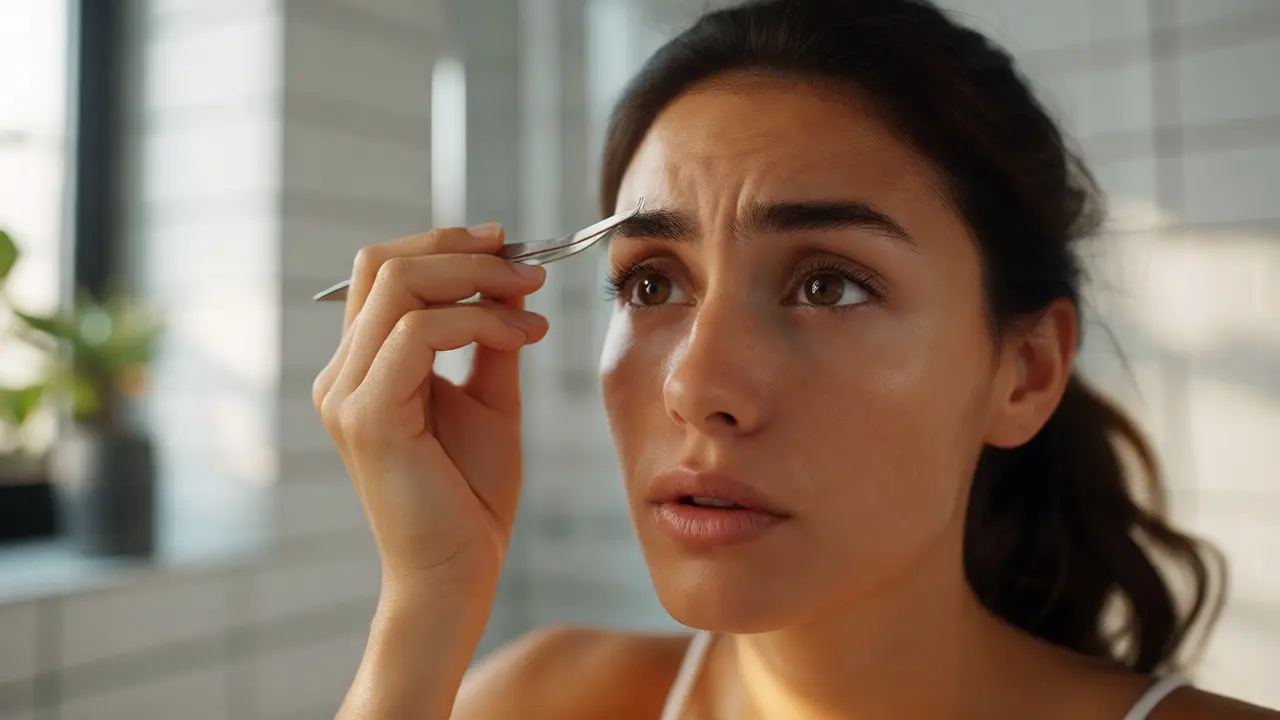
You’re staring at your reflection, tweezer in hand, wondering why you just pulled out a hair that wasn’t even there. We’ve all been there. Tweezing is slow, painful, and honestly, it doesn’t give you that crisp, clean line you see on Instagram. That’s where eyebrow wax kits come in. They promise salon-quality brows from your bathroom sink, but walking down the beauty aisle (or scrolling Amazon) can feel like trying to solve a puzzle with missing pieces. Hard wax? Soft wax? Strips? Cold wax? It’s overwhelming.
Here’s the truth: there is no single "best" product for everyone. The right choice depends entirely on your pain tolerance, hair type, and how much mess you’re willing to clean up. But don’t worry-I’ve tested enough sticky disasters to know what actually works. Let’s break down exactly what you need to look for so you stop wasting money on products that leave your skin red and irritated.
The Big Debate: Hard Wax vs. Soft Wax
This is the first fork in the road, and getting it wrong is the number one reason people hate at-home waxing. Most beginners grab whatever looks easiest, which is usually soft wax strips. But for eyebrows? That’s often a mistake.
Hard wax is designed to shrink-wrap around the hair, not the skin. You apply it thick, let it cool until it’s pliable but not sticky, and pull it off without needing a cloth strip. Because it only grips the hair, it’s significantly less painful and causes far less irritation on sensitive facial skin. It’s also reusable in small amounts if you miss a spot, though hygiene requires care.
Soft wax, on the other hand, adheres to both hair and skin. You spread it thin, press a paper or fabric strip onto it, and rip. It’s faster for large areas like legs, but on the face, it can lift dead skin cells along with the hair. If you have thin skin or are prone to bruising, soft wax on brows is a recipe for disaster. It’s also messier; you’ll need oil to remove residue, whereas hard wax peels off cleanly.
| Feature | Hard Wax | Soft Wax |
|---|---|---|
| Pain Level | Low to Moderate | Moderate to High |
| Skin Irritation | Minimal | Higher risk of lifting skin |
| Cleanup | Easy (peels off) | Messy (needs oil remover) |
| Best For | Fine hair, sensitive skin, precise shaping | Thick hair, fast application, experienced users |
| Cost Per Use | Higher upfront, lower long-term | Lower upfront, higher consumable cost |
What Actually Makes a Kit "The Best"?
When I evaluate an eyebrow wax kit, I’m not looking for fancy packaging. I’m looking for three things: temperature control, viscosity, and included tools. If a kit fails any of these, it goes back in the box.
Temperature Control: This is non-negotiable. Your skin on the forehead is thinner than elsewhere. A heater that gets too hot will burn you before you even touch the wax. Look for kits with adjustable thermostats or those specifically marketed as "low-temp" or "sensitive." Some cheaper units just turn on and get scorching hot. Avoid those.
Viscosity: Good wax should be creamy when melted, not watery. If it runs like water, it’ll drip into your eyes or ears during application. It needs to hold its shape on the applicator stick so you can draw precise lines. Hard wax beads vary wildly here. Cheap ones might contain fillers that make them brittle once cooled, causing them to snap instead of peel smoothly.
The Tools: Does the kit include proper spatulas? Not those flimsy plastic sticks that bend when you try to scoop wax. You want sturdy wooden or high-grade plastic spatulas. Also, check for pre-wax oil and post-wax soothing gel. If you have to buy these separately, the "complete kit" label is a lie.
Top Contenders by User Type
Since there’s no one-size-fits-all, let’s match specific products to specific needs. These aren’t just random picks; they reflect consistent performance across multiple user reviews and professional standards.
For Beginners: GiGi Honey Wax
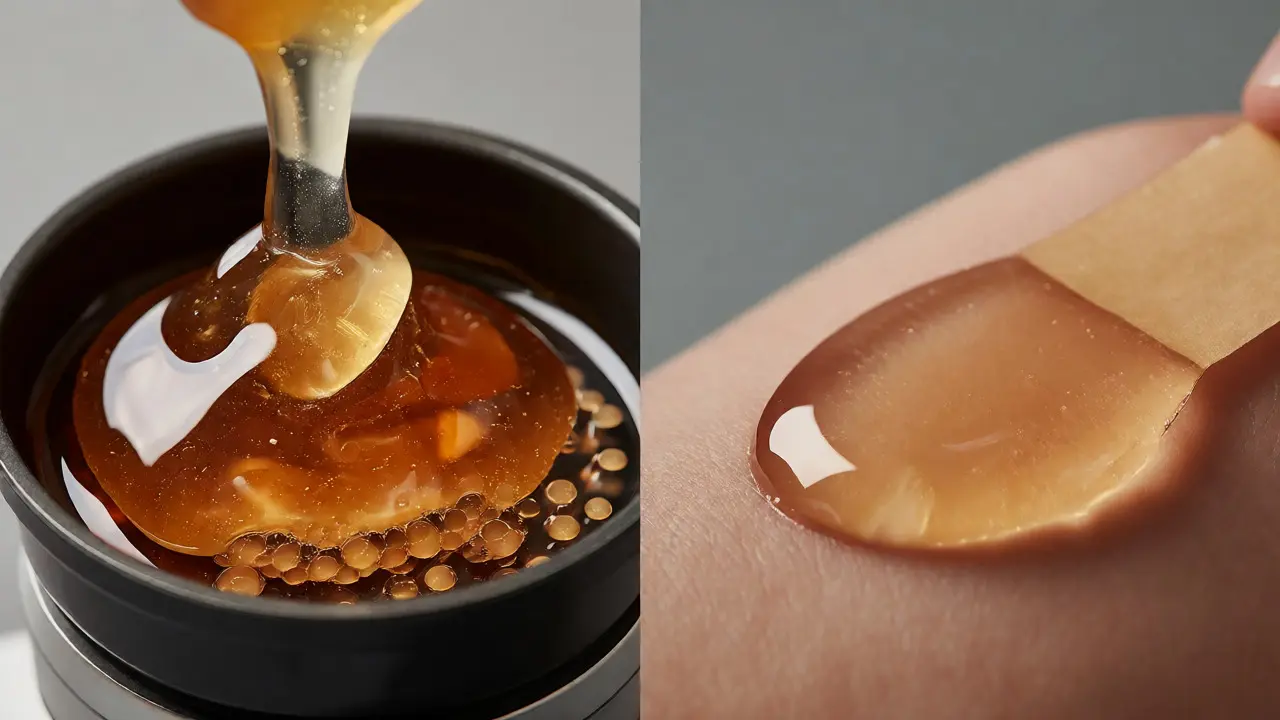
If you’ve never waxed before, start here. GiGi Honey Wax is a hybrid formula that behaves like soft wax but has some properties of hard wax. It’s forgiving. You use strips, which feels familiar if you’ve ever used drugstore wax strips, but the formula is gentler. It’s widely available, affordable, and comes in a tin that melts evenly. The downside? It still requires oil cleanup, so keep baby oil nearby.
For Sensitive Skin: Parissa Ultra Sensitive Hard Wax
If your face turns red after a simple shave, this is your best friend. Parissa Ultra Sensitive Hard Wax uses natural ingredients like beeswax and pine resin. It doesn’t stick to live skin cells, only hair. Many users report zero post-wax bumpiness. It comes in small pots, which means less waste and better temperature management since smaller volumes heat faster and more evenly.
For Precision Shaping: Cera Veil Hard Wax Beads
Professionals love this brand for a reason. The beads melt quickly and have a high grip on short hairs-critical for eyebrows where hairs are often under 1/4 inch long. If you’re trying to fix a sparse brow or create a sharp arch, this wax grabs tiny hairs that other formulas miss. It does require a bit of practice to get the thickness right, but the results are salon-level.
Budget Pick: Nad’s Invisible Brows
Not technically a pot-of-wax system, but worth mentioning. Nad’s Invisible Brows uses a pen-like applicator with pre-coated wax. It’s messy-free and incredibly fast. Great for quick touch-ups between full waxes. However, it’s not ideal for major reshaping because you lack the control of a traditional spatula. Think of it as maintenance, not transformation.
The Step-by-Step Ritual (That Most People Skip)
Buying the right kit is half the battle. Using it correctly is the other half. Here’s the routine that prevents ingrown hairs and redness.
- Prep the Area: Wash your face with a gentle cleanser to remove oils and makeup. Dry thoroughly. Apply a light dusting of talc-free powder. This absorbs moisture and helps the wax grip the hair, not the sweat on your skin.
- Test Temperature: Drop a tiny amount of wax on the inside of your wrist. It should feel warm, not hot. If it stings, wait longer.
- Apply Thinly (Soft) or Thickly (Hard): For hard wax, apply in the direction of hair growth, about the thickness of a nickel. Let it set until the edges are dry but the center is still slightly tacky. For soft wax, apply a thin layer and immediately press the strip on.
- The Pull: Hold the skin taut with one hand. With the other, pull the wax strip parallel to the skin surface, not up. This reduces pain and prevents bruising. Do it fast. Hesitation hurts more.
- Soothe Immediately: Don’t skip this. Apply aloe vera gel or a dedicated post-wax oil. Avoid alcohol-based toners for 24 hours.

Common Pitfalls to Avoid
I see the same mistakes over and over in online forums. First, waxing over sunburned or retinol-treated skin. Retinoids thin the outer layer of skin; waxing can literally tear it off. Stop using retinol on your brows 3-5 days before waxing.
Second, pulling against the grain. Always pull opposite to hair growth. If you pull sideways, you’ll break the hair instead of removing it from the root, leading to stubble within a day.
Third, ignoring patch tests. Even natural waxes can cause allergic reactions to pine resin or fragrances. Test a small area behind your ear 24 hours before tackling your brows.
Related Concepts Worth Knowing
While waxing is powerful, it’s part of a broader grooming ecosystem. Understanding adjacent techniques helps you decide if waxing is truly right for you.
- Threading: Uses twisted cotton thread to remove hair. Zero chemicals, very precise, but requires a skilled practitioner. Hard to do yourself.
- Tweezing: Best for stray hairs outside the main shape. Too slow for bulk removal.
- Depilatory Creams: Chemical dissolvers. Fast, but risky near eyes. Can cause chemical burns if left too long.
If you find waxing too painful or irritating, threading might be your upgrade path. If you’re lazy (no judgment), tweezing plus a trimmer might suffice.
How long should my eyebrow hair be before waxing?
Hair needs to be at least 1/4 inch (6mm) long. If it’s shorter, the wax can’t grip it, and you’ll end up pulling on skin instead. If you recently shaved, wait two weeks for regrowth.
Can I use hard wax on other parts of my body?
Yes, absolutely. Hard wax is excellent for sensitive areas like the bikini line, underarms, and face. Just ensure you adjust the thickness of application depending on the body part.
Why does my skin stay red after waxing?
Some redness is normal and fades within an hour. If it lasts longer, you may have applied wax that was too hot, pulled incorrectly, or have sensitive skin. Try switching to a hard wax formulated for sensitive skin and always soothe with aloe afterwards.
How often should I wax my eyebrows?
Every 3 to 4 weeks is typical. This allows hair to reach the necessary length for effective removal while keeping your shape defined. Waxing too frequently can irritate follicles and lead to ingrown hairs.
Is it safe to wax over moles?
No. Never wax directly over raised moles or warts. You can damage the tissue and cause bleeding. Trim hair around them carefully with small scissors instead.