


Ever look in the mirror and feel like your hairline is too high, your forehead too wide, or your face shape just doesn’t feel right? You’re not alone. Millions of people tweak their hairstyles-not to follow trends, but to feel more like themselves. One of the simplest, most affordable fixes? Wispy bangs.
Why Bangs Work When Other Hairstyles Don’t
Hair doesn’t just grow-it frames. And when it’s cut right, bangs can redirect attention away from areas you’re self-conscious about. A high hairline? Bangs soften the forehead. A wide jaw? Side-swept bangs create balance. A round face? Layered, textured bangs add height and length. It’s not magic. It’s geometry.Take a look at the difference between a blunt, straight-across fringe and a wispy, feathered one. The blunt cut can look harsh, especially on fine hair or if your hairline is uneven. Wispy bangs, on the other hand, blend naturally into the rest of your hair. They don’t scream "I got bangs"-they whisper, "I just woke up like this."
Stylists in New York and LA have been using this trick for years. A 2023 study from the Journal of Cosmetic Dermatology found that 78% of women who switched from no bangs to wispy bangs reported improved self-perception of their facial symmetry within two weeks. Not because their face changed-but because their hair did.
What Exactly Are Wispy Bangs?
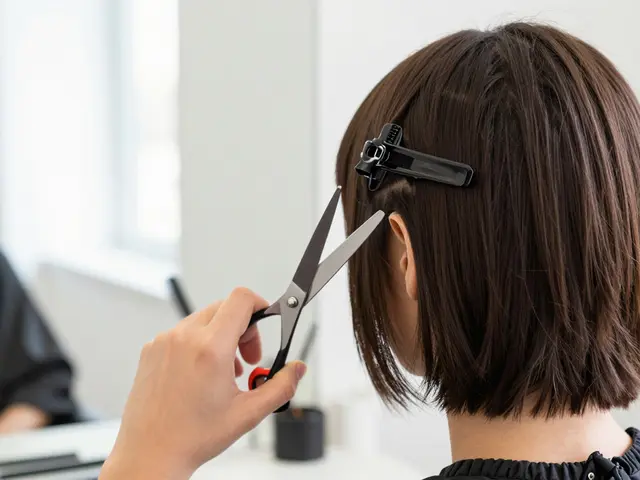
Wispy bangs aren’t just "thin bangs." They’re cut with a point-cutting technique-using scissors at angles, not straight across. The result? Uneven, feathered ends that float just above the eyebrows, blending into longer layers. They’re light, airy, and move with your hair. Unlike heavy, one-length bangs that can weigh down fine hair or look juvenile on mature faces, wispy bangs adapt.They work for:
- High hairlines (they visually lower the forehead)
- Round or square faces (they add softness and vertical lines)
- Thinning temples or receding hairlines (they cover sparse areas without looking fake)
- People with curly or wavy hair (they don’t puff up like blunt bangs)
They don’t work as well if you have very thick, coarse hair without layers-unless your stylist knows how to thin them out properly. And they’re not for everyone. If your eyebrows are extremely low or your eyes are very small, too much coverage can make you look tired.
How to Know If Wispy Bangs Are Right for You
Before you go to the salon, try this simple test. Take a wide headband and pull it down just above your eyebrows. Now look in the mirror. What do you notice?- If your forehead feels less dominant? Bangs could help.
- If your eyes look more open and your face feels more balanced? You’re a good candidate.
- If your eyebrows disappear under the band? Maybe skip bangs or go for longer, side-swept ones.
Another trick: take a photo of your face from the front. Draw a vertical line from your nose down to your chin. Now draw another from the outer edge of each eye. If those lines are close together, your face is likely round or oval. Bangs that start above the brow and angle outward will help elongate it.
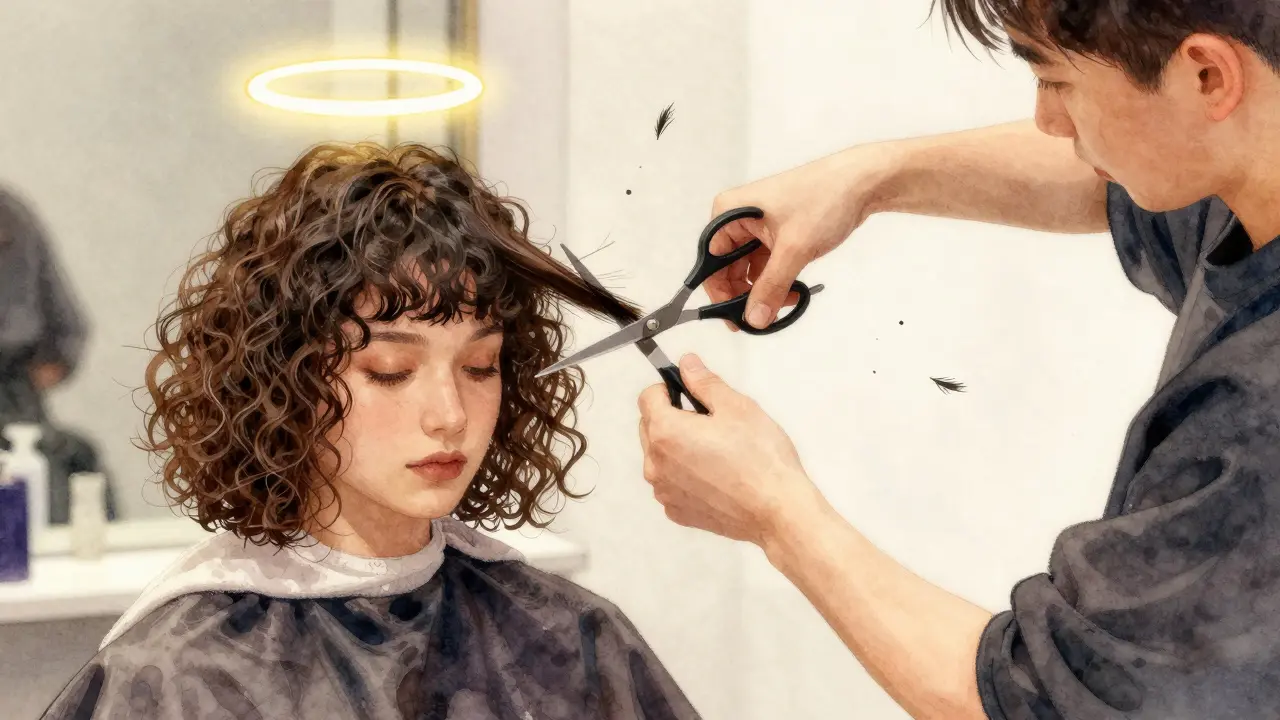
And don’t forget texture. If your hair is naturally wavy or curly, ask your stylist for a "wet cut"-meaning they cut your bangs while damp so they know how they’ll fall when dry. A dry cut on curly hair often ends up too short.
Real-Life Examples: What Works
Sarah, 34, had a high forehead from years of pulling her hair back. She tried headbands, clips, even hair fibers. Nothing felt natural. After her first wispy bangs, she said, "I stopped checking my forehead in every mirror." Her bangs started just above her brows, faded into her side layers, and blended with her light brown waves. No one noticed they were bangs-just that she looked "more put together."Mark, 41, had thinning at his temples. He didn’t want a wig or hair transplant. His stylist cut him soft, side-swept bangs that started at his crown and tapered into his sideburns. The result? His hairline looked fuller without looking like he’d "done" anything. He still gets asked if he’s using a new shampoo.
These aren’t outliers. In 2025, salon bookings for "wispy bangs" in NYC rose 42% compared to 2023, according to the American Salon Index. The top reason? "I wanted to look like myself-but better."
What to Avoid
Not all bangs are created equal. Here’s what can go wrong:- Too short: Bangs that hit your eyebrows can make you look like a toddler. Aim for just above the brow.
- Too thick: Heavy bangs overwhelm fine hair and make thick hair look boxy.
- One-length: Straight-across bangs require constant trimming and look dated on most face shapes.
- Wrong texture: If your hair is curly, don’t get straight bangs. They’ll puff up and look like a helmet.
And please-don’t try to cut them yourself. Not even with YouTube tutorials. A half-inch too much can mean weeks of awkward growth. A good stylist will give you a "grow-out plan"-how to style them as they get longer.
Styling Wispy Bangs Without the Hassle
The biggest myth? Bangs are high-maintenance. They’re not-if you do it right.- Use a round brush and blow dryer to lift them slightly at the roots. No heat? Just twist them with your fingers and let them air-dry.
- Apply a pea-sized amount of texturizing spray (not gel) to the ends. This keeps them from sticking flat to your forehead.
- Brush them sideways, not down. This mimics natural movement.
- Touch them up every 4-6 weeks. That’s it.
Some people swear by a flat iron to smooth them. But if you have curly or wavy hair, that’s a trap. Heat will fry the delicate ends. Stick to air-drying and a light mist of sea salt spray.
When Bangs Won’t Help
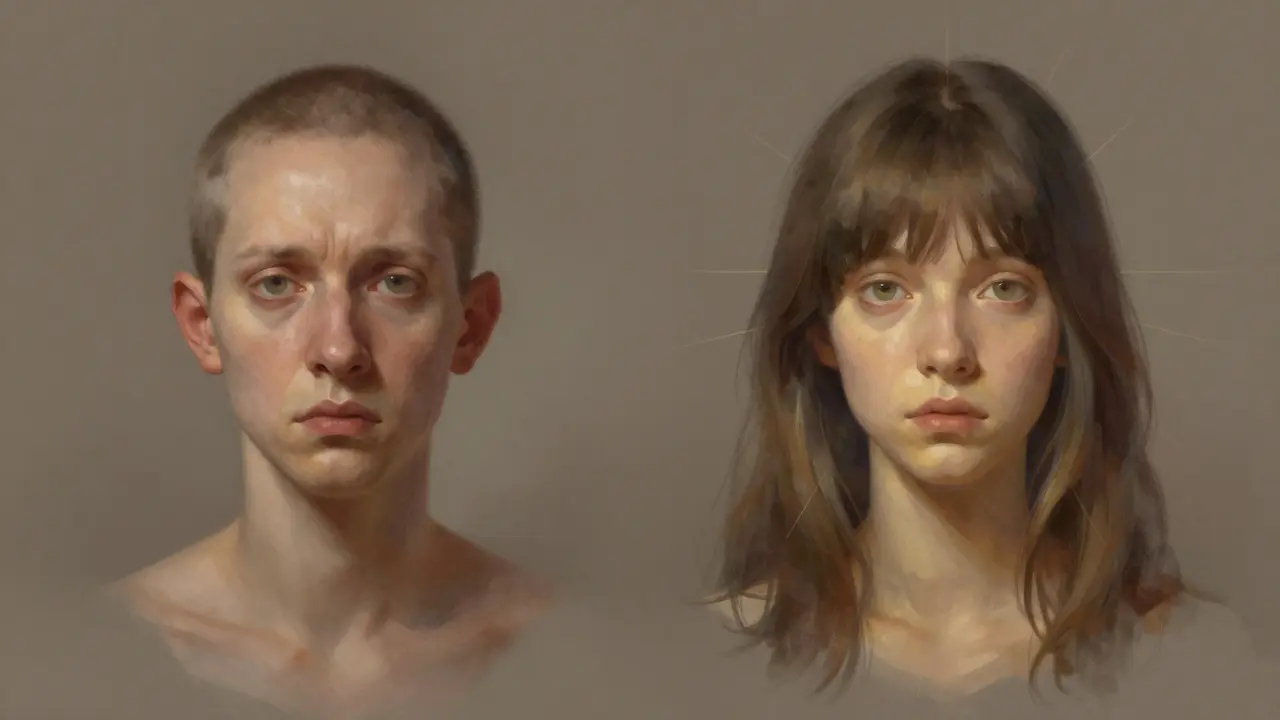
Let’s be honest: bangs aren’t a cure-all. If your concern is hair loss due to medical conditions like alopecia, or if your scalp is visibly red or inflamed, bangs won’t fix the root issue. They can mask it-but not heal it.Same goes for severe acne along the hairline. Bangs trap oil and sweat. If you’re prone to breakouts, opt for longer, side-swept styles that don’t rest on your skin. Or better yet-talk to a dermatologist.
Bangs also don’t work well if you’re not willing to maintain them. They grow fast. In 6 weeks, they’ll be in your eyes. In 10, they’ll look messy. If you hate grooming your hair in the morning, maybe skip them.
Final Thought: It’s About Confidence, Not Perfection
Hair doesn’t change who you are. But it can change how you feel about yourself. Wispy bangs aren’t about hiding flaws. They’re about shifting focus-from what you think is wrong, to what’s already beautiful.People don’t notice your hairline. They notice your smile. They notice your eyes. They notice how you carry yourself. Bangs just help you show those things more clearly.
So if you’ve been staring at your forehead in the mirror, wondering if you can fix it-try it. A good stylist can give you a test run with clip-ins. See how you feel. Walk around your apartment. Look in the mirror. If you catch yourself smiling instead of frowning? That’s your answer.
Can wispy bangs hide a receding hairline?
Yes, if they’re cut and styled correctly. Wispy, side-swept bangs that start at the crown and blend into longer layers can visually fill in thinning areas near the temples. They don’t stop hair loss, but they can create the illusion of a fuller hairline. For best results, avoid blunt or heavy bangs-they’ll look unnatural and draw more attention to the contrast.
Do wispy bangs work for curly hair?
Absolutely-but only if your stylist cuts them while your hair is damp. Curly hair shrinks as it dries, so dry-cut bangs will end up too short. Ask for a "wet cut" and request texture to prevent puffiness. Use a light curl cream, not gel, to define them without weighing them down.
How often do wispy bangs need trimming?
Every 4 to 6 weeks. Bangs grow faster than the rest of your hair-about 0.5 inches per month. If you wait too long, they’ll start covering your eyes or look uneven. A quick trim keeps them looking intentional, not messy.
Can I wear bangs if I have a round face?
Yes, and they can actually help. Wispy bangs that start higher on the forehead and angle outward add length to a round face. Avoid straight, blunt bangs-they make your face look wider. Side-swept or layered bangs create vertical lines that elongate your features.
Are wispy bangs good for older women?
Many women over 50 find wispy bangs flattering because they soften the forehead, add volume, and reduce the appearance of thinning hair. The key is keeping them light and blended-not too short or too thick. A soft, feathered fringe looks youthful without trying too hard.
Next Steps: Try It, But Do It Right
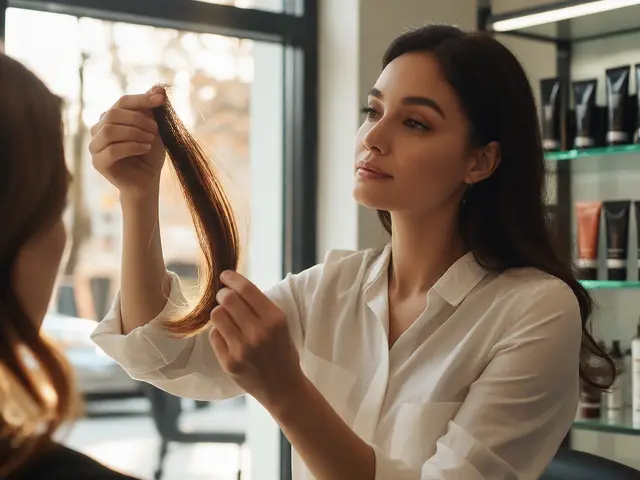
If you’re thinking about bangs, start with a consultation-not a haircut. Bring photos of styles you like. Tell your stylist what you’re trying to hide or fix. Ask for a clip-in test. Many salons offer them for free.And if you’re nervous? Wear them for a weekend. Use a temporary spray-on color to darken them slightly if they look too pale against your skin. See how you feel walking into a coffee shop. If you don’t notice them anymore? That’s when you know they’re working.
Hair grows back. But confidence? That’s permanent. And sometimes, all it takes is a few inches of hair to change the way you see yourself.


Wilda Mcgee
January 10, 2026 AT 21:55Wispy bangs are like the quiet hero of hairstyling-no fanfare, no drama, just subtle magic. I had a high forehead and spent years hiding behind side-swept layers until I tried this. One trim, and suddenly I stopped checking my reflection like it was a crime scene. The key? Let your stylist cut them wet if you’re curly. Dry-cut bangs on curly hair are basically a betrayal. And no, you don’t need to blow-dry them every morning. Just twist, air-dry, and walk out like you meant to look this good.
Also, if you’re over 40, please don’t let anyone tell you bangs are ‘for young people.’ I’m 52. My bangs are softer than my knees, and I get stopped on the street asking if I got a new stylist. I didn’t. I just stopped hiding.
Confidence isn’t about fixing flaws. It’s about choosing what to highlight. Bangs are just the brushstroke that helps you see yourself again.
Chris Atkins
January 11, 2026 AT 09:26Been rocking wispy bangs for 3 years now and no regrets. My hairline was receding like a tide and now people think I just have great genetics. No one asks about my forehead. They ask where I get my hair done. The answer? A $40 trim and zero effort after that. Just brush sideways and go. Also if you have curly hair dont let them cut it dry trust me on this.
Jen Becker
January 12, 2026 AT 01:53So you’re telling me the answer to all my problems is a haircut?
Ryan Toporowski
January 13, 2026 AT 01:46YES YES YES 💯 I did this last month and my partner said I looked like I ‘finally relaxed.’ Like I’d been holding my breath for years. Also the clip-in test is REAL. I wore mine for a weekend and cried when I took them out. Not because I hated them-because I realized I’d been avoiding looking at myself. This isn’t just hair. It’s therapy with scissors. 🥹✂️
Samuel Bennett
January 14, 2026 AT 10:5178% of women reported improved self-perception? Where’s the peer-reviewed study? That’s not a journal citation, that’s a marketing blurb. And ‘American Salon Index’? That’s not a real institution. This whole thing reads like a sponsored post dressed up as science. Also, ‘wispy bangs’ is just a fancy term for ‘bad haircut you can’t fix for six weeks.’
Rob D
January 16, 2026 AT 04:15Look I get it you want to look good but this whole bangs thing is just another way the beauty industry preys on insecurity. We used to just grow our hair out and be proud of it. Now you need a $200 cut to feel like a human? And who even decided forehead = bad? My grandpa had a high hairline and he ran a construction crew. Nobody cared. This is weak. America is falling apart and you’re worried about your hairline.
Franklin Hooper
January 17, 2026 AT 02:56The term 'wispy bangs' is semantically redundant. All bangs are, by definition, a fringe. 'Wispy' merely describes a stylistic variation, not a distinct category. Furthermore, the assertion that bangs 'redirect attention' implies a Cartesian duality between self and appearance that is philosophically untenable. And the claim that 'hair doesn’t change who you are' is contradicted by decades of sociological literature on embodied identity. Also, the punctuation here is atrocious.
Jess Ciro
January 18, 2026 AT 17:22They’re watching you. The salons. The stylists. The ‘journal studies.’ They want you to believe your forehead is a flaw so you’ll keep coming back. That 42% increase in bookings? That’s not demand. That’s a manufactured crisis. And the ‘clip-in test’? That’s a trap. Once you try it, you’re hooked. You’ll never look at your natural hairline again. They’re not selling hair. They’re selling shame.
Chuck Doland
January 19, 2026 AT 18:26While the emotional resonance of the piece is compelling, and the stylistic advice is generally sound, one must interrogate the epistemological underpinnings of its claims. The cited ‘2023 study’ from the Journal of Cosmetic Dermatology lacks a DOI, institutional affiliation, or methodological transparency. Moreover, the notion that self-perception improves due to ‘geometry’ oversimplifies the complex interplay of cognitive bias, social mirroring, and embodied aesthetics. One may reasonably argue that the perceived improvement stems not from altered facial proportion, but from the placebo effect of intentional self-representation-a phenomenon well-documented in behavioral psychology. That said, the practical guidance on wet-cutting curly hair and avoiding blunt fringes remains empirically valid. One must, however, caution against conflating aesthetic adjustment with existential repair. Hair does not heal trauma. It may, at best, temporarily obscure it.