

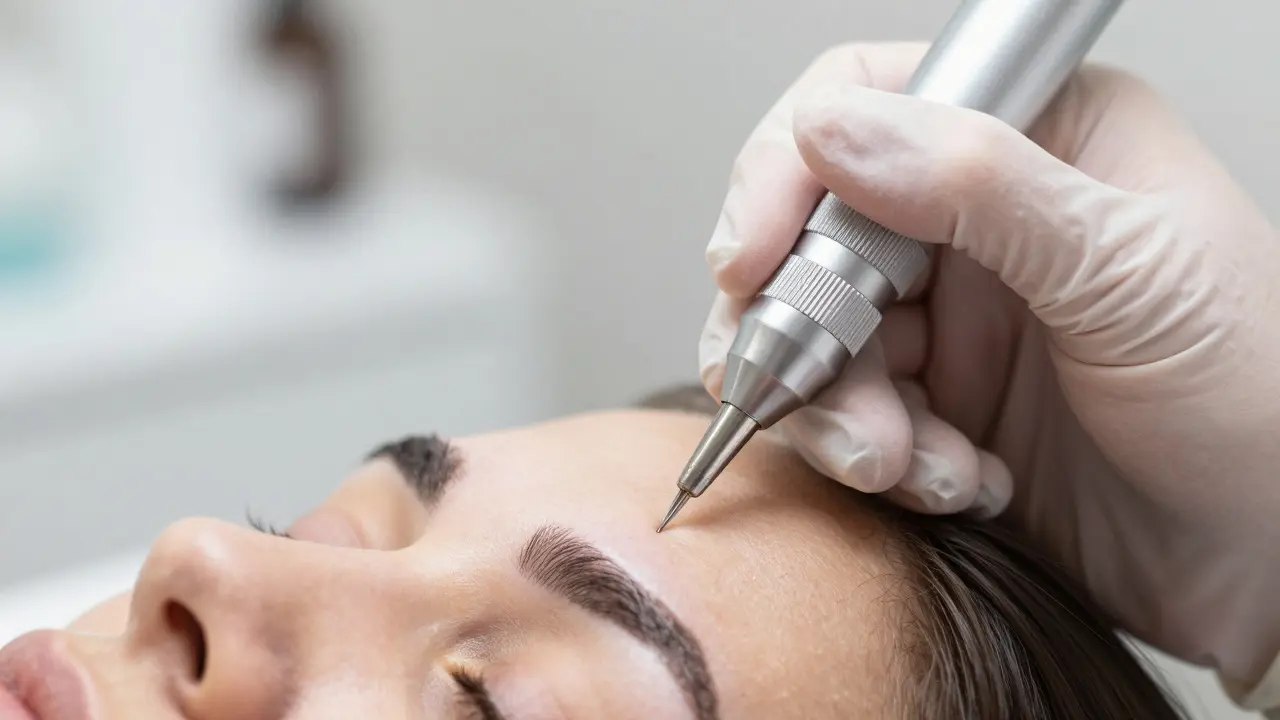
That perfectly arched brow is the dream for many of us. It saves time in the morning and gives your face a polished look without effort. But when you sit down in a chair for an eyebrow tattoo, are you trading convenience for potential health hazards? The short answer is: it depends entirely on who holds the needle and what ink they use.
Eyebrow tattoos, often called microblading or permanent makeup (PMU), involve inserting pigment into the upper layers of the skin. Unlike traditional body tattoos that go deeper, these procedures target the dermis to create hair-like strokes or soft shading. While popular, they are not risk-free. Infections, allergic reactions, and even scarring can turn a beauty treatment into a medical headache. Let’s break down exactly what makes them safe-or unsafe-so you can make a smart choice.
The Difference Between Microblading and Traditional Tattooing
First, let’s clear up the terminology. When people ask about eyebrow tattoos, they usually mean one of two things: microblading or machine-based powder brows. Both fall under the umbrella of permanent cosmetic tattooing.
- Microblading: A manual technique using a handheld tool with tiny needles to create fine cuts in the skin. Pigment is deposited into these cuts. It feels more like scratching than stinging but requires high precision.
- Machine Shading/Powder Brows: Uses an electric tattoo machine to deposit pigment. This creates a softer, filled-in look rather than individual hairs. It penetrates slightly deeper and lasts longer than microblading.
The safety profile differs slightly. Microblading breaks the skin barrier more aggressively, which can increase the risk of scarring if done poorly. Machine methods are generally more consistent but still carry infection risks if sterilization protocols are ignored. Understanding which method you’re getting helps you ask the right questions about aftercare and healing.
Infection Risks: The Silent Threat
The biggest immediate danger with any procedure that breaks the skin is infection. Your eyebrows are close to your eyes, sinuses, and blood vessels. An infection here isn’t just painful; it can spread quickly.
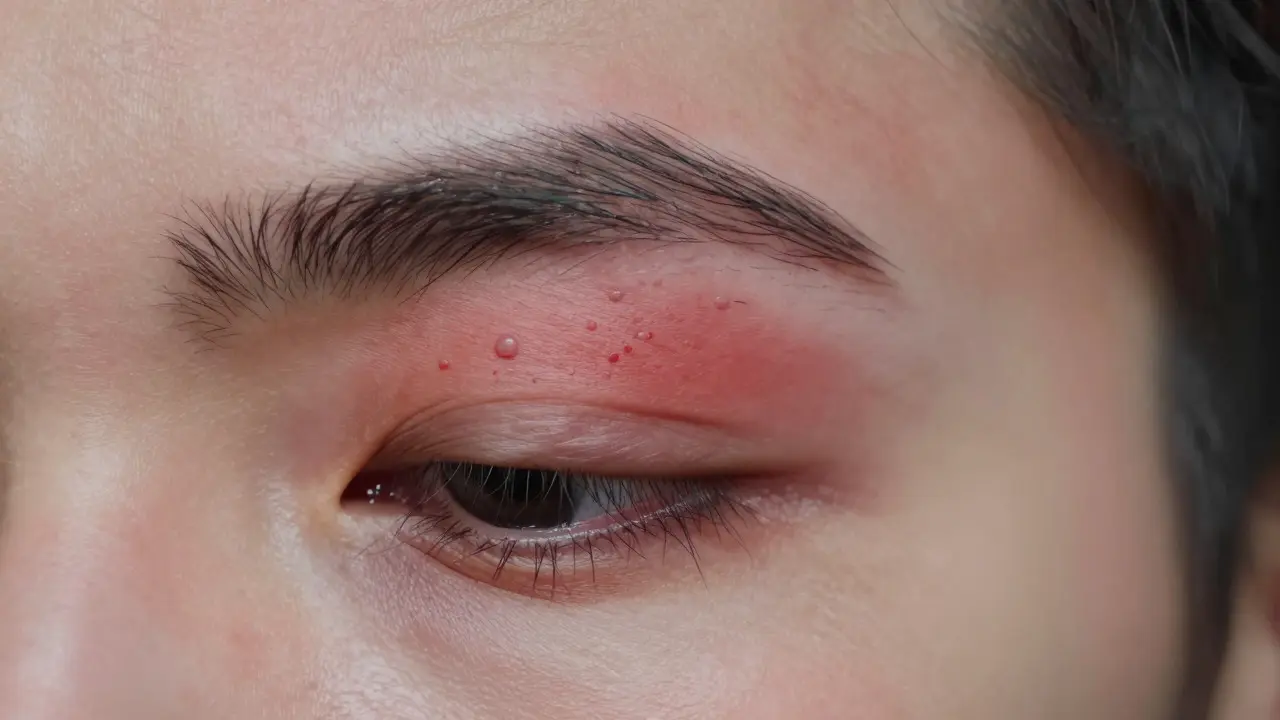
Bacteria like Staphylococcus aureus are common culprits. If the artist uses non-sterile tools, shares needles, or doesn’t wear gloves, bacteria enter your open wounds. Symptoms include excessive redness, swelling, pus, heat around the area, and fever. These signs usually appear within 24 to 72 hours after the procedure.
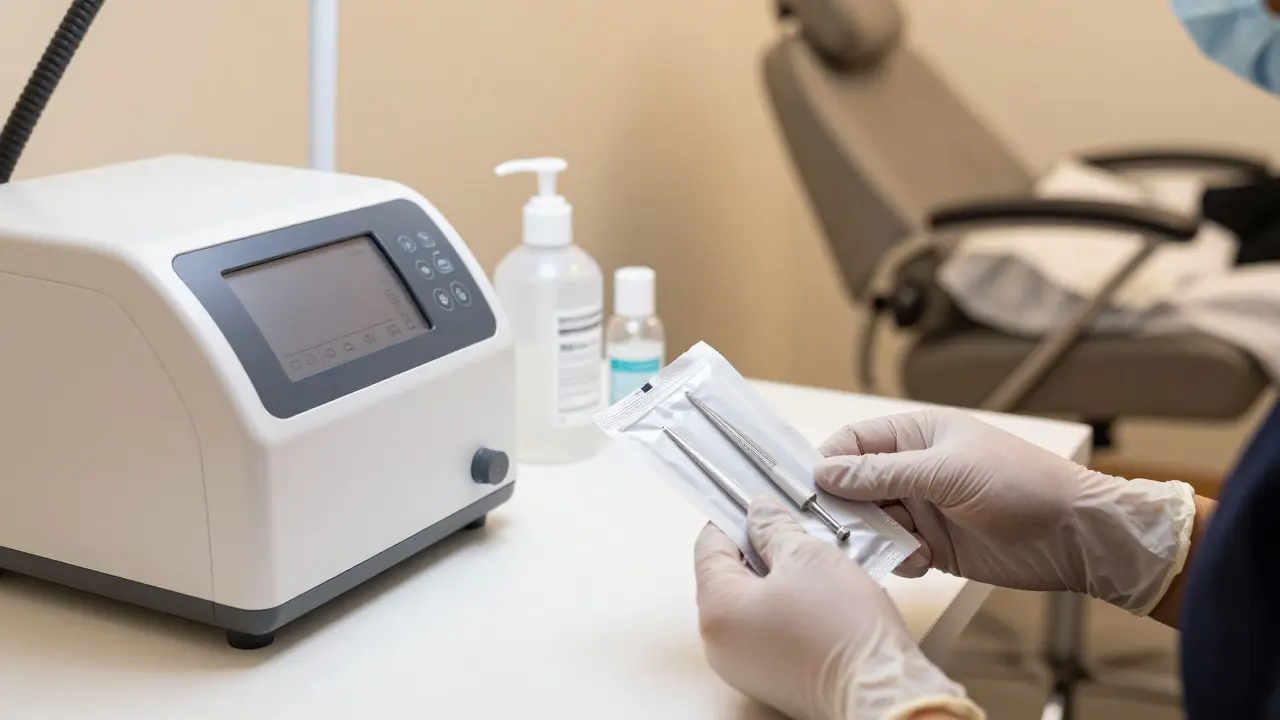
Viral infections are even scarier. Hepatitis B and C can be transmitted through contaminated equipment. While rare in licensed studios, outbreaks have been linked to unregulated salons. Always verify that your artist uses single-use, disposable needles and autoclaved equipment. If they say their tools are "sanitized" in alcohol, walk away. Alcohol does not kill all viruses or spores.
Allergic Reactions to Pigments
Your body might reject the pigment itself. Tattoo inks contain various metals and chemicals. Red pigments, in particular, often contain mercury or cadmium, which are known allergens. Even black pigments can harbor carbon black mixed with other compounds.
An allergic reaction might not show up until years later. You could get the tattoo today, love it for three years, and then wake up with itchy, raised, red bumps where the pigment sits. This is called a delayed hypersensitivity reaction. Once it starts, it’s hard to stop. The only solution is often laser removal, which can sometimes worsen the appearance by breaking down the pigment into unpredictable colors.
To minimize this risk, ask for a patch test. Apply a small amount of the pigment behind your ear or on your inner arm and wait 48 hours. If nothing happens, you’re likely safe. Many artists skip this step to save time, but it’s crucial for long-term safety.
| Risk Type | Cause | Symptoms | Prevention |
|---|---|---|---|
| Infection | Non-sterile tools, poor aftercare | Redness, pus, fever, swelling | Use licensed artists, follow aftercare strictly |
| Allergy | Metallic pigments (red, green) | Itching, raised bumps, redness | Patch test before procedure, choose organic pigments |
| Scarring | Too deep needle penetration | Textured skin, loss of hair follicles | Choose experienced technician, avoid oily skin types for microblading |
| MRI Interference | Metallic particles in ink | Swelling, burning during MRI scan | Inform radiologist before MRI, use iron-oxide free pigments |
Scarring and Skin Texture Changes
If the artist presses too hard or goes too deep, they damage the dermis beyond repair. This leads to hypertrophic scars-raised, thickened tissue. In severe cases, you might lose eyebrow hair permanently because the follicles are destroyed. This is especially risky for people with keloid-prone skin.
Another issue is granulomas. These are small clusters of immune cells that form around foreign material. They look like tiny lumps under the skin and can persist for months or years. Granulomas indicate your body is fighting the pigment, which means removal will be difficult and potentially damaging.
MRI Complications: A Hidden Danger
This is one of the most overlooked risks. Some tattoo pigments contain iron oxide or other metallic compounds. When you undergo an MRI scan, the strong magnetic field can cause these particles to heat up. Patients have reported swelling, burning sensations, and even blisters around tattooed areas during MRIs.
While modern pigments are often labeled as "MRI-safe," there’s no universal standard. Always tell your radiologist you have permanent makeup. They may adjust the settings or advise caution. If you plan to have frequent MRIs, consider choosing an artist who uses purely organic, metal-free pigments.
Choosing a Safe Artist: What to Look For
Not all artists are created equal. The beauty industry is loosely regulated in many places, meaning anyone can buy a kit and start working. Here’s how to vet your provider:
- Licensing: Check if they hold a valid state or local license for cosmetic tattooing. In some regions, this falls under cosmetology; in others, it’s a separate certification.
- Portfolio: Look at healed results, not fresh ones. Fresh tattoos look perfect; healed ones reveal true skill. Check for consistency, symmetry, and lack of scarring.
- Hygiene Practices: Watch them work. Do they wear gloves? Do they open sterile packages in front of you? Is their workstation clean?
- Consultation: A good artist will assess your skin type. Oily skin, for example, often blurs microblading lines, making it a poor candidate. They should recommend powder brows instead.
Avoid artists who pressure you into booking immediately or discount heavily. Quality takes time and expensive supplies. Cheap prices often mean cheap ink and reused needles.
Aftercare: Your Role in Safety
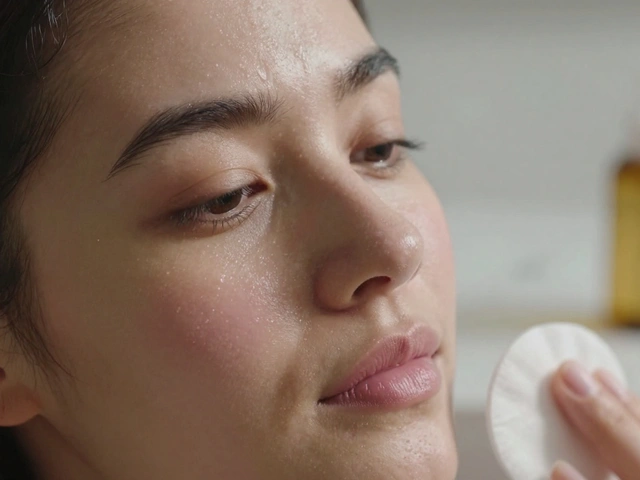
Even the best artist can’t guarantee safety if you mess up aftercare. The first week is critical. Keep the area clean and dry. Avoid sweating, swimming, or picking at scabs. Picking introduces bacteria and pulls out pigment, leading to patchy results and scarring.
Use the recommended ointment sparingly. Too much traps moisture and breeds bacteria; too little dries out the skin and causes excessive flaking. Follow the specific instructions given by your artist, as protocols vary based on the technique used.
Avoid sun exposure. UV rays fade pigment and irritate healing skin. Wear a hat or use sunscreen (once fully healed) to protect your investment.
Removal Options If Things Go Wrong
If you develop an allergy, hate the shape, or experience scarring, removal is your next step. Laser removal is the most common method. Q-switched lasers break down pigment particles so your body can absorb them. However, not all pigments respond well. Iron oxide pigments can turn dark brown or black when lasered, making them harder to remove.
Salt fading is another option, where a saline solution is injected to lift the pigment. It’s gentler but requires multiple sessions and works best on fresh tattoos. Consult a dermatologist specializing in tattoo removal before starting any process.
Alternatives to Consider
If the risks feel too high, there are safer alternatives. Lamination lifts and sets your natural hairs for a fuller look without breaking the skin. Tinting adds color temporarily. Brow pencils and powders offer daily control without commitment. These options require more maintenance but zero medical risk.
How long do eyebrow tattoos last?
Microblading typically lasts 1 to 3 years, while machine-based powder brows can last 3 to 5 years. Factors like skin type, sun exposure, and aftercare affect longevity. Touch-ups are usually needed every 12 to 18 months to maintain shape and color.
Can eyebrow tattoos cause blindness?
Direct blindness from eyebrow tattoos is extremely rare. However, if an infection spreads to the eye or surrounding tissues, it can cause serious complications like cellulitis or orbital abscesses. Proper hygiene and aftercare significantly reduce this risk.
Is microblading safe for sensitive skin?
Sensitive skin can react unpredictably to microblading. Patch testing is essential. If you have eczema, psoriasis, or rosacea in the brow area, consult a dermatologist first. Machine shading may be a better option as it causes less trauma to the skin surface.
What should I avoid after getting eyebrow tattoos?
Avoid water, sweat, makeup, and sun exposure for the first 7 to 10 days. Do not pick at scabs or scratch the area. Avoid retinoids and exfoliants near the brows for at least two weeks. Follow your artist’s specific aftercare protocol closely.
Are organic pigments safer than traditional ones?
Organic pigments generally contain fewer heavy metals and are less likely to cause allergic reactions or MRI interference. However, they may fade faster and change color differently over time. Always ask your artist about the pigment composition and request a patch test regardless of the type.

Lisa Puster
July 26, 2026 AT 06:03the article is fine but it misses the real issue which is that most people are too lazy to do their own brows and want a quick fix instead of actually putting in the effort like we used to do back in the day when standards mattered
you have to be careful because these artists are basically unregulated hobbyists with expensive machines and zero medical training so you are gambling with your face every time you sit in that chair
Marissa Haque
July 28, 2026 AT 00:06Oh my gosh, this is SO true!!! I literally screamed when I read the part about alcohol not killing viruses!! Who knew??!?!
I was thinking about getting microblading done next month because my mornings are such a disaster zone right now, but now I’m just terrified!! Like, what if I get an infection?? Or worse, what if I turn green??!! It’s just so scary out there!! You really need to know your artist inside and out before letting them near your face!!
Joe Walters
July 29, 2026 AT 06:54i had powder brows done by some guy who met me at a coffee shop because he didnt have a studio yet lol
looked amazing for like two weeks then turned orange and i looked like a cartoon character from hell
lesson learned dont skimp on the price tag or you will pay for it later in laser removal costs which are even more painful than the tattoo itself trust me on this one
Keith Barker
July 29, 2026 AT 20:44we seek permanence in a transient world
the desire to freeze beauty is ultimately a rejection of time itself
yet the body remembers what the mind forgets
scars are just memories written in skin
Edward Gilbreath
July 31, 2026 AT 06:38its all a scam by the beauty industry to sell us more products and procedures
they want you to think you need perfect brows so they can charge you hundreds of dollars for something that fades anyway
just look at nature and accept your natural self instead of buying into the corporate lie that you are broken without makeup
Michael Richards
August 2, 2026 AT 01:15listen up folks
if you are going to get permanent makeup done you better do your homework or you will regret it
check their license check their portfolio and make sure they use single use needles
do not let anyone convince you otherwise because your health is in your hands not theirs
be smart about it
Lisa Nally
August 3, 2026 AT 10:50As a licensed PMU technician myself, I find this article largely accurate but slightly fear-mongering regarding the MRI risks, which are exceedingly rare with modern organic pigments.
The real issue is aftercare compliance. Most clients ignore the instructions within hours, leading to patchy results that they blame on the artist rather than their own negligence. The epidermal barrier must remain intact during the initial healing phase to prevent pigment rejection.
kimberly de Bruin
August 4, 2026 AT 18:52beauty is pain but maybe not worth the risk
i prefer pencils because i can change my mind tomorrow
permanence is a heavy burden to carry on your face
Robert Barakat
August 6, 2026 AT 08:29the concept of the eyebrow as a frame for the soul is interesting
when we alter it permanently we are altering how others perceive our essence
perhaps the hesitation we feel is a primal instinct protecting our identity from being overwritten by artificial means
it is a philosophical dilemma disguised as a cosmetic procedure
Laura Davis
August 6, 2026 AT 10:39You guys need to stop being so negative!
If you follow the rules and pick a pro it is totally safe!
I did mine three years ago and they still look great!
Just listen to your artist and keep them clean!
Life is too short to spend twenty minutes drawing eyebrows every morning!
Go for it but be responsible!
Edward Nigma
August 7, 2026 AT 23:19actually the FDA has approved most of these pigments so the panic is unwarranted
people just want an excuse to stay home and draw on their faces because they are afraid of commitment
it is not rocket science it is just ink in skin
stop overthinking it
Francis Laquerre
August 8, 2026 AT 20:22In many cultures across Asia and the Middle East, eyebrow shaping is an ancient art form passed down through generations, often using henna or natural dyes that fade naturally.
The Western obsession with permanent alteration seems somewhat disconnected from this holistic approach to beauty, where adaptability and harmony with one's changing features are valued over static perfection.
It would be fascinating to see more integration of these traditional, less invasive methods into mainstream beauty practices here.
michael rome
August 9, 2026 AT 07:51It is important to remember that everyone heals differently.
What works for one person may cause issues for another due to individual skin chemistry and immune response.
Therefore, consulting with a dermatologist prior to any cosmetic procedure is highly advisable regardless of the artist's credentials.
Your well-being should always take precedence over aesthetic trends.
Andrea Alonzo
August 10, 2026 AT 17:41I completely understand why so many women are drawn to this procedure because the daily routine of grooming eyebrows can be incredibly tedious and frustrating especially for those of us who struggle with sparse hair growth or asymmetry which can affect our confidence levels significantly throughout the day and beyond
However, reading about the potential for allergic reactions and scarring does give one pause, particularly since the face is such a prominent feature in social interactions and professional settings where first impressions matter greatly
Perhaps a middle ground could be found through semi-permanent options that offer longevity without the lifelong commitment, allowing for adjustments as personal style evolves over time while minimizing the risk of long-term complications associated with deeper dermal penetration techniques.