
Picture this: you’ve spent years growing your hair out. It’s past your shoulders, maybe even down your back. You walk into a salon, ready for a trim, but the stylist suggests adding layers. Your heart sinks. Layers mean less length, right? Or do they? This is the single most common debate in hairstyling. Does long hair actually look better with layers, or is the classic blunt cut still king?
The short answer is yes-but only if those layers are tailored to your specific hair texture and face shape. A one-size-fits-all approach to layering is a recipe for disaster. When done correctly, layers add movement, reduce bulk, and frame your features in a way that solid-length hair simply cannot. When done poorly, they create triangle-shaped frizz that looks like a bad ’90s mullet.
Why does everyone keep talking about layers?
Layers are essentially strategic cuts within the hair shaft that remove weight from specific areas. This allows the hair to fall differently, creating volume where you lack it and smoothing down excess bulk where you have too much.
The Science of Weight and Movement
To understand why layers work, you have to think about physics. Hair has weight. When you have long, uncut hair, all that weight pulls the strands straight down toward the ground. This creates a heavy, static look. If you have fine hair, this weight can make your roots look flat and lifeless because the hair is too heavy to hold any lift. If you have thick hair, that same weight causes the ends to splay out wildly, creating a triangular shape known as the "triangle effect."
Layered haircuts are a styling technique that removes internal weight to encourage natural movement and shape. By cutting different sections of hair to different lengths, you redistribute that weight. Lighter hair moves more freely. It bounces when you walk. It catches the light differently. This isn’t just aesthetic; it changes how the hair behaves structurally.
Consider the difference between a silk sheet and a ruffled curtain. Both are made of similar material, but the structure dictates the drape. Unlayered long hair is the silk sheet-smooth, heavy, and predictable. Layered hair is the ruffle-it has peaks, valleys, and dynamic flow. For many people, especially those with medium to thick hair textures, this redistribution of weight is exactly what makes their hair look healthier and more vibrant.
Face Shape Matters More Than Length
You might love the idea of layers, but if they don’t complement your facial geometry, they will fight against you. Your face shape is the blueprint for how layers should be placed. Here is how different shapes interact with layered cuts:
- Oval Faces: You are lucky. Almost any layering style works on an oval face because the proportions are balanced. You can experiment with short face-framing layers or long, subtle beach waves without worrying about distorting your features.
- Round Faces: Avoid short, choppy layers around the cheekbones, as these add width where you want length. Instead, opt for long, vertical layers that start below the chin. This draws the eye downward, elongating the face. Side-swept bangs paired with long layers are particularly effective here.
- Square Faces: You have strong jawlines. Soften them with wispy, textured layers rather than sharp, geometric ones. Avoid blunt lines at the jawline. Soft, feathered layers starting at the collarbone help break up the angularity of the jaw.
- Heart-Shaped Faces: With a wider forehead and narrower chin, avoid volume at the crown. Keep layers longer and heavier around the jawline to balance the width of the forehead. Chin-length bob layers can work well if blended softly.
- Long/Oblong Faces: Be careful with very long, vertical layers, as they can make your face appear even longer. Add horizontal volume with shorter, fuller layers around the cheeks and temples to create width and balance.
If you ignore your face shape, layers can accentuate features you might want to minimize. For example, a round face with short, voluminous layers can look wider, while a long face with severe, long layers can look gaunt. The goal is harmony, not just trendiness.
Hair Texture: The Deciding Factor
Your face shape tells you where to put layers. Your hair texture tells you if you should get them at all. This is where most people go wrong. They see a celebrity with wavy hair and layers and assume it will look the same on their fine, straight locks. It won’t.
| Texture Type | Response to Layers | Best Layering Strategy |
|---|---|---|
| Fine/Straight | Risk of looking thin or stringy | Long, invisible layers (below chin) to add body without sacrificing density |
| Thick/Straight | Reduces bulk and prevents triangle shape | Medium to long layers to remove weight while maintaining shine |
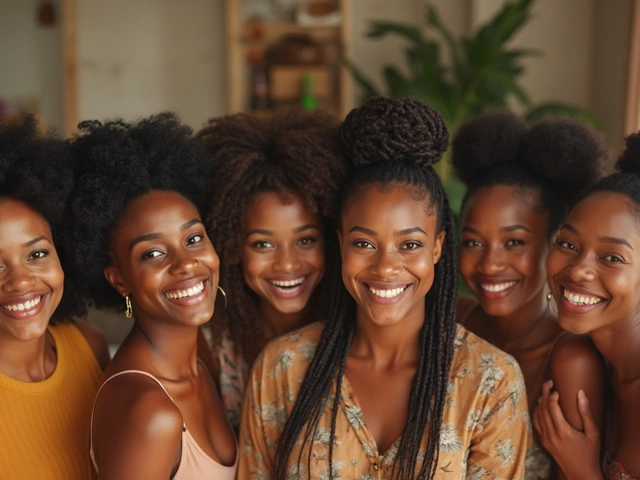
| Wavy | Enhances natural wave pattern | Face-framing layers to define curls and reduce puffiness |
| Curly | Prevents mushroom shape, adds definition | De-layered or stacked curls to maintain moisture and shape |
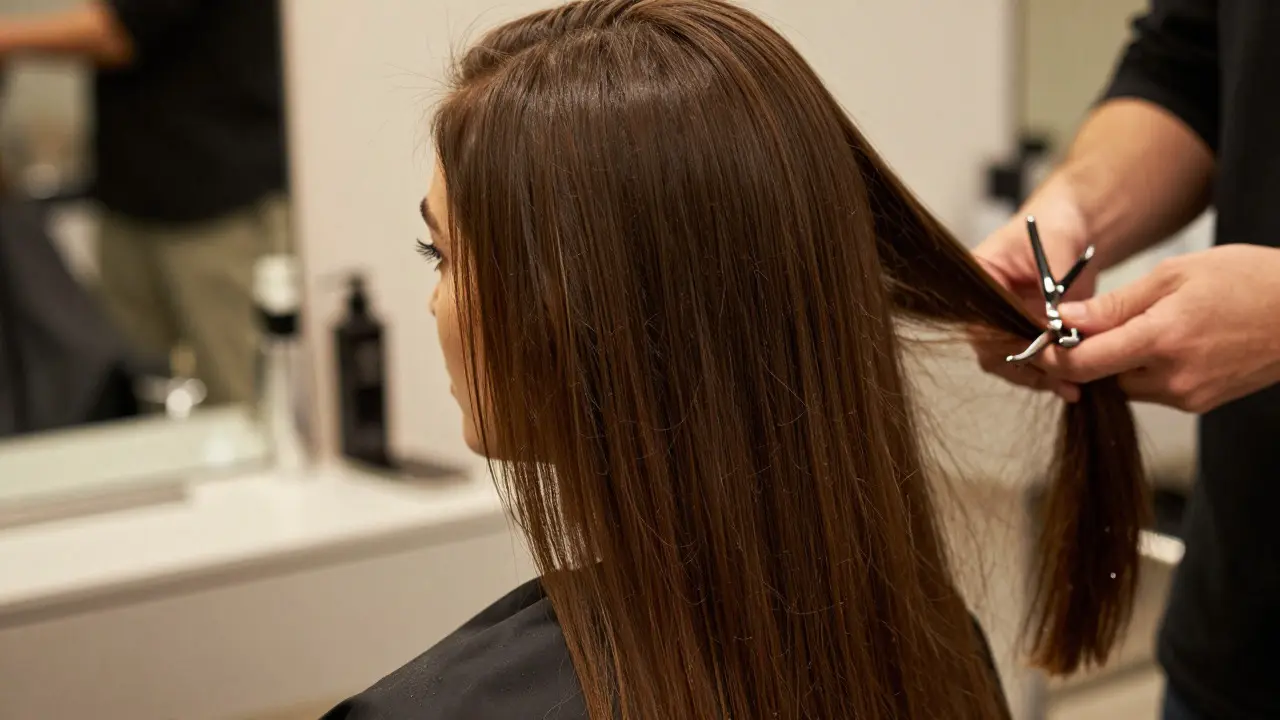
For those with fine hair, layers are a double-edged sword. Too many layers remove so much mass that your hair looks sparse and weak. The key here is "invisible layers." These are subtle cuts made deep inside the hair shaft, removing weight without visibly changing the length. This trick adds bounce to fine hair without making it look thin.
Conversely, thick hair often suffers from being weighed down. Thick hair tends to clump together, losing its natural shine and movement. Strategic layering breaks up these dense clumps, allowing light to penetrate the hair shaft. This makes thick hair look shinier and healthier, even though you technically have less hair overall.
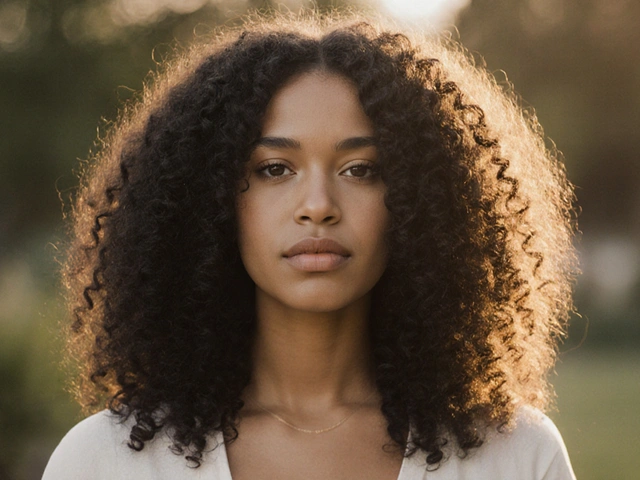
Curly and wavy hair almost always benefits from layers, but the technique must differ. Curly hair shrinks. A curly girl who wants shoulder-length hair needs her hair cut much longer than a straight-haired person because the curl will contract. Layers in curly hair help prevent the "mushroom" effect, where the bottom of the hair puffs out while the top stays flat. However, over-layering curly hair can lead to frizz and dryness, as each new end created is a potential point of moisture loss.
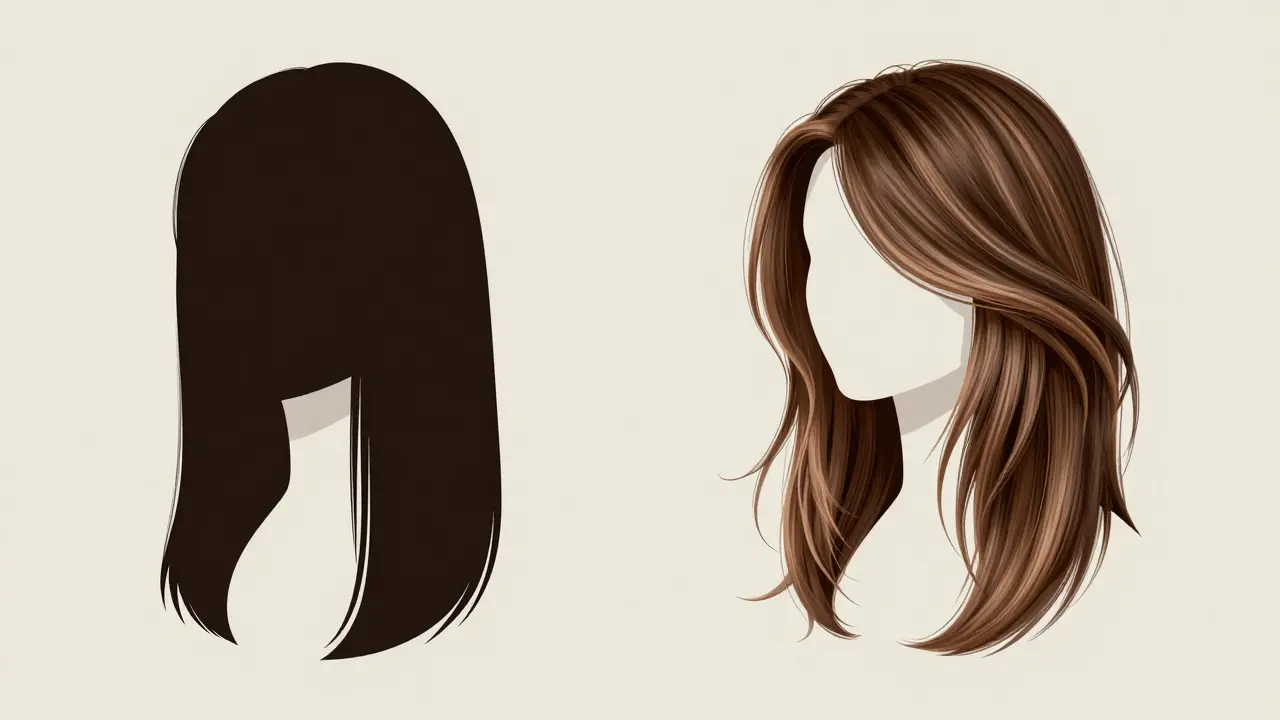
Blunt Cuts vs. Layered Cuts: When to Choose Which
It is not always true that layers are better. Sometimes, a blunt cut is superior. Understanding the trade-offs helps you decide what your hair actually needs right now.
A Blunt cut is a haircut where all hair is cut to the same length, creating a solid, heavy line. Blunt cuts maximize the appearance of thickness and shine. If your primary goal is to show off healthy, glossy ends and you have naturally full hair, a blunt cut highlights those qualities. It also grows out more gracefully for some textures, as there are no varying lengths to manage.
However, blunt cuts require more maintenance in terms of conditioning. Because all the ends align, any damage is highly visible. Split ends travel up the shaft faster in dense, unlayered hair because the friction between strands is higher. Layers reduce this friction by separating the strands.
Choose a blunt cut if:
- You have very fine hair and need every bit of density you can get.
- You prefer a sleek, polished, minimalist aesthetic.
- Your hair is damaged, and you want to focus on healing the ends before restructuring.
- You have straight hair and want maximum shine reflection.
Choose layers if:
- You have thick or coarse hair that feels heavy.
- You want to add volume to flat, fine hair (using long layers).
- You have wavy or curly hair that lacks definition.
- You want a softer, more romantic, or effortless look.
- You struggle with the "triangle" shape where the bottom is too wide.
Maintenance and Styling Realities
Let’s talk about the daily grind. Getting the cut is only half the battle. Living with layers requires a different routine than living with blunt hair.
Styling layered hair often involves diffusing or blow-drying with a round brush to encourage the layers to blend. If you air-dry layered hair without product, you risk looking messy rather than effortless. You need lightweight mousses or sea salt sprays to define the separation between layers. Without these products, layers can look disjointed, like someone took scissors to your head randomly.
Blunt hair, on the other hand, is easier to wash and dry quickly. You can slap on a leave-in conditioner and go. But layered hair needs attention to the mid-lengths and ends to ensure the layers don’t stick out awkwardly. Regular trims are also non-negotiable for layers. Because the lengths vary, split ends become visible sooner in the shorter layers. Aim for a trim every 8-10 weeks to keep the shape intact.
Also, consider your heat tool usage. Layers expose more surface area to heat. If you use a flat iron or curling wand daily, ensure you are using a high-quality heat protectant. The increased surface area means more exposure to thermal damage. Conversely, layers can sometimes reduce the time you spend styling because the hair dries faster due to reduced density.
How to Talk to Your Stylist
Communication is key. Never just say "I want layers." That phrase is too vague and leads to misunderstandings. Instead, use specific terminology and bring reference photos.
Ask for:
- Long layers: If you want to keep length but add movement. Specify that you want the shortest layer to be at least chin-length.
- Face-framing layers: If you want softness around your face without altering the rest of your hair significantly.
- Invisible layers: If you have fine hair and fear looking thin. Ask for weight removal only, not length reduction.
- Shag or Wolf Cut elements: If you want a trendy, textured look with more pronounced contrast between lengths.
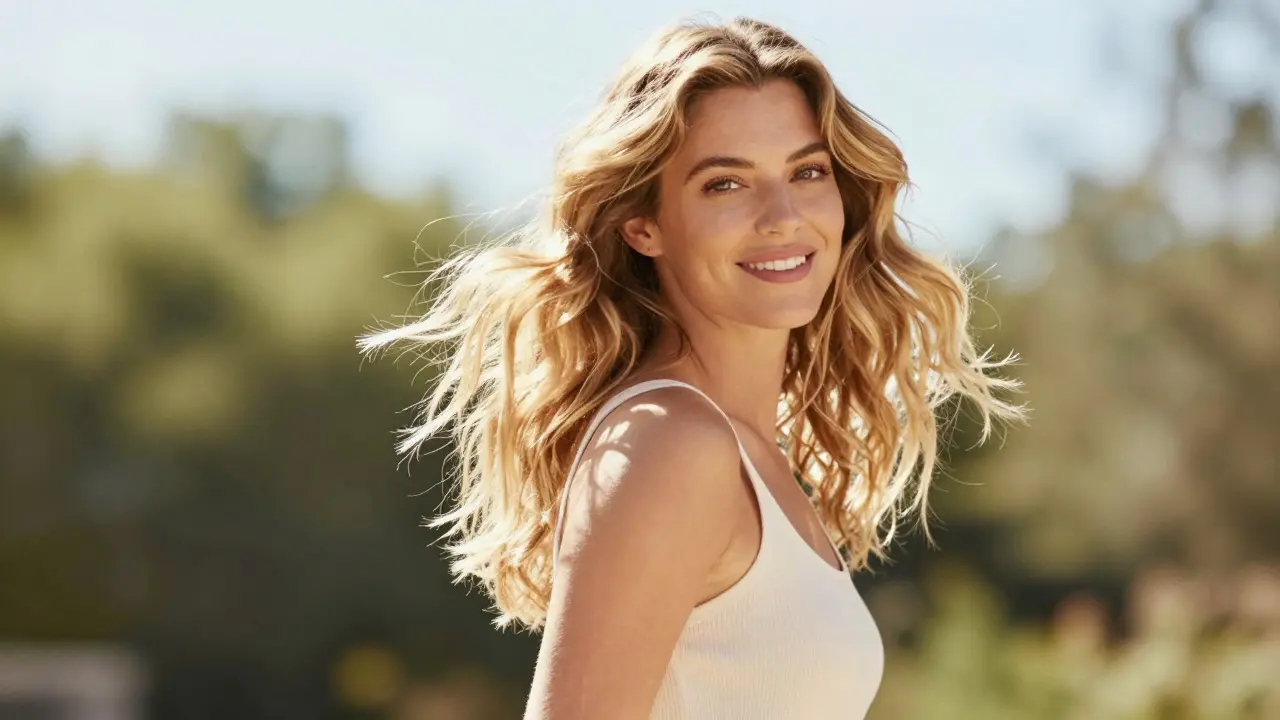
Show your stylist photos of people with similar hair texture and face shape. Context matters. A photo of a model with thick, wavy hair doesn’t help if you have fine, straight hair. Explain your daily routine. Do you blow-dry? Air-dry? Wear it up? Your stylist needs to know how you live to build a haircut that survives your lifestyle.
Common Mistakes to Avoid
Even with the best intentions, layering can go wrong. Here are the pitfalls to watch out for:
Over-layering fine hair: This is the most common error. Removing too much weight from fine hair leaves it looking wispy and fragile. Stick to long, subtle layers.
Ignoring hair density: Density refers to how many hairs you have per square inch, not the thickness of individual strands. High-density hair needs more aggressive layering to remove bulk. Low-density hair needs minimal layering to preserve fullness.
Getting layers too short: Short layers grow out quickly and can create awkward cowlicks or poofy spots during the transition phase. If you’re unsure, start longer. You can always take more off later.
Neglecting aftercare: Layers require hydration. Use a good conditioner and occasional deep treatments to keep the multiple ends healthy. Dry, brittle layers look messy; hydrated layers look intentional.
Will layers make my hair look thinner?
Only if you have fine hair and get too many short layers. For thick hair, layers actually make hair look healthier and more manageable by reducing bulk. For fine hair, long, invisible layers add volume without sacrificing density.
Do I need to style layered hair every day?
Not necessarily, but it helps. Air-dried layers may look messy without product. Using a light mousse or texturizing spray enhances the shape. Blunt hair is generally lower maintenance for daily styling.
How often should I trim layered hair?
Every 8-10 weeks. Because layers have varying lengths, split ends become visible sooner. Regular trims maintain the shape and prevent the hair from looking ragged.
Can I get layers if I have damaged hair?
Yes, but proceed with caution. Layers can help remove damaged ends, but they also create more ends that need care. Focus on hydration and consider a blunt cut first to heal the hair before adding complexity.
What is the difference between layers and a shag?
A shag is a specific type of layered haircut with more texture, shorter pieces around the face, and often includes bangs. Traditional layers are smoother and more blended. Shags are trend-driven; traditional layers are timeless.