
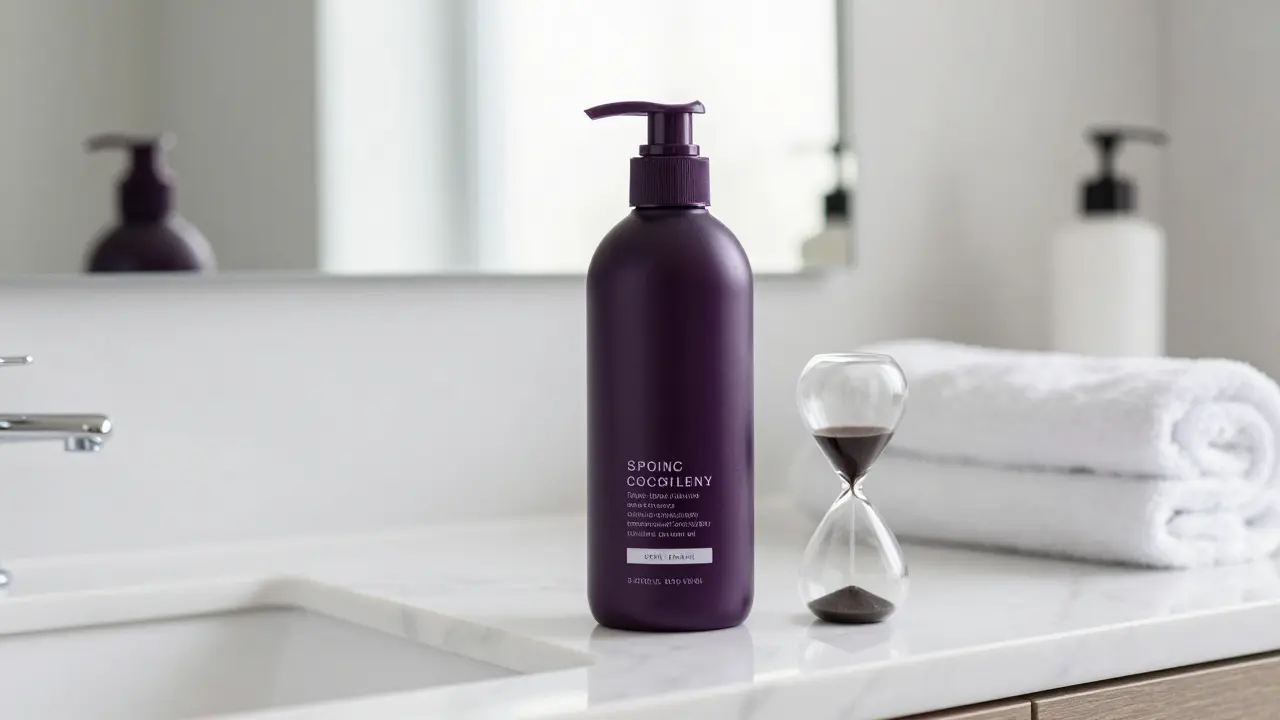
You just spent hours in the salon chair, and your hair looks absolutely perfect. But then you remember that bottle of violet cleanser sitting in your shower. The big question is: can you jump straight into using purple shampoo is a specially pigmented cleanser containing violet pigments designed to neutralize unwanted yellow and brassy tones in lightened hair. immediately after a color service? The short answer is yes, but doing it too soon might actually mess with the expensive work your stylist just finished.
Quick Summary for Your Color Maintenance
- Wait time: Generally 1 to 2 weeks after coloring before starting purple shampoo.
- Purpose: It cancels out yellow/gold tones, not for the initial color change.
- Risk: Leaving it on too long (over 5 minutes) can leave a purple tint.
- Hair type: Best for blondes, silvers, platinum, and cool-toned brunettes.
- Pro tip: Pair it with a moisturizing conditioner to combat dryness.
When to Start Using Purple Shampoo
Timing is everything when you're dealing with fresh chemicals. Professional stylists, including experts from Redken , typically suggest waiting about one to two weeks after your salon appointment before introducing purple shampoo. Why the wait? Because the professional toner used at the salon is designed to set and lock in your specific shade. If you use a pigmented shampoo too early, you might disrupt that initial process or accidentally shift the tone of your hair in a direction you didn't intend.
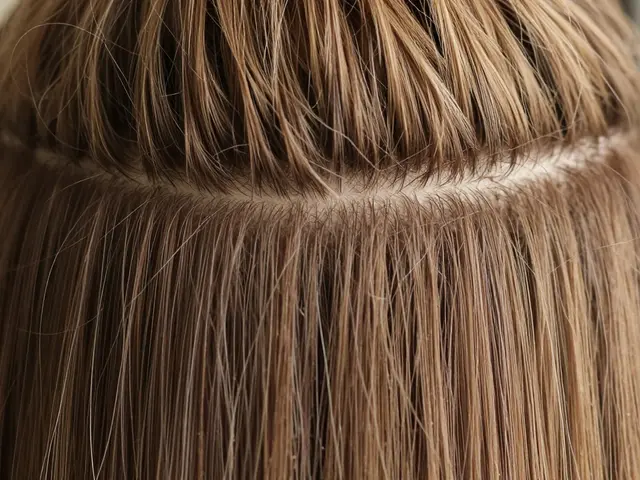
A good rule of thumb is to wait until you see the first hint of "brassiness" returning. Brassiness is that warm, orangey-yellow glow that happens as the salon toner wears off. Once you notice your cool blonde starting to look a bit like a gold coin, that's your cue to bring out the purple bottle.
How Color Theory Works for Your Hair
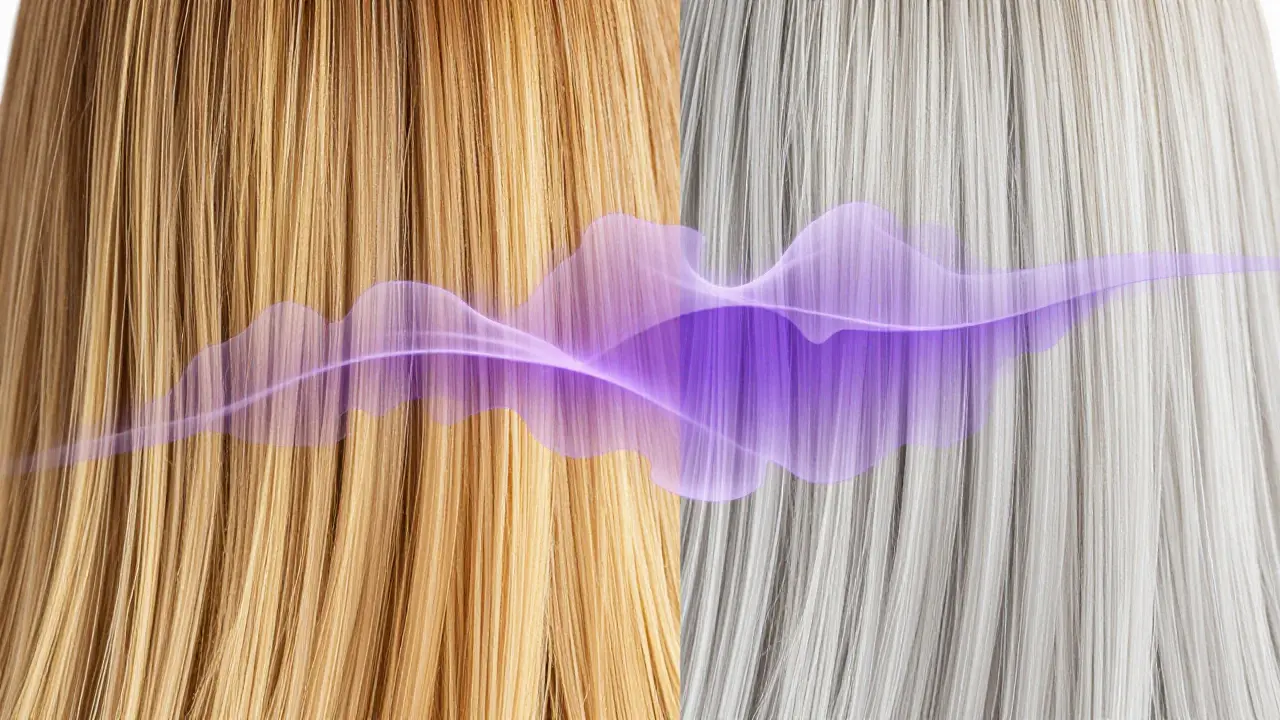
It sounds like a science class, but understanding the color wheel is the key to why this works. In color theory, colors opposite each other cancel each other out. Since purple sits directly opposite yellow, the violet pigments in the shampoo deposit a microscopic layer of color that neutralizes the yellow hues. It doesn't actually "remove" the yellow; it just masks it so your eyes perceive a cooler, cleaner tone.
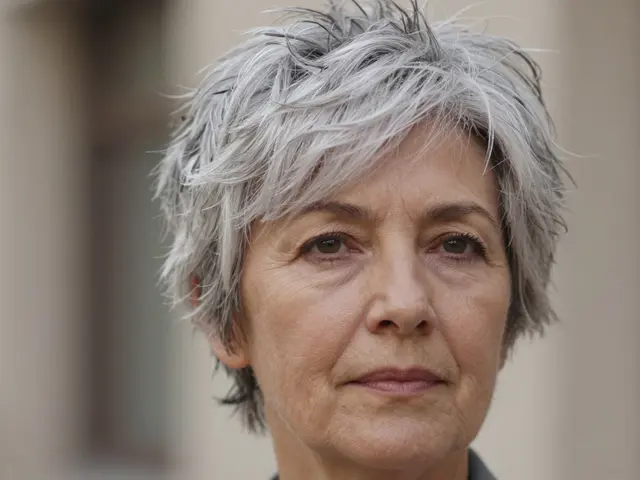
This isn't just for platinum blondes. If you have color-treated brunette hair that's starting to look too warm or "rusty," purple shampoo can help reveal a more neutral or ash-toned brown. It's also a lifesaver for those with silver hair or playful pastel colors, like lavender or mint, keeping the base clean and bright.
| Hair Color | Common Problem | Expected Result |
|---|---|---|
| Platinum/Silver | Bright yellow tones | Icy, cool white/silver |
| Golden Blonde | Brassiness/Gold hues | Neutral, sandy blonde |
| Cool Brunette | Warm orange/yellow tints | Ashy, neutral brown |
| Pastel Colors | Fading to warm yellow | Maintained pastel clarity |
The Danger of the "Purple Tint"
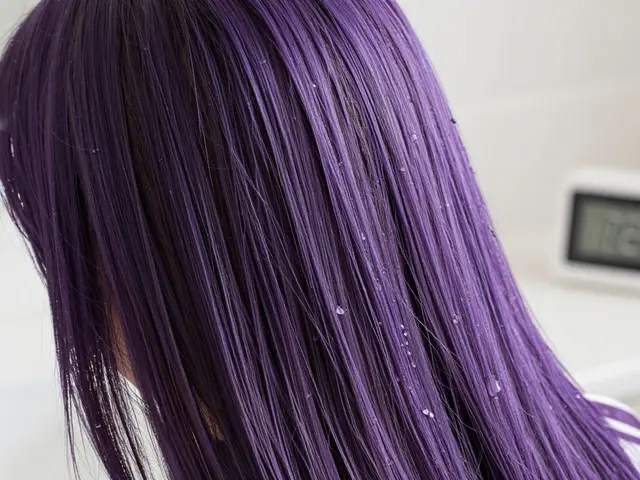
One of the biggest mistakes people make is treating purple shampoo like a deep conditioner. It's a cleanser with dye. If you leave it on too long, you're not just neutralizing yellow; you're actually dyeing your hair purple. Most products are designed to sit for one to five minutes. If you push past that five-minute mark, you risk waking up with streaks of violet, especially in areas where your hair is most porous.
Speaking of porosity , this is where your hair's health comes into play. Hair that has been heavily bleached is more like a sponge; it absorbs pigment much faster. You'll often notice that the ends of your hair-which are usually the oldest and most damaged-turn purple faster than the roots. If you're prone to this, apply the shampoo to your roots first and only work it into the ends for the last minute of the process.
Step-by-Step Usage Guide
To get the best results without turning your head into a grape, follow this straightforward process:
- Saturate: Wet your hair completely. This ensures the shampoo spreads evenly and doesn't concentrate in one spot.
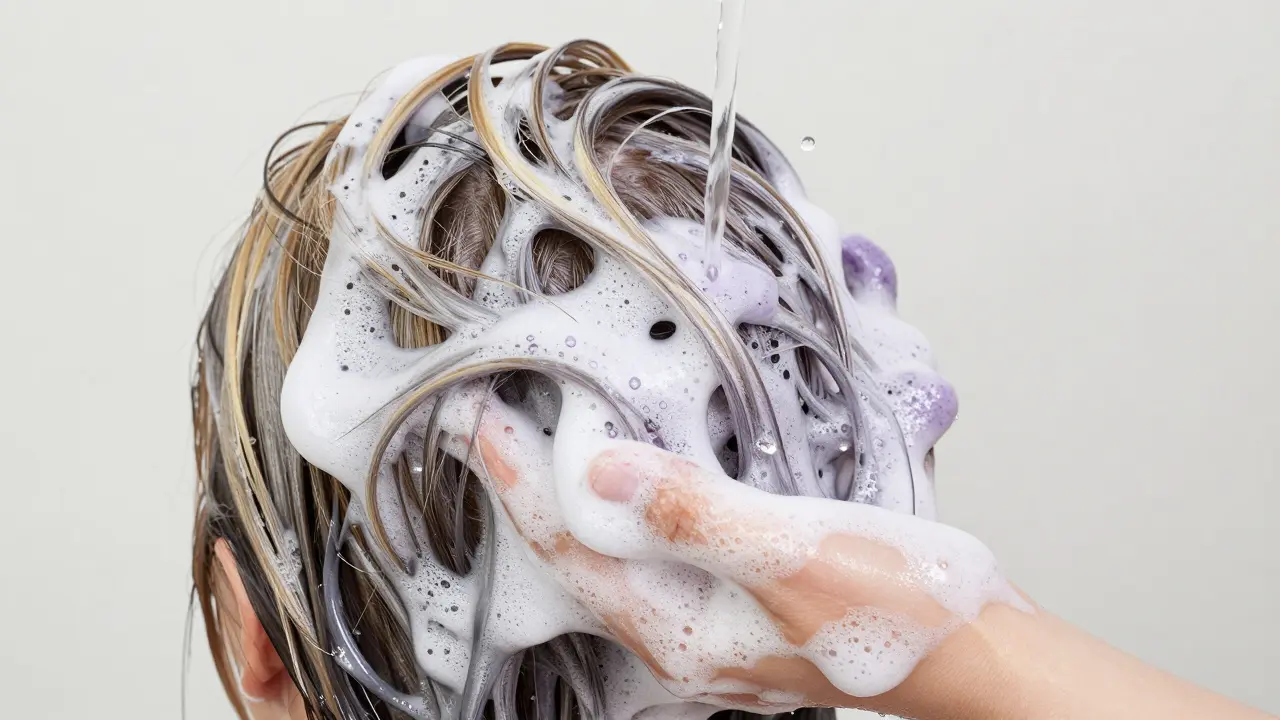
- Apply: Use the purple shampoo in place of your regular shampoo. Work it from the roots down to the ends to create a rich lather.
- Timing: Let it sit for the recommended time (usually 2-5 minutes). If it's your first time using a specific brand, start with 2 minutes to see how your hair reacts.
- Rinse: Wash it out thoroughly with cool or lukewarm water.
- Hydrate: Always follow up with a coordinating conditioner. Because purple shampoos can be slightly drying, moisture is essential to keep the hair cuticle closed and the color locked in.
What to Do if Your Hair Turns Purple
It happens to the best of us. If you overdid it and now have a purple cast, don't panic and definitely don't try a weird DIY chemical remedy you found on a forum. The simplest fix is to wash your hair a few times with a regular, clarifying shampoo. If you have an anti-dandruff shampoo, use that; they tend to be a bit more aggressive at stripping away surface pigments without damaging the hair.
After a few washes, the purple tint should fade. Once it's gone, take a break from the purple shampoo for a week or two. This gives your hair a chance to "reset" and ensures you don't end up in the same cycle of over-toning.
Advanced Maintenance: Masks and Conditioners
If you find that shampooing once a week isn't enough, or if your hair feels too dry, consider a purple hair mask. A hair mask provides a higher concentration of moisturizing agents and pigments. Using a mask once a week can deeply nourish your strands while neutralizing brassiness more effectively than a shampoo alone.
Consistency is key. You don't need to use purple shampoo every single day-that would likely make your hair too dull or too purple. Instead, use it once every 3-4 washes. This keeps the tone cool without overwhelming the natural dimension of your hair color.
Can I use purple shampoo every day?
No, it's not recommended. Using it daily can lead to over-toning, which may leave your hair looking dull, grayish, or even purple. It can also strip moisture from your hair, making it brittle. Stick to using it once a week or every few washes.
Does purple shampoo work on dark brown hair?
Yes, but the effect is different. On dark brown hair, it helps neutralize warm, brassy yellow tones to create a cooler, more neutral brown. It won't make your hair blonde, but it stops the "orange" cast that often happens as brown dye fades.
Will purple shampoo fade my professional color?
Purple shampoo doesn't "fade" the color in the traditional sense, but because it deposits pigment, it can change the tone. If used too frequently, it can make a bright blonde look muted. This is why waiting two weeks after your salon visit is important.
Is purple shampoo the same as blue shampoo?
Not quite. Purple shampoo targets yellow tones (perfect for blondes). Blue shampoo targets orange tones (better for light brown or dark blonde hair). If your hair looks orange, go for blue; if it looks yellow, go for purple.
Can I use purple shampoo on virgin hair?
If your hair is naturally very light blonde or white, it can work. However, purple shampoo is primarily designed for hair that has been chemically lightened or bleached. On naturally dark hair, it will have virtually no visible effect.
Next Steps for Your Hair Journey
If you're unsure if your hair is actually "brassy" or just has warm reflections, the best move is to send a photo to your stylist. They can tell you if you're ready for purple shampoo or if you need a professional gloss treatment instead.
For those with extremely damaged hair from bleaching, focus on a protein-based treatment before starting your toning routine. This fills in the gaps in your hair cuticle, meaning the purple pigment will distribute more evenly and you'll avoid those dreaded purple patches on your ends.