
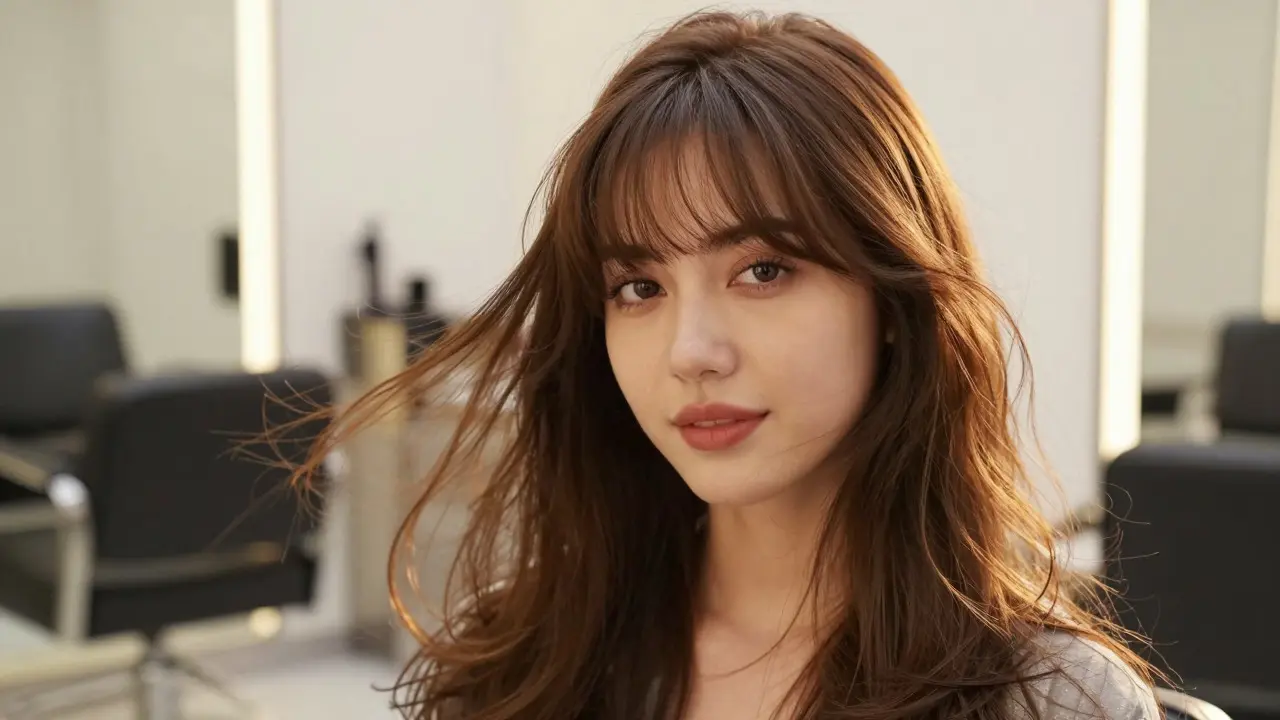
Walk into any salon or scroll through your social media feed, and you’ll notice a distinct shift. The severe, geometric cuts of the past decade are melting away, replaced by softer, more organic shapes. At the center of this transformation is one specific hairstyle: bangs. But are they actually coming back, or is it just a fleeting moment for influencers? If you’re wondering whether to chop off that forehead coverage, the answer isn’t a simple yes or no. It’s about *which* bangs. While the micro-bangs and heavy curtain walls of the early 2010s have largely faded, a new era of **fringe** has arrived-one that prioritizes versatility, low maintenance, and natural movement.
The current landscape of hair trends is defined by a desire for ease. We’ve moved past the high-maintenance routines that required blow-drying every single strand into place. Today’s popular styles work with your hair’s natural texture, whether you have tight curls, fine waves, or straight locks. This shift explains why certain types of bangs are dominating salons while others are gathering dust in the trend graveyard. Understanding this distinction is crucial before you sit in the stylist's chair.
The Rise of Curtain Bangs: Why They Are Everywhere
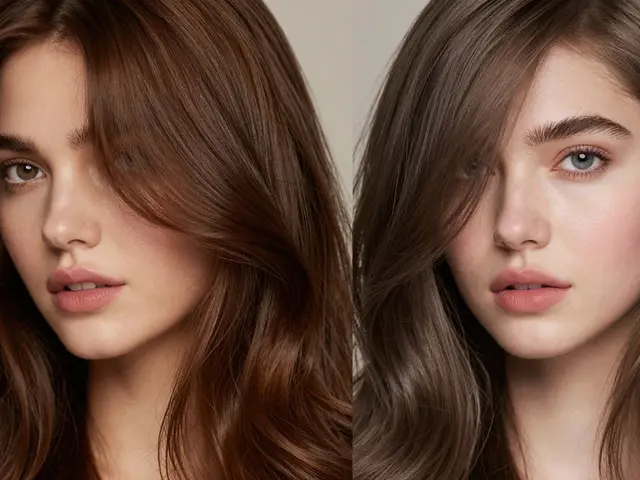
If there is one style that defines the current return of bangs, it is curtain bangs. These are longer, side-parted bangs that frame the face like curtains, blending seamlessly into the rest of the hair. Unlike traditional bangs that stop at the eyebrows, curtain bangs typically fall between the cheekbones and the jawline. They were popularized in the 1970s by icons like Farrah Fawcett and Stevie Nicks, but their modern resurgence feels entirely fresh because of how they are cut and styled today.
The reason curtain bangs have taken over is simple: they are forgiving. A bad day with flat ironing won’t ruin them. In fact, they look better when they’re slightly messy. They add volume to the crown without adding weight to the ends, which makes them ideal for people with fine hair who want more body. For those with thick hair, they break up the heaviness around the face, creating a softer silhouette. Because they blend into your mid-lengths, growing them out is painless. You don’t have to endure the awkward "half-bang" phase where you’re constantly clipping hair back.
| Style | Maintenance Level | Best Hair Type | Growth Out Difficulty |
|---|---|---|---|
| Curtain Bangs | Low | All textures | Easy (blends in) |
| Blunt Bangs | High | Straight/Wavy | Hard (awkward phase) |
| Wispy/Airy Bangs | Medium | Fine/Thin | Medium |
| Micro Bangs | Very High | Straight | Very Hard |
Who Should Wear Curtain Bangs?
The beauty of curtain bangs is their adaptability to different face shapes, but knowing how to tailor them matters. If you have an oval face, you can wear almost any variation. However, if you have a round face, ask your stylist for longer curtain bangs that start lower on the cheekbone to elongate the features. For square faces, soft, textured ends help soften the jawline. Heart-shaped faces benefit from bangs that are fuller at the temples and taper toward the ears, balancing a wider forehead.
Texture plays a huge role too. People with curly hair often worry that bangs will shrink and become unmanageable. With curtain bangs, however, the length allows the curl pattern to form naturally without bunching up on the forehead. The key is cutting them dry or damp to see exactly how much shrinkage occurs. Straight-haired individuals might need to use a round brush or a velcro roller to create that signature swoop, but once set, they hold well throughout the day.
Other Fringe Trends Gaining Momentum
While curtain bangs lead the pack, they aren’t alone. Several other variations of fringe are seeing a revival, each catering to different aesthetics and lifestyles.
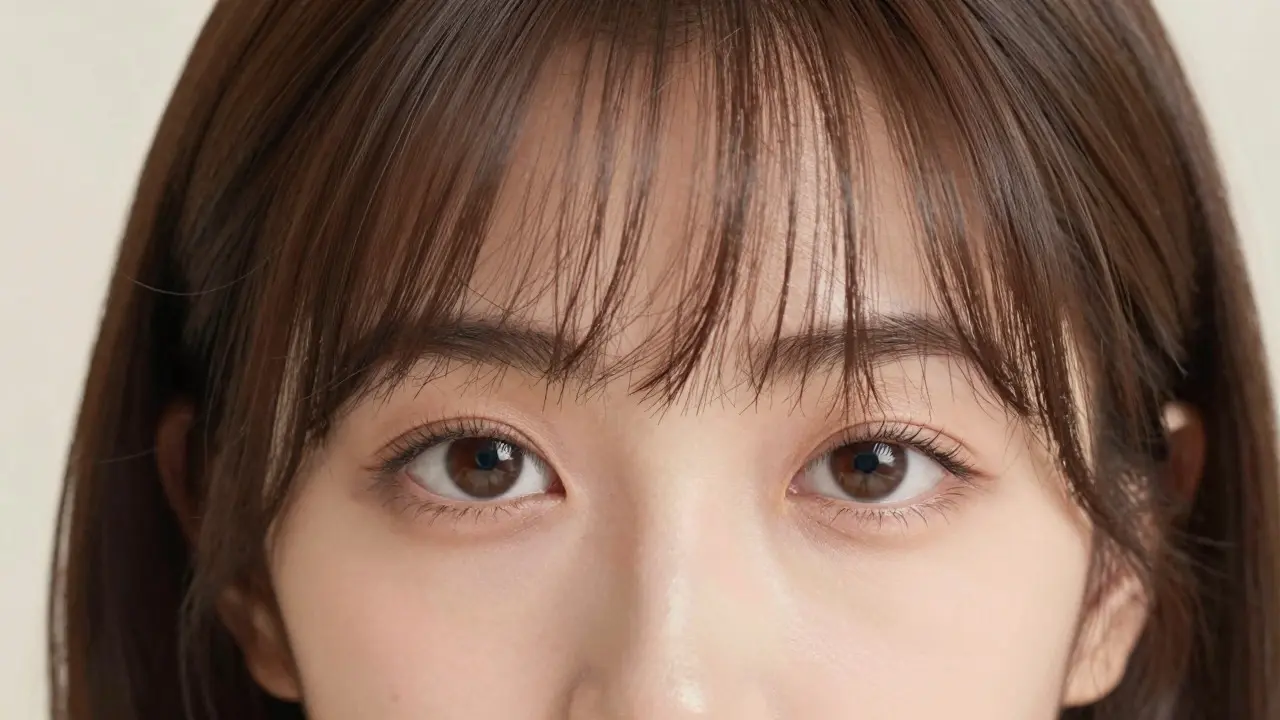
Wispy Bangs: Also known as air bangs, these are thin, see-through strands that hover above the eyebrows. They originated in East Asian beauty trends and have crossed over globally because they offer the look of bangs without the commitment. They are perfect for people who hate having hair in their eyes but want some framing around the face. They require minimal trimming since they grow out invisibly into side-swept layers.
Blunt Bangs (The Modern Cut): Yes, even blunt bangs are back, but they are different now. The harsh, helmet-like cuts of the past are gone. Today’s blunt bangs are cut slightly higher and often paired with shaggy layers underneath. This combination keeps the boldness of the line but adds movement so the hair doesn’t look stiff. This style works best for those with straight or wavy hair who enjoy a polished, editorial look.
Face-Framing Layers: Sometimes, what people call "bangs" are actually just aggressive face-framing layers. These aren’t true bangs because they don’t cover the forehead, but they serve the same purpose: drawing attention to the eyes and cheekbones. For those hesitant to commit to actual bangs, asking for "face-framing pieces" is a safer entry point.
How to Maintain Your New Look
Getting the cut is only half the battle. Keeping bangs looking good requires a slight adjustment to your daily routine. The biggest mistake people make is washing their bangs separately every day. This strips natural oils and leads to frizz. Instead, try spot-cleaning with a damp cloth or using dry shampoo specifically on the roots of the bangs to absorb oil without weighing down the lengths.
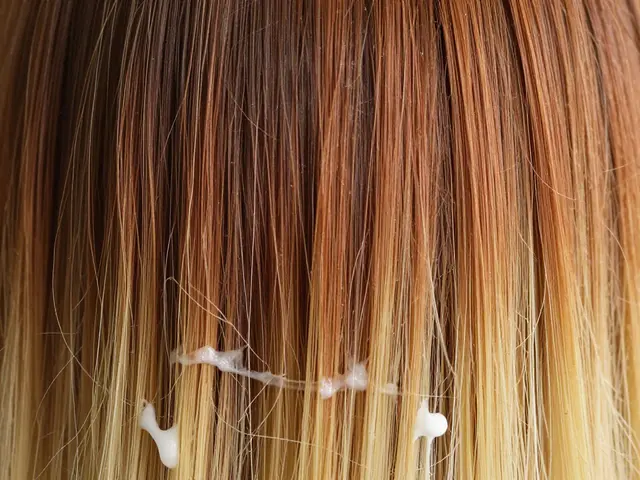
Styling products matter immensely. Heavy gels will make fine bangs clump together. Opt for lightweight mousses or sea salt sprays to add texture and grip. When blow-drying, always direct the airflow downward to smooth the cuticle. For curtain bangs, use a round brush to pull the hair away from the face while applying heat, then let it cool in that position before releasing it. This sets the shape so it lasts longer.
Trimming frequency depends on the style. Blunt bangs need a trim every three to four weeks to maintain the line. Curtain bangs can go six to eight weeks between trims because they blend into the rest of the hair. Wispy bangs rarely need professional trims; you can often manage them at home with small scissors.

Common Mistakes to Avoid
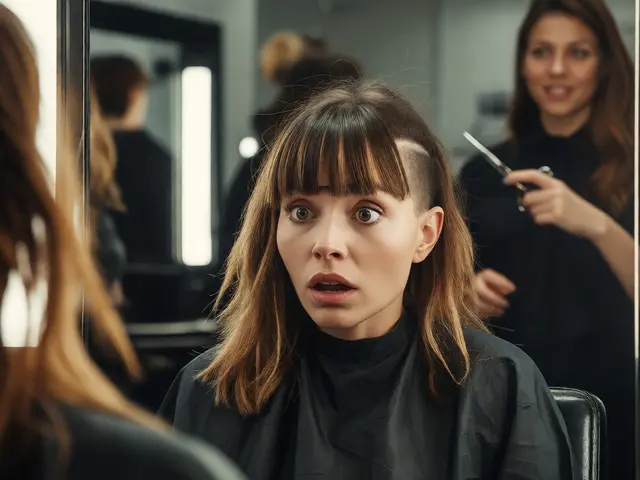
Before you book your appointment, be aware of common pitfalls. First, don’t rely solely on photos from celebrities. Their hair is styled by professionals daily. Show your stylist videos instead, which show how the hair moves and behaves in real life. Second, consider your lifestyle. If you work out daily or have young children, heavy bangs might become a nuisance. Curtain bangs or wispy styles are far more practical for active lives.
Another error is ignoring your hair’s growth pattern. If your cowlick grows upward, front-heavy bangs will fight against you every morning. A skilled stylist will cut around your cowlick, perhaps opting for a side part or longer length to accommodate the natural direction of growth. Finally, don’t forget about makeup. Bangs change how light hits your face. You may need to adjust your contouring or highlight placement to ensure your features still pop under the new frame.
The Verdict on Bangs in 2026
So, are bangs coming back? They never really left; they just evolved. The rigid, high-maintenance styles of the past have been replaced by flexible, textural options that fit into modern life. Curtain bangs remain the king of this new wave due to their universal appeal and low upkeep. Whether you choose wispy strands for a subtle change or go full-blunt for a dramatic update, the key is choosing a style that aligns with your hair type and daily routine. The trend isn’t just about following fashion; it’s about finding a look that enhances your natural features without becoming a chore.
Do curtain bangs make your face look thinner?
Yes, curtain bangs can create the illusion of a slimmer face. By framing the sides of the face and drawing the eye vertically along the cheekbones, they add structure and balance. This is particularly effective for round or square face shapes, as the vertical lines counteract width.
How long do curtain bangs take to grow out?
Curtain bangs are designed to grow out easily because they blend into your mid-length layers. Typically, it takes about 3-4 months for them to fully integrate into the rest of your hair, during which time they simply become face-framing layers rather than distinct bangs.
Can I get bangs if I have thin hair?
Absolutely. Thin hair often benefits from bangs because they add volume to the top of the head. Wispy or curtain bangs are ideal choices as they don’t weigh down fine strands. Avoid heavy, blunt cuts which can look sparse on thin hair.
What is the difference between curtain bangs and face-framing layers?
Curtain bangs are shorter sections at the front that part in the middle and sweep to the sides, usually ending near the cheekbones or jaw. Face-framing layers are longer pieces cut throughout the perimeter of the hair to add movement around the face, but they don't necessarily cover the forehead.
Will bangs work for curly hair?
Yes, bangs can look great on curly hair, but the cut must account for shrinkage. Curtain bangs are often the safest bet because their length allows curls to form without bunching. It is crucial to have them cut dry or damp so the stylist can see the true curl pattern.