
People use Gatsby wax every day to shape their hair, lock in styles, and get that polished look. But if you’ve been using it for weeks or months, you might’ve wondered: Does Gatsby wax damage hair? The answer isn’t simple. It doesn’t melt your hair off, but it can hurt your hair’s health if you use it wrong.
What’s in Gatsby wax?
Gatsby wax isn’t one formula-it’s a line of products with different textures and hold levels. Most versions contain petroleum jelly, beeswax, paraffin, and synthetic polymers. These ingredients give the hold and shine you want. But they’re also heavy. Unlike water-soluble gels or clay-based products, wax doesn’t wash out easily with just water. You need shampoo-preferably a clarifying one-to fully remove it.
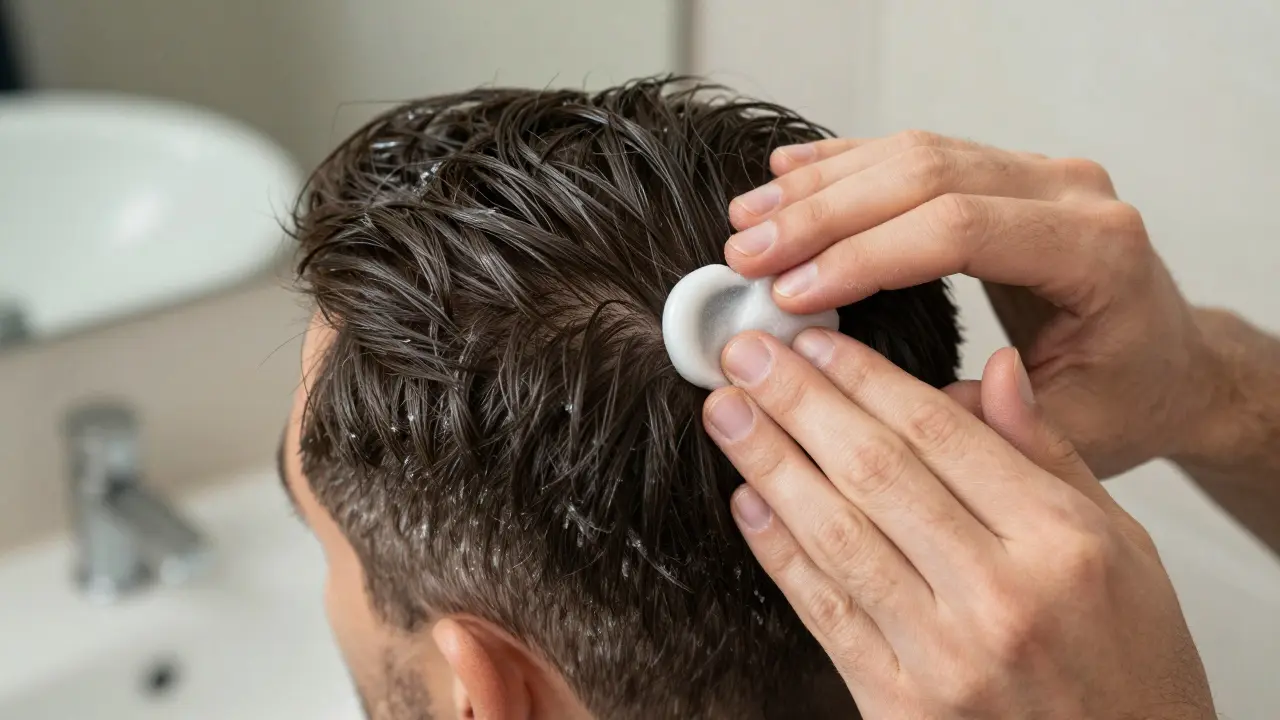
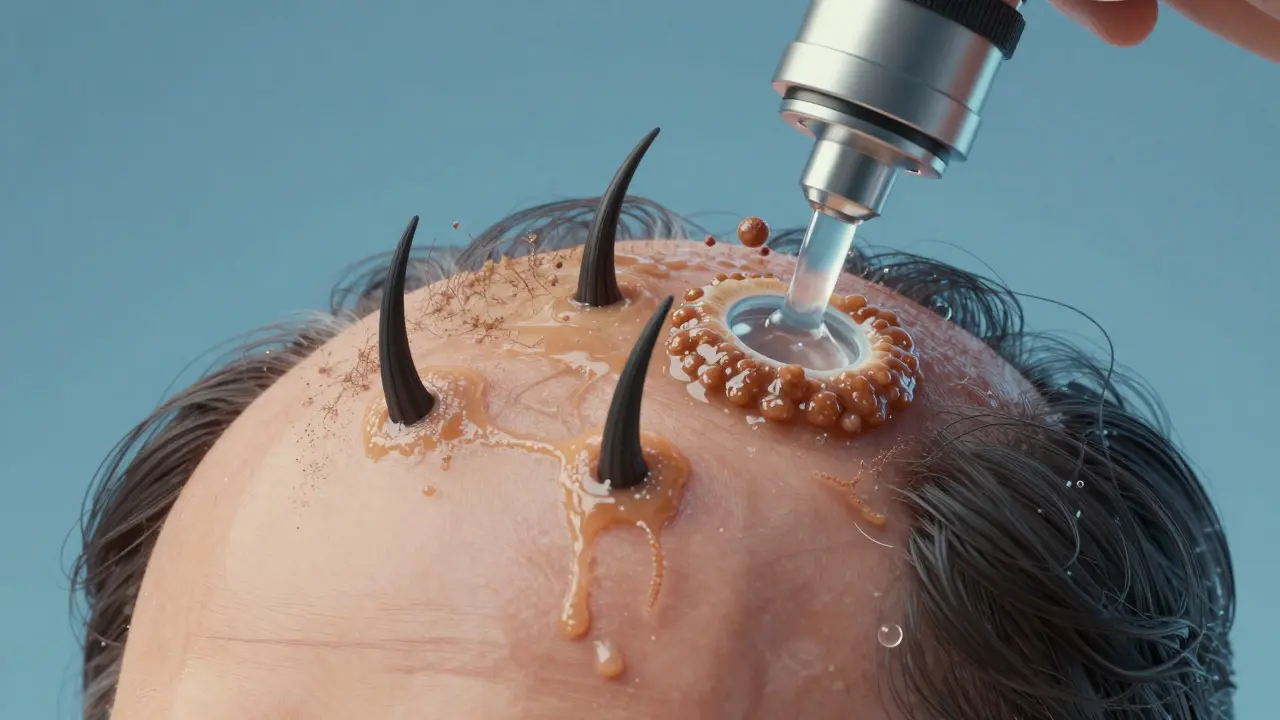
That’s where the problem starts. If you don’t wash it out properly, residue builds up on your scalp and hair shaft. Over time, this buildup clogs pores, weighs hair down, and makes it look greasy even after washing. It also traps dirt and oil, which can irritate the scalp and lead to flaking or itchiness.
How wax affects hair structure
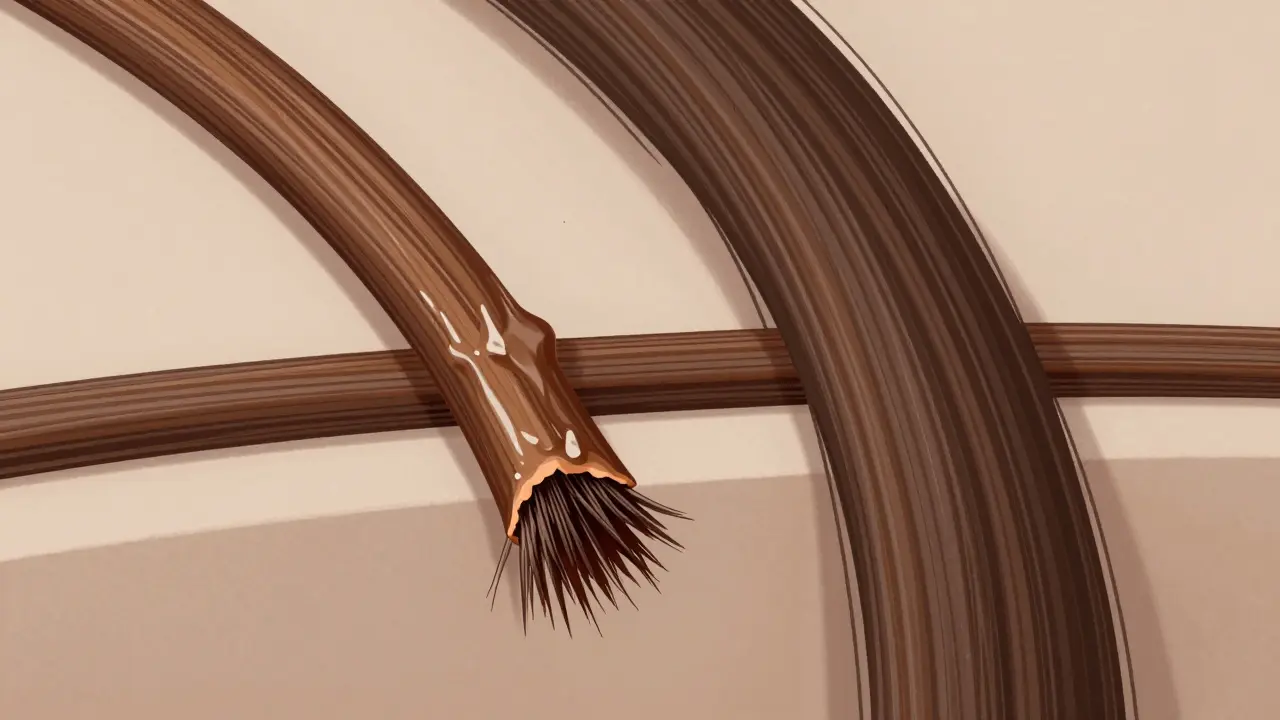
Your hair is made of keratin, a protein that gets weaker when exposed to constant stress. Daily wax application doesn’t chemically break down keratin like bleach or heat tools do. But it creates physical stress. Wax makes hair stiff and rigid. When you run your fingers through it or try to restyle, you’re pulling on hair that’s locked in place. That constant tugging can cause breakage, especially at the ends where hair is already fragile.
Studies on hair styling products show that heavy waxes increase friction between strands. That friction leads to cuticle damage-the outer layer of your hair that protects the inner structure. Once the cuticle lifts or wears away, hair becomes dry, frizzy, and more prone to split ends. In a 2023 study by the International Journal of Trichology, participants who used wax-based products daily for six weeks saw a 22% increase in cuticle lifting compared to those using water-based gels.
Scalp health matters more than you think
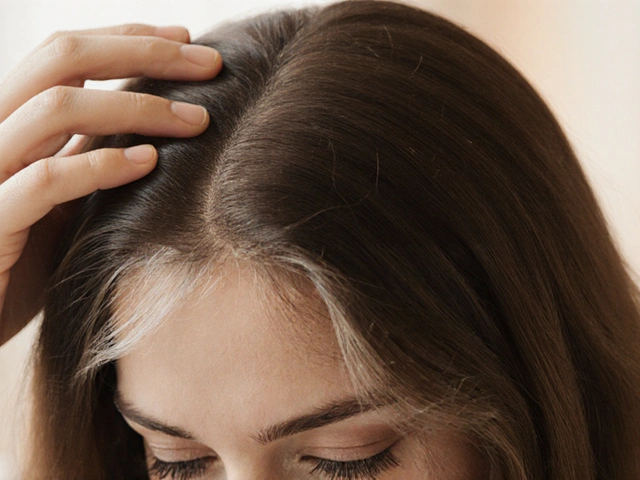
Most people focus on how wax looks on their hair. But the real damage often starts at the scalp. Wax residue blocks sebum-the natural oil your scalp produces to keep hair moisturized. When sebum can’t flow freely, your scalp gets dry. In response, it overproduces oil, creating a cycle of greasiness and flakiness.
That buildup also creates a breeding ground for bacteria and fungi. Dermatologists have linked long-term wax use to mild folliculitis-small red bumps around hair follicles that look like acne. It’s not serious, but it’s uncomfortable and hard to fix if you keep using the same product.
Who’s most at risk?
Not everyone will see damage. But some people are more vulnerable:
- People with fine or thin hair-wax weighs hair down, making it look limp and lifeless. It doesn’t add volume; it kills it.
- Those with curly or textured hair-wax disrupts natural curl patterns and causes frizz when it dries unevenly.
- Anyone who skips shampooing-if you only rinse with water or use dry shampoo to cover up greasiness, wax builds up fast.
- Teens and young adults-they often use wax daily without knowing how to remove it properly.
If you’re in one of these groups, you’re more likely to notice negative effects within a few weeks.
How to use Gatsby wax without damaging hair
You don’t have to quit wax entirely. You just need to use it smarter.
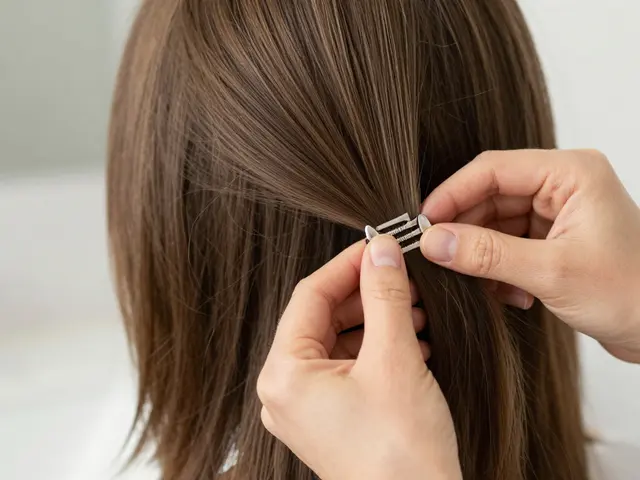
- Use less than you think-a pea-sized amount is enough for short hair. For longer styles, use no more than a dime-sized blob. More doesn’t mean better hold.
- Apply to dry, clean hair-wax doesn’t stick well to oily hair. Wash and towel-dry before styling.
- Wash it out every night-don’t sleep in wax. Use a sulfate-free shampoo daily, and switch to a clarifying shampoo once a week to remove buildup.
- Don’t reapply on top of old wax-if you restyle during the day, brush out the old wax first. Adding more on top just layers the residue.
- Try alternatives for daily use-switch to lightweight pomades, clay-based products, or texturizing sprays on non-important days.
Signs your wax is harming your hair
Watch for these red flags:
- Your hair feels stiff, brittle, or crunchy even after washing
- You notice more breakage when brushing or combing
- Your scalp itches or flakes despite using conditioner
- Your hair looks dull or greasy even after shampooing
- Styling takes longer because hair won’t respond like it used to
If you see two or more of these, take a break from wax for at least two weeks. Use only water-based or oil-free products during that time. You’ll likely notice your hair feeling lighter and more responsive.
What to use instead
You want hold? You want shine? There are better options.
Clay-based products like Bumble and bumble Sumo Wax give strong hold without the grease. They’re water-soluble, so they wash out easily. Pomades with natural oils (like jojoba or argan) condition while styling. Texturizing sprays add grip and volume without residue. Brands like Moroccanoil, Ouai, and Amika offer lightweight formulas that don’t weigh hair down.
For daily use, go for products labeled ‘non-greasy,’ ‘water-soluble,’ or ‘buildup-free.’ Read the ingredient list. If you see ‘petrolatum,’ ‘mineral oil,’ or ‘paraffin’ near the top, skip it.
Bottom line: Wax isn’t evil-but misuse is
Gatsby wax doesn’t destroy hair overnight. But if you use it every day without cleaning properly, it slowly weakens your hair and irritates your scalp. It’s like brushing your teeth with sugar paste every day-you won’t get cavities right away, but over time, the damage adds up.
The key is balance. Use wax for special occasions or when you need strong hold. On regular days, choose gentler products. Wash your hair thoroughly. Give your scalp a break. Your hair will thank you with more volume, less breakage, and a healthier shine.
Does Gatsby wax cause hair loss?
Gatsby wax doesn’t cause hair loss directly. But if you use it daily without washing it out, buildup can clog hair follicles. This can lead to temporary thinning because hair can’t grow properly through the residue. Once you stop using wax and clean your scalp, hair usually returns to normal. True hair loss from genetics or hormones won’t be fixed by stopping wax, but wax misuse can make thinning look worse.
Can I use Gatsby wax on wet hair?
No. Wax is designed for dry hair. Applying it to wet hair traps moisture underneath, leading to uneven drying and frizz. It also makes the product harder to distribute evenly, so you’ll need more to get the same hold-increasing buildup. Always towel-dry your hair first, then apply.
Is Gatsby wax safe for colored hair?
It’s not ideal. Heavy waxes can dull color over time by coating the hair shaft and blocking moisture. They also make it harder for conditioners to penetrate, which leads to dryness. If you have colored hair, use water-soluble styling products instead. They won’t strip color, but they’ll still give you hold without the residue.
How often should I use clarifying shampoo with wax?
If you use Gatsby wax daily, use a clarifying shampoo once a week. If you use it 2-3 times a week, once every two weeks is enough. Clarifying shampoos remove buildup without stripping natural oils. Don’t use them every day-they’re too strong for daily use and can dry out your scalp.
What’s the best way to remove Gatsby wax?
Start with a sulfate-free shampoo and massage your scalp for at least one minute. Rinse with warm-not hot-water. If your hair still feels greasy, repeat. For stubborn buildup, apply a small amount of coconut oil to your scalp, leave it on for 10 minutes, then wash with shampoo. The oil helps dissolve the wax without damaging hair.