
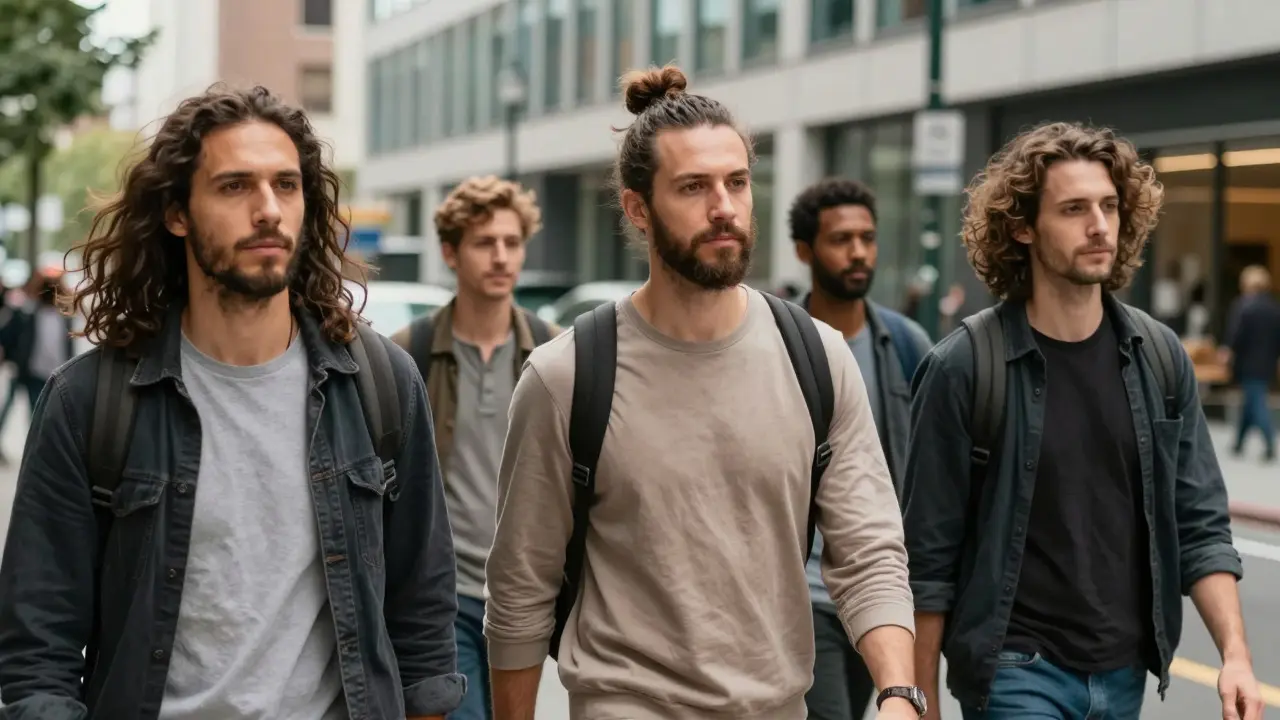
Walk through any major city today, and you’ll notice a shift. The clean-cut corporate look is sharing space with flowing locks, man buns, and shoulder-length waves. It’s not just a rebellion against the office; it’s a statement. But why do men leave their hair long? Is it purely aesthetic, or is there a deeper current driving this trend?
The answer isn’t simple. It’s a mix of personal expression, cultural heritage, practical convenience, and increasingly, ethical considerations. As we move further into 2026, the conversation around male grooming has expanded beyond just 'how to style' to 'what does this choice say about me?'
The Rejection of Rigid Gender Norms
For decades, short hair was synonymous with masculinity in many Western cultures. Military standards, corporate dress codes, and social expectations enforced this norm. Growing your hair out was often seen as lazy, unprofessional, or even counter-cultural.
Today, that narrative is crumbling. Men are rejecting the idea that their appearance must conform to a specific template to be respected. Long hair on men is a visible symbol of breaking free from traditional gender constraints. It signals comfort in one’s own skin and a refusal to adhere to outdated rules about what a 'man' should look like.
This shift is particularly strong among younger generations who prioritize authenticity over conformity. You see it in tech hubs, creative industries, and even mainstream offices. The stigma is fading, replaced by an appreciation for individuality.
Cultural Heritage and Identity
For many men, keeping long hair is deeply tied to ancestry and identity. In Indigenous cultures across North America, for example, long hair is often viewed as a sacred connection to family lineage and spiritual strength. Cutting it can feel like severing a vital link to heritage.
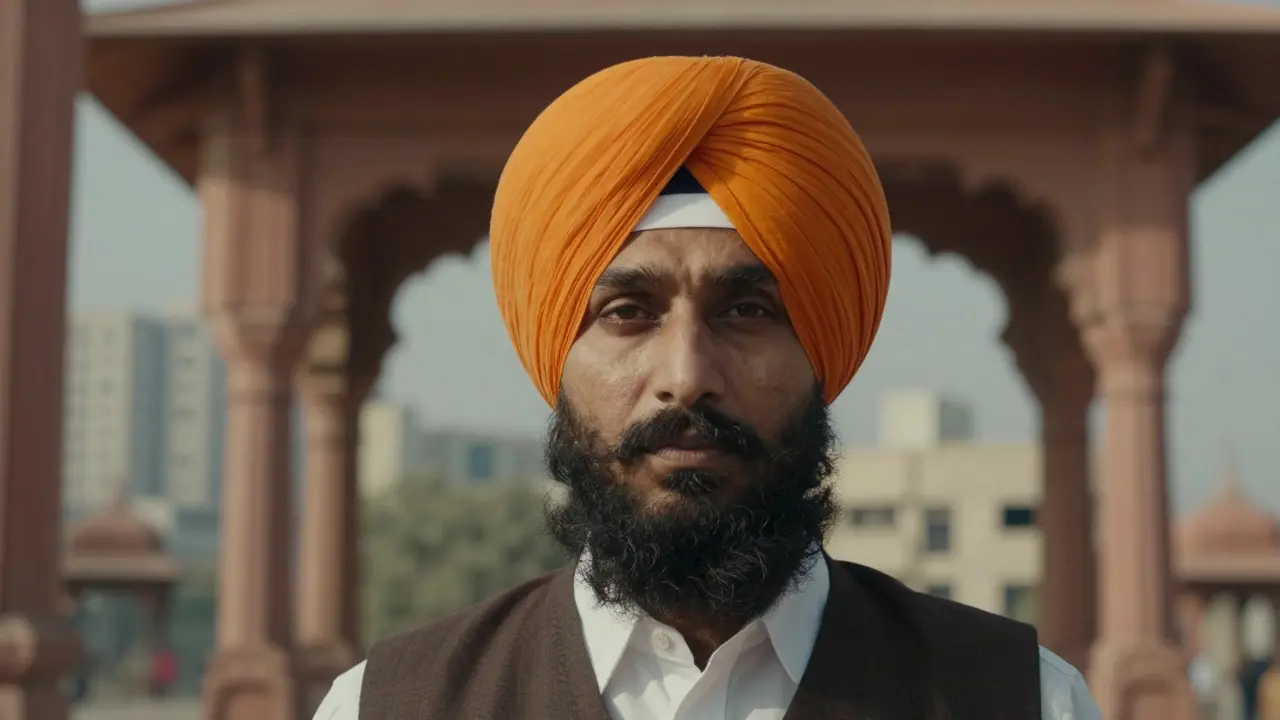
Similarly, in South Asian and Middle Eastern traditions, long hair has historical significance, often associated with wisdom, status, or religious devotion. Sikh men, who keep their hair uncut (Kesh) as one of the Five Ks, wear turbans not just as a fashion accessory but as a daily practice of faith and respect.
When men from these backgrounds choose to grow their hair, they aren’t just following a trend; they are reclaiming and honoring their roots. This aspect of the trend adds a layer of depth that goes far beyond aesthetics.
Practicality and Low-Maintenance Appeal
Let’s talk about the mundane reality: time. Short hair requires frequent barber visits. If you want a sharp fade or a precise cut, you’re looking at appointments every three to four weeks. That’s twelve to sixteen times a year. For busy professionals, fathers, or travelers, that’s a significant commitment of both time and money.
Long hair, once past the awkward growing-out phase, can be surprisingly low-maintenance. A quick wash, some conditioner, and maybe a light styling product can keep it looking good for days. Many men find that after the initial effort of growing it out, long hair actually saves them hours each month compared to regular salon visits.
Plus, there’s versatility. Long hair can be tied back in a bun or ponytail when working out, cooking, or doing manual labor. It keeps hair out of your face without needing a haircut every few weeks. It’s functional, adaptable, and honest.
The Rise of Ethically Sourced Beauty Standards
Here’s where things get interesting. As men embrace longer hairstyles, they also become more aware of the products they use and the extensions or wigs they might incorporate. This ties directly into the growing demand for ethically sourced hair care products and human hair extensions obtained through fair trade practices.
The hair industry has long been criticized for exploitative labor practices, particularly in regions where hair is harvested. Women in developing countries have sometimes been misled about donations, only to have their hair sold for profit without consent. Men entering the long-hair community are increasingly conscious of this.
Whether you’re using natural hair growth serums, shampoos, or considering hairpieces for volume or style, the question 'where did this come from?' matters. Ethically sourced means:
- Fair wages for collectors and processors
- Transparent supply chains
- No exploitation or deception of donors
- Eco-friendly packaging and production methods
Brands that prioritize ethics are gaining traction. Men who care about sustainability in their clothing and food choices are now extending that mindset to their grooming routines. It’s no longer enough to look good; you want to know your routine doesn’t harm others.
Health Benefits and Hair Health Awareness
There’s also a physical component. Some men discover that cutting their hair too frequently damages the ends, leading to split ends and breakage. By letting hair grow, they allow the natural oils produced by the scalp to travel down the shaft, conditioning the hair naturally.
Additionally, long hair can protect the scalp from sun exposure. Think of it as a natural hat. In sunny climates like Houston, where I live, this is a genuine benefit. Reduced UV damage means less risk of scalp cancer and slower aging of the skin.
Moreover, the act of caring for long hair encourages better overall hygiene habits. Regular washing, conditioning, and brushing promote blood circulation to the scalp, which can support healthier hair growth. It’s a positive feedback loop: care leads to health, which leads to confidence.
| Factor | Short Hair | Long Hair |
|---|---|---|
| Frequency of Cuts | Every 3-4 weeks | Every 3-6 months (trimming) |
| Daily Styling Time | 5-10 minutes | 2-5 minutes (after initial learning curve) |
| Product Usage | Gels, pomades, clippers | Conditioners, oils, brushes |
| Cost Over Year | $300-$600 (barber visits) | $50-$150 (products + occasional trims) |
| Versatility | Limited styles | Buns, braids, loose, tied back |

Social Perception and Confidence
Despite progress, some men still worry about how long hair will be perceived. Will they seem unprofessional? Too bohemian? Not serious enough? These fears are understandable but often overstated.
In reality, well-groomed long hair projects confidence. It shows you’ve committed to a look and maintained it. Employers and peers are increasingly judging competence based on skills and results, not hair length. In fact, in creative fields, long hair can signal innovation and non-conformity-traits highly valued in modern workplaces.
Confidence comes from owning your choice. When you stop apologizing for your appearance, people notice. They respect the self-assurance. That’s why so many men report feeling more empowered after growing their hair out. It’s not just about hair; it’s about claiming space and visibility.
How to Start Growing Your Hair Out
If you’re inspired to try long hair, here’s how to begin without frustration:
- Be patient. The first three to six months are the hardest. Hair looks uneven, frizzy, and awkward. Embrace the 'ugly duckling' phase.
- Invest in good products. Use sulfate-free shampoo and moisturizing conditioner. Look for ethically sourced brands if possible.
- Get regular trims. Yes, even if you’re growing it out. Trimming split ends prevents breakage and keeps hair healthy.
- Learn basic styling. Watch tutorials on how to tie a neat bun or manage flyaways. A little knowledge goes a long way.
- Protect your hair. Use silk pillowcases to reduce friction, and avoid excessive heat styling.
Remember, everyone’s hair grows differently. Genetics play a role. Some men experience faster growth than others. Focus on consistency rather than speed.
Is long hair suitable for all hair types?
Yes, but maintenance varies. Straight hair may tangle less, while curly or coily hair needs more moisture and detangling care. All types can grow long with proper attention.
Does long hair make you look older?
Not necessarily. Well-maintained long hair can look youthful and vibrant. Poorly cared-for hair, regardless of length, tends to age its wearer. Focus on health and cleanliness.
Are ethically sourced hair products worth the extra cost?
For many consumers, yes. Ethical sourcing ensures fair labor and environmental responsibility. While prices may be higher, the impact on communities and ecosystems justifies the investment for conscious buyers.
Will my boss mind if I grow my hair long?
It depends on workplace culture. Most modern companies focus on performance over appearance. However, check your employee handbook or observe colleagues’ styles before making a change.
How long does it take to grow hair to shoulder length?
On average, hair grows about half an inch per month. To reach shoulder length from a short cut, expect 18 to 24 months of consistent growth and care.