
You want that glossy, bouncy look. You want length without the years of waiting. But when you pick up a bundle of human hair extensions is hair harvested from donors specifically for use in adding volume, length, or color to natural hair, it feels different than your own strands. It might tangle more. It might shed faster. Why? The answer isn't just about price tags. It’s about where the hair came from and how it was treated before it reached your hands.
The beauty industry is vast, but the source of high-quality human hair is surprisingly specific. Most people assume all "human hair" is the same. It isn’t. The difference between a $20 bundle and a $200 bundle often comes down to two things: the donor's origin and the processing method. Understanding these sources helps you avoid cheap synthetic blends disguised as real hair and ensures you invest in something that lasts.
The Gold Standard: Virgin and Remy Hair Defined
Before we talk about geography, we need to clarify terminology. In the hair world, words like "virgin" and "Remy" are thrown around loosely, sometimes incorrectly. Knowing what they actually mean protects your wallet and your hair health.
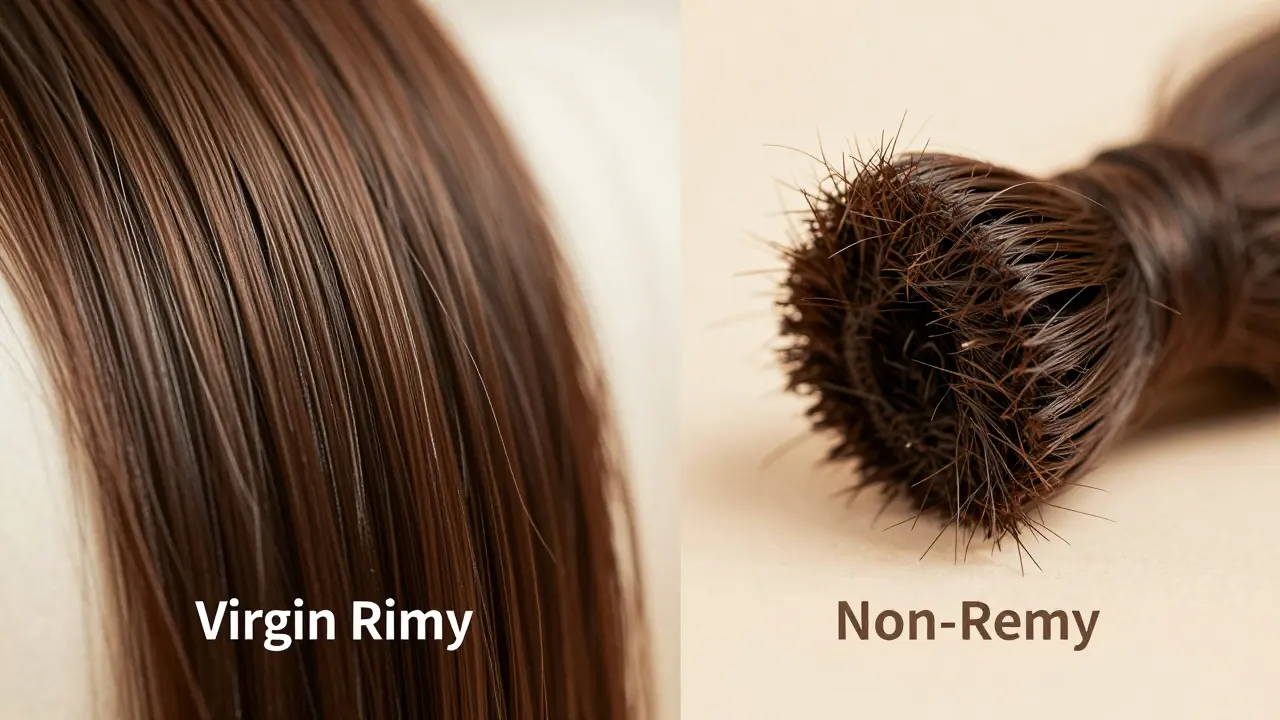
Virgin hair is hair that has never been chemically processed, dyed, permed, or bleached. This means the cuticles-the outer protective layer of the hair shaft-are intact and aligned in the same direction. Because the cuticles are sealed, the hair resists tangling and retains moisture better. Virgin hair is the most expensive type because it requires careful collection and minimal handling.
Remy hair is hair where the cuticles are kept intact and aligned, even if the hair has been colored or processed. The key here is alignment. Non-Remy hair is often scraped off the floor or collected from brushes, causing the cuticles to face random directions. This leads to friction, matting, and shedding. Remy hair mimics the natural structure of your own hair, making it blend seamlessly.
If you see "100% Human Hair" on a label but no mention of Remy or Virgin, be cautious. It could be non-Remy human hair, which will likely tangle within weeks. For high-quality results, always look for the Remy designation at minimum.
Geographic Origins: Where Does the Best Hair Come From?
Hair texture varies significantly by ethnicity and region. The "best" source depends on what matches your natural hair type. Here are the primary global sources for high-quality extensions:
| Origin | Texture Profile | Key Characteristics | Best For |
|---|---|---|---|
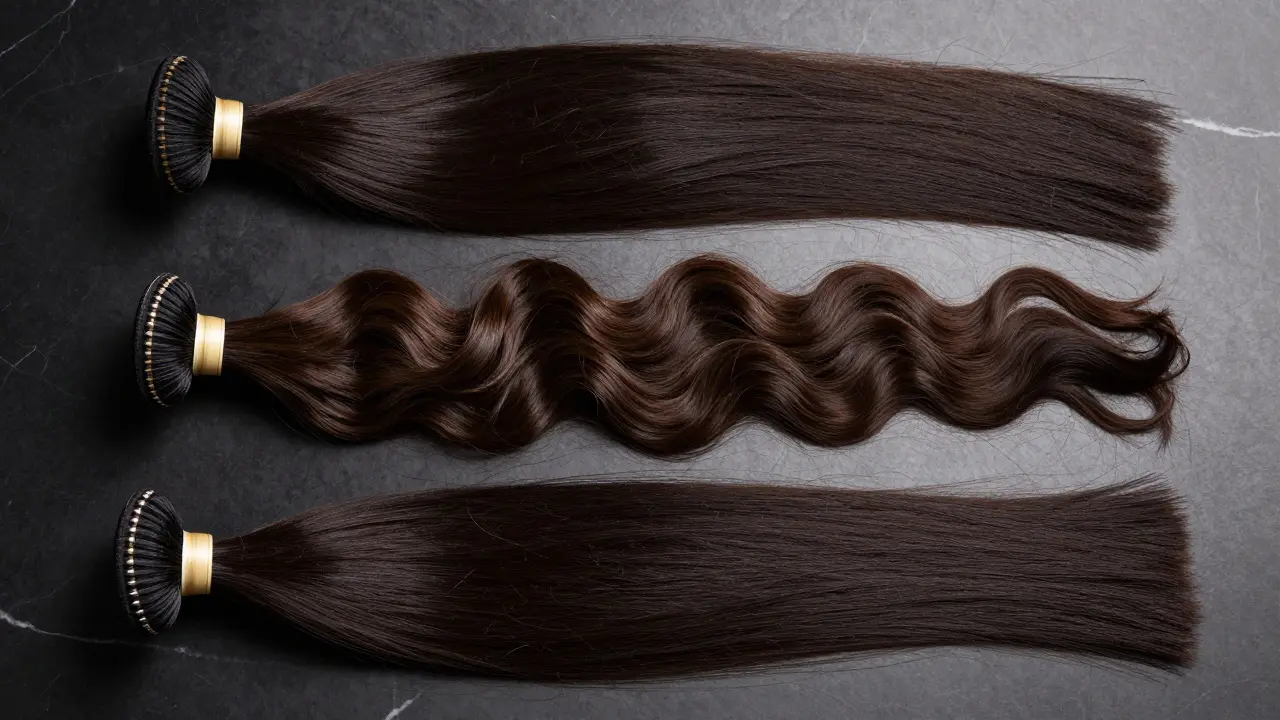
| Indian Hair | Straight to Wavy | Thick, strong, versatile; takes color well | Most hair types; coloring projects |
| Brazilian Hair | Wavy to Curly | Natural body, shiny, resilient; holds curls well | Adding volume; curly/wavy styles |
| Peruvian Hair | Straight, Silky | Fine texture, lightweight, very soft | Fine hair types; sleek looks |
| Vietnamese Hair | Straight, Coarse | Longest lengths available, durable, thick | Extreme length goals; durability |
| Mongolian Hair | Straight, Thick | Very coarse, strong, dark pigment | Thick hair types; long-term wear |
Indian Hair is arguably the most popular source globally. It comes primarily from temples in South India, where devotees offer their hair as part of religious rituals. This hair is often considered "pure" because it hasn't touched chemicals or heat tools. It’s incredibly versatile-you can straighten, curl, or dye it without much damage. However, beware of "Temple Hair" scams. Many vendors claim temple origins but mix in lower-quality scrap hair. Authentic temple hair is rare and pricey.
Brazilian Hair is marketed heavily for its bounce and shine. In reality, much of the hair labeled "Brazilian" doesn’t come from Brazil. It’s often Indian or Chinese hair that has been processed to mimic the thicker, wavier texture associated with Brazilian genetics. True Brazilian hair is coarser and has more natural body. If you have fine hair, Brazilian extensions might feel too heavy. If you have thick, curly hair, it blends beautifully.
Peruvian Hair is prized for its silkiness. It’s finer than Indian or Brazilian hair, making it ideal for people with thin or fine natural hair who want length without bulk. It’s less durable than Vietnamese hair, so it may not last as long under frequent heat styling.
Vietnamese Hair is known for being the longest and strongest. Donors in Vietnam often grow their hair for years, resulting in bundles that reach 30 inches or more. It’s coarse and straight, perfect for those wanting dramatic length. However, it can be stiff out of the box and may require conditioning to soften.
The Collection Methods: Ethical vs. Exploitative
How the hair is gathered matters just as much as where it comes from. There are three main methods, ranging from ethical to questionable:
- Donation/Temple Offerings: As mentioned, this is common in India. Women cut their hair during festivals and donate it to temples. The hair is then sold to exporters. This is generally ethical, provided the donors consent and receive fair compensation (often spiritual rather than monetary). Look for certifications or transparent supply chains.
- Commercial Sales: In countries like China, Vietnam, and Peru, women sell their hair directly to buyers. This is usually a one-time transaction. The hair is cut cleanly, preserving the root end. This method produces high-quality Remy hair because the cuticles remain intact. Ensure the seller pays fair wages to avoid exploitation.
- Scrap/Brush Hair: This is the cheapest and lowest quality. Hair is collected from salon floors, brushes, or combs. The cuticles are stripped away using harsh acids to prevent tangling. This process damages the hair shaft, leading to dryness and breakage. Avoid any vendor that doesn’t specify Remy or Virgin status-chances are, it’s scrap hair.
Ethical sourcing is becoming a bigger concern for consumers. Ask your supplier: "Where does this hair come from?" and "How was it collected?" Reputable brands will provide details. Vague answers like "imported from Asia" are red flags.

Processing: How Raw Hair Becomes Extensions
Even high-quality raw hair needs processing to become wearable extensions. Here’s what happens behind the scenes:
- Cleaning: Raw hair is washed to remove dirt, oils, and debris. Harsh shampoos can strip natural oils, so gentle cleansers are preferred.
- Sorting: Hair is sorted by length, texture, and color. This ensures consistency in each bundle. Mixed textures lead to uneven blending.
- Dyeing/Coloring: If the hair isn’t virgin, it may be dyed. High-quality vendors use ammonia-free dyes to preserve strength. Bleaching weakens hair, so bleached blonde extensions are more fragile than dark ones.
- Heat Setting: Hair is straightened or curled using heat tools. This sets the style. Overheating can cause frizz and split ends. Look for hair that feels smooth, not brittle.
- Weaving/Taping: Finally, the hair is attached to tracks, clips, or tapes. Poor adhesive quality can cause slipping or scalp irritation. Choose medical-grade adhesives for safety.
Minimal processing equals longer lifespan. Virgin hair skips the dyeing and chemical stripping steps, which is why it lasts 1-2 years with proper care, compared to 3-6 months for processed hair.
Red Flags: Spotting Low-Quality or Fake Hair
The market is flooded with misleading products. Here’s how to spot fakes:
- The Burn Test: Cut a few strands and burn them. Real human hair smells like burning protein (similar to burnt feathers) and turns to ash. Synthetic hair melts into a hard bead and smells like plastic. This is the most reliable home test.
- Price Too Good to Be True: High-quality Remy hair costs money due to labor and sourcing. If a bundle is under $30, it’s likely synthetic or non-Remy human hair.
- Tangling Immediately: If the hair tangles after one wash, the cuticles are misaligned or stripped. Remy hair should stay smooth.
- Inconsistent Texture: Run your fingers through the bundle. It should slide smoothly from root to tip. If you feel bumps or resistance, the cuticles are facing backward.
- No Return Policy: Reputable sellers stand behind their product. If they won’t accept returns, they’re hiding something.
Maintenance Tips to Maximize Longevity
Investing in high-quality hair is only half the battle. How you care for it determines its lifespan. Follow these steps to keep your extensions looking fresh:
- Wash Less Frequently: Over-washing strips natural oils. Wash every 2-3 weeks or when dirty. Use sulfate-free shampoo to prevent dryness.
- Condition Generously: Focus conditioner on the mid-lengths and ends. Avoid the roots to prevent slippage in clip-ins or tape-ins.
- Avoid Heat Damage: Use heat protectant sprays before styling. Keep temperatures below 350°F (175°C). Excessive heat breaks down the hair shaft.
- Detangle Gently: Use a wide-tooth comb or loop brush. Start from the ends and work upward. Never pull aggressively.
- Store Properly: When not wearing them, braid the hair loosely and store in a satin bag. Satin reduces friction compared to cotton.
With proper care, high-quality Remy or Virgin hair can last over a year. Cheap alternatives fall apart in months, costing you more in the long run.
Finding Reputable Suppliers
Not all vendors are created equal. To ensure you’re getting genuine high-quality hair:
- Check Reviews: Look for detailed reviews mentioning texture, longevity, and customer service. Photos from real customers are more trustworthy than stock images.
- Ask for Samples: Many reputable sellers offer small swatches. Test the texture and perform the burn test before buying full bundles.
- Verify Certifications: Some brands provide lab tests proving the hair is 100% human and Remy. This adds credibility.
- Support Ethical Brands: Companies that disclose their sourcing practices and pay fair wages contribute to sustainable industries. Look for transparency reports or partnerships with NGOs.
Building a relationship with a trusted supplier pays off. They can recommend textures that match your hair and alert you to new batches of high-quality stock.
Is human hair extensions worth the investment?
Yes, if you choose high-quality Remy or Virgin hair. While the upfront cost is higher than synthetic options, human hair lasts longer, looks more natural, and can be styled with heat. Synthetic hair degrades quickly and cannot withstand heat tools, making it a short-term solution.
Can I dye human hair extensions?
You can dye Virgin and Remy hair, but caution is needed. Virgin hair takes color best since it hasn’t been processed. Pre-colored hair may not take dye evenly. Always do a strand test first and use professional-grade, ammonia-free dyes to minimize damage.
What is the difference between Indian and Brazilian hair?
Indian hair is typically straighter, finer, and more versatile for coloring. Brazilian hair is thicker, wavier, and has more natural body. Indian hair blends well with most Asian and Caucasian hair types, while Brazilian hair suits those with thicker, curlier textures.
How do I know if my hair extensions are real human hair?
Perform the burn test. Real hair burns slowly, smells like burnt feathers, and turns to ash. Synthetic hair melts quickly, smells like plastic, and forms a hard bead. Additionally, real hair feels smoother and slides easily through fingers, while synthetic hair can feel slippery or stiff.
Are temple hair extensions ethically sourced?
Authentic temple hair is donated voluntarily by devotees as part of religious rituals, making it ethically sound. However, the market is rife with scams where low-quality scrap hair is falsely labeled as temple hair. Buy from transparent vendors who can verify the donation chain.