

You walk into a salon, or maybe you're just staring at your reflection in the bathroom mirror, wondering what the heck everyone else is doing with their hair. It feels like every time you look at Instagram or TikTok, the trend has shifted again. One minute it's all about razor-sharp bobs, and the next, everyone is growing out their bangs. If you've been asking yourself what hairstyle is popular now, you aren't alone. The good news? We are currently living through a rare moment where almost everything works. Whether you want to chop it all off or let it grow wild, there is a style that fits your vibe right now.
The biggest shift in 2026 isn't just about one specific cut; it's about intentionality. People are tired of high-maintenance looks that require an hour of styling every morning. They want hair that looks effortless but polished. This means we are seeing a move away from overly structured, stiff styles toward cuts that embrace natural texture and movement. Let's break down exactly what is trending, who it suits, and how you can pull it off without needing a professional stylist on speed dial.
The Rise of the Textured Bob
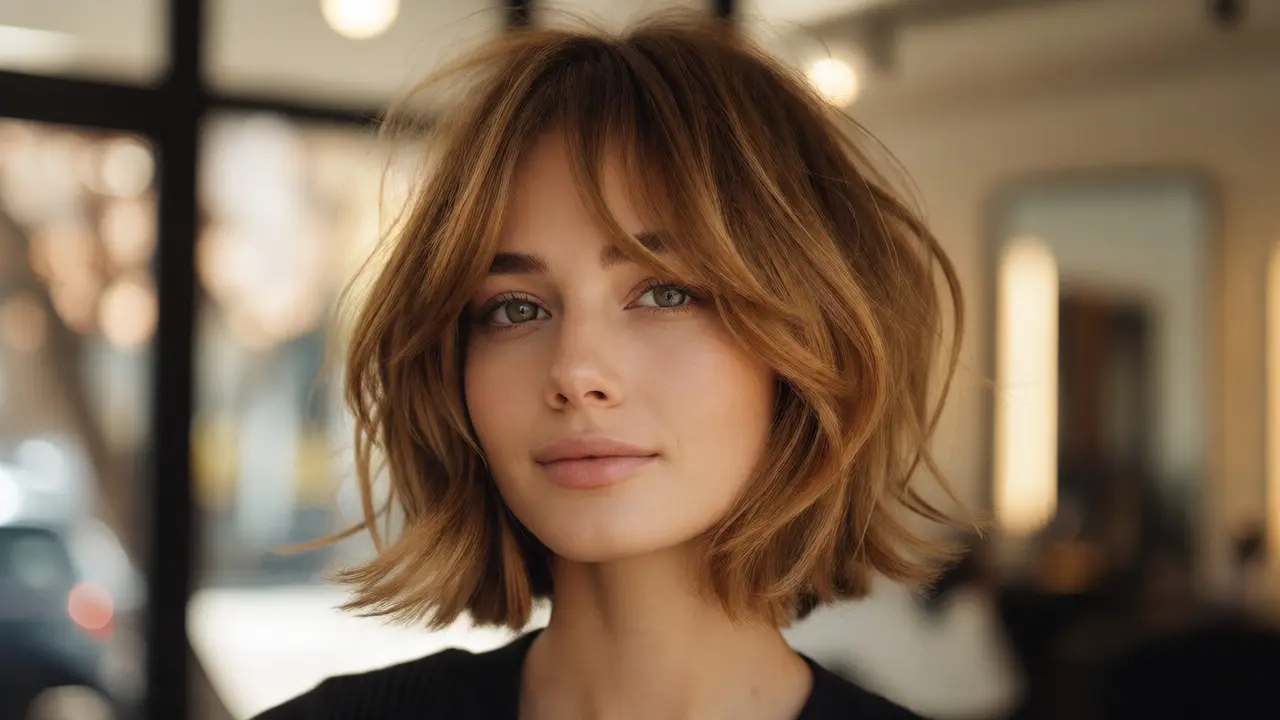
If you haven't heard of the textured bob yet, check your feed. This is arguably the most dominant short-to-medium length style right now. Unlike the sleek, blunt bobs of the early 2010s, this version is messy, layered, and alive. It’s designed to look like you just woke up looking great, not like you spent forty minutes with a flat iron.
Textured Bob is a chin-length or shoulder-grazing haircut featuring uneven layers and internal texturizing techniques to create volume and movement. It often incorporates curtain bangs or face-framing pieces to soften the jawline.
Why do people love it? Because it’s forgiving. If you have fine hair, the layers add instant volume. If you have thick hair, the texturizing removes bulk so it doesn't look like a helmet. The key here is the cut technique. Ask your stylist for "internal layering" rather than just cutting straight across. You want weight distribution to happen near the bottom, allowing the top to lift naturally.
- Best for: Oval, heart, and square face shapes.
- Maintenance Level: Low to Medium. Requires regular trims every 8-10 weeks to keep shape.
- Styling Tip: Use a sea salt spray on damp hair and scrunch. Let it air dry for that beachy, undone look.
Butterfly Cut: The Modern Layering Icon
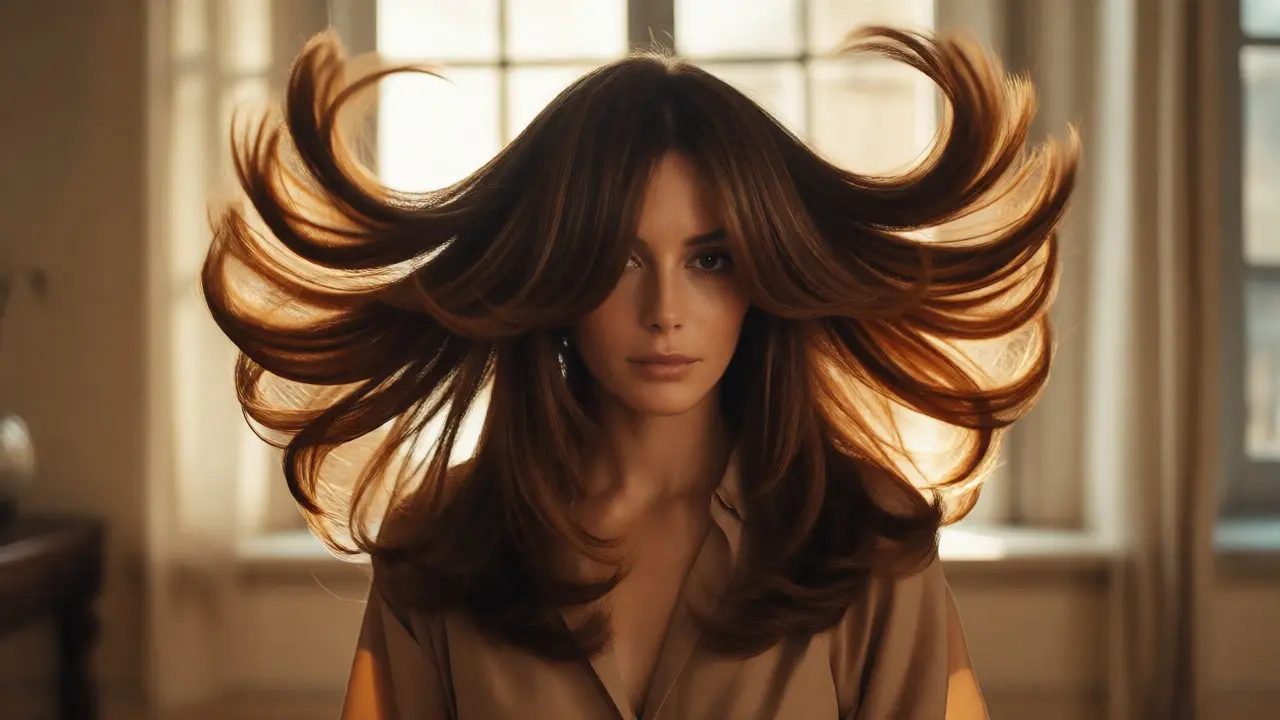
While the butterfly cut peaked a couple of years ago, it has evolved into a staple for those with longer hair. It’s no longer just a niche trend; it’s a standard option for anyone wanting length without losing volume. Think of it as the grown-up cousin of the shag. It gives you that voluminous, feathered look reminiscent of the 90s supermodels, but with more precision.
This style relies heavily on long layers that start around the cheekbones or chin. These layers allow shorter pieces to sit on top, creating height at the crown, while the rest of the hair flows down. It creates a wing-like effect when blown out, hence the name. In 2026, stylists are refining this by adding subtle micro-layers throughout the mid-lengths to prevent the "triangle head" effect that plagues poorly executed versions.
| Feature | Butterfly Cut | Wolf Cut | Classic Layers |
|---|---|---|---|
| Volume Focus | Crown and Face-Framing | Overall Shagginess | Ends and Movement |
| Face Framing | Heavy, Short Front Pieces | Bang-heavy, Choppy | Subtle, Blended |
| Best Hair Type | Wavy, Thick, Straight | Curly, Wavy, Fine | All Types |
| Styling Effort | High (Blowout needed) | Low (Air dry friendly) | Medium |
Micro-Bangs and Baby Fringes
Let’s talk about the front. Bangs are back, but they aren’t the heavy, eye-covering fringes of the past. The current obsession is the micro-bang, also known as the baby fringe. This is a bold choice. It sits well above the eyebrows, sometimes barely covering them. It draws immediate attention to your eyes and cheekbones.
This trend gained massive traction thanks to celebrities embracing a punk-rock aesthetic mixed with high fashion. It’s playful and edgy. However, it’s not for the faint of heart. Growing them out takes patience-usually three to four months-where they might feel awkward. But during that time, you can pin them back or blend them into side-swept pieces.
If you’re hesitant, try clip-in micro-bangs first. They give you the vibe without the commitment. If you commit, remember that micro-bangs require frequent trimming. Every two to three weeks, you’ll need a touch-up to keep them sharp. Pair them with slicked-back sides or loose waves for balance.
Natural Texture Embrace
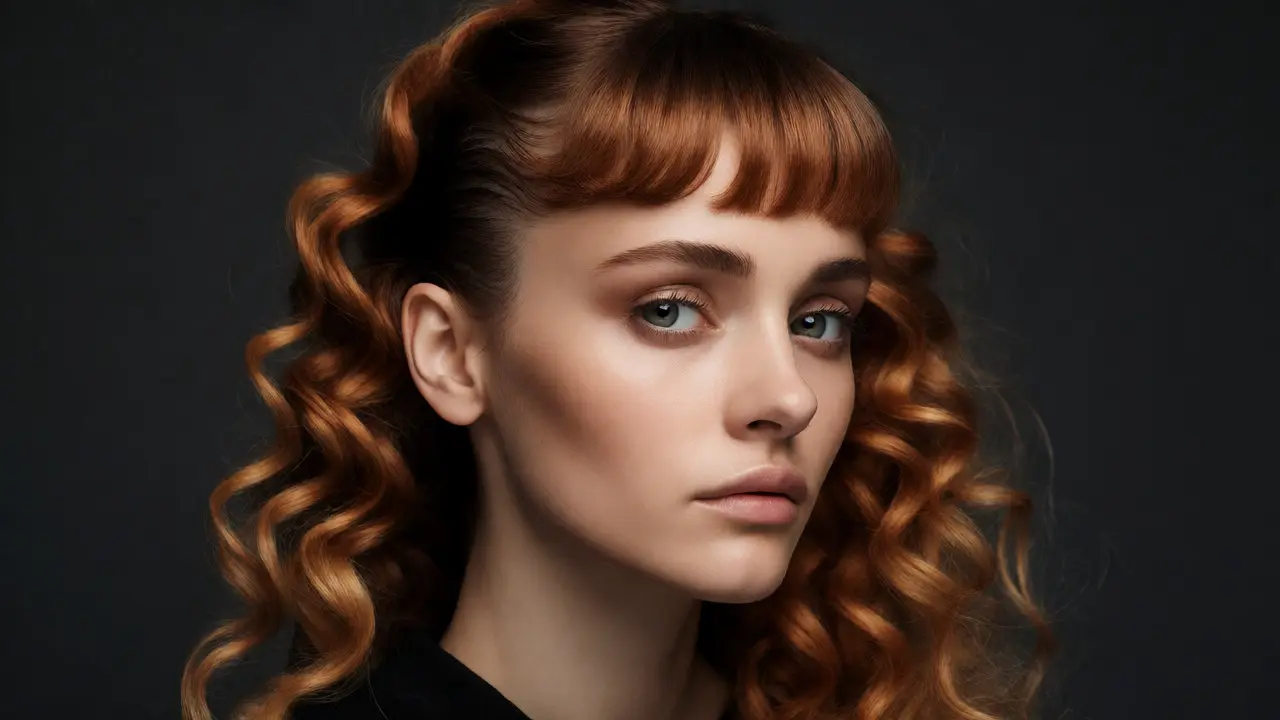
Perhaps the most significant cultural shift in hair is the celebration of natural texture. For decades, straightening was the default. Now, curls, coils, and waves are being styled to enhance their pattern rather than fight it. This isn't just about skipping heat tools; it's about using products that define curl clumps and reduce frizz.
The "Curly Girl Method" has evolved. In 2026, we are seeing a hybrid approach. People are mixing gel for hold with lightweight oils for shine. The goal is defined, shiny curls that bounce, not crunchy castles of product. For those with wavy hair, the focus is on enhancing the S-pattern without making it look limp. Scrunching techniques and diffusing have become essential skills.
For tight coils and kinks, protective styles remain popular, but with a twist. Braids and twists are being worn looser and with more accessories like beads and cuffs. The emphasis is on health and growth retention, ensuring that the hair underneath remains moisturized and strong.
Color Trends That Complement Cuts
A great haircut can be ruined by bad color, and vice versa. Right now, color is working hand-in-hand with these cuts. We are moving away from harsh contrasts. The trend is "lived-in" color. This means roots are allowed to show slightly, creating depth and dimension.
Specifically, warm tones are having a major moment. Cool ash blondes are taking a backseat to golden, honey, and copper hues. These warm colors reflect light better, which enhances the movement in textured bobs and butterfly cuts. For brunettes, chocolate browns with caramel highlights are replacing jet black. This softens facial features and adds brightness to the skin tone.
Another rising star is the "money piece," which has matured into a softer, blended face-framing highlight. Instead of stark white blonde chunks, it’s now a subtle gradient that mimics sun-kissed strands. It requires less maintenance because the transition is seamless.
How to Choose What Works for You
So, how do you decide? Don’t just pick a picture from Pinterest because it looked good on someone else. Consider your lifestyle and hair density. Here is a quick decision tree to help you navigate the options:
- Do you have fine hair? Go for a textured bob or blunt lob. Avoid too many layers, which can make ends look sparse.
- Do you have thick, heavy hair? The butterfly cut or wolf cut will remove weight and add shape. A simple long blowout might look bulky.
- Is your hair curly? Stick to your natural pattern. A curly shag or rounded layers work best. Avoid thinning shears, which cause frizz.
- Do you hate styling? Micro-bangs are high maintenance. Opt for curtain bangs or no bangs at all. Choose a cut that air-dries well.
Remember, communication with your stylist is key. Bring photos, but explain *why* you like them. Is it the volume? The face framing? The low effort? This helps them adapt the trend to your unique features.
Frequently Asked Questions
What is the most popular hairstyle for women over 50 in 2026?
The textured bob and the pixie cut are extremely popular. Both styles offer volume, which combats the flattening that can occur with aging hair. They are also low-maintenance and frame the face beautifully, highlighting eyes and cheekbones.
Are curtain bangs still in style?
Yes, curtain bangs remain a versatile staple. They are less trendy-specific than micro-bangs and work with almost any length. They are particularly effective for blending into longer layers, making them a safe bet if you are unsure about committing to full bangs.
How often should I get a trim to maintain these trends?
It depends on the cut. Precision cuts like bobs and bangs need trims every 6-8 weeks to stay sharp. Longer styles like butterfly cuts can go 10-12 weeks between appointments. Regular trims prevent split ends from traveling up the shaft, keeping the style looking healthy.
Can I wear a textured bob with straight hair?
Absolutely. While the cut is designed for texture, straight hair can achieve the look with the right products. Use a volumizing mousse at the roots and a light hairspray to hold the shape. You may need to use a round brush when blow-drying to create the necessary bend and body.
What hair color goes best with the butterfly cut?
Dimensional color works best. Balayage or babylights that mimic natural sun exposure complement the layered structure. Solid, single-process colors can make the layers look chunky and less dynamic. Warm tones generally flatter this cut by adding visual warmth and depth.



Sherri Jones
October 7, 2026 AT 11:45The textured bob is genuinely the MVP of low-maintenance styling right now 🌟. If you have fine hair, internal layering is non-negotiable for volume without bulk. Please avoid thinning shears if you have curls as they create frizz rather than movement! ✂️💖
Tommy Cahyadi
October 7, 2026 AT 18:01Great list but let's be real most people don't have time to blow dry their hair into a butterfly cut every morning.
Anthony .
October 8, 2026 AT 15:43That is such a valid point about the time commitment 😅. Honestly though the beauty of the 2026 trend is that it embraces the "undone" look so much more than before. You can literally just scrunch in some sea salt spray and walk out the door looking intentional rather than messy. It’s all about shifting our mindset from perfection to presence which feels way healthier for everyone involved especially when we are already stressed enough with daily life 🌿✨
Lauren Martin
October 9, 2026 AT 19:12This article is painfully superficial. The author conflates basic haircutting techniques with "intentionality" which is just marketing fluff for lazy stylists who can't execute a proper blunt cut. The comparison table is misleading because it ignores the fact that micro-bangs require salon visits every two weeks not monthly. Anyone suggesting this is low maintenance clearly has never had bangs or possesses unlimited disposable income. The advice on warm tones is also generic nonsense that applies to literally any decade since the 1980s.
Ian Mason-Laurence
October 11, 2026 AT 02:57Technically speaking the butterfly cut did not originate in the 2020s but was popularized in the late 1990s by supermodels like Cindy Crawford. The current iteration merely adds micro-layers to mitigate the triangular silhouette often associated with poor execution. Furthermore the claim that cool ash blondes are taking a backseat is statistically inaccurate based on recent colorist surveys which show a stable demand for platinum and icy tones among Gen Z demographics.
Sabrina Silvani
October 11, 2026 AT 03:59we are trapped in a cycle of manufactured obsolescence where our identities are tied to ephemeral aesthetics. why do we feel the need to change our physical form to match a digital feed. it is exhausting really. the idea that natural texture is a trend implies that straightening was ever truly natural for most people. we are performing authenticity while paying for it.
Darlene Hopkins
October 12, 2026 AT 04:17I hear you Sabrina. It does feel heavy sometimes. But maybe it's less about trends and more about finding what makes us feel seen. That shift toward intentionality could be a good thing if it means we stop chasing perfection.
Shaina Silver-Baird
October 13, 2026 AT 02:48It is quite suspicious how these "trends" align perfectly with the inventory cycles of major chemical manufacturers. Notice how the push for "lived-in" color reduces the frequency of full-head coloring thus increasing the sales of toners and glosses? One must question who benefits from the constant fluctuation of aesthetic standards. It seems calculated to keep the consumer insecure and spending.
Marisa Marroquin
October 13, 2026 AT 23:34The prose here is undeniably polished yet lacks soul. One appreciates the structured approach to decision-making trees however the language remains sterile devoid of the visceral joy one should derive from transforming one's appearance. It reads like a manual for robots attempting to understand human vanity.
SHANNON GRUBER
October 14, 2026 AT 00:36Lol typical influencer garbage. Half these cuts look identical if you squint. Just charge people $200 for a trim and call it art. Whatever.
Prayagraj Medicose
October 15, 2026 AT 18:31bro seriously?? i saw a guy yesterday with a wolf cut and he looked like he lost a fight with a lawnmower. these trends are designed to make you buy products you dont need. i bet the stylist knows exactly what you will buy next month. its all rigged man. just grow your hair out and save money. trust me.
Elizabeth Calwell
October 16, 2026 AT 06:59Hey everyone, let's remember that confidence is the best accessory regardless of the cut! 💪🏼 Whether you rock a micro-bang or a long flow, owning your style is what matters. Don't let the pressure to conform stress you out. You are beautiful no matter what length your hair is today! Keep shining bright and supporting each other through these changes! 🌈✨
evelyn starcher
October 17, 2026 AT 19:38It’s nice to see support but let’s not forget that American hair standards dominate this conversation. We export our insecurities globally. At least the move toward natural texture acknowledges diversity finally. About time. 🇺🇸✂️
Kathy Mccoy
October 18, 2026 AT 02:58For anyone feeling overwhelmed try starting small with curtain bangs. They blend easily and give you a fresh look without the shock factor. You’ve got this!