
You’ve saved up the money. You’ve watched enough YouTube tutorials to feel confident you can install a sew-in yourself. But then you hit the wall that stops most people dead in their tracks: where do I actually buy good weave hair?
It’s not just about price. It’s about trust. One bad batch of synthetic blends or chemically processed "virgin" hair can ruin weeks of styling, damage your natural edges, and leave you with a head full of regret instead of luscious locks. The market is flooded with sellers promising "100% Human Hair," but half of them are selling you something that melts when you bring a flat iron too close.
Let’s cut through the noise. Whether you’re looking for Brazilian body waves, Peruvian deep curls, or Malaysian straight bundles, knowing where to source high-quality weave hair extensions depends entirely on what kind of quality you need and how much risk you’re willing to take. Here is the honest breakdown of where to look, what to avoid, and how to spot the real deal.
Understanding What "High-Quality" Actually Means
Before you spend a dime, you need to know what you’re buying. Most confusion comes from vague marketing terms. When sellers say "high quality," they usually mean one of three things:
- Virgin Hair: This is hair that has never been chemically treated (no bleach, no dye, no perm). It comes from a single donor, so the cuticles are intact and aligned. This is the gold standard for longevity.
- Raw Hair: Often used interchangeably with virgin hair, but strictly speaking, raw hair is unprocessed hair collected directly from the donor, often in its natural state before any cleaning or sorting. It’s rarer and more expensive because it retains its natural texture variation.
- Remi/Remy Hair: The cuticles are kept intact and aligned in the same direction, but the hair may have been lightly processed to achieve a uniform color or texture. It’s better than non-remi, but not as durable as true virgin hair.
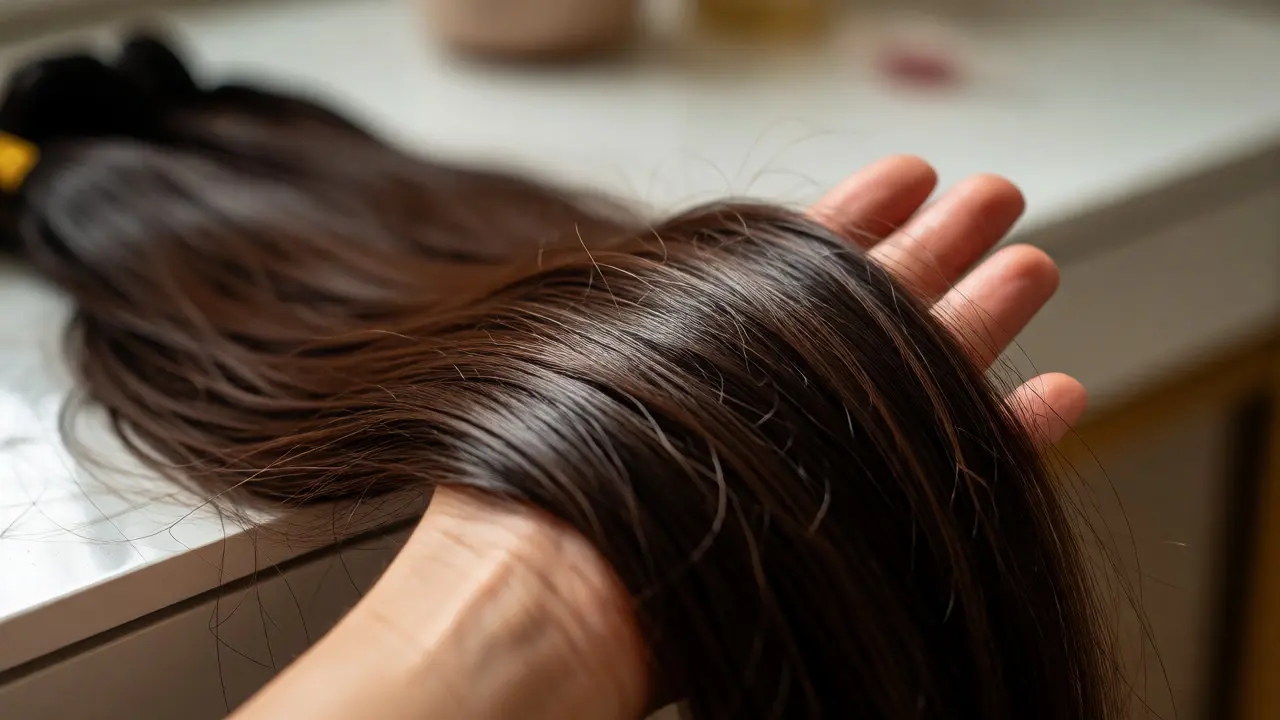
If you want extensions that last two years or more, you need virgin or raw hair. If you plan to change colors every month, remi might suffice. But beware: many vendors label processed hair as "virgin." How do you tell? Real virgin hair tangles less because the cuticles face the same way. If you run your fingers down a bundle and it feels rough or catches, the cuticles are stripped or misaligned.
The Top Sources for Premium Weave Hair
There isn’t one single "best" place. It depends on whether you value convenience, customization, or price transparency. Here are the main channels serious buyers use.
Direct-from-Factory Vendors (Vietnam, India, China)
This is where the pros go. Vietnam, particularly regions around Ho Chi Minh City, has become a global hub for high-end human hair. Indian hair is also highly sought after for its thickness and durability, though it’s harder to find ethically sourced batches.
Vietnamese vendors often sell directly to consumers via websites like K-Hair, VN Hair, or various Etsy sellers who partner with local factories. The advantage here is price-to-quality ratio. You’re cutting out the middleman. However, shipping takes longer (7-14 days), and customer service can be tricky due to time zones and language barriers.
| Region | Hair Characteristics | Best For | Average Cost (20-inch Bundle) |
|---|---|---|---|
| Vietnam | Soft, fine strands; holds curls well; often lighter in weight. | Natural-looking weaves, daily wear. | $80 - $150 |
| India | Thick, coarse, heavy; very durable; distinct wave patterns. | Volume, protective styles, long-term use. | $100 - $200 |
| China | Variable quality; often mixed grades; huge selection. | Budget-friendly options, specific textures. | $60 - $120 |
| Brazil | Thick ends, bouncy curls; often marketed as premium. | Full looks, heat styling enthusiasts. | $90 - $180 |
Specialized Online Retailers
If you don’t want to deal with international shipping hassles, specialized US-based retailers offer curated selections. Brands like Bellami, Luvme Hair, and Nadula Hair have built reputations by vetting their suppliers. They charge a markup-sometimes 30-50% higher than factory-direct-but you get faster shipping, easier returns, and English-speaking support.
Luvme, for instance, is popular for its transparent pricing and detailed product descriptions. They often provide videos of the actual hair being tested (burn tests, water tests) before shipping. This level of proof reduces the risk of getting a dud.
Etsy Sellers
Etsy is a double-edged sword. On one hand, you can find small-batch, ethically sourced hair from independent artisans who import directly from rural villages. On the other hand, it’s easy to get scammed by dropshippers pretending to be manufacturers.
Look for sellers with hundreds of reviews, specifically photos posted by customers showing the hair after washing. Ignore stock photos. Ask questions: "Can you send a video of this specific bundle?" If they hesitate, walk away. Legitimate sellers love showing off their inventory.
Local Beauty Supply Stores
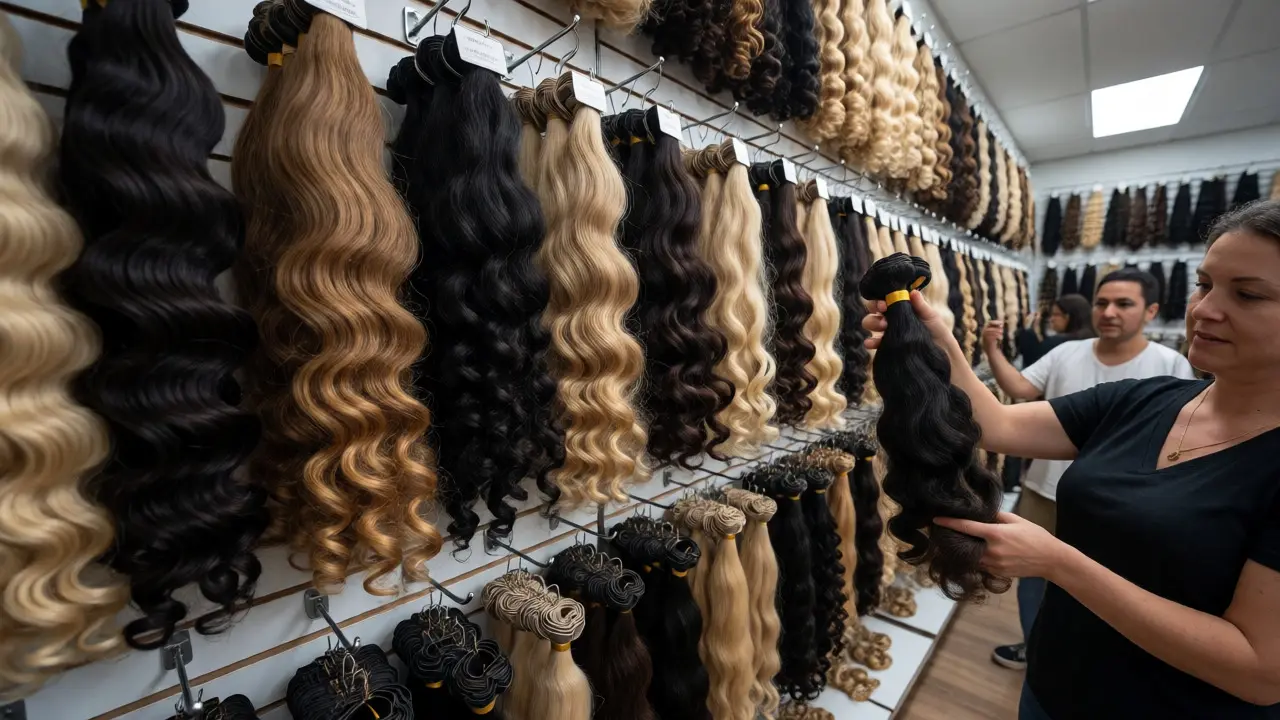
Don’t overlook stores like Sally Beauty or local Black-owned beauty supply shops. While the selection might be limited compared to online giants, you can physically touch the hair. Check the ends. Are they thick? Do they shed when you comb gently? Local stores are great for quick fixes or if you need a closure immediately. However, be wary of "virgin" labels at lower price points ($50 for 20 inches is almost always fake).
How to Vet a Vendor Before Buying
Never buy based on the website design alone. Pretty pictures lie. Here is your checklist for vetting a vendor, especially if you’re ordering online:
- The Burn Test: Ask the seller to burn a few strands. Real human hair burns slowly, smells like burnt protein (like burning feathers), and turns to ash. Synthetic hair melts into a hard plastic ball and smells like chemicals. Some vendors will send you a sample kit for $10-$20. Pay for it. It’s worth avoiding a $200 mistake.
- Shedding Test: Run your fingers through the weft multiple times. Minimal shedding is expected. If clumps come out, the construction is poor.
- Cuticle Alignment: Rub a strand between your thumb and finger in both directions. It should feel smooth in one direction and slightly resistant in the other. If it feels rough in both directions, the cuticles are stripped (low quality). If it feels smooth in both directions, it’s likely synthetic or heavily coated.
- Return Policy: Does the company accept returns on opened packages? Many won’t. If they do, read the fine print. Who pays for return shipping? Is there a restocking fee?
Red Flags That Scream "Scam" or Low Quality
You can spot bad deals instantly if you know what to look for. Here are the biggest warning signs:
- Price Too Good to Be True: If you see 20-inch Brazilian Virgin Hair for $40, it’s not virgin hair. It’s either synthetic blend, steamed processed hair, or shorter hair mixed with longer pieces. Real virgin hair costs money to collect and process.
- Vague Origin Claims: Avoid sellers who say "Ethnic Hair" or "Asian Hair" without specifying the country. Specificity matters. "Peruvian Virgin Hair" implies a certain texture and origin. "Generic Asian Hair" could be anything.
- No Physical Address or Phone Number: If you can’t reach a human, you can’t resolve issues. Look for businesses with verifiable contact info.
- Stock Photos Only: If every product image looks identical, they are likely using stock images provided by a wholesaler. Ask for real-time photos of the bundle you’ll receive.
Tips for Maximizing Longevity
Even the best weave hair extensions will fail if you treat them poorly. Once you’ve found your perfect source, follow these rules to make them last:
- Wash Gently: Use sulfate-free shampoo and conditioner. Never rub the hair vigorously; press the suds through the strands.
- Dry Properly: Lay the bundles flat on a towel to air dry. Hanging wet hair stretches the wefts and causes shedding.
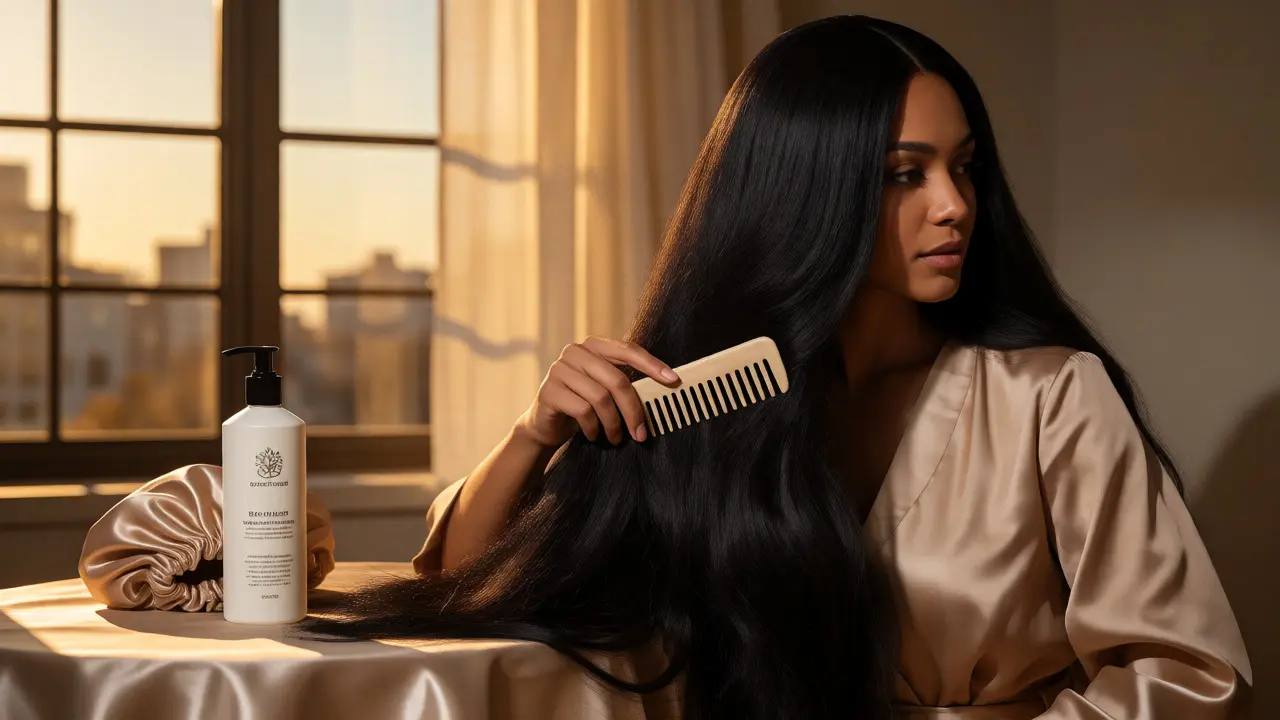
- Protect at Night: Wrap your hair in a silk scarf or use a satin pillowcase. Cotton absorbs moisture and causes friction, leading to tangles.
- Limit Heat: Even virgin hair needs protection. Always use a heat protectant spray before using flat irons or curling wands. Keep temperatures below 350°F (175°C) for colored hair and 400°F (200°C) for natural black hair.
Frequently Asked Questions
Is Vietnamese hair better than Brazilian hair?
Not necessarily better, just different. Vietnamese hair tends to be finer and softer, making it ideal for those who want a lightweight, natural feel. Brazilian hair is typically thicker and coarser, offering more volume and bounce. Your choice depends on your desired look and how much maintenance you want to do.
Why is my "virgin" hair tangling?
If genuine virgin hair tangles excessively, the cuticles may have been stripped during processing, or the hair was mixed from multiple donors with conflicting cuticle directions. Another possibility is improper care, such as using harsh shampoos or sleeping on cotton pillows without protection.
Can I dye weave hair extensions?
Yes, if it is 100% virgin human hair. However, bleaching dark hair to light blonde requires professional skill and can compromise the integrity of the hair. Pre-colored hair (like honey blonde or burgundy) is usually dyed already, so further coloring may cause uneven results or damage.
How many bundles do I need for a full head?
For lengths under 16 inches, 2-3 bundles are usually sufficient. For lengths 18-24 inches, you typically need 3-4 bundles plus a closure or frontal. For lengths over 26 inches, 4-5 bundles are recommended to ensure fullness and coverage.
What is the difference between a closure and a frontal?
A closure is a smaller piece (usually 4x4 inches) placed at the top center of the head to create a natural parting. A frontal covers the entire front hairline from ear to ear (typically 13x4 inches), allowing for versatile styling, including pulling the hair back into ponytails.