

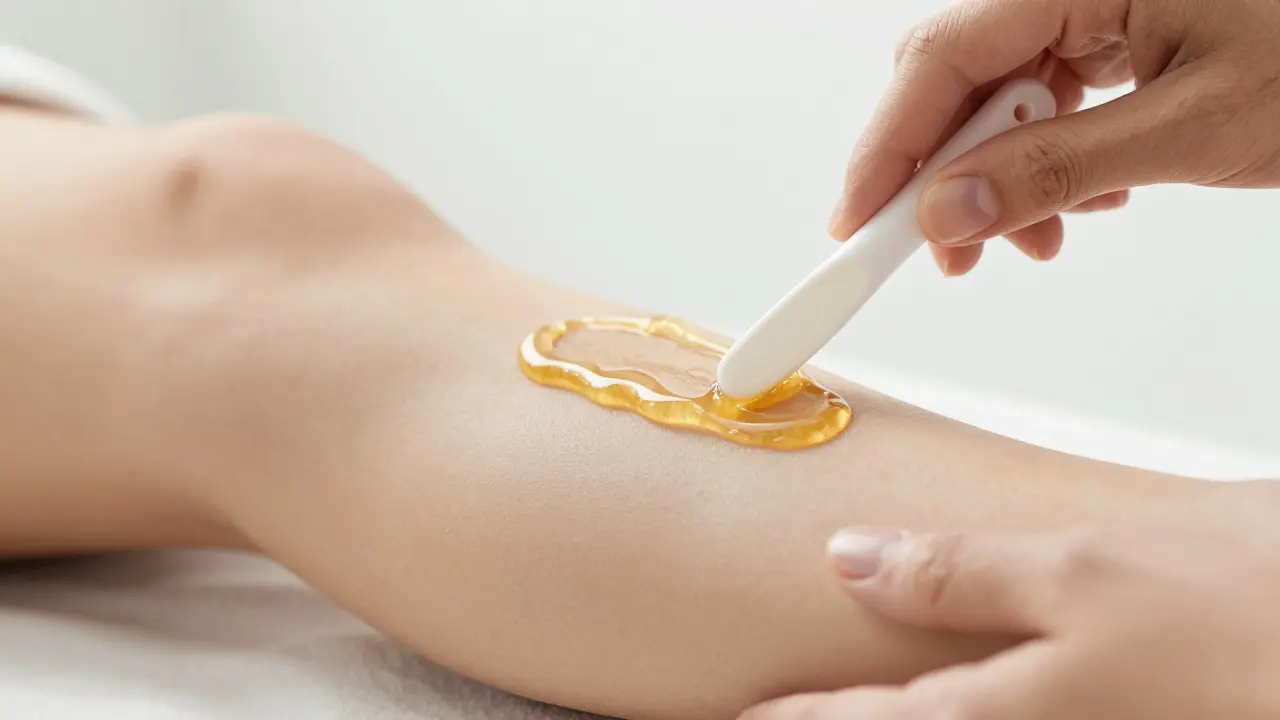
Let's be honest: the idea of having strips of sticky resin ripped off your skin is terrifying. If you're a guy considering your first time, you're probably wondering if the result is worth the potential agony. The truth is, male waxing is the process of removing hair from the root using a wax-based adhesive, and yes, it can hurt. But how much? For most, it's a sharp, stinging sensation that lasts for a few seconds, followed by a warm glow of redness. It's not a one-size-fits-all experience; your pain threshold and the area being waxed change the game entirely.
Quick Takeaways for Your First Session
- Pain Level: Varies from "mild sting" (arms) to "intense shock" (Brazilian).
- Duration: The actual pain is fast; the redness lasts a few hours.
- Best Method: Hard wax is generally better for sensitive areas.
- Pro Tip: Exfoliate 24 hours before to prevent ingrown hairs.
Breaking Down the Pain Map
Not all hair is created equal. The density of nerve endings in your skin determines how much you'll swear during the process. For example, waxing your back is usually a breeze because the skin is thicker and less sensitive. However, moving toward the chest or the groin introduces a whole new level of intensity.
Imagine the difference between a papercut on your finger and a papercut on your lip. That's essentially how waxing pain works. In areas like the back, you'll feel a tugging sensation. In the chest, specifically around the nipples, it's a sharp zap. Then there's the Manzilian (male Brazilian), which is widely considered the "final boss" of grooming. Because the skin in the groin is thin and highly sensitive, the first few strips often feel like a physical shock to the system.
Hard Wax vs. Soft Wax: Which Hurts Less?
If you're shopping for a kit or picking a salon, you'll see two main options. The choice between them can actually change your pain level significantly.
Hard Wax is a polymer-based wax that hardens on its own without the need for a cloth strip. Because it only grips the hair and not the skin, it's far less irritating. This is the go-to for sensitive spots like the nose, ears, or groin. On the other hand, Soft Wax is applied thinly and removed with a paper or fabric strip. While it's faster for large areas like the legs, it often pulls at the skin, which can increase the sting and lead to more redness.
| Feature | Hard Wax | Soft Wax |
|---|---|---|
| Pain Level | Moderate (less skin tugging) | Higher (pulls skin) |
| Best For | Face, Groin, Underarms | Back, Chest, Legs |
| Application | No strips needed | Requires fabric/paper strips |
| Skin Irritation | Low to Medium | Medium to High |
Why It Actually Hurts (And Why It Gets Better)
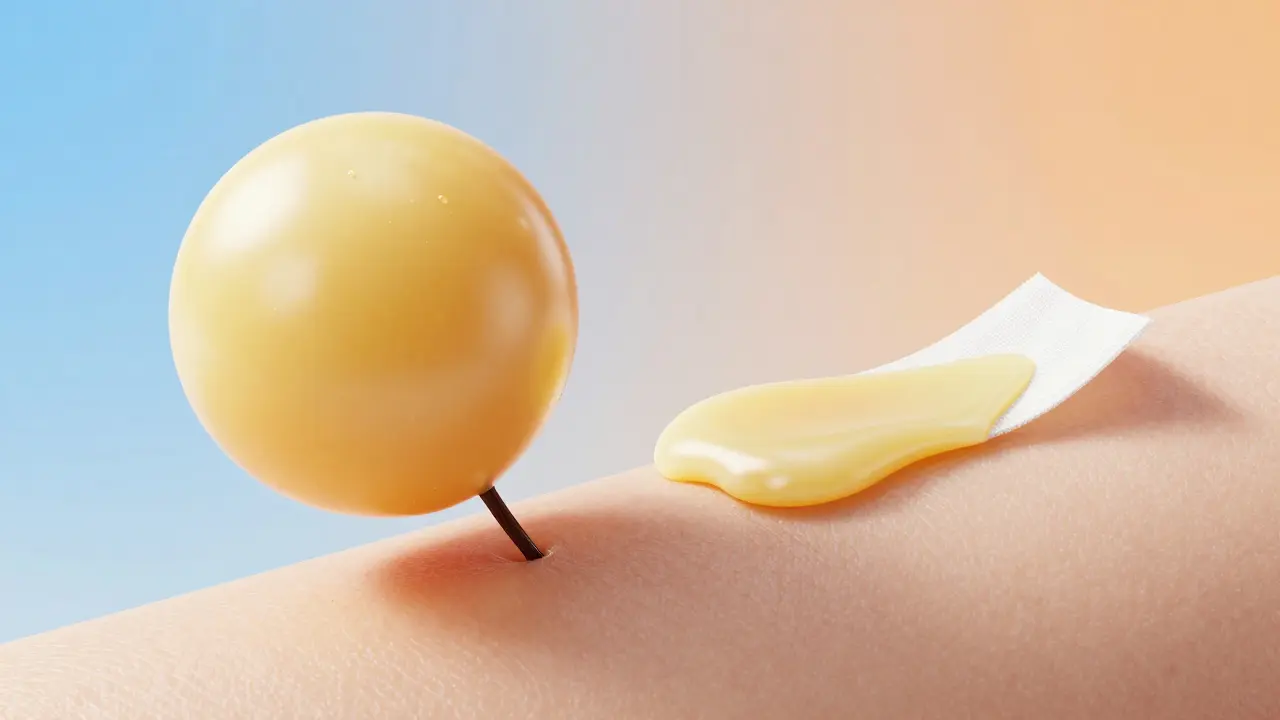
The pain comes from the sudden displacement of the hair follicle. When the wax is ripped away, it pulls the hair out from the root, which triggers the nerves around the follicle. This is why the first time is always the hardest. As you continue with regular sessions, the hair grows back thinner and the follicles become less deep, meaning there's less "grip" and less pain.
Another factor is the length of the hair. If the hair is too long, it can tangle or bend, causing the wax to pull the hair sideways rather than straight out. This creates a jagged, more painful experience. If it's too short, the wax can't grip it, leading to multiple passes over the same area, which just irritates the skin without removing the hair. The sweet spot is usually about 1/4 inch-roughly the size of a grain of rice.
How to Lower the Pain Level
You don't have to just "white knuckle" it through the session. There are a few concrete ways to make the process more bearable. First, timing is everything. Avoid waxing right before a workout; sweat can irritate the open follicles. Also, be mindful of your skin's cycle. Many men find that waxing is more painful during periods of high stress or lack of sleep, as your nervous system is more reactive.
For a DIY approach, some guys use over-the-counter painkillers like ibuprofen about 30 minutes before they start. While it won't eliminate the pain, it can dampen the inflammatory response. Additionally, keeping the skin tight is the secret. Whether you're doing it yourself or paying a professional, the skin must be stretched taut. Loose skin bunches up and gets pulled, which is where the real "ouch" comes from.
Dealing with the Aftermath: Redness and Bumps
The pain doesn't end the second the strip leaves your skin. Most men experience erythema, which is the medical term for that bright red flush. This is just your body sending blood to the area to heal the micro-trauma of the hair being ripped out. It usually fades within 24 to 48 hours.
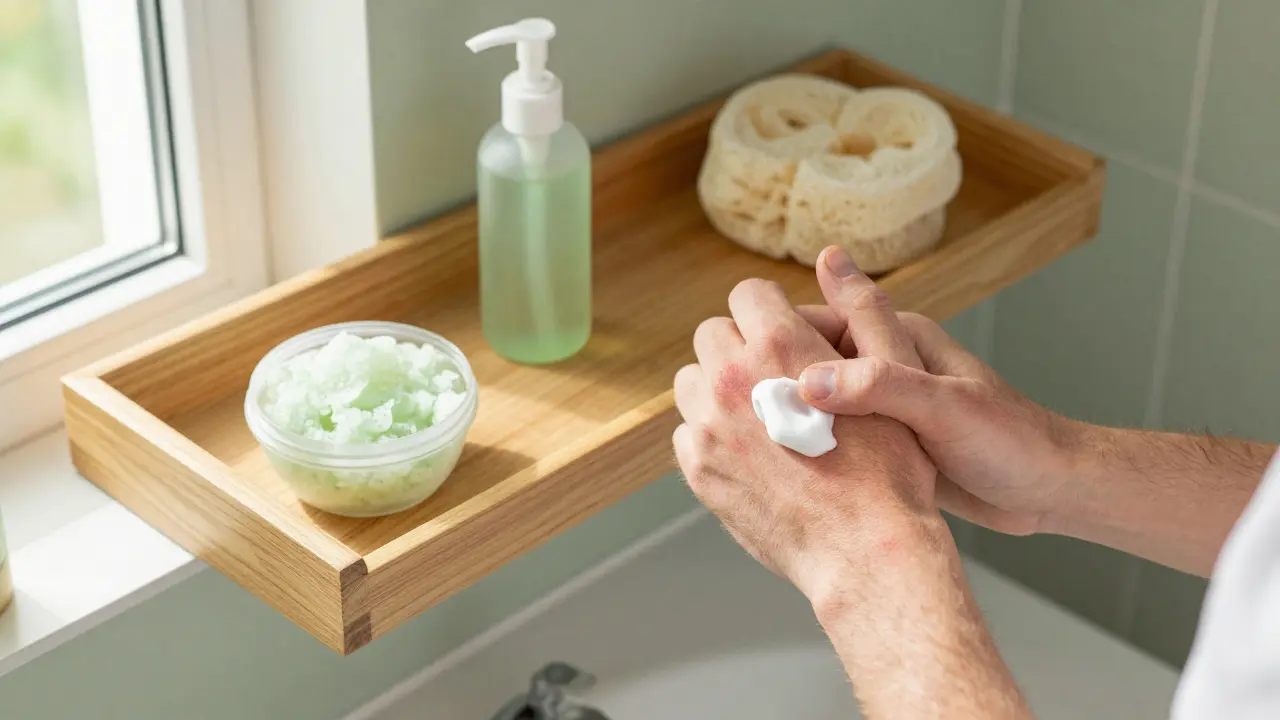
The real enemy, however, is the ingrown hair. When a hair grows back, it can sometimes curl back into the skin, causing a painful red bump. To prevent this, you need to exfoliate. Using a scrub or a loofah two days after waxing helps clear away dead skin cells, allowing the new, thinner hair to break through the surface easily. Avoid heavy oils or thick lotions immediately after waxing, as these can clog the open pores and lead to breakouts.
The Verdict: Is it Worth it?
Compared to shaving, which can leave you feeling like a cactus after three days, waxing offers weeks of smoothness. The initial pain is a trade-off for long-term convenience. If you've ever dealt with the itch of regrowth from a razor, you know that "the itch" is often more annoying than a few minutes of waxing pain.
If you're still nervous, start small. Try your eyebrows or a small patch of your chest. Once you realize that the pain is momentary and the result is a clean, groomed look, the anxiety usually disappears. Many men eventually prefer it over shaving because the hair doesn't grow back as blunt, meaning no more prickly feeling against your partner's skin.
Does it hurt more the first time?
Yes, the first time is typically the most painful because the hair roots are deeper and thicker. As you wax regularly, the follicles shrink and the hair grows back finer, which significantly reduces the discomfort of future sessions.
Can I use a numbing cream before waxing?
You can, but be careful. Some numbing creams can make the skin too slippery or affect how the wax adheres to the hair. If you use one, make sure to thoroughly clean and dry the skin before applying the wax, or it won't grip the hair effectively.
How long does the pain last after the strip is pulled?
The sharp pain is instantaneous and usually vanishes within a few seconds. You'll feel a lingering warmth or a tingling sensation for about 10 to 30 minutes, but the actual "pain" is over almost immediately.
What should I do if I get a wax burn?
If the wax was too hot and you've burned your skin, immediately cool the area with a cold compress or aloe vera gel. Avoid putting any scented lotions or alcohols on the burn. If it blisters, seek medical advice to avoid scarring.
Is waxing better than shaving for men?
It depends on your goals. Shaving is faster and painless but leads to stubble and itching within days. Waxing is painful initially but leaves you smooth for 3-6 weeks and results in thinner hair growth over time.
How do I prepare for my first professional wax?
Trim your hair to about 1/4 inch so the technician can grip it without it being too long. Avoid using heavy moisturizers on the day of your appointment, as this prevents the wax from sticking. Finally, drink plenty of water to keep your skin hydrated and elastic.
Next Steps for Your Grooming Journey
If you've decided to go for it, your first move should be deciding between a professional salon or a home kit. For your first time, a professional is highly recommended, especially for the back or groin, as they can hold the skin tight and ensure a clean pull. If you're going the DIY route, start with a small, less sensitive area like your forearms to get a feel for the temperature and the pull.
Once you've completed your first session, focus on the recovery phase. Apply a fragrance-free moisturizer and commit to exfoliating twice a week. This ensures you don't trade the pain of waxing for the frustration of ingrown hairs. If you find that you simply can't handle the pain of waxing, you might look into laser hair removal as a more permanent, albeit more expensive, alternative.





kelvin kind
April 10, 2026 AT 16:29hard wax is the way to go.
Fred Edwords
April 11, 2026 AT 06:24I completely agree with the advice on exfoliation!!! It truly makes a massive difference in the overall recovery process, and prevents those pesky bumps!!!
Ian Cassidy
April 13, 2026 AT 06:07the follicle trauma is real but the gain in aerodynamics and skin feel is worth the initial sting.
Ananya Sharma
April 14, 2026 AT 03:02It is frankly appalling that we are normalizing the systematic torture of one's own body for the sake of a fleeting aesthetic standard that serves no purpose other than to satisfy a superficial desire for smoothness, and I find the suggestion that ibuprofen can somehow mitigate the sheer visceral horror of a Manzilian to be an insult to the intelligence of any rational human being who understands basic biological responses to pain.
Nick Rios
April 15, 2026 AT 03:19Everyone has a different pain limit, so just take it slow and be kind to yourself if it feels like too much at first.
Kenny Stockman
April 17, 2026 AT 01:38Just breathe through it, man. The first time is a beast, but once you get past that first session, you're basically golden.
Chris Heffron
April 18, 2026 AT 10:55Hard wax is definitely better for the sensitive bits :)
Sarah McWhirter
April 19, 2026 AT 12:08Pretty sure the 'redness' is just the skin reacting to the chemicals they don't tell us are in the wax. It's all part of the plan to keep us addicted to the salon cycle. But hey, who cares about a little systemic toxicity when you're smooth, right? lol
Paritosh Bhagat
April 21, 2026 AT 02:00I must say, the phrasing in this discussion is slightly lacking, though I truly want everyone to feel comfortable in their skin. It is simply heartbreaking to see people struggle with such basic grooming when a little discipline and proper skincare would solve everything, but I suppose we all move at our own pace, don't we?
Aaron Elliott
April 21, 2026 AT 20:43The conceptualization of pain as a 'final boss' is a pedestrian analogy at best. One must consider the metaphysical intersection of sensory overload and the vanity of the modern male form; essentially, we are paying to be traumatized for the sake of a tactile preference that is utterly inconsequential in the grander scheme of existence.
Adrienne Temple
April 22, 2026 AT 16:17I always tell my clients to just keep a cold compress ready for after! It helps so much with the heat! ❄️✨
Sandy Dog
April 23, 2026 AT 09:40OMG I literally cannot even imagine the horror of a Manzilian!!! I once got my legs done and I thought my entire life was flashing before my eyes, I was practically screaming in the salon and the technician looked at me like I was insane!!! 😱😭 it's literally the most traumatic experience a person can go through in a beauty parlor!
Antonio Hunter
April 24, 2026 AT 04:07For those of you who are feeling hesitant, please understand that it is a gradual process and there is no need to rush into the most sensitive areas until you have built up a certain level of comfort with the sensation, as the mental preparation is often just as important as the physical preparation involving the trimming of the hair.
Ben De Keersmaecker
April 25, 2026 AT 23:27Interesting breakdown. I wonder if the pain levels vary significantly across different cultures or if the biological response is pretty universal.
Zach Beggs
April 26, 2026 AT 21:27Good points across the board here.