

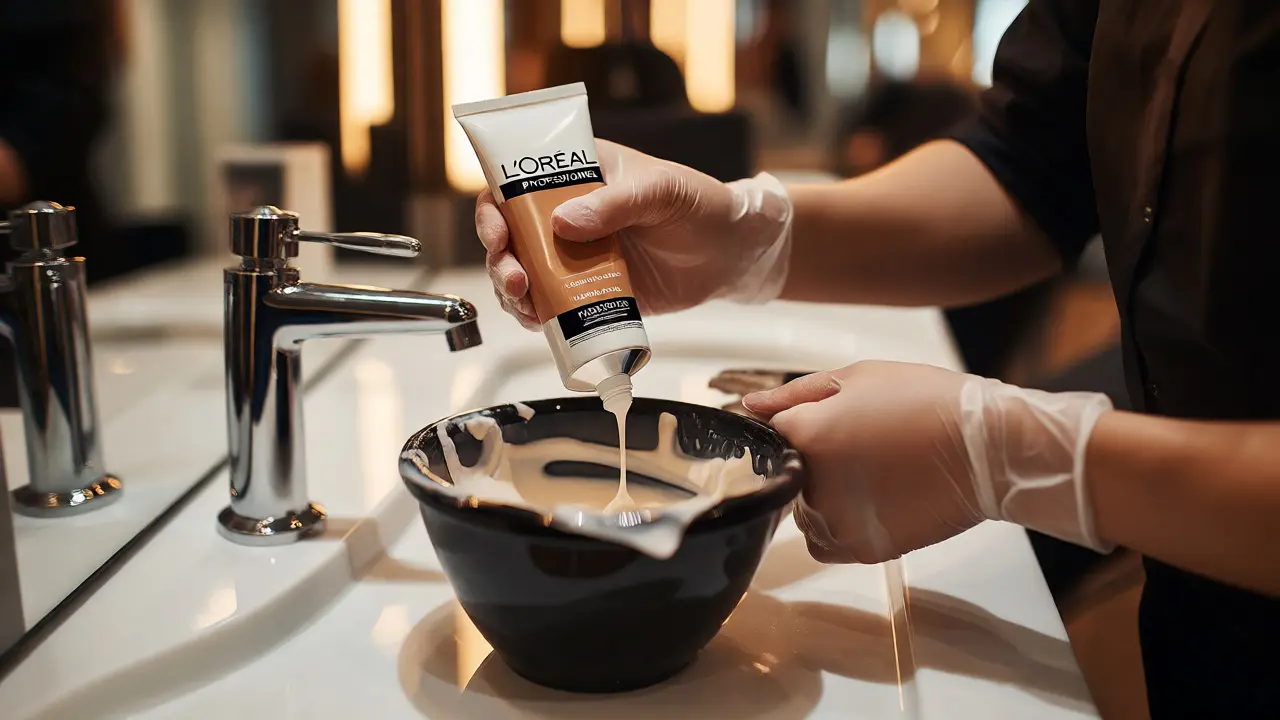
You walk into a salon, sit in the chair, and watch your stylist mix a creamy substance from tubes that look nothing like the box kits you buy at the drugstore. You might wonder: what hair dye do salons use? The short answer is that they use professional-grade oxidative and demi-permanent color systems designed for precision, durability, and hair health. Unlike retail dyes, these products are sold exclusively to licensed professionals through authorized distributors, allowing stylists to customize formulas based on your hair’s porosity, history, and desired outcome.
But knowing the brand names isn’t enough. Understanding why salons choose specific lines-like L’Oréal Professionnel or Wella Professionals-helps you communicate better with your colorist. This guide breaks down the top brands, the science behind their formulas, and how they differ from the stuff on store shelves.
The Big Three: Who Dominates Salon Color?
If you’re curious about market share, three parent companies control nearly half of all professional color used worldwide. According to recent industry data from 2025-2026, L’Oréal S.A., Coty (owner of Wella), and Henkel (owner of Schwarzkopf) collectively supply approximately 48% of salon hair color globally. These giants dominate because they offer extensive shade ranges, reliable consistency, and robust education programs for stylists.
L’Oréal Professionnel is widely considered the global leader, holding roughly 25% of the professional color market. Their portfolio includes multiple sub-brands tailored to different needs:
- Majirel: A classic permanent cream color known for excellent grey coverage and long-lasting results.
- iNOA: An oil-delivery system that uses no ammonia, reducing odor and irritation while maintaining lift.
- Dia Richesse/Dia Light: Demi-permanent options perfect for toning, refreshing faded color, or blending greys without commitment.
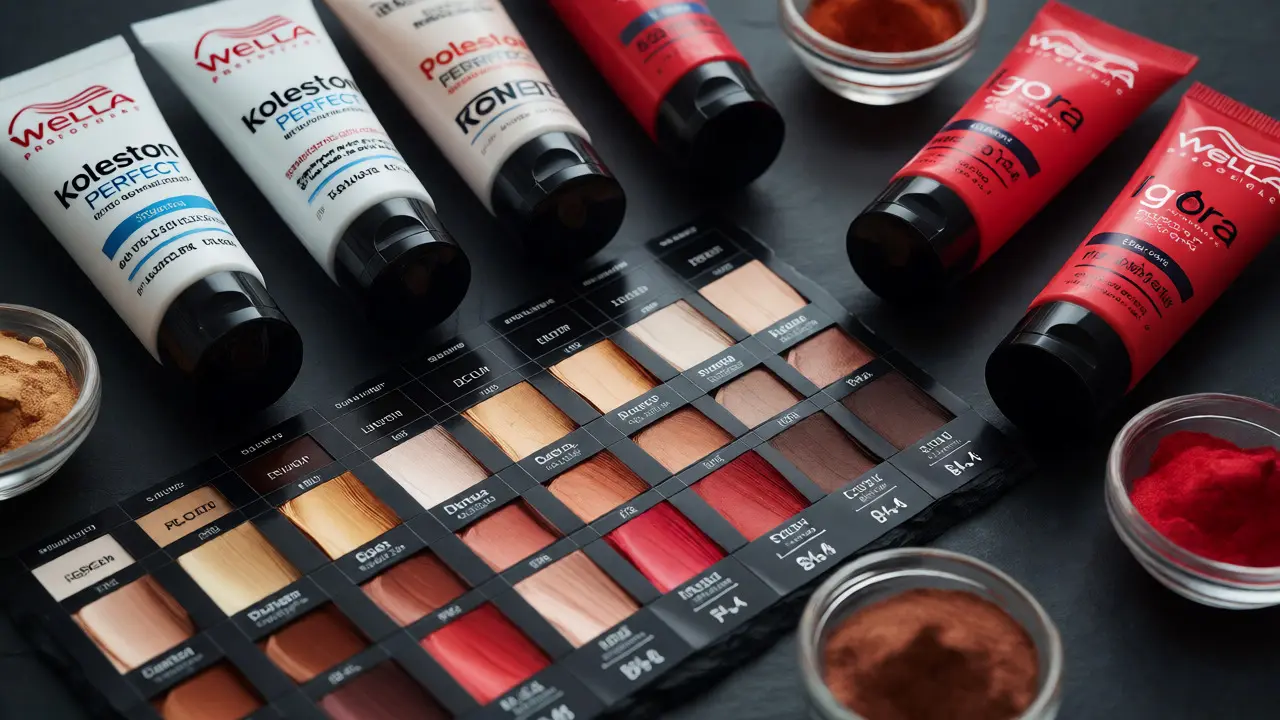
Wella Professionals follows closely, particularly strong in the US for grey coverage services. Stylists often cite Koleston Perfect for its predictable permanent results and Illumina Color for high-reflect finishes that mimic natural light interaction. For glossing, Color Touch remains a staple due to its gentle, low-alkaline formula that deposits color without damaging the cuticle.
Schwarzkopf Professional holds about 11-15% of the market, favored by many for its blonding capabilities. Their Igora Royal line is renowned for vibrant pigments, while BlondMe is dedicated specifically to lightening and creating cool-toned blondes. Many stylists prefer Igora Vibrance for precise toning after bleach services.
Other Major Players and Niche Favorites
While the big three dominate volume, other brands have loyal followings among specialists. Redken, also owned by L’Oréal, is famous for Shades EQ, an acidic demi-permanent gloss launched in the 1980s that remains a go-to for adding shine and neutralizing brassiness. Its gel consistency makes it easy to apply, and because it doesn’t lift natural pigment, it’s safe for frequent use.
Goldwell (owned by Kao) positions itself as a health-forward option. Lines like Topchic offer permanent color with added keratin, while Nectaya provides an ammonia-free alternative. Goldwell is particularly popular in European salons and among clients prioritizing hair integrity over aggressive lifting.
For vivid fashion colors-think neon pinks, blues, and purples-salons turn to direct dyes rather than oxidative ones. Brands like Pravana Chromasilk Vivid, Pulp Riot, and Joico Color Intensity are non-oxidative, meaning they deposit color onto pre-lightened hair without requiring developer. These formulas are less damaging but fade faster, requiring more maintenance.
| Brand | Key Permanent Line | Key Demi/Gloss Line | Best For |
|---|---|---|---|
| L’Oréal Professionnel | Majirel, iNOA | Dia Richesse, Dia Light | Versatility, grey coverage, sensitive scalps |
| Wella Professionals | Koleston Perfect, Illumina | Color Touch, Shinefinity | Natural-looking results, shine, reliability |
| Schwarzkopf Professional | Igora Royal | Igora Vibrance | Blonding, cool tones, vibrant reds |
| Redken | Color Gels Lacquers | Shades EQ | Toning, refreshing color, fast services |
| Goldwell | Topchic | Colorance, Nectaya | Hair health, ammonia-free options |
Why Salon Dye Is Different From Box Dye
You might ask, "If I buy the same brand online, can I get the same result?" Usually, no. Professional dyes are formulated differently. Retail box dyes use higher concentrations of alkalizing agents (like ammonia) to ensure they work on everyone, regardless of hair type. This one-size-fits-all approach often leads to damage or uneven results if your hair has previous color or chemical treatments.
Salon dyes allow for customization. Your stylist mixes the color tube with a developer (hydrogen peroxide) ranging from 10 volume (deposit only) to 40 volume (maximum lift). They adjust the ratio based on your hair’s condition. If your ends are porous, they might apply a lower volume there to prevent over-processing. This precision is impossible with a pre-mixed box kit.
Additionally, professional lines offer wider shade ranges. A salon might stock 100+ shades from a single brand, including corrective tones like green (to cancel red) or violet (to cancel yellow). Box dyes typically offer 10-20 shades, limiting your ability to correct unwanted tones.
The Role of Bond Builders in Modern Coloring
Modern salon color services rarely involve just dye. You’ll likely hear about Olaplex or K18. These aren’t dyes; they’re bond-repair treatments mixed into the lightener or applied afterward.
Olaplex Step 1 is often added directly to the bleach bowl to protect disulfide bonds during lightening. K18 is a peptide-based mask applied post-color to rebuild keratin chains. In major metros like New York, adding these treatments can cost $35-$90 extra, but they significantly reduce breakage and maintain hair elasticity. About 41% of network salons now bundle these with color services, recognizing that healthy hair holds color better.

How to Choose the Right Salon Brand
Not every salon carries every brand. When booking, consider what you need:
- For Grey Coverage: Ask if they use L’Oréal Majirel or Wella Koleston. These are industry standards for opaque, lasting coverage.
- For Blonding: Look for salons using Schwarzkopf BlondMe or Redken Flash Lift. These lighteners are formulated to minimize brassiness.
- For Vivid Colors: Ensure they carry Pravana or Pulp Riot. Standard oxidative dyes won’t give you electric blue or hot pink.
- For Sensitive Scalps: Request ammonia-free options like L’Oréal iNOA or Goldwell Nectaya.
Don’t hesitate to ask your stylist which brand they use and why. A knowledgeable colorist will explain their choice based on your hair history. If they seem unsure, it might be time to find a specialist who aligns with your goals.
Frequently Asked Questions
Can I buy professional salon hair dye myself?
Yes, you can purchase professional dye online, but it’s technically restricted to licensed professionals. However, many websites sell it to consumers. The challenge isn’t buying it-it’s mixing and applying it correctly. Without training, you risk uneven color, damage, or incorrect developer strength usage.
Is salon hair dye always ammonia-free?
No. While ammonia-free lines like L’Oréal iNOA and Goldwell Nectaya are popular, many standard permanent colors still use ammonia or MEA (monoethanolamine) to open the cuticle. Ammonia-free options are often gentler but may require longer processing times or provide slightly less lift.
Which salon brand is best for blonde hair?
Schwarzkopf Professional’s BlondMe system is highly regarded for blonding due to its dust-free powder and anti-yellow technology. Redken’s Shades EQ is also a favorite for toning blondes after lightening. Many stylists combine these tools for optimal results.
Do salons use the same dye for men and women?
Generally, yes. Men’s hair dye marketed to consumers is often just repackaged professional color with smaller tubes or simpler instructions. Salons use the same high-quality professional lines for both genders, adjusting application techniques rather than changing the product.
Why does my salon color fade faster than my friend’s?
Fading depends on hair porosity, aftercare, and the specific formula used. High-porosity hair releases color molecules quickly. Using sulfate-free shampoos and cold water rinses helps. Also, some brands like Wella Color Touch are demi-permanent and naturally last shorter than permanent lines like L’Oréal Majirel.

alex kobri
September 21, 2026 AT 21:42the distinction between professional and retail isn't just about the brand name on the tube
it's about the chemistry of customization which allows for precision that box kits simply cannot replicate
Zach Loescher
September 23, 2026 AT 06:39I always assumed it was just marketing but seeing the breakdown of developer volumes makes sense
the idea that a stylist adjusts peroxide strength based on porosity is fascinating and explains why my DIY attempts never looked right
Quintin Franzese
September 23, 2026 AT 23:09oh wow look at you knowing what hydrogen peroxide is
next you'll tell me water is wet and fire is hot thanks for the earth shattering revelation that pro dye has more shades than drugstore stuff
Chandan Singh
September 24, 2026 AT 23:01Actually, the market share statistics cited are slightly off regarding Henkel's current dominance in specific regions like Asia where Schwarzkopf has lost ground to local brands.
Also, while Olaplex is mentioned, K18 is technically a peptide mask not a bond builder in the same chemical sense as bis-aminopropyl diglycol dimaleate found in Olaplex.
The distinction matters because one repairs disulfide bonds while the other reconnects polypeptide chains via biomimetic peptides.
Most stylists conflate these two technologies when explaining them to clients.
You also missed the rise of APHINITY by Wella which is gaining traction as a direct competitor to Olaplex.
The claim that 41% of salons bundle these treatments seems high given the cost barriers for smaller independent shops.
Furthermore, the assertion that men use the exact same products ignores the formulation differences in scalp sensitivity and hair thickness often accounted for in specialized lines.
While iNOA is ammonia-free, it uses MEA which can still cause irritation in sensitive individuals if not properly formulated.
Dia Light is indeed demi-permanent but its longevity is heavily dependent on the pre-lightening level of the hair.
If the hair is not lifted sufficiently, Dia Richesse will not deposit color effectively leading to patchy results.
The table provided oversimplifies the 'Best For' category as most professionals mix brands within a single service.
For instance, using Igora Royal for the roots and Redken Shades EQ for the lengths is a common technique.
This hybrid approach maximizes the strengths of each brand rather than sticking to one ecosystem.
Therefore, the guide presents an idealized view of salon operations that doesn't reflect real-world versatility.
Brannen Hall
September 25, 2026 AT 00:35yeah whatever
box dye works fine if you're not an idiot
salons charge double for the same chemicals anyway
they just make you feel special with the fancy mixing bowls
i did my own highlights last week and they look great
saved myself $150
stop overcomplicating it
marketing trick
tiffany King
September 26, 2026 AT 15:58This is such a helpful breakdown! I love how you explained the science behind the brands without making it too complicated.
It really empowers us to have better conversations with our stylists.
I've been wanting to try Wella Illumina for a while now after hearing so many good things.
Thanks for sharing this info!
Brenna Gonedrman
September 28, 2026 AT 04:57OMG THIS IS SO TRUE!!!
I went to a salon once and they used L'Oreal Majirel and my hair looked AMAZING.
Then I tried box dye from CVS and my hair turned ORANGE.
It was literally a disaster!
I cried in the parking lot.
Never again!
Salon dye is the ONLY way to go.
My hair feels so much healthier now.
Thank you for validating my obsession with professional brands!!
Courtney Wagstaff
September 30, 2026 AT 03:28love the vibe of this post ✨
the part about bond builders was super interesting
i’ve been using k18 and my hair is bouncing back so nicely
definitely worth the extra cash if you bleach your hair
also shoutout to pulp riot for those fun pastel tones 🌈
Elisabeth Ballet
October 1, 2026 AT 23:37You need to stop looking for shortcuts and start investing in your education.
Understanding the difference between oxidative and non-oxidative dyes is basic literacy for anyone who cares about their appearance.
If you don't know what developer volume means, you shouldn't be touching your own hair.
Go to a professional, ask questions, and learn why they do what they do.
Stop trying to save fifty cents and ruining your cuticle.
Take control of your hair health by trusting experts.
Do the work.
Get the results you deserve.
Now go book that appointment.
You can do this.
Joanna Mucha
October 3, 2026 AT 08:52One must consider the ontological weight of the pigment molecule as it penetrates the cortex
The salon experience is not merely cosmetic but a ritualistic transformation of self
To reduce this to mere chemical composition is to miss the ephemeral beauty of the act itself
We are not just coloring hair we are curating identity through the lens of industrial alchemy
The box dye represents the banality of mass production stripping away the artisanal soul
In contrast the salon offers a bespoke narrative written in strands of keratin
It is a profound commentary on consumerism versus craftsmanship
We cling to the illusion of choice in the aisle yet surrender to the authority of the chair
This dichotomy defines our modern relationship with vanity
Let us ponder the ethics of profit margins hidden within the tube
The true cost is never just monetary but spiritual
Embrace the complexity or remain forever superficial
Kim Edwards
October 5, 2026 AT 07:46OH MY GOD I CANNOT BELIEVE YOU DIDN'T MENTION REDKEN SHADES EQ FIRST!!!
IT IS THE HOLY GRAIL OF TONING!!!
I WAS SHAKING READING THIS BECAUSE WHERE WAS THE LOVE FOR THE GLOSS?
MY HAIR HAS NEVER BEEN SHINIER SINCE I SWITCHED TO THEIR LINE!!!
THE SMELL ALONE IS HEAVENLY!!!
I AM SO OFFENDED BY THE OMISSION!!!
SOMEONE PLEASE EXPLAIN WHY IT'S NOT AT THE TOP OF THE LIST!!!
THIS POST IS INCOMPLETE WITHOUT A FULL TRIBUTE TO REDKEN!!!
I AM LITERALLY SCREAMING INTO THE VOID RIGHT NOW!!!
Bonnie Watt
October 6, 2026 AT 02:13ugh another article pretending to be helpful while ignoring the fact that half these salons are lying about what they use
they buy cheap generic tubes and put them in expensive bottles to charge you triple
i bet most of them don't even stock the full range of shades they claim
it's all smoke and mirrors designed to drain your wallet
you think they care about your hair health? please
they care about their commission
don't fall for the hype
it's sad really
Meagan Mueller
October 7, 2026 AT 23:55wait hold on
why are there no ingredients listed for the specific formulas?
what are they hiding in the proprietary blends?
is it possible the 'professional' grade stuff has harsher preservatives to extend shelf life for distributors?
we only see the brand names not the actual toxic load on our scalps
i smell something fishy here
big beauty definitely wants us to stay ignorant about the long term effects
keep digging
this isn't random
nothing is
Dave Gibbeson
October 9, 2026 AT 01:07Great summary! This is exactly the kind of information I share with my clients every day.
Understanding the toolset helps build trust between the stylist and the guest.
I'd add that communication is key-ask your stylist to show you the tube if you're curious.
Most are happy to explain their formula choices.
It demystifies the process and makes the investment feel justified.
Keep up the great work educating people!
Let's keep the conversation going about proper hair care.
Healthy hair starts with informed decisions.
Thanks for posting this!