

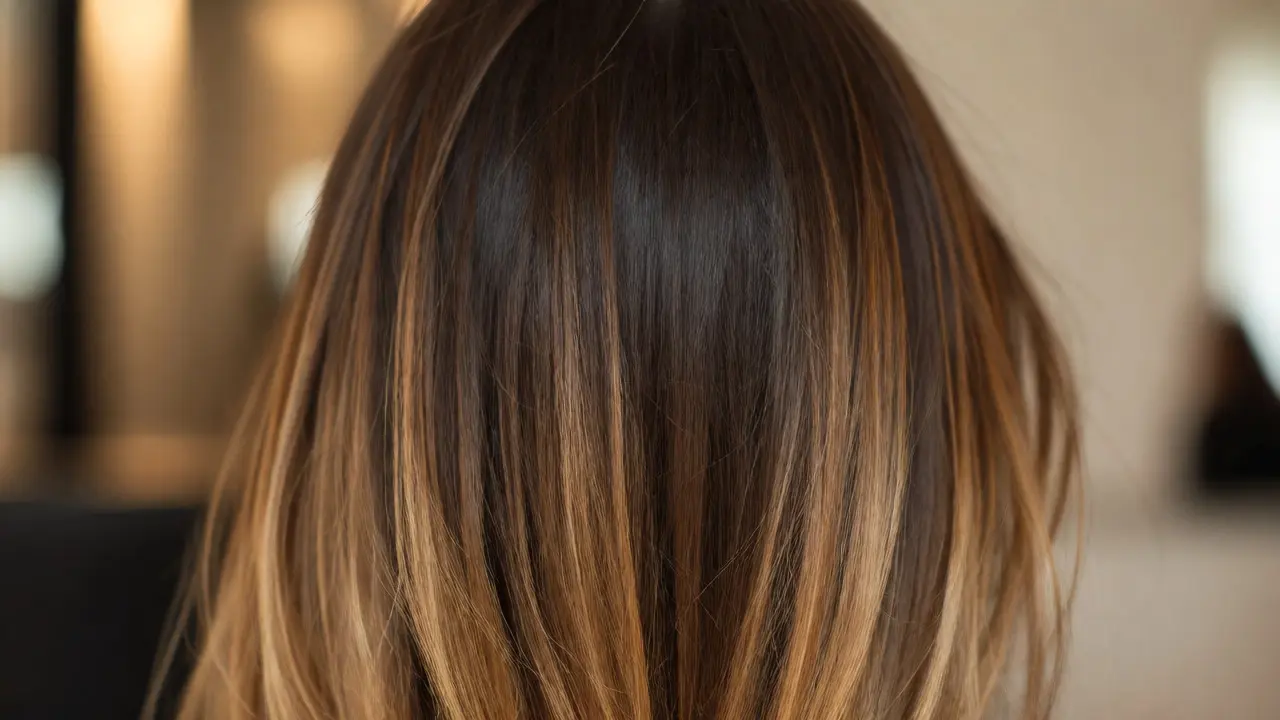
You just spent three hours in the salon chair. The mirror shows a stunning transformation, but you already know the dread that hits two weeks later: that stark line of your natural roots peeking through, signaling it’s time to book another appointment. Most people think picking a "low-maintenance" color means choosing a specific shade name from a swatch book. But here is the truth that professional colorists have been shouting for over a decade: maintainability is not about the color itself-it’s about the distance between your natural base and the applied pigment, and how that pigment was placed.
If you want to stop living at the salon, you need to understand the mechanics of grow-out. This guide breaks down exactly which shades fade gracefully, why technique matters more than tone, and how to keep your hair looking fresh with minimal effort.
The Golden Rule: Stay Within Three Levels
There is a hard-and-fast rule used by experts at places like Wella Professionals and major beauty publications: stay within 2-3 levels of your natural hair color. If your natural hair is a Level 5 (medium brown), going to a Level 6 or 7 is easy. Going to a Level 9 (light blonde) is a commitment.
Why does this matter? When you go more than three shades lighter or darker, the contrast between your dyed hair and your new growth becomes obvious quickly. A sharp demarcation line screams "untouched," forcing you to fix it every 4-6 weeks. When you stay close to your natural level, the regrowth blends seamlessly. You can stretch those salon visits to 8-12 weeks without anyone noticing a thing.
This isn't just opinion; it's physics. Pigment density drops as you lift hair lighter. Darker dyes deposit heavy pigment that masks gray and blends with natural texture. Lighter dyes require bleaching, which damages the cuticle and makes fading uneven. By keeping the shift small, you preserve hair health and hide the clock ticking on your last appointment.
Top Contenders for Lowest Maintenance
While no single color works for everyone, certain families consistently rank as the easiest to manage across expert sources from 2013 to 2026. Here are the winners:
| Color Family | Salon Frequency | At-Home Effort | Best For |
|---|---|---|---|
| Deep Brunette | Every 8-12 weeks | Low (Weekly gloss optional) | Naturally dark hair; hiding grays |
| Honey Bronde | Every 10-12 weeks | Medium (Purple shampoo) | Warm skin tones; medium bases |
| Golden Wheat Blonde | Every 8-10 weeks | Medium (Toning needed) | Naturally light blondes |
| Burgundy / Deep Red | Every 6-8 weeks | High (Color-depositing conditioner) | Fashion lovers wanting longevity |
| Platinum Blonde | Every 3-4 weeks | Very High (Toner + Bond builders) | Those who don’t mind frequent visits |
1. Deep Brunette: The Invisible Grow-Out
For many, deep brunette is the undisputed king of low maintenance. Why? Because if you’re naturally dark, adding a few shades of depth doesn’t create a visible line when your roots grow out. The transition is gradual. Plus, brunette pigments are larger molecules that stain the hair shaft, meaning they fade slowly rather than washing out completely.
Experts note that brunettes can often wait up to 12 weeks between appointments. You might only need a clear gloss to boost shine, not a full recolor. It’s forgiving, healthy for the hair, and looks intentional even when slightly grown out.
2. Honey Bronde: The Sweet Spot
If you want something brighter than brown but aren’t ready for bleach, honey bronde is your best bet. This mix of brown and blonde stays warm enough to blend with natural regrowth while lifting the face. Because it’s not an icy or ash blonde, it doesn’t turn yellow or orange aggressively as it fades. Instead, it softens into a golden hue that mimics sun-kissed hair.
Colorists recommend this for people with medium-brown bases (Level 4-6). It allows for 8-10 week intervals because the warmth in the dye matches the underlying pigment of most human hair, reducing the visual shock of new growth.
3. Burgundy: The Exception Among Fashion Colors
Most vivid colors are high-maintenance nightmares. They fade fast, requiring weekly washes with special shampoos. However, burgundy and deep violet-reds are outliers. These dark, rich tones penetrate deeply and take forever to wash out. Unlike neon pink or teal, which vanish after a few showers, burgundy stains the hair. You can go months before it looks dull, making it surprisingly manageable for a non-natural shade.
Technique Beats Shade Every Time
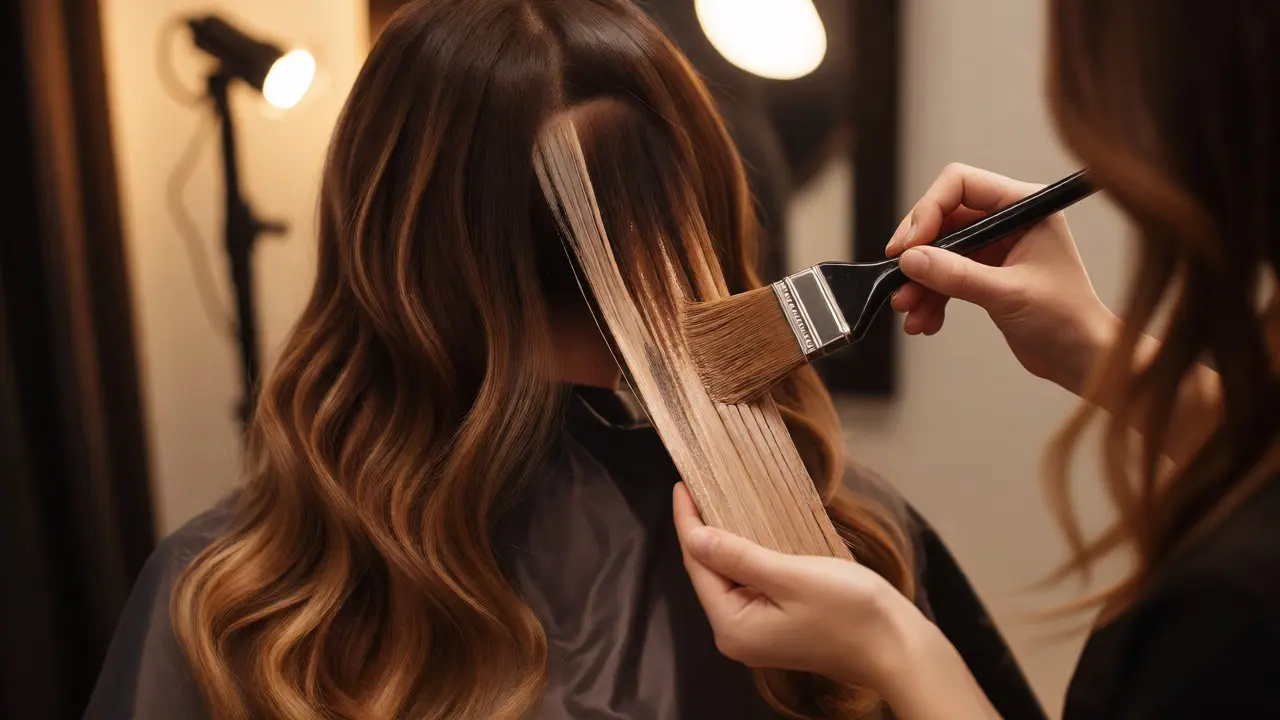
You can pick the perfect color, but if you apply it incorrectly, you’ll still be back in the salon in four weeks. The secret weapon for low maintenance is application technique. Traditional single-process color paints the roots solidly. When those roots grow, you get a hard line. Balayage and Ombré change the game by leaving the roots alone.
With balayage, the colorist hand-paints highlights starting mid-shaft. Your natural root color remains untouched. As your hair grows, there is no harsh line-just a seamless gradient. This technique allows you to stretch partial lightening appointments to every 3 months. Full lightening? Maybe once or twice a year.
Consider this: A solid platinum blonde requires root retouching every 4 weeks to avoid banding. A balayaged bronde can look fresh for 4 months. The difference isn’t just money; it’s time. If you value your weekends, ask for root-shadowing or free-hand painting instead of all-over color.
The Hidden Cost: At-Home Care Reality
Maintenance isn’t just about salon visits. It’s also about what happens in your shower. Some colors demand strict routines to prevent brassiness or fading.
- Blondes: Require purple shampoo to neutralize yellow tones. Skip it, and you’ll look brassy in two weeks.
- Reds: Need color-depositing conditioners every other wash to keep the vibrancy. Red molecules are large and slip out easily.
- Brunettes: Are the easiest here. A sulfate-free shampoo and a weekly hydrating mask are usually enough. You rarely need toning products.
If you hate buying specialty products, stick to brunette or soft brown shades. If you don’t mind using a blue or purple shampoo twice a week, honey blonde is manageable. But if you want zero effort in the shower, deep brunette wins again.
Who Should Avoid Low-Maintenance Claims?
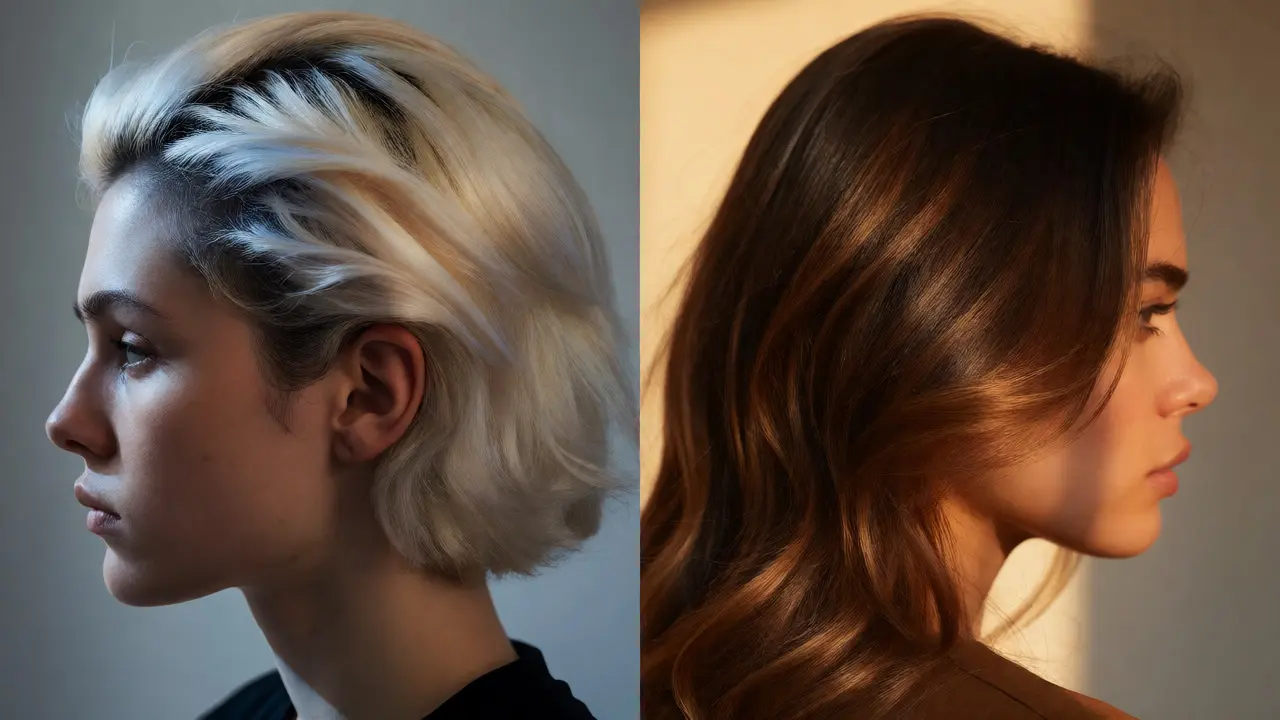
Be honest about your natural base. If you have Level 2 (jet black) hair and want Level 10 (platinum), no amount of "low-maintenance" marketing will save you. You are fighting biology. Lifting eight levels requires bleach, which lifts your natural pigment permanently. Once you stop coloring, you revert to black. That contrast is unavoidable.
Similarly, if you have significant gray hair (over 50%), fashion colors won’t cover it well. You’ll need permanent color for coverage, which brings back the root line issue. In this case, blending techniques like babylights or root smudging are better than solid blocks of color.
Your Action Plan for Easy Color
Ready to simplify your routine? Follow these steps next time you visit your stylist:
- Know Your Level: Ask your stylist what your natural level is. Aim for a target color within 2-3 levels.
- Request Root Softening: Explicitly ask for "root shadowing" or "balayage." Tell them you want to skip root touch-ups for at least 10 weeks.
- Choose Warm Tones: Warm colors (gold, honey, caramel) blend better with natural regrowth than cool tones (ash, platinum), which tend to separate visually.
- Invest in Sulfate-Free Shampoo: Regardless of color, this extends the life of your pigment by preventing premature stripping.
Remember, the goal isn’t perfection; it’s ease. A slightly grown-out brunette looks chic. A grown-out platinum root looks neglected. Choose the path that fits your lifestyle, not just your aesthetic preference.
Is blonde or brunette easier to maintain?
Brunette is generally easier to maintain. It requires less frequent salon visits (every 8-12 weeks vs. 3-4 weeks for platinum) and fewer at-home toning products. Blonde hair, especially light shades, needs regular purple shampoo to combat brassiness and more frequent root touch-ups to hide the contrast with natural regrowth.
Does balayage really reduce maintenance?
Yes, significantly. Balayage leaves the roots untouched, so there is no harsh line of demarcation as hair grows. This allows you to extend salon visits to every 3-4 months, compared to every 4-6 weeks for traditional all-over color.
Which unnatural hair color lasts the longest?
Dark, rich shades like burgundy, deep violet, and espresso brown last the longest among non-natural colors. These pigments penetrate the hair shaft deeply and fade slowly. Bright pastels like pink or teal fade much faster, often requiring reapplication every 2-3 weeks.
How often should I wash my colored hair?
Washing frequency depends on the color. For vibrant reds and coppers, wash less frequently (2-3 times a week) using sulfate-free shampoo to prevent fading. Brunettes and browns are more forgiving and can handle standard washing routines, though limiting heat styling helps preserve shine.
Can I switch to a low-maintenance color without growing out my current dye?
Usually, yes. A colorist can use a "root melt" or filler technique to bridge the gap between your current color and the new low-maintenance shade. This avoids the need for a full grow-out period, allowing you to start enjoying easier maintenance immediately.



Onyinyechi Nwosu
September 20, 2026 AT 01:39deep brunette really is the way to go if you want to save money and time
i used to be a blonde disaster but switching back to my natural dark shade changed everything for me
Chandan Singh
September 20, 2026 AT 10:43While the article correctly identifies that staying within three levels of your natural base reduces maintenance, it oversimplifies the role of hair porosity which dictates pigment retention regardless of color level. High porosity hair will fade faster even with low contrast shades due to cuticle damage from previous chemical services. Furthermore the claim about burgundy being low maintenance ignores the fact that red molecules are larger than other pigments and thus wash out more rapidly unless specific sulfate free protocols are strictly adhered to by the consumer. The distinction between balayage and traditional highlights is also technically inaccurate in this context because balayage still requires toning appointments to prevent brassiness as the underlying warm pigments emerge during oxidation over time. Therefore the conclusion that certain colors are inherently easier to maintain fails to account for individual hair health history and environmental exposure factors like UV radiation and hard water mineral deposits which accelerate fading across all color families equally.
Brenna Gonedrman
September 21, 2026 AT 21:48I literally cannot stress enough how much I hate platinum blonde
It is not just the cost
It is the absolute soul-crushing despair of seeing yellow roots after only ten days
I spent so much money trying to keep it icy and cool
But every single shower felt like a betrayal
The purple shampoo dried out my ends until they snapped off
I cried in the bathroom floor more times than I can count
Going back to brown was the best decision of my life
I feel like a human again instead of a high-maintenance doll
No one notices the difference except me
And honestly that freedom is priceless
Do not let anyone tell you light hair is easy
It is a trap designed to drain your wallet
Embrace the darkness or stay away entirely
Joanna Mucha
September 23, 2026 AT 18:11To reduce the existential dread of aging hair to mere "maintenance" is to misunderstand the ontological relationship between identity and appearance
We do not simply choose colors; we curate our external selves against the backdrop of societal expectation
The "low maintenance" ideal is a capitalist construct designed to sell us products while simultaneously demanding perfection
If one chooses deep brunette, one submits to the invisibility of conformity
One hides within the safe margins of what is deemed acceptable by the gaze of others
Is this truly ease or is it merely a surrender of vibrancy?
The dramatic shift from platinum to brown mentioned above suggests a retreat from risk
A refusal to engage with the chaotic beauty of transformation
We seek comfort in the familiar shades because we fear the judgment of the grown-out root
But perhaps the root line is a map of our journey through time
Why must we erase the evidence of our growth?
The salon chair is a confessional where we confess our desire to remain unchanged
Yet change is the only constant in the fabric of existence
Choose your pigment wisely for it defines the boundaries of your perceived self
Kim Edwards
September 25, 2026 AT 17:41OMG YES THE PAIN IS REAL
I had honey bronde once and thought I was being smart
Two weeks later I looked like a muddy raccoon
My stylist said it would blend naturally
LIES ALL LIES
I had to wear hats everywhere for months
Everyone stared at my neckline
It was humiliating beyond belief
I almost quit coloring forever
Then I went full black
Now nobody says a word
Black is magic
Black is safety
Black is the end of my suffering
Do not trust the swatch book
Trust your trauma
Amara Akbar
September 26, 2026 AT 16:56It is wonderful to see such a comprehensive guide on this topic.
Many individuals struggle with the decision-making process when it comes to hair color.
This article provides clear actionable steps that can help alleviate anxiety.
Understanding the concept of levels is particularly beneficial for beginners.
I encourage everyone to communicate openly with their stylists.
Setting realistic expectations leads to greater satisfaction.
Remember that hair health should always take precedence over trends.
Your confidence shines through when you feel comfortable in your own skin.
Thank you for sharing these valuable insights with the community.
Mark Harvey
September 26, 2026 AT 21:08this is super helpful advice for anyone trying to save cash
staying close to your natural color is definitely the easiest route
you don't have to spend hours worrying about root touchups
just enjoy the process and pick what makes you happy
we all deserve hair that works for our lifestyle
keep smiling and rock that new look with confidence
Art HND
September 27, 2026 AT 06:02Most people lack the discipline for any color
They buy cheap box dye then complain about results
Balayage requires skilled hands not just good intentions
Bad technique ruins even the most forgiving shade
Stop looking for shortcuts
Invest in quality or accept mediocrity
Brandon Olvera
September 27, 2026 AT 06:47Here in the States we waste too much money on beauty standards pushed by foreign industries.
Our natural hair colors are perfectly fine without all this chemical processing.
These salons exploit our insecurity to charge hundreds of dollars.
Just embrace what you were born with and stop listening to marketing nonsense.
Zach Loescher
September 28, 2026 AT 05:52I am curious about the mention of gray coverage blending techniques.
For those with significant grays does root smudging actually hide them effectively?
I have heard mixed reviews on whether permanent color is still necessary for full coverage.
It seems like there might be a middle ground between solid color and no color at all.
Would love to hear experiences from people who have tried babylights specifically for gray blending.
The transition period sounds tricky to manage without visible lines.
Any tips on maintaining the blend between appointments would be appreciated.
I am considering making the switch myself soon.
Thanks for starting the discussion.