

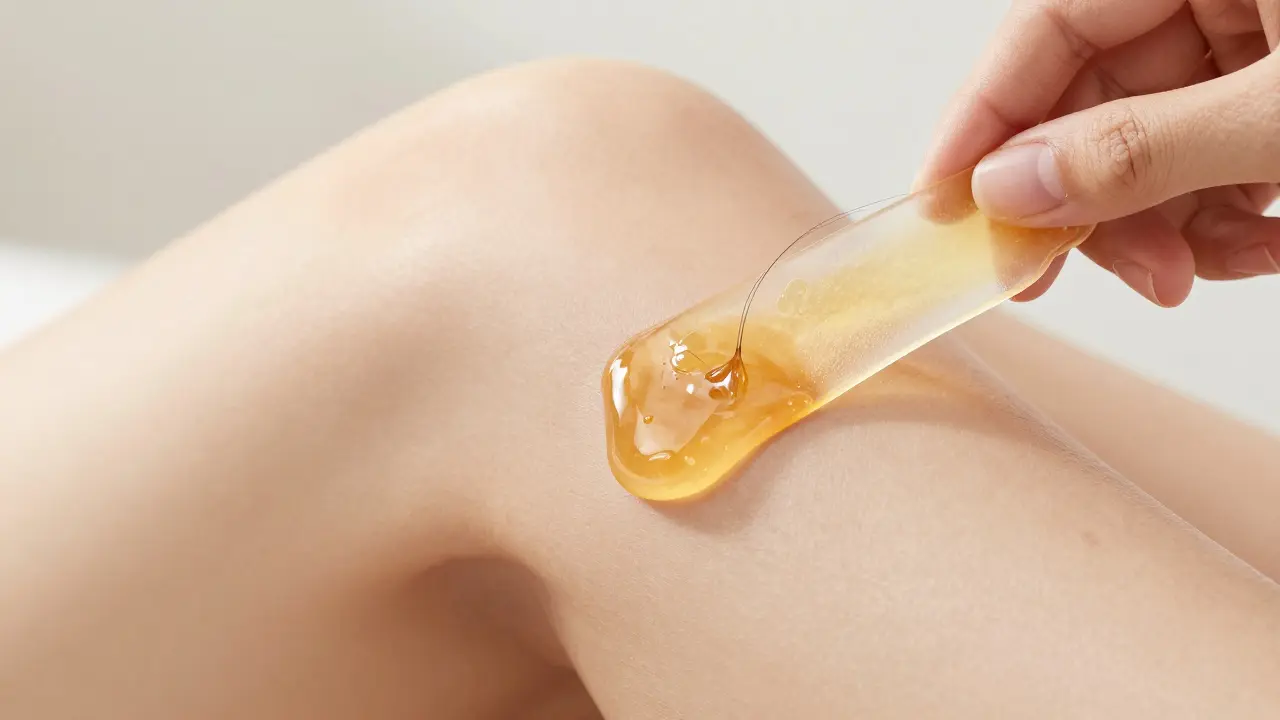
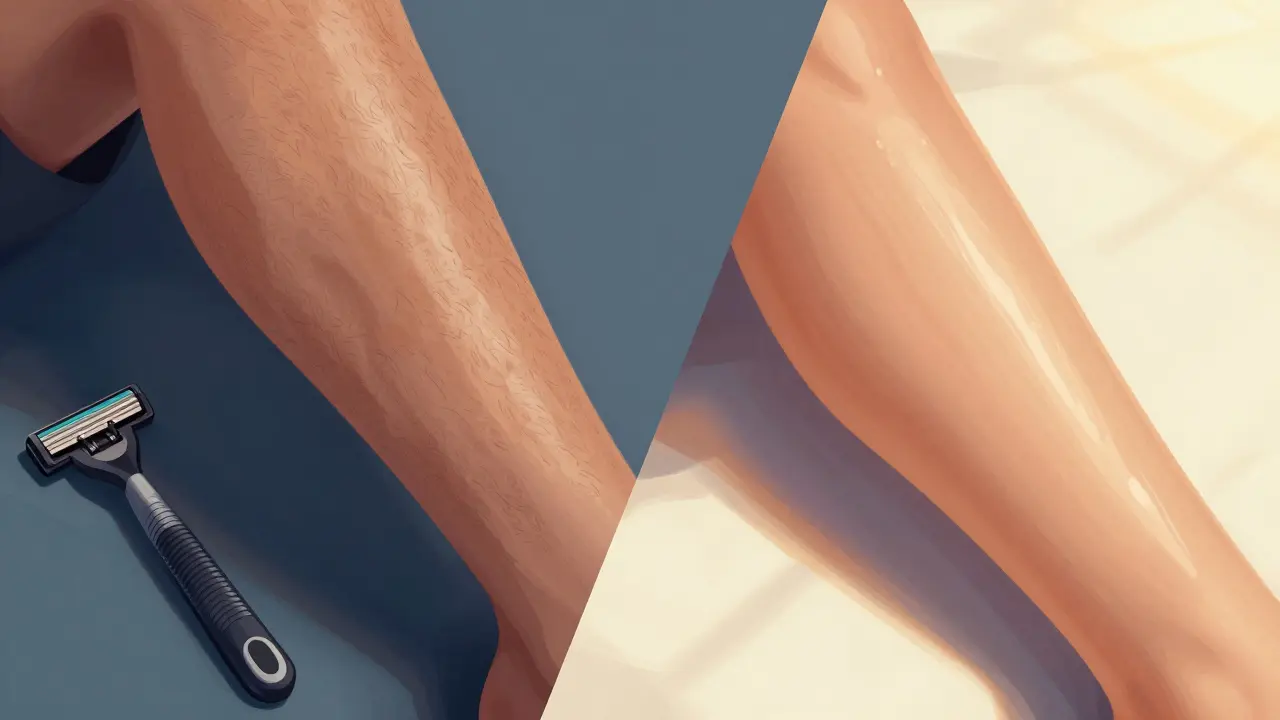
Picture this: you’re getting ready for a big event. You want smooth legs or a clean bikini line, but shaving left stubble that feels like sandpaper after just two days. Shaving is quick, sure, but it’s a daily chore. That’s where waxing comes in. It promises longer-lasting smoothness by pulling hair out from the root. But is it actually worth the pain and the price tag?
The short answer is yes, but with caveats. Waxing isn’t for everyone, and it definitely isn’t a magic bullet. If you have sensitive skin, take blood thinners, or use retinoids, you need to read this carefully before booking an appointment. Let’s break down whether waxing fits your routine, how different wax formulas work, and what you can do to avoid the dreaded ingrown hair.
How Waxing Actually Works
To understand if waxing is right for you, you first need to know what it does to your body. Unlike shaving, which slices hair at the surface, waxing adheres to the hair shaft and pulls it out from the follicle. This process removes the entire hair structure, including the bulb.
Because the root is gone, it takes time for a new hair to grow back. Most people see results last between three to six weeks. Over time, repeated waxing can damage the follicle enough that hair grows back finer, sparser, and slower. Some people even experience permanent reduction in hair density after years of consistent treatment, though true permanent removal usually requires laser therapy.
There are two main types of wax application methods:
- Soft Wax (Warm Wax): Applied thinly with a spatula and removed with cloth strips. It’s great for large areas like legs and arms because it covers more surface area quickly. However, it sticks to the skin as well as the hair, which can be harsh on sensitive zones.
- Hard Wax (Stripless Wax): Applied thickly and allowed to harden. You peel it off directly without strips. Hard wax grips only the hair, not the skin, making it much less painful and safer for sensitive areas like the bikini line, underarms, and face.
The Pros: Why People Choose Waxing
If you’re tired of the razor burn and constant maintenance of shaving, waxing offers several compelling benefits.
Longer-Lasting Results is the biggest selling point. With shaving, you might need to go every other day. With waxing, you can go three to four weeks without touching a tool to your skin. For busy professionals or athletes who spend hours in the shower, this time savings is huge.
Smaller Hair Growth is another long-term benefit. When hair grows back after waxing, it often comes in softer and thinner. This happens because the repeated trauma to the follicle weakens it over time. After six months to a year of regular waxing, many people notice they have significantly less hair than when they started.
No Stubble means no rough texture immediately after treatment. Since the hair is removed from the root, there’s no blunt edge left behind. Your skin feels smooth instantly, unlike the prickly sensation you get within hours of shaving.
The Cons: The Pain and The Risk
Let’s be real: waxing hurts. Especially the first few times. As you become accustomed to it, the pain decreases, but it never fully disappears. If you have a low pain tolerance, this might be a dealbreaker.
Beyond the discomfort, there are risks:
- Skin Irritation and Redness: It’s normal to have red bumps for a day or two after waxing. This is called erythema and usually fades quickly. However, if you have conditions like eczema or psoriasis, waxing can trigger flare-ups.
- Ingrown Hairs: This is the most common complaint. When hair grows back, it can curl under the skin instead of breaking through the surface. This leads to painful, pimple-like bumps. Darker, coarser hair types are more prone to this issue.
- Burns and Tears: If the wax is too hot or applied incorrectly, it can cause burns. Similarly, if the wax is pulled against the direction of hair growth or if the skin isn’t held taut, it can tear the epidermis. Always go to a licensed esthetician to minimize these risks.
- Allergic Reactions: Some waxes contain fragrances, essential oils, or resins that can irritate sensitive skin. Patch testing is crucial if you’ve never used a specific brand before.
Understanding Wax Formulas: What’s in the Pot?
Not all waxes are created equal. The formula determines how well it grips the hair, how painful it is, and how gentle it is on your skin. Here’s a breakdown of common ingredients and their effects.
| Wax Type | Best For | Pain Level | Key Ingredients |
|---|---|---|---|
| Hard Wax | Sensitive areas (bikini, underarms) | Low-Medium | Resin, beeswax, paraffin |
| Soft Wax | Large areas (legs, arms) | Medium-High | Rosin, gum arabic, oils |
| Sugar Wax | Eco-conscious users, very sensitive skin | Low | Sugar, lemon juice, water |
| Honey Wax | Dry skin, fine hair | Low | Natural honey, beeswax |
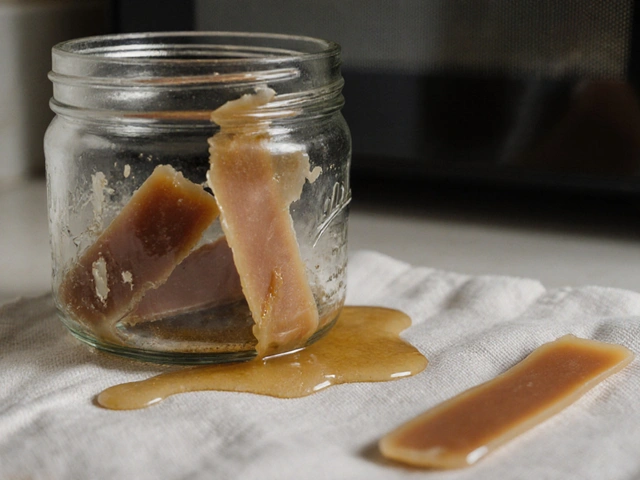
Sugar Wax, also known as sugaring, has gained popularity recently. It’s made from natural ingredients-just sugar, lemon, and water. Because it’s water-soluble, it’s easy to clean up and less likely to cause allergic reactions. It also adheres only to dead skin cells and hair, making it gentler than traditional waxes. However, it requires a specific technique (pulling parallel to the skin rather than against it) to work effectively.
Traditional Beeswax blends offer a balance between grip and flexibility. They are often infused with soothing agents like chamomile or lavender to reduce redness. Look for formulas labeled “for sensitive skin” if you’re prone to irritation.
Who Should Avoid Waxing?
Waxing isn’t suitable for everyone. You should skip the wax pot if you fall into any of these categories:
- Using Retinoids or Accutane: These medications thin the skin and make it fragile. Waxing can rip the skin off. Wait at least six months after stopping Accutane and two weeks after stopping topical retinoids before waxing.
- Diabetes or Poor Circulation: Healing may be slower, increasing the risk of infection or scarring.
- Recent Sunburn or Tanning: Freshly tanned or burned skin is too sensitive. Wait until the skin has fully recovered.
- Active Skin Infections: Don’t wax over herpes outbreaks, cold sores, fungal infections, or open wounds.
- Blood Thinners: Medications like warfarin increase bleeding risk. Minor bleeding from follicles is common during waxing, but it can be excessive for those on anticoagulants.

Preparation and Aftercare: Making It Work
If you decide to try waxing, preparation is key to minimizing pain and maximizing results. Here’s a simple checklist:
- Exfoliate: Two days before your appointment, gently exfoliate the area with a scrub or dry brush. This removes dead skin cells and helps prevent ingrown hairs.
- Check Hair Length: Hair needs to be at least 1/4 inch long (about the length of a grain of rice). If it’s shorter, the wax won’t grip it. If it’s longer, trim it first to reduce pain.
- Clean Skin: Shower before your appointment, but don’t apply lotions, oils, or deodorant. Clean, dry skin ensures the best adhesion.
- Pain Management: Take an ibuprofen 30 minutes before your session if you’re worried about pain. Avoid caffeine, which can heighten sensitivity.
Aftercare is equally important. For the first 24-48 hours:
- Avoid hot showers, saunas, and swimming pools.
- Don’t exercise heavily; sweat can irritate open follicles.
- Wear loose clothing to prevent friction.
- Apply a soothing product like aloe vera or a post-wax lotion containing tea tree oil to calm inflammation.
Starting one week after waxing, resume exfoliation every two to three days. This is the single most effective way to prevent ingrown hairs. Use a chemical exfoliant with glycolic acid or salicylic acid if physical scrbs feel too harsh.
Waxing vs. Other Methods: A Quick Comparison
How does waxing stack up against its competitors?
- Shaving: Cheaper and painless, but requires frequent maintenance and causes stubble. Best for quick fixes.
- Depilatory Creams: Chemical-based, painless, but can cause severe allergic reactions and smell terrible. Results last slightly longer than shaving but less than waxing.
- Laser Hair Removal: Expensive upfront, requires multiple sessions, but offers near-permanent reduction. Best for long-term investment. Not effective on light blonde, gray, or red hair.
- Epilating: Similar to waxing but uses a mechanical device to pluck hairs. Less messy, but can be very painful and slow for large areas.
For most people seeking a balance of cost, convenience, and longevity, waxing remains the gold standard for temporary hair removal. It’s better than shaving if you hate stubble, and cheaper than laser if you don’t want to commit to permanent removal yet.
Final Thoughts: Is It Worth It?
Waxing is a good choice if you value smooth skin, are willing to endure occasional discomfort, and want results that last weeks rather than days. It’s particularly effective for larger body areas and can lead to finer hair over time. However, if you have highly sensitive skin, are on certain medications, or have a low pain threshold, you might want to explore alternatives like sugaring or laser.
Remember, consistency is key. Don’t expect perfection from the first session. Give your body a few cycles to adjust, find a skilled technician, and invest in proper aftercare. Your skin will thank you.
Does waxing hurt more than shaving?
Yes, waxing is generally more painful than shaving because it removes hair from the root. Shaving cuts hair at the surface, causing minimal discomfort. However, the pain from waxing is brief and tends to decrease with each subsequent session as hair becomes finer and sparser.
How long does it take for hair to grow back after waxing?
Hair typically starts to grow back within 3 to 6 weeks after waxing. The exact timing depends on your individual hair growth cycle, genetics, and the area of the body. Over time, with regular waxing, hair may grow back slower and thinner.
Can I wax if I have sensitive skin?
Yes, but you should opt for hard wax or sugar wax, which are gentler on the skin. Always do a patch test 24 hours before a full session to check for allergic reactions. Inform your esthetician about your sensitivity so they can use appropriate products and techniques.
What should I do if I get ingrown hairs after waxing?
To treat ingrown hairs, exfoliate the area gently twice a week using a chemical exfoliant with glycolic or salicylic acid. Apply warm compresses to help bring the hair to the surface. Avoid picking or squeezing the bumps, as this can lead to infection and scarring.
Is waxing safe during pregnancy?
Waxing is generally considered safe during pregnancy, but skin can become more sensitive due to hormonal changes. It’s advisable to consult with your healthcare provider first. Many pregnant women find that waxing becomes more painful, especially in the later stages of pregnancy.



michael rome
June 21, 2026 AT 15:58Look, I get that the article says waxing is the gold standard, but let's be real about the timeline here. Three to six weeks? That sounds great on paper, but in practice, you're dealing with a biological clock that doesn't care about your calendar. I've been waxing my legs for years and while the hair does come back softer, it definitely comes back. The key isn't just the wax itself, it's the consistency. If you miss a window by even a few days, you'll have patchy growth that looks worse than shaving. Also, the part about retinoids is crucial. So many people don't realize that Accutane stays in your system for months. You rip your skin off if you're not careful. It's not worth the risk for smooth legs.
Edward Nigma
June 23, 2026 AT 06:36Waxing is overrated trash honestly. You pay someone to rip your skin off and then you still have to exfoliate or you get ingrowns. Shaving is free and takes two minutes. Why do people make this into such a big deal?
Jeanne Abrahams
June 24, 2026 AT 05:31Oh, look at you, Edward, playing the contrarian again because you clearly have never experienced the joy of sandpaper legs after shaving. Waxing hurts, yes, but so does stubble. And no, it's not 'trash' unless you have zero pain tolerance and a wallet full of holes from buying razors every week. The article actually explains why hard wax is better for sensitive areas, which you probably skimmed over. Try reading before typing next time.
Francis Laquerre
June 26, 2026 AT 04:01I must say, the distinction between soft and hard wax is incredibly important and often overlooked by beginners. In my experience living in various climates, humidity affects how the wax adheres, which can change the entire outcome of the session. Hard wax is truly a game-changer for those of us who are prone to irritation. It grips the hair without adhering to the epidermis, which minimizes the trauma to the skin. I always recommend asking your esthetician specifically for hard wax on the bikini line and underarms. It is less painful and significantly reduces redness. The cultural aspect of grooming varies wildly, but the science of follicle removal remains consistent across borders. We should embrace methods that respect our skin's integrity rather than just enduring pain for the sake of tradition.
Bineesh Mathew
June 26, 2026 AT 21:34The philosophical implication of removing hair from the root is profound. It is a ritual of shedding the old self, literally pulling out the roots of our vanity. But we must ask ourselves: is the pain a necessary sacrifice for beauty? Or is it a societal construct designed to keep us in a cycle of discomfort? Ingrown hairs are the karmic retribution for our desire for perfection. They curl back into the skin, hiding away like secrets we cannot confess. We exfoliate to uncover them, to force truth to the surface. It is a violent act against our own biology. Yet we do it anyway, driven by an insatiable hunger for smoothness that can never truly be satisfied. The follicle weakens, yes, but does the soul weaken too?
Stephanie Frank
June 27, 2026 AT 12:09Let's analyze the toxicity of the advice given here. Telling people to take ibuprofen before waxing is basically admitting that the procedure is abusive. If you need painkillers to remove hair, maybe the method is flawed. Also, the article suggests glycolic acid for ingrowns, which is fine, but what about the environmental impact of all these disposable strips? Soft wax requires cloth strips, which generate waste. Sugar wax is touted as eco-friendly, but does it really work as well? Probably not, otherwise everyone would use it. The industry pushes soft wax because it's cheaper for salons, not because it's better for you. Wake up sheeple.
Oskar Falkenberg
June 29, 2026 AT 08:49i think the bit about sugar wax is really interesting because i tried it once and it wasnt as bad as regular wax but it took forever to apply. the technician was lovely though and kept chatting to distract me which helped a lot. i found that wearing loose clothes afterwards was essential because tight jeans just rubbed against the raw skin and it stung something fierce. also make sure you dont go swimming straight after because chlorine is brutal on freshly waxed skin. its all about patience really and finding a good place near you that uses high quality products. hope this helps anyone thinking of trying it for the first time
om gman
June 30, 2026 AT 20:00oh wow another generic guide on waxing like we havent all suffered through this nonsense for decades. you really think telling us to exfoliate will stop ingrowns? please. genetics play a bigger role than any scrub you buy at the drugstore. and dont get me started on the pain scale being subjective. some people cry over a papercut and others laugh through a Brazilian. stop making excuses for your low pain tolerance. just suck it up and deal with the heat. also the table is useless because half these waxes taste like garbage if you accidentally lick them which has happened more times than id like to admit
Caitlin Donehue
July 1, 2026 AT 14:16I just noticed that the article mentions avoiding caffeine before waxing. I had no idea caffeine could affect pain sensitivity during procedures like this. Does that mean coffee lovers are doomed to feel everything more intensely? I usually drink a cup right before my appointments to wake up, but maybe I should switch to herbal tea instead. It makes sense logically since caffeine increases heart rate and alertness, which might heighten nerve response. I wonder if decaf would still cause the same issue or if it's strictly the stimulant effect. Just curious about the science behind it.
Keith Barker
July 1, 2026 AT 20:21waxing is a choice. laser is an investment. shaving is a chore. pick your poison. the article covers the basics well enough. dont overthink it. just do it or dont. life goes on either way. hair grows back regardless of what you do. accept the cycle. entropy wins eventually. smooth skin is temporary. chaos is permanent. embrace the stubble if you want. nobody cares as much as you think they do. move on.