

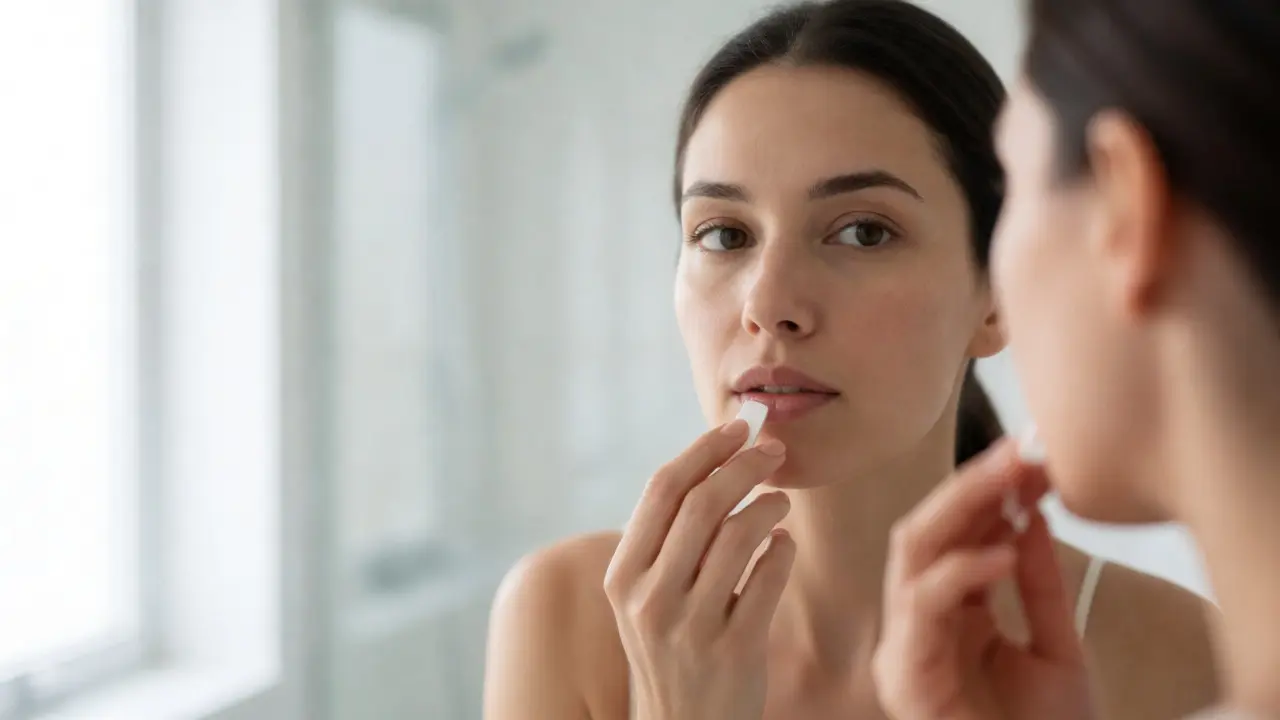
You’re staring in the mirror, trying to decide if you should book that appointment or just grab a box of wax strips from the drugstore. It’s a common dilemma. Upper lip waxing is one of the most popular beauty treatments out there because it promises smooth skin for weeks, but it also comes with a reputation for being painful and potentially irritating. Is it worth the hassle? The answer isn’t black and white-it depends on your pain tolerance, your skin type, and how much effort you want to put into maintenance.
If you’ve ever wondered whether the temporary sting is worth the long-term smoothness, you’re in the right place. We’re breaking down exactly what happens when you wax your upper lip, why people love it, and the specific downsides you need to know before you pull that strip off.
The Quick Summary
- Long-Lasting Results: Hair takes 3-6 weeks to grow back, unlike shaving which lasts days.
- Pain Factor: The upper lip is sensitive; expect sharp discomfort during removal.
- Skin Risks: Redness, ingrown hairs, and potential burns are real risks if done incorrectly.
- Cost Efficiency: DIY kits are cheap ($10-$20), while professional services cost $15-$40 per session.
- Maintenance: You must let hair grow to at least 1/4 inch before your next session.
Why People Choose Waxing Over Other Methods
Let’s be honest: plucking is tedious, and shaving leaves stubble by noon. Waxing works differently. Instead of cutting the hair at the surface, it pulls the entire strand out from the root. This means your skin stays smooth longer because the follicle needs time to produce new hair. Most people see results lasting between three to six weeks. That’s a huge win compared to daily shaving.
Another big plus is that over time, hair often grows back finer and sparser. When you consistently remove hair from the root, the follicle can weaken. Some users report needing less frequent appointments after a year of regular waxing. It’s not magic, but it’s a tangible benefit if you stick with it.
Then there’s the exfoliation bonus. Waxing removes dead skin cells along with the hair. Your upper lip area often looks brighter and feels smoother immediately after treatment. If you struggle with dry patches around your mouth, this side effect might actually improve your makeup application. Foundation sits better on freshly waxed skin than on shaved, stubbly skin.
The Pain Reality Check
We have to talk about the pain. No amount of marketing can hide the fact that pulling hair out hurts. The upper lip is particularly sensitive because the skin is thin and close to nerve endings. If you’ve never waxed before, brace yourself. The sensation is a quick, sharp sting that fades within seconds.
How bad is it really? Think of it like a rubber band snap, but multiplied across a small area. For many, it’s manageable. But if you’re on your period, pregnant, or taking certain medications like retinoids, your skin will be more sensitive. Pain tolerance varies wildly. Some folks barely flinch; others tear up. If you’re terrified of pain, consider numbing cream applied 30 minutes prior, though check with a professional first to ensure it doesn’t interfere with the wax adhesion.
| Method | Pain Level (1-10) | Duration of Smoothness |
|---|---|---|
| Shaving | 1 | 1-3 Days |
| Plucking | 4 | 2-4 Weeks |
| Waxing | 7 | 3-6 Weeks |
| Laser | 5 | Months/Years |
Common Side Effects and Risks
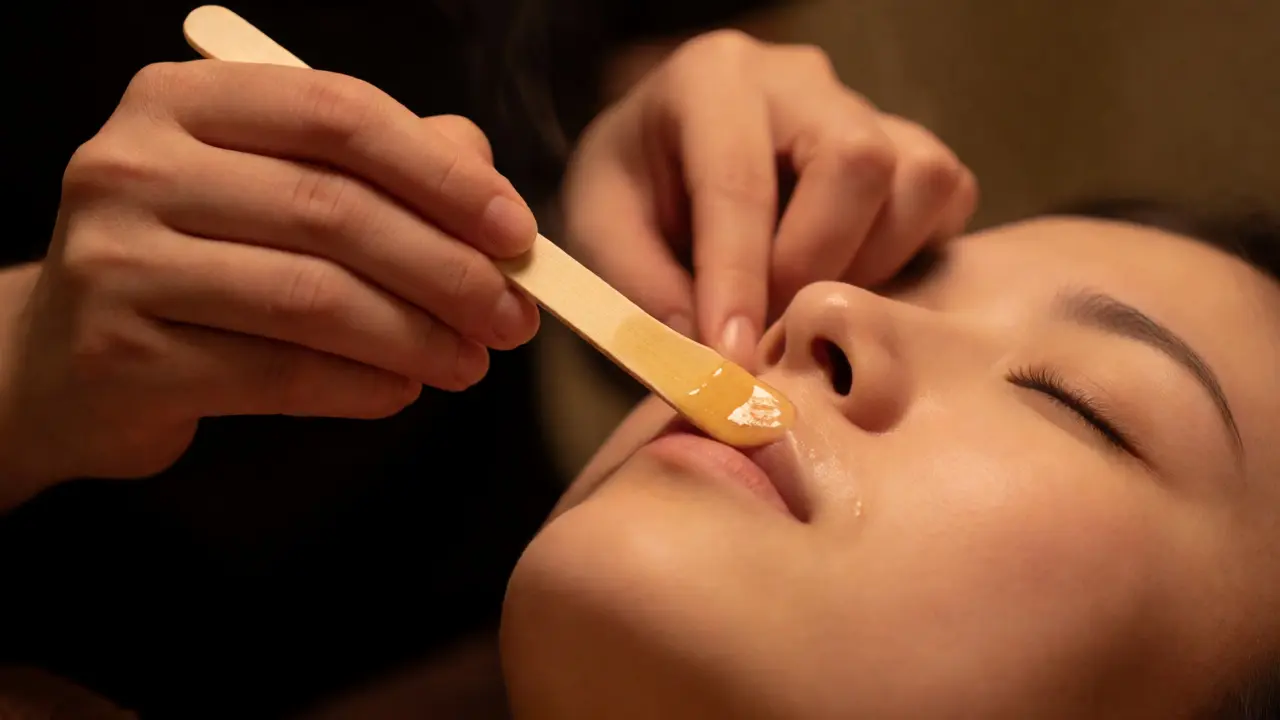
It’s not all sunshine and smooth cheeks. Waxing can go wrong, especially if you’re doing it at home without proper technique. The most common issue is redness. Your skin will likely look pink or irritated for a few hours. This usually subsides quickly, but if you have rosacea or sensitive skin, it might linger longer.
Ingrown hairs are another major complaint. When hair breaks below the surface instead of coming out cleanly, it can curl back into the skin. This causes little bumps that look like acne. To prevent this, you need to exfoliate gently two days after waxing. Scrubbing too soon can irritate the fresh skin, so timing matters.
Burns are rare but possible, especially with hot wax. If the wax is too hot, it can scald the delicate skin above your lip. Always test the temperature on your wrist first. With cold wax strips, the risk is lower, but you might experience bruising if you pull against the direction of hair growth. Never rip the strip upward; always pull parallel to the skin, in the opposite direction of hair growth.
DIY Kits vs. Professional Services
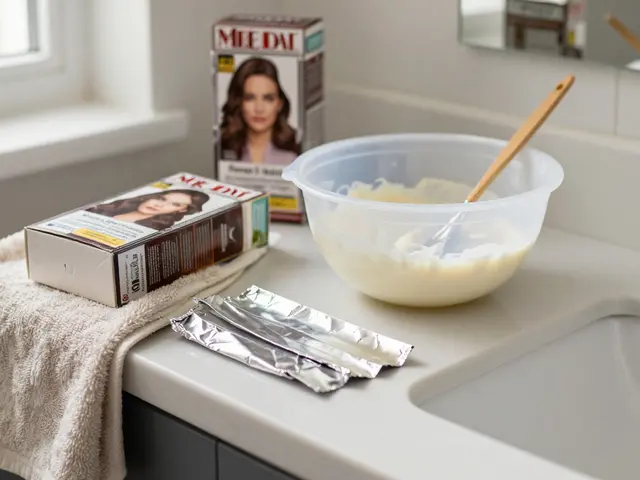
Should you buy a kit or pay a pro? This decision impacts both your wallet and your peace of mind. At-home kits using pre-made strips are convenient and cheap. A box of 20 strips costs about $10-$15 and lasts months. However, they aren’t always effective on coarse facial hair. Sometimes the strip won’t grip enough, leaving you with broken hairs and frustration.
Professional estheticians use hard wax, which grips the hair but not the skin. This reduces pain and irritation significantly. They also know the correct angle to pull and how to prep your skin. In Asheville, where I live, a basic upper lip wax ranges from $15 to $25. While pricier upfront, the results are cleaner, and the risk of botching it is minimal. If you’re nervous about doing it yourself, paying for one professional session to see the technique can be worth the investment.
Preparation and Aftercare Tips
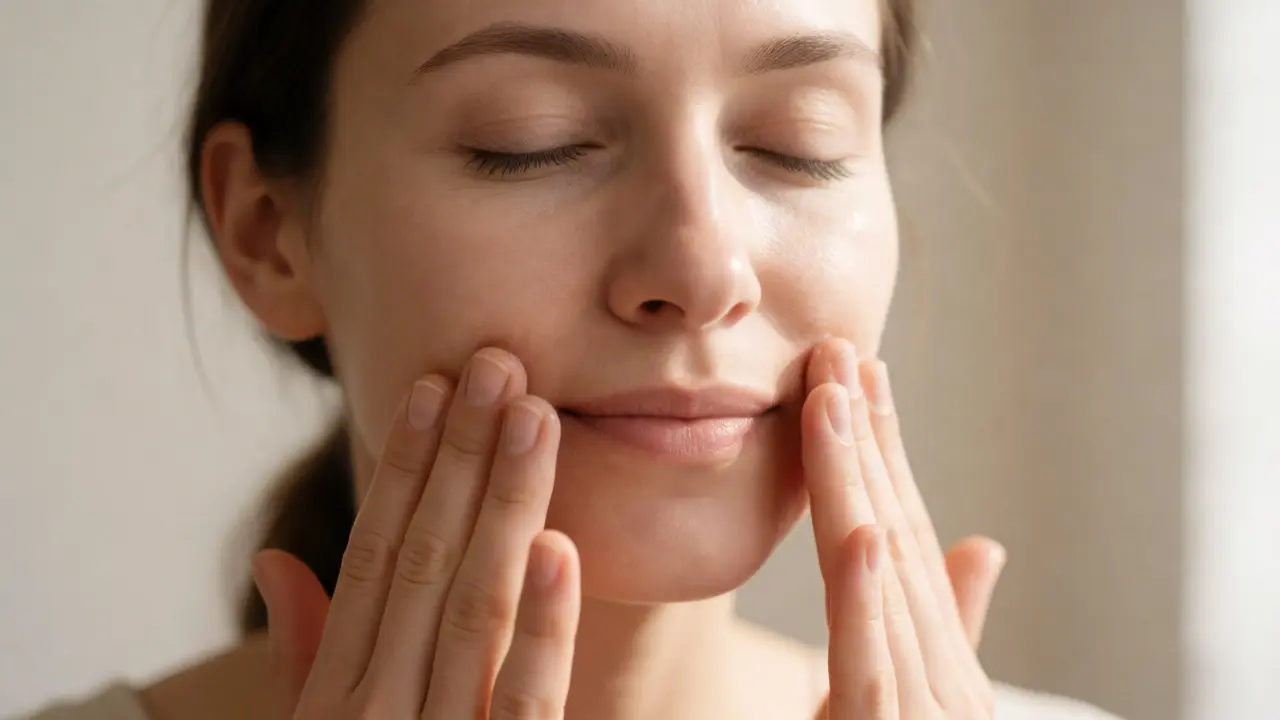
Success lies in preparation. Don’t show up to your appointment-or start your DIY session-with lotions or oils on your face. These create a barrier that prevents the wax from sticking. Wash your face with a gentle cleanser and pat it dry completely. If your hair is too short, the wax won’t grab it. Aim for about 1/4 inch of length. If you shave, wait at least two weeks before waxing again.
Aftercare is just as critical. Avoid sun exposure for 24 hours post-wax. Freshly waxed skin is more susceptible to UV damage and hyperpigmentation. Wear SPF if you’re going outside. Also, skip heavy makeup for the rest of the day. Let the pores breathe. Applying aloe vera gel or a product containing chamomile can soothe inflammation. Avoid tight masks or scarves that rub against the area.
Who Should Skip Waxing?
Not everyone is a candidate for waxing. If you use topical retinoids, Accutane, or strong chemical exfoliants like glycolic acid, your skin is thinner and more prone to lifting. Waxing can literally pull layers of skin off, leading to raw spots that take weeks to heal. Consult your dermatologist before proceeding.
People with active cold sores (herpes simplex) should avoid waxing until the outbreak clears. The trauma of waxing can trigger a flare-up or spread the virus. Similarly, if you have moles, warts, or open wounds in the area, work around them carefully or ask a professional to trim those hairs instead.
Frequently Asked Questions
How long does an upper lip wax last?
Typically, results last between 3 to 6 weeks depending on your individual hair growth cycle. Factors like hormones, genetics, and age play a role. Regular waxing can eventually slow down regrowth.
Does waxing make hair grow back thicker?
No, this is a myth. Shaving creates blunt edges that feel coarse, but waxing removes the whole hair. Regrowth may feel softer initially because the tip is tapered. Over time, consistent waxing can lead to finer, sparser hair.
Can I wax my upper lip if I have sensitive skin?
Yes, but proceed with caution. Use hard wax, which is gentler than soft wax strips. Patch test first. Avoid products with fragrance. Consider seeing a professional who specializes in sensitive skin treatments.
What should I do if I get a burn from wax?
Apply cool compresses immediately. Do not ice directly on the skin. Use aloe vera or antibiotic ointment to keep it moist. Avoid picking at any blisters. See a doctor if the burn covers a large area or shows signs of infection.
Is it safe to wax during pregnancy?
Generally yes, but skin sensitivity increases during pregnancy. Pain may feel more intense. Ensure the salon uses single-use applicators to maintain hygiene. Consult your OB-GYN if you have concerns about skin reactions.


Dave Gibbeson
September 5, 2026 AT 16:09Listen up because I am tired of seeing people suffer through bad DIY jobs. You need to stop buying those cheap drugstore strips if you have coarse hair. They do not grip properly and you end up breaking the hair instead of pulling it from the root. That is why your skin gets red and irritated for days. Go to a professional who uses hard wax. Hard wax shrinks around the hair and does not stick to the skin. It hurts less and it works better. Do not waste your time with soft wax on your face. It is a disaster waiting to happen. If you are serious about smooth skin you need to invest in quality products or services. Stop cutting corners and start getting results that actually last. Your face deserves better than a ripped-off strip that leaves stubble behind.
Sabrina Newland
September 6, 2026 AT 14:52i totally agree with this but i think we forget how much pain tolerance varies 🥺 like my friend cried during her first lip wax and now she refuses to go back even though her skin looks amazing 😭 maybe its just psychological? or maybe our nerves are just wired differently 🤔 i always feel like i should be tougher about it but then the sting hits and im like no thanks 👋🏼
Amara Akbar
September 7, 2026 AT 09:20I completely understand that hesitation. Pain is subjective and valid. However, preparation can significantly reduce discomfort. Try taking an over-the-counter anti-inflammatory medication thirty minutes before your appointment. This helps mitigate the initial shock. Also ensure your skin is clean and free of oils. A calm mindset also aids in reducing perceived pain levels. You are doing great by considering all factors.
Mark Harvey
September 8, 2026 AT 04:36hard wax is a game changer honestly
ive been doing diy for years and kept getting ingrowns until i switched to hard wax at home kit
much less painful and way smoother
dont give up on it just because the first try hurt
Art HND
September 9, 2026 AT 03:56Laser is superior. Waxing is temporary suffering for marginal gains. Why repeat the pain every month when you can pay once and be done? Most people lack the discipline for consistent maintenance anyway. Just get laser and move on with your life.
Brandon Olvera
September 10, 2026 AT 15:59Laser costs too much upfront.
Waxing keeps money in local businesses.
Support small business owners not big tech laser chains.
Elizabeth Brooks
September 11, 2026 AT 10:52omg yes please mention exfoliation!!!
i forgot to exfoliate after my last one and got so many bumps 😩
use a gentle scrub 2-3 days later not right away!!
also dont wear makeup same day lol it clogs pores
hope this helps anyone struggling with ingrowns!
Deb Kortyna, MBA
September 12, 2026 AT 05:51It is imperative to note that improper technique can lead to significant dermatological complications. The article rightly highlights the risk of burns; however, it understates the potential for hyperpigmentation in darker skin tones. One must exercise extreme caution. Furthermore, the assertion regarding cost efficiency overlooks the cumulative expense of professional appointments versus the initial investment in high-quality home devices. We must consider the long-term financial implications carefully.
alex kobri
September 13, 2026 AT 10:53i think people underestimate the mental aspect of waxing
it’s not just physical pain it’s the anticipation that kills you
once you realize it’s over in seconds the fear diminishes
but yeah sensitive skin folks be careful with retinoids
skin lifting is real and ugly
Zach Loescher
September 14, 2026 AT 03:44Interesting breakdown. I personally prefer threading as it avoids chemical exposure entirely. No wax residue to worry about. Less irritation for me overall. Different strokes for different folks.