
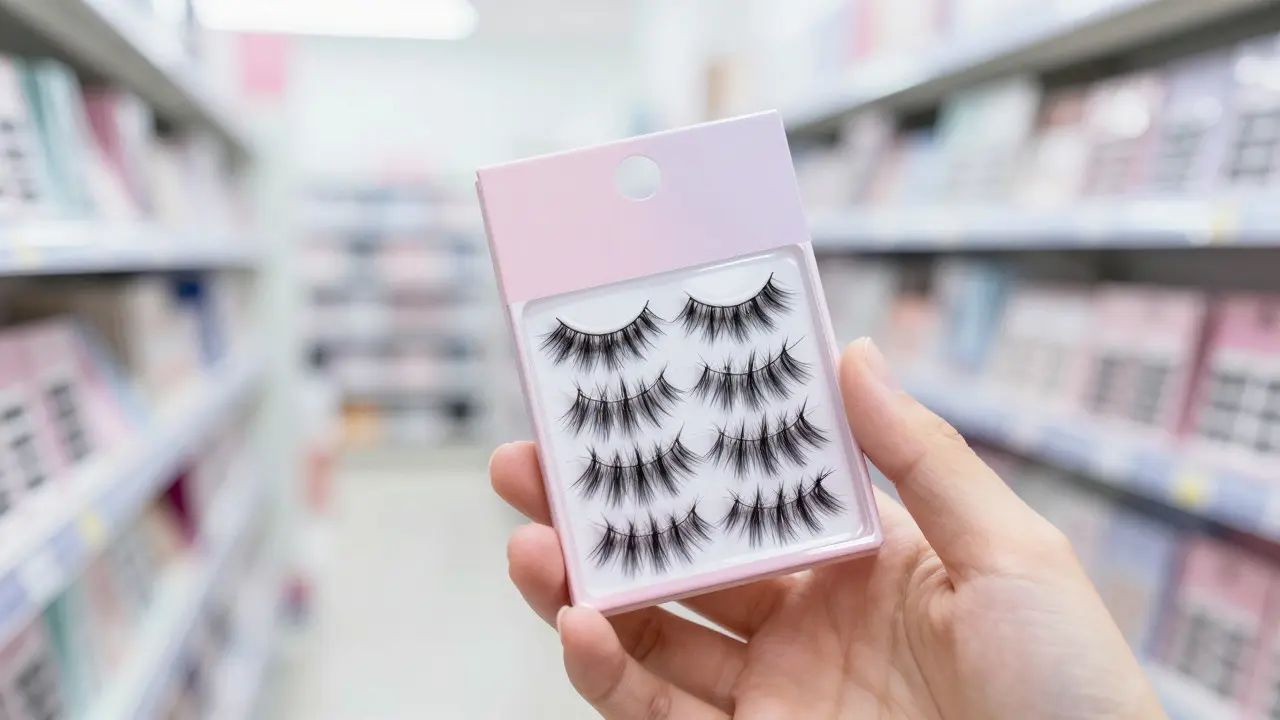
Walking into a beauty store and seeing the word "natural" on a box of false eyelashes can be confusing. Does it mean they are made from mink fur? Or is it just marketing fluff for synthetic plastic that will sit in a landfill for 500 years? If you care about your carbon footprint or hate the idea of animal testing, you need to know exactly what eco-friendly lashes are before you buy another pair.
The truth is, the beauty industry has been slow to adapt. For decades, the standard was either cheap, non-biodegradable synthetic fiber or luxurious but ethically questionable mink. But that landscape is changing fast. Today, you have real options that don't force you to choose between looking good and doing right by the planet. Let's break down what these products actually are, how they differ from the old standards, and how to spot a genuine eco-brand versus a greenwashing scam.
Defining Eco-Friendly Lashes: More Than Just Marketing
At its core, an eco-friendly lash is a cosmetic product designed to minimize environmental impact across its entire lifecycle. This isn't just about the material the lash itself is made of. It covers where the raw materials come from, how the factory treats its workers, whether animals were harmed during production, and what happens to the product when you throw it away.
When we talk about Eco-Friendly Lashes is a category of false eyelash extensions made from sustainable, biodegradable, or recycled materials with minimal environmental footprint. These products usually fall into three main buckets: plant-based fibers, recycled synthetics, and certified cruelty-free animal alternatives (though the latter is rare now).
The key differentiator is transparency. A truly sustainable brand will tell you exactly what the lash is made of. If the label just says "natural fibers," keep looking. You want specifics like "bamboo fiber," "silk protein," or "recycled PET."
The Material Breakdown: What Are They Made Of?
To understand if a lash is truly green, you have to look at the source material. Here is a quick guide to the most common types you will find on the market today.
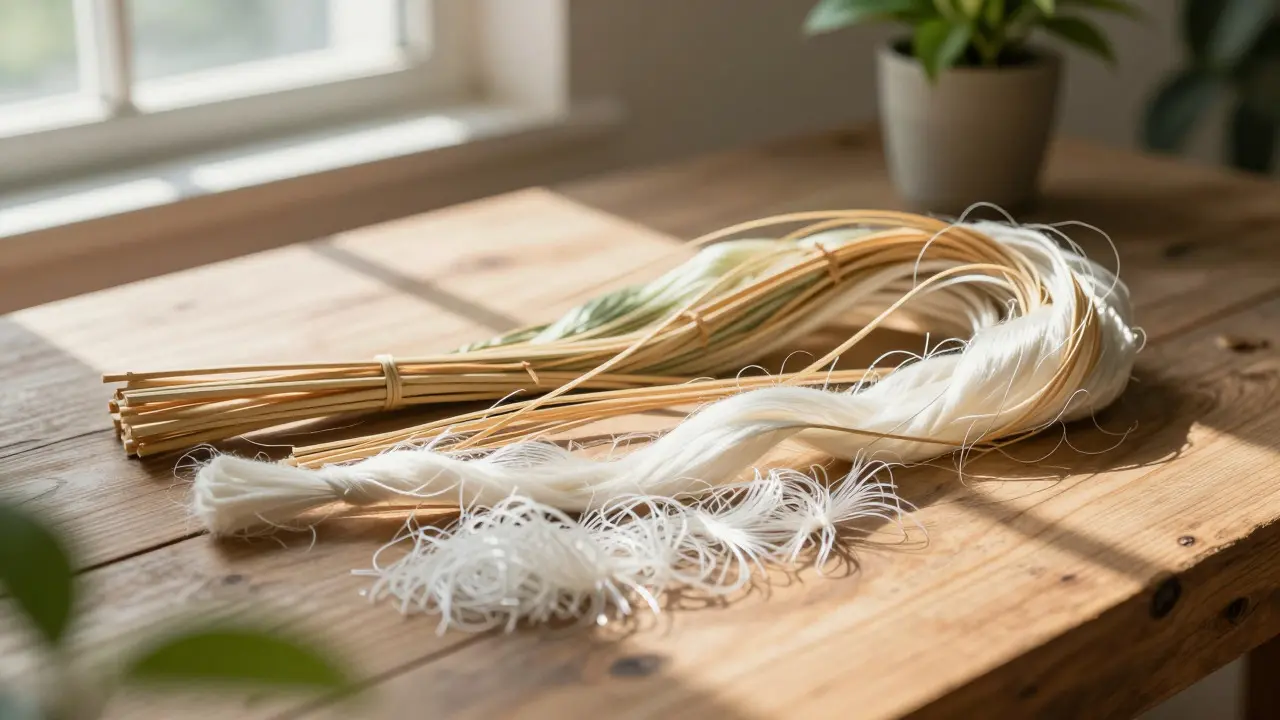
- Bamboo Fiber: Bamboo grows incredibly fast without needing pesticides or excessive water. It is strong, flexible, and fully biodegradable. Many high-end brands use bamboo pulp processed into fine threads that mimic the look of human hair.
- Silk Protein: Silk is a natural protein fiber. While traditional silk farming has had ethical debates regarding silkworms, many modern producers use "peace silk" or "ahimsa silk," where moths are allowed to emerge from their cocoons before the fiber is harvested. This makes it a more humane option.
- Recycled Polyester (PET): Not all plastics are bad. Some brands take post-consumer plastic bottles, melt them down, and spin them into micro-fibers for lashes. Since the plastic already exists, this diverts waste from landfills. However, it is not biodegradable, so proper disposal is crucial.
- Cotton & Jute Blends: Sometimes used for thicker, bolder styles, these natural fibers are highly renewable and easy to compost.
Avoid anything labeled simply as "synthetic" unless it specifies "recycled." Standard virgin polyester is derived from petroleum and releases microplastics every time you wash your face or shower.
Cruelty-Free vs. Vegan: Knowing the Difference
These two terms are often used interchangeably, but they mean very different things. Confusing them can lead you to buy a product that still supports animal testing.
Vegan Lashes are products that contain no animal-derived ingredients whatsoever. This means no mink, no rabbit fur, no silk, and no carmine (a red pigment often made from insects). If you are strict about avoiding all animal exploitation, vegan is your baseline requirement.
Cruelty-Free Lashes are products that guarantee no animal testing occurred during development or final production. A lash can be cruelty-free but not vegan (if it uses silk), or vegan but not cruelty-free (if the brand tests on rabbits in certain markets). For the best ethical standing, look for brands that are both. Certifications from Leaping Bunny or PETA’s Beauty Without Bunnies program provide third-party verification that these claims are true.

How to Spot Greenwashing
Greenwashing is when a company spends more time and money marketing a product as environmentally friendly than actually making it so. In the lash industry, this is rampant. Here is how to protect yourself.
- Check the Supply Chain: Does the brand say where the fibers are grown or sourced? Vague terms like "sustainable sourcing" without details are a red flag.
- Look for Third-Party Certifications: Labels like GOTS (Global Organic Textile Standard) for organic cotton blends or FSC (Forest Stewardship Council) for bamboo packaging add credibility.
- Examine the Packaging: If the lashes are wrapped in glossy plastic cards held together by rubber bands, the "eco